

Main Facts: The Arrival of a Complex Rival
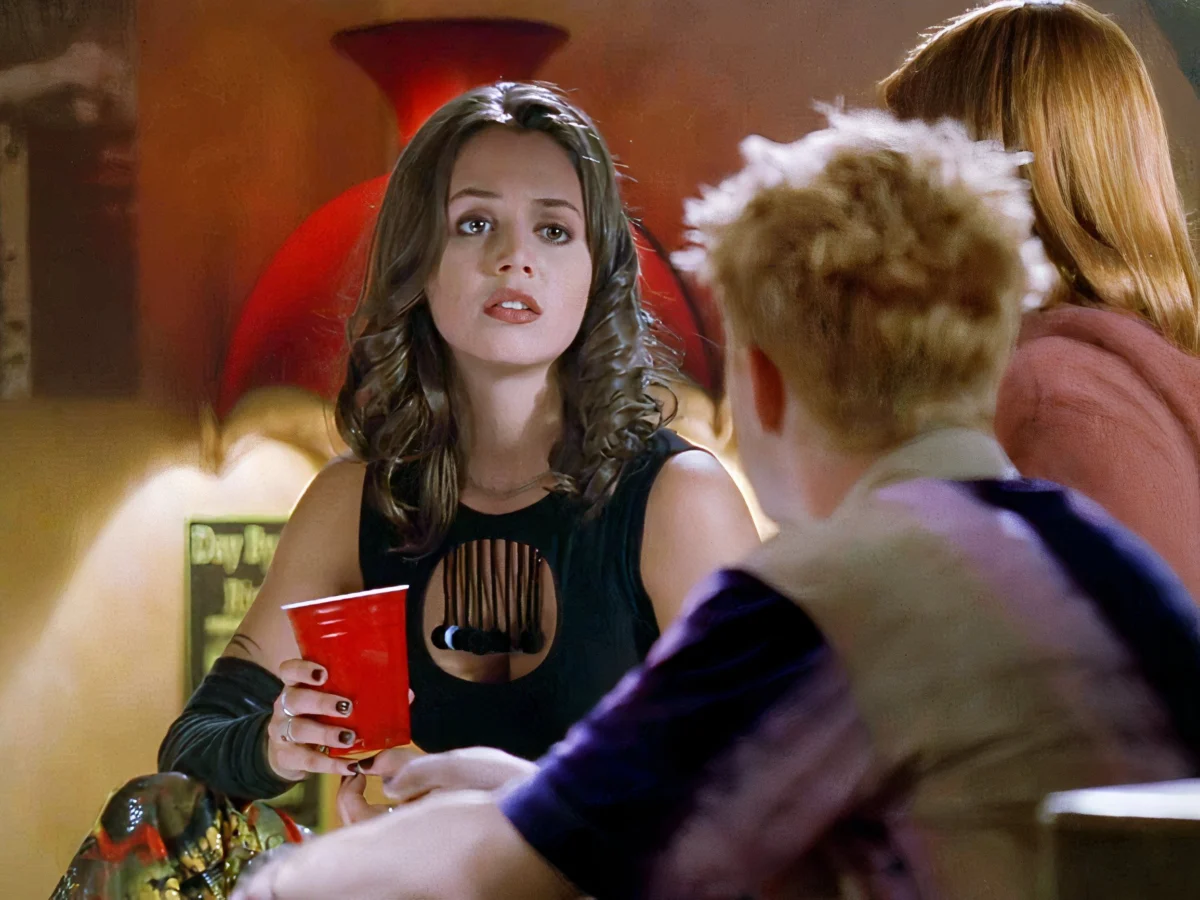
Twenty-eight years ago, television audiences were introduced to a character who would permanently alter the landscape of supernatural drama. In the Season 3 premiere episode of Buffy the Vampire Slayer, titled "Faith, Hope & Trick," Eliza Dushku made her debut as Faith Lehane, a volatile and street-smart Slayer. Created by Joss Whedon and brought to life on The WB, Faith entered the scene not as a traditional ally, but as a psychological and physical counterweight to Sarah Michelle Gellar’s iconic heroine, Buffy Summers.
While previous characters like Cordelia Chase (Charisma Carpenter) offered social commentary and adolescent vanity, and Kendra Young (Bianca Lawson) presented a rigid, rule-bound interpretation of the Slayer lineage, Faith represented something entirely different. She was the dark mirror—the Jungian shadow—of Buffy herself. Exploring themes of free will, inherited trauma, and moral hedonism, Faith’s introduction set in motion one of the most celebrated and psychologically complex character arcs in television history.
Chronology: From Sunnydale’s Newcomer to Season 3 Catalyst
To understand the profound impact of Faith’s introduction, it is necessary to trace the chronology of her arrival and the narrative vacuum she stepped into:
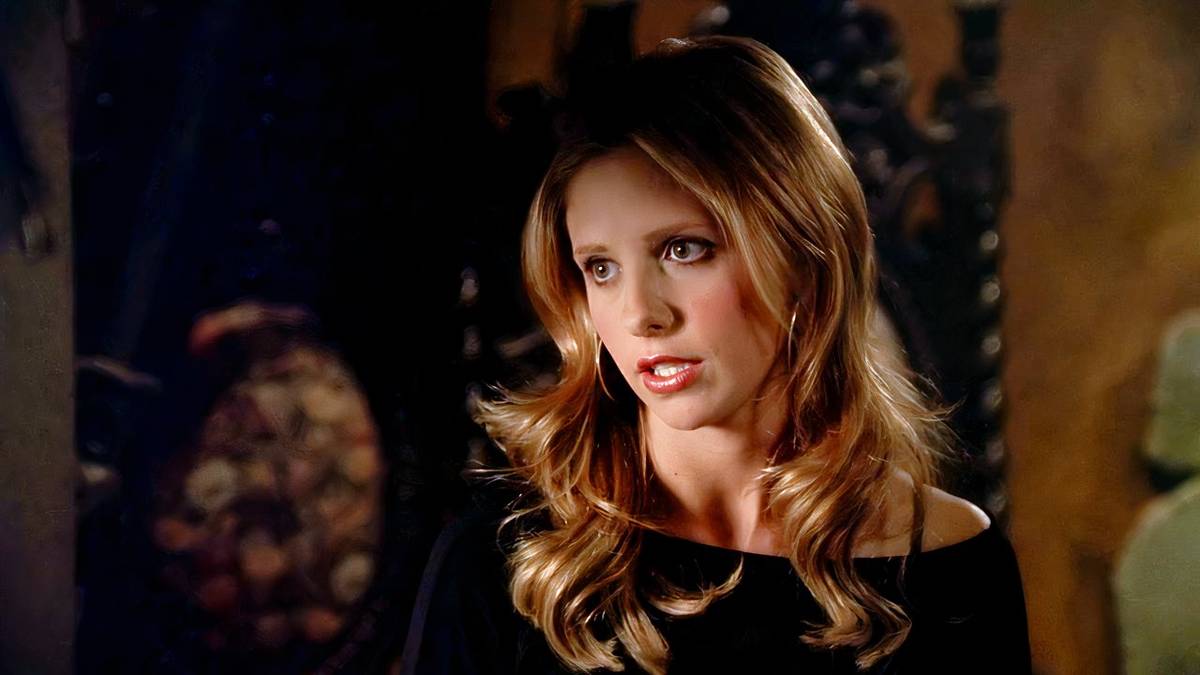
- Pre-Season 3 (The Aftermath): Following the tragic death of Kendra Young at the hands of Drusilla in the Season 2 finale, and Buffy’s heartbreaking banishment from Sunnydale after sending Angel to hell, the supernatural balance of the Hellmouth was left unstable.
- October 1998 ("Faith, Hope & Trick" Airdate): Faith arrives in Sunnydale alongside her new Watcher, Gwendolyn Post (though Post does not appear until slightly later, the groundwork is laid), seeking refuge after her previous Watcher was brutally murdered by the ancient vampire Kakistos.
- The Bronze Encounter: Buffy discovers Faith effortlessly dispatching a vampire outside local hangout spot The Bronze. Initially welcomed by the Scooby Gang, Buffy harbors immediate, instinctive skepticism.
- The Patrol Gone Wrong: During a joint patrol, Faith’s true nature is unveiled. Rather than assisting Buffy against a swarm of vampires, Faith aggressively hyper-focuses on a single creature, clearly deriving an unrestrained, hedonistic thrill from the kill.
- The Confrontation with Kakistos: Faith’s past catches up to her as Kakistos arrives in Sunnydale. With Buffy’s help, Faith confronts her trauma, successfully staking the ancient vampire, though his henchman, Mr. Trick (K. Todd Freeman), escapes to join forces with the season’s primary antagonist, Mayor Richard Wilkins.
- The Long-Term Descent: Faith’s initial reckless behavior escalates over the course of Season 3, eventually leading to accidental manslaughter, a descent into villainy, a body-swapping storyline in Season 4, and ultimate redemption in the final seasons of both Buffy and its spin-off, Angel.
Supporting Data and Character Dynamics
To quantify the cultural footprint of Faith Lehane, one must look at how her introduction shifted the narrative engine of Buffy the Vampire Slayer.
The Metrics of Character Contrast
- The Slayer Lineage: Historically, only one Slayer is active at a time. The death of one activates the next. However, the mystical anomaly of Kendra’s activation (following Buffy’s brief drowning in Season 1) and Faith’s subsequent activation (following Kendra’s death) created an unprecedented overlap.
- Psychological Framing: Showrunners utilized Faith to explore the burden of choice. While Buffy views her powers as a sacred, burdensome duty governed by a moral compass, Faith views them through a lens of nihilism: “I’m the Slayer. You’re not. End of story.”
- Audience Reception: Despite starting down a path of villainy that included aligning with Mayor Wilkins, Eliza Dushku’s charismatic performance ensured that Faith remained one of the most enduringly popular anti-heroes in pop culture history.
Official Responses and Creative Intentions
Behind the scenes, the writers and creators of Buffy the Vampire Slayer were intentional about crafting a character who would challenge the moral certainty of the series.
In retrospective interviews regarding the crafting of Season 3, the writing staff noted that Buffy needed a foil who could test her emotional boundaries. Having spent two seasons fighting vampires who were purely evil, Buffy was suddenly forced to confront a human being wielding Slayer-level powers who chose cruelty, impulsivity, and selfishness.

Eliza Dushku, who was just 17 years old when she took on the role, brought a raw, physical vulnerability to Faith. Directors and producers frequently highlighted how Dushku’s natural edge contrasted with Sarah Michelle Gellar’s polished, athletic precision. This physical dichotomy mirrored their ideological differences: Buffy fought with form, discipline, and a protective instinct; Faith fought with brutal, uninhibited fury born of deep-seated abandonment.
Implications for Modern Television and Cultural Legacy
The introduction of Faith Lehane 28 years ago established narrative tropes that continue to influence modern television writing, particularly in the realm of speculative fiction and superhero dramas.
1. Redefining the "Dark Foil" Archetype
Before Faith, anti-heroes in teen dramas were often limited to misunderstood bad boys or rebellious outsiders. Faith elevated the "dark mirror" trope by giving her the exact same supernatural capabilities as the protagonist. This forced the narrative to ask a terrifying question: What separates the hero from the villain when they possess identical weapons? The answer lay not in power, but in choice, support systems, and empathy.
2. Trauma and Behavioral Cues
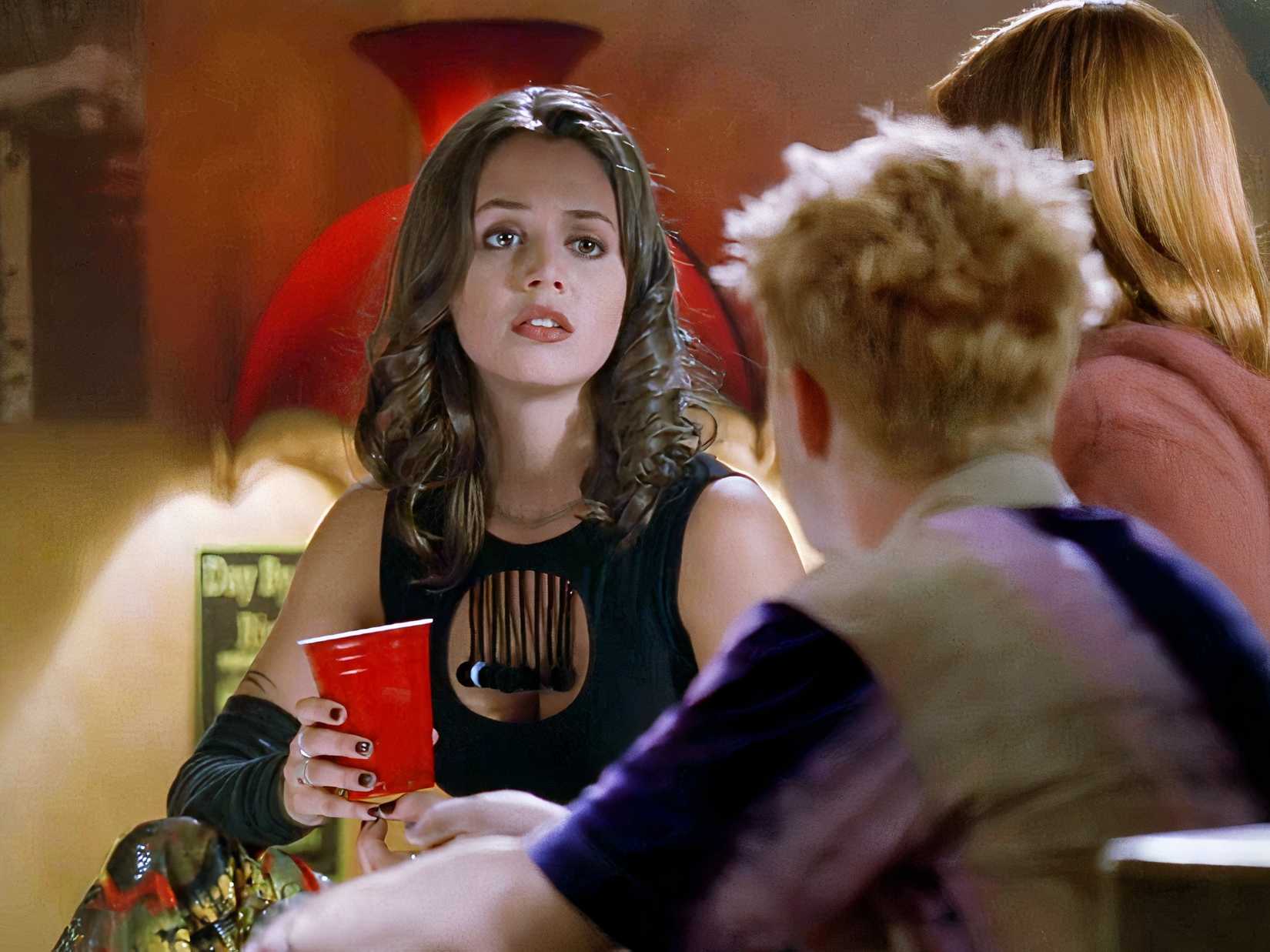
From a psychological perspective, Faith’s storyline offered a nuanced portrayal of complex trauma long before television frequently tackled such heavy psychological concepts with nuance. While Buffy had a stable, loving (if occasionally strained) home life and a devoted circle of friends (the Scooby Gang), Faith was completely unanchored. Her hedonism and rejection of authority were defensive mechanisms—a way to maintain control in a world that had repeatedly failed her.
3. The Blueprint for Complex Female Anti-Heroes
Shows today featuring morally grey female protagonists—from Killing Eve to The Boys—owe a massive debt to the risks taken by the Buffy writers’ room in 1998. By allowing a young woman to be deeply flawed, violent, sexually liberated, and ultimately capable of redemption without softening her rough edges, Faith broke the mold of the virtuous television heroine.
Conclusion
As Buffy the Vampire Slayer continues to find new audiences through streaming platforms like Hulu, the introduction of Faith Lehane remains a masterclass in serialized storytelling. Twenty-eight years later, "Faith, Hope & Trick" stands as a testament to the brilliance of a show that understood that its heroine’s greatest battles were not always fought against ancient demons, but against the very real temptations of darkness living right next door.
 Sagoh
Sagoh
 Siti Muinah
