

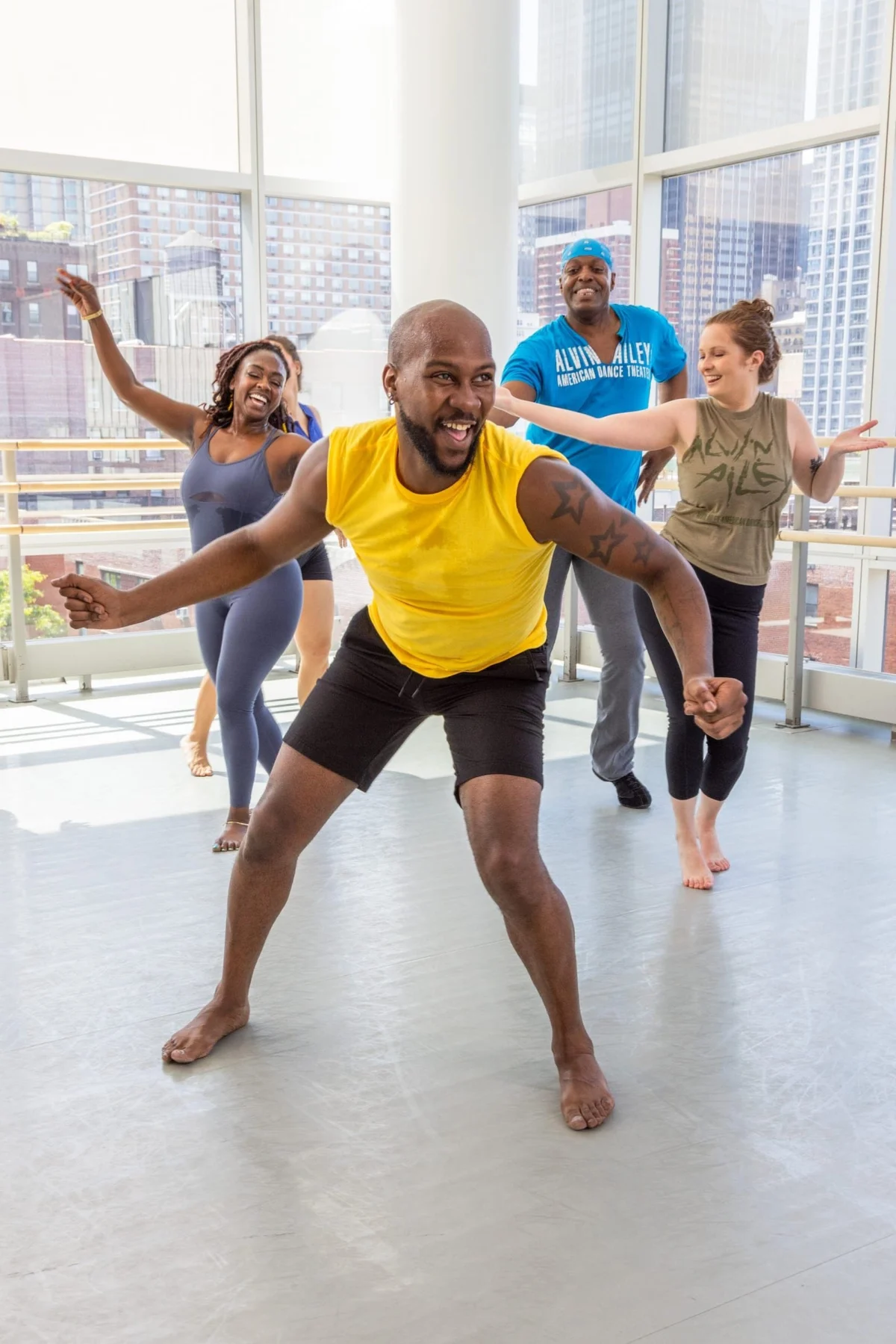
Introduction: A Life Defined by Movement
The vibrant life of 28-year-old O’Shae Sibley was not defined by his tragic death, but by his profound commitment to self-expression, artistry, and the unapologetic celebration of his identity. A professional dancer who moved from Philadelphia to New York City to chase his dreams at the prestigious Alvin Ailey Dance Theater, Sibley was a beacon of light in his community. On July 16, 2026, nearly three years after he was brutally murdered at a Brooklyn gas station, a measure of justice was served. Dmitriy Popov, the individual responsible for the fatal stabbing, was sentenced to 20 years in prison—a conclusion to a legal saga that has resonated deeply within the LGBTQ+ community and served as a grim reminder of the persistent dangers of anti-gay violence in the United States.
The Tragic Incident: A Night of Joy Met with Hate
On the night of July 29, 2023, the circumstances surrounding Sibley’s death were deceptively ordinary. Returning from a day at the beach, Sibley and a group of friends stopped at a gas station on Coney Island Avenue in Midwood, Brooklyn, shortly after 11:00 p.m. Still wearing their swimming trunks, the group was in high spirits, listening to a Beyoncé track and dancing—a spontaneous act of joy that was, for Sibley, an extension of his daily life as a performer.
What followed was a sharp descent into violence. According to court records and witness testimony, Popov and his associates confronted Sibley and his friends, unleashing a barrage of homophobic and racial slurs. The motivation was clear: the perpetrators were enraged by the mere sight of a Black gay man dancing. While the initial confrontation briefly de-escalated as the two groups dispersed, the tension remained. Popov, who was 17 at the time, chose to escalate the situation by filming the group with his phone, continuing his verbal assault.
When Sibley, rightfully indignant, confronted his harasser, the situation turned lethal. As a witness attempted to mediate, Sibley followed Popov toward the sidewalk. It was there that Popov, choosing violence over retreat, produced a five-and-a-half-inch blade and plunged it into Sibley’s torso. Despite emergency efforts, Sibley was pronounced dead shortly after arriving at Maimonides Hospital. Popov fled the scene, sparking a week-long manhunt before he eventually surrendered to authorities.
Chronology of a Legal Battle
The path to justice was long and arduous, spanning from the initial shock of the murder in the summer of 2023 to the sentencing in the summer of 2026.
- July 29, 2023: O’Shae Sibley is fatally stabbed at a Midwood, Brooklyn, gas station following a homophobic confrontation.
- August 2023: Following a brief period on the run, Dmitriy Popov surrenders to the New York City Police Department and is arraigned on charges of murder as a hate crime. He enters a plea of not guilty.
- May 2026: The trial commences. During proceedings, the defense attempts to argue that Popov acted in self-defense, claiming he felt threatened when Sibley approached him.
- June 2026: After hearing testimonies and reviewing evidence, the jury rejects the self-defense narrative, finding Popov guilty of manslaughter as a hate crime.
- July 16, 2026: Brooklyn Supreme Court formally sentences Popov to 20 years in state prison.
Throughout the trial, the defense’s attempt to characterize the stabbing as a desperate act of self-preservation failed to sway the jury. The evidence—including video footage and eyewitness accounts—painted a picture of an aggressor who initiated the conflict based on deep-seated prejudice, rather than a victim fearing for his life.
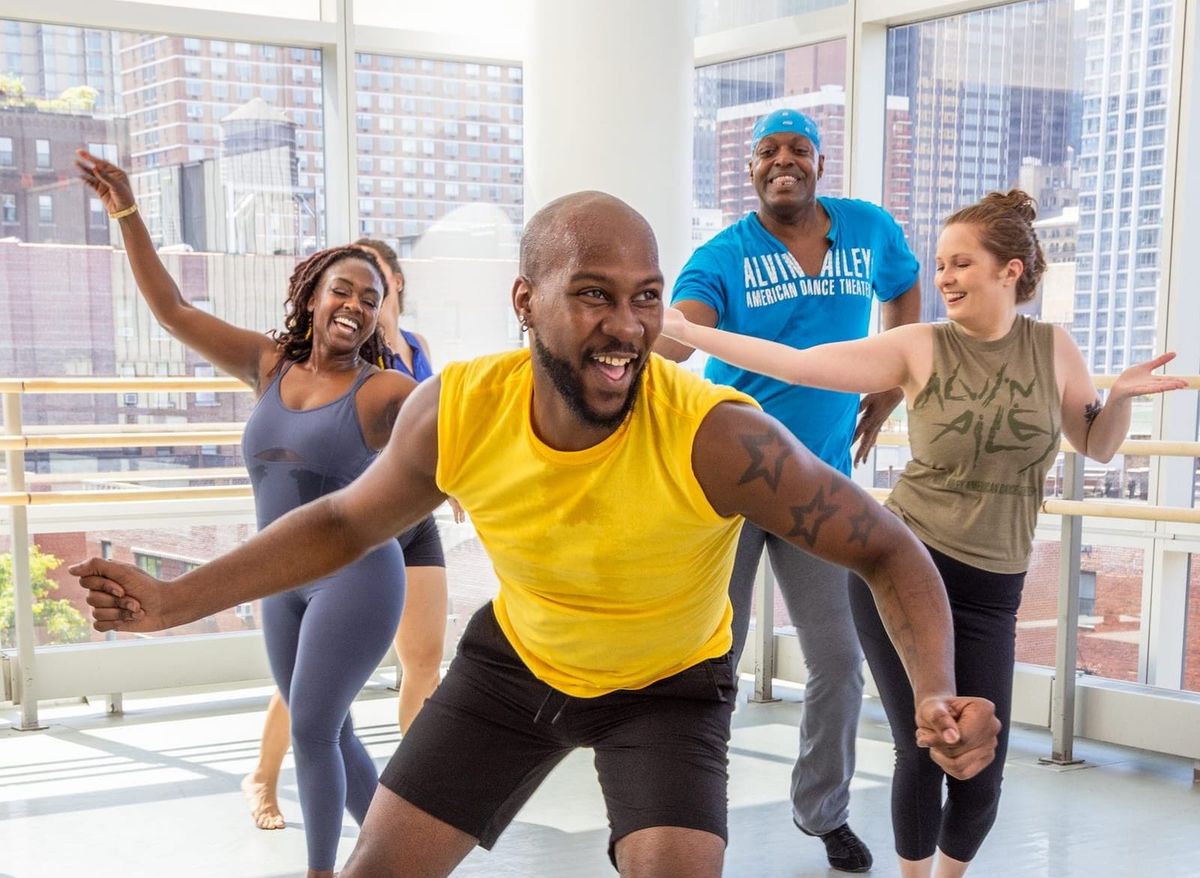
O’Shae Sibley: The Artist Behind the Headlines
To understand the gravity of this loss, one must look at who O’Shae Sibley was outside of the tragedy. Born and raised in Philadelphia, Sibley was a dedicated member of the Philadanco professional dance troupe. In 2020, he relocated to the Brownsville neighborhood of Brooklyn, seeking to immerse himself in the competitive and creative heart of the New York dance scene.
He was a fixture at the Ailey Extension, where his passion for movement was infectious. His work went beyond the stage; Sibley was a vocal advocate for racial justice and LGBTQ+ equality. Through public performances and creative collaborations—most notably with his close friend and choreographer, Kemar Jewel—Sibley utilized his body as a political instrument. He believed in the power of "vogueing" and dance not just as art, but as a medium for social change. His friends and mentors describe him as a person who refused to hide his light, even in a world that often demanded he do so.
Official Responses and Judicial Implications
The sentencing of Dmitriy Popov was met with a sense of somber finality by city officials. Brooklyn District Attorney Eric Gonzalez, who oversaw the prosecution, was unequivocal in his condemnation of the act.
"O’Shae Sibley was simply being himself—a Black gay man enjoying a summer evening—but his mere existence caused this defendant to curse, harass, and ultimately kill him," Gonzalez stated during the sentencing hearing. "I hope today’s sentence will bring some closure to O’Shae’s many loved ones and to the entire LGBTQ+ community, which has been shaken by this tragic and deeply upsetting crime."
The sentencing carries significant legal weight. By securing a conviction for manslaughter as a hate crime, the prosecution successfully demonstrated that the motivation behind the violence was the victim’s sexual orientation and race. This classification is vital in the American legal system, as it acknowledges that such crimes do not merely harm the individual victim, but are intended to terrorize an entire community.
Broader Implications: The State of LGBTQ+ Safety
The death of O’Shae Sibley became a rallying cry for the LGBTQ+ community, particularly for Black queer individuals who often face the dual burden of racism and homophobia. Following the 2023 murder, vigils were held across New York City and beyond, with dancers and artists performing in tribute to Sibley’s life.

However, the case has also sparked a broader conversation about the safety of queer people in public spaces. Even in a city like New York, which prides itself on being a bastion of progressivism, the reality is that the mere act of living openly—dancing, laughing, or existing in public—can be perceived as a provocation by those harboring hateful ideologies.
The 20-year sentence handed down to Popov is intended to serve as a deterrent, yet many activists argue that legal punishment alone is insufficient. The systemic work of addressing the roots of homophobic and transphobic radicalization remains a massive, unresolved challenge. As the trial concludes, the LGBTQ+ community continues to grapple with the "what-ifs." What if Sibley had been able to dance in peace? What if the culture of hostility that emboldened a 17-year-old to carry a knife had been challenged earlier?
Conclusion: A Memory That Endures
As O’Shae Sibley’s family and friends begin the next chapter of their healing process, his legacy remains anchored in his art. The videos of him dancing—fluid, joyful, and utterly free—continue to circulate on social media, serving as a testament to the person he was.
While the court system has closed its file on the criminal case against Dmitriy Popov, the impact of the 2023 attack remains a permanent scar on the cultural consciousness of New York City. The case serves as a solemn reminder that the fight for the right to exist safely in public is far from over. O’Shae Sibley’s life was taken by hate, but his memory is sustained by the love, art, and resistance of a community that refuses to be intimidated into silence.
 Basiran
 Muslim
 Evan Lee Salim
