

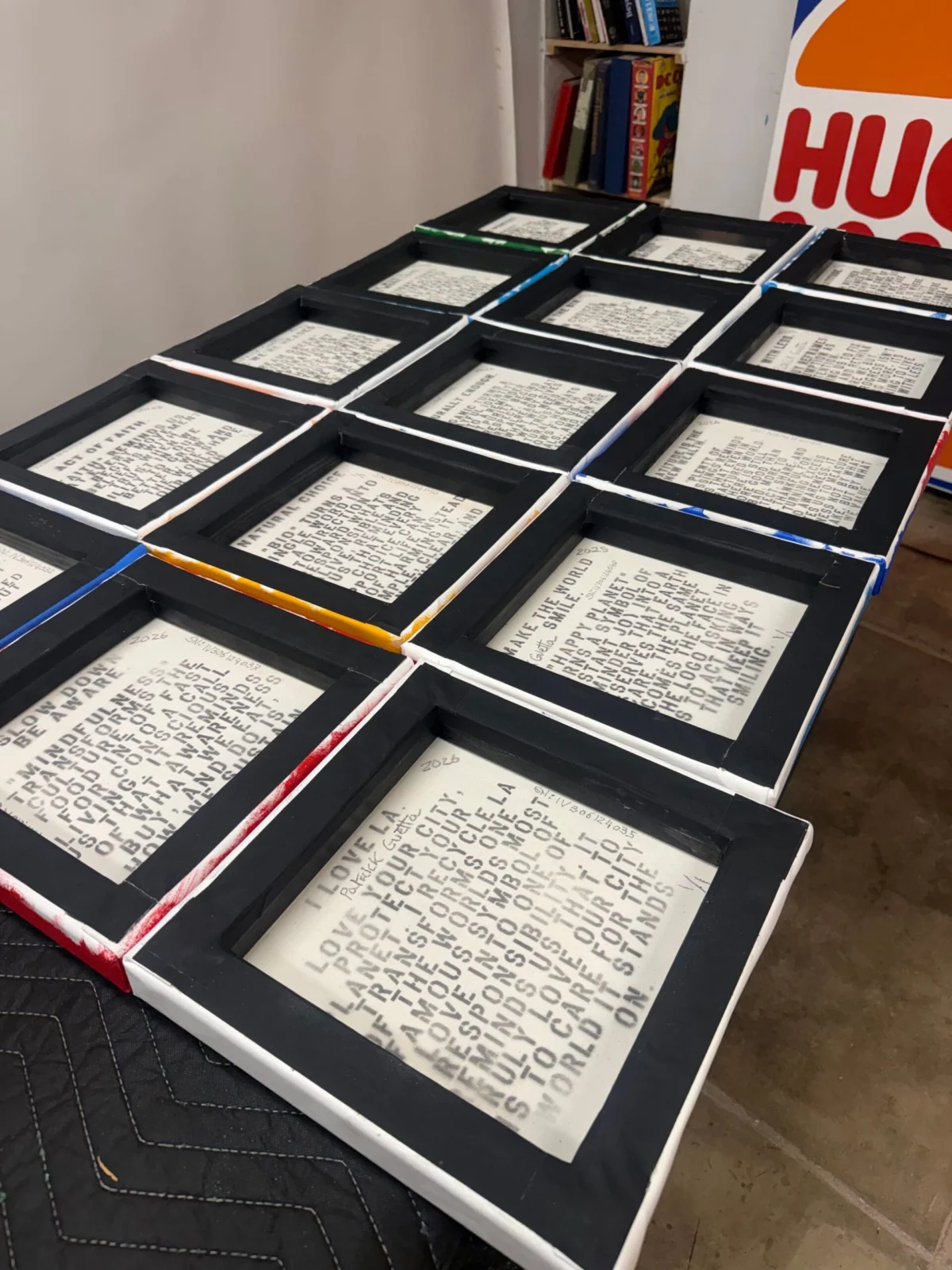
In the sprawling, sun-drenched metropolis of Los Angeles, where the boundaries between commercial art and fine art often blur into a haze of neon and concrete, artist Patrick Guetta has carved out a unique niche. As the subject of the 346th installment of A View From the Easel, Guetta offers more than just a glimpse into his workspace; he invites us into a philosophy of creation that treats the urban environment as both his laboratory and his canvas. Guetta’s work, which frequently involves the strategic repurposing of brand imagery to deliver sharp environmentalist critiques, is a direct reflection of the chaotic, vibrant, and hyper-consumerist culture of Southern California.
The Genesis of a Creative Hub
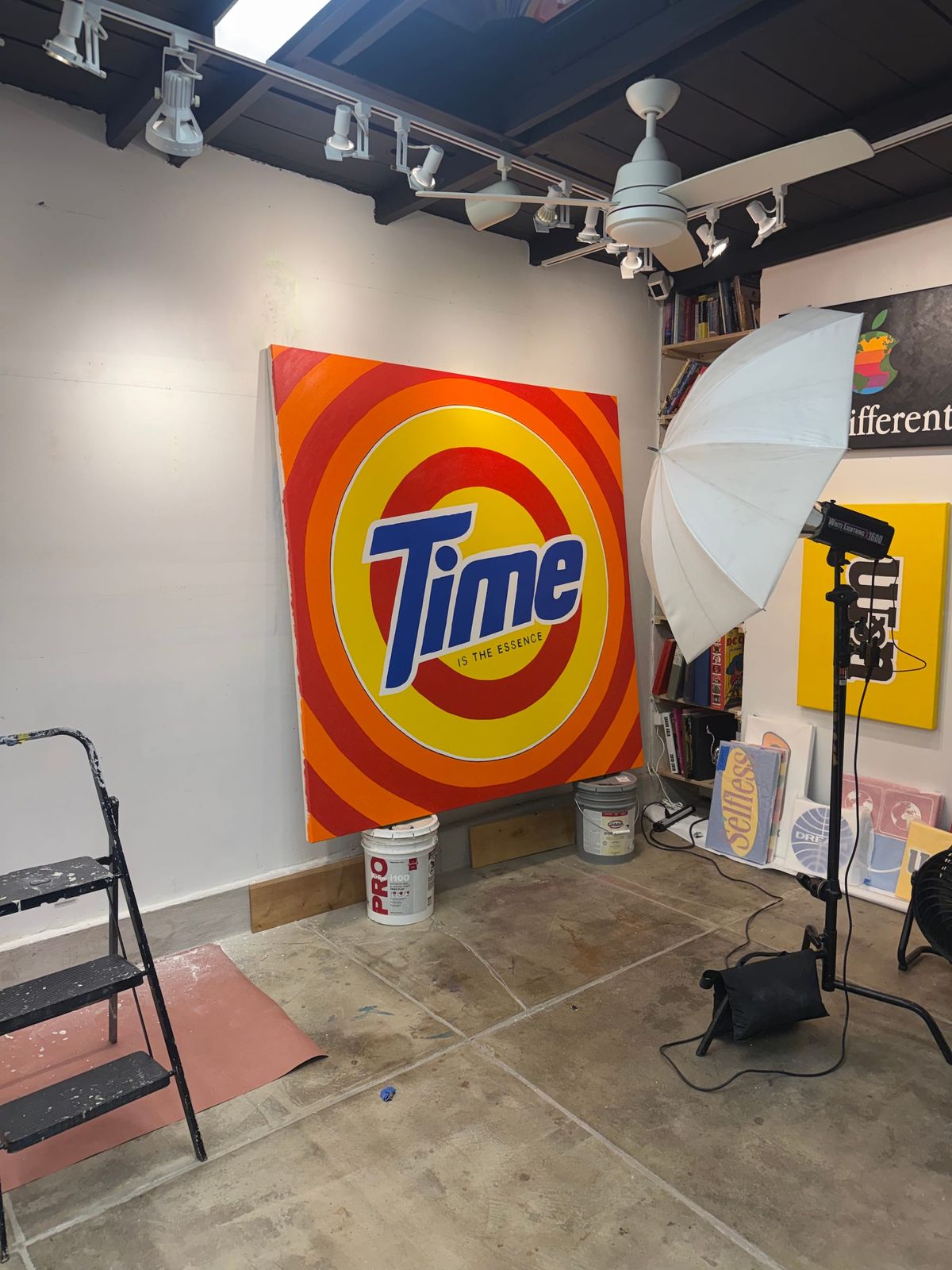
For Patrick Guetta, the concept of a studio is not merely a room containing tools and materials; it is an energetic container. Guetta has occupied his current Los Angeles-based studio for two years, a space he characterizes as a "reclaimed" environment. When he first acquired the footprint, it was an empty, sterile void. His initial task was not simply to furnish it, but to "give it energy."
"Little by little, it transformed completely from an empty space into a place filled with ideas, colors, creation, and dreams," Guetta reflects. This slow, intentional cultivation is central to his artistic identity. By designing the studio from the ground up, he ensured that every square foot serves his specific creative rhythm. The result is a space that acts as a physical manifestation of his internal monologue—a quiet, private bastion that stands in stark contrast to the relentless pace of the city outside.
A Day in the Life: The Organic Rhythm of Creation
Guetta’s professional chronology is defined by a rejection of the traditional nine-to-five corporate structure. His average day begins with a deliberate, slow-paced routine, designed to avoid the anxiety of deadlines. "I wake up slowly and try not to rush," he explains. By 10:00 or 11:00 AM, he eases into his process, allowing the day to unfold with an organic, almost liquid, structure.
His methodology is one of fluid movement. Guetta refuses to impose rigid boundaries on his creative output. He describes a process where the lines between administrative tasks and artistic production are permeable; a routine check of emails can easily pivot into an intensive, hours-long session of painting or conceptual planning. By allowing inspiration to dictate his schedule rather than the clock, he sustains a level of spontaneity that is visible in the visceral energy of his acrylic work. This "flow state" is made possible by the sanctuary he has built, a space where he can disconnect from the outside world and lose himself in the work for hours on end.
The Studio as a Mirror of the Self
The relationship between the artist and his workspace is often the defining factor in the longevity of a career. For Guetta, the studio is an extension of his domestic existence. He describes his home and his workspace as mutual extensions of one another, creating a seamless environment where the barrier between "living" and "making" is effectively dissolved.
The studio is intentionally designed to be private, peaceful, and drenched in natural light. In an era where many artists are pressured to scale their operations, hire assistants, and move into massive warehouse spaces, Guetta remains steadfast in his commitment to a more intimate footprint. He expresses no desire to expand into a larger facility, noting that his current setup provides the exact level of freedom required to stay inspired. For Guetta, the "success" of a studio is measured by the quality of focus it facilitates, not the square footage it occupies.
Urban Immersion: The Street as a Museum
One of the most fascinating aspects of Guetta’s practice is his relationship with the geography of Los Angeles. While many artists look to the white-cube environment of traditional galleries for inspiration, Guetta finds his muse in the "museum of the street."
His studio is located in a corridor defined by the Fairfax, Melrose, and Beverly neighborhoods—areas renowned for their density of street art, graffiti, and aggressive commercial signage. Guetta interacts with this environment by walking. In a city defined by its car culture, he intentionally chooses to remain a pedestrian, interacting with the visual debris of the city on a human scale.
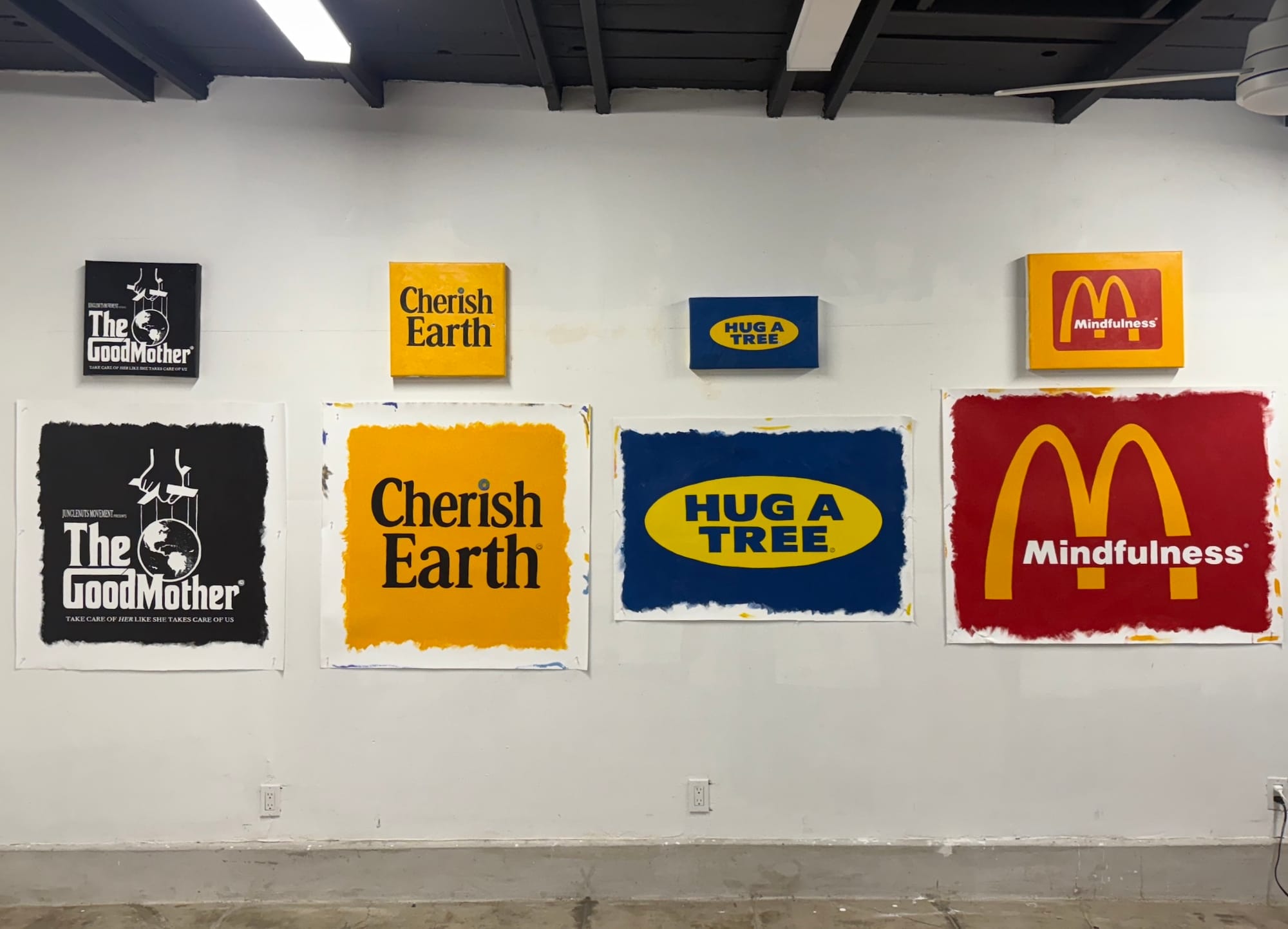
"My work comes from observing what people create, say, and consume," he explains. He views the billboards, the tags on the walls, and the discarded remnants of advertising as a living, breathing cultural archive. By absorbing this visual noise and recontextualizing it through his own lens, Guetta turns the mundane reality of the Los Angeles cityscape into a poignant commentary on modern consumption and environmental degradation.
Materiality and the Language of Color
When it comes to his tools, Guetta favors the immediacy and intensity of acrylic paint. For an artist whose work focuses on the intersection of environmentalism and brand imagery, the choice of medium is strategic. Acrylics offer a "vivacity" and a speed that allow him to capture the frantic energy of his concepts without the long drying times or toxicity associated with oils.
"It translates the energy of my work very naturally," he notes. While he acknowledges a burgeoning interest in sculpture—a medium he admits is significantly more complex and labor-intensive—he maintains a deep connection to the canvas. Photography also serves as a critical component of his creative cycle, often acting as a bridge between the initial observation of street imagery and the final execution on canvas.
Implications for the Contemporary Artist
Patrick Guetta’s approach offers a compelling model for the contemporary artist in an age of digital saturation. By grounding his practice in a specific, highly personalized space and engaging with his immediate environment as a source of raw, unmediated data, he avoids the trap of derivative, trend-chasing art.
The implications of his work are clear: art is not something that happens in a vacuum, nor is it something that requires massive institutional support. It is a process of curation—of filtering the world through one’s personal experience. By repurposing the imagery of the very corporations he critiques, Guetta forces the viewer to engage with the uncomfortable reality of our consumerist habits.
Furthermore, his insistence on maintaining a "peaceful" and "private" space suggests that for the modern creator, the most important asset is not visibility or networking, but the preservation of a sanctuary where one’s own voice can be heard above the noise of the digital age.
Conclusion: A Philosophy of Gratitude
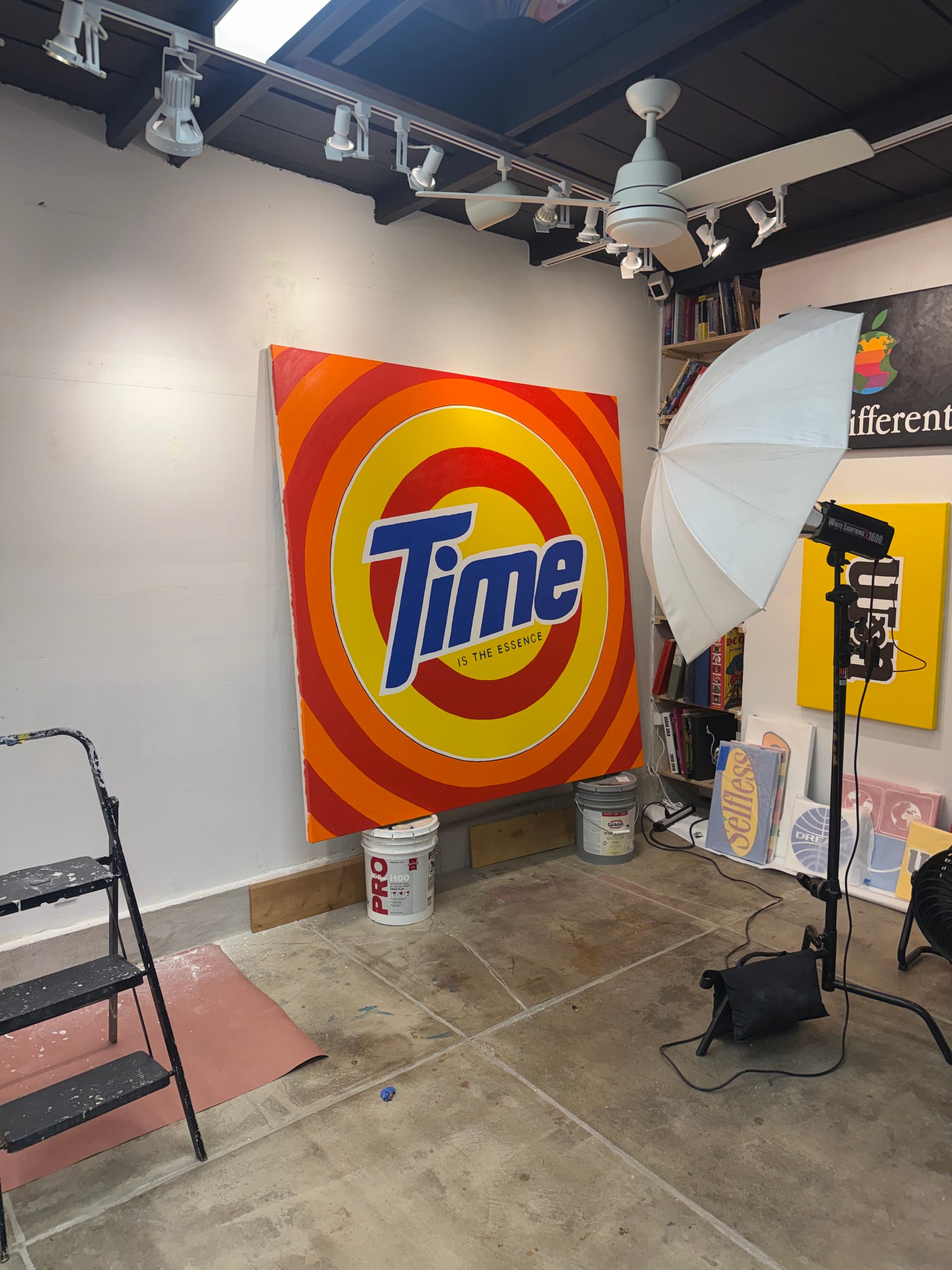
As he approaches his third year in this studio, Guetta remains in a state of profound professional contentment. There is no desire for change, no yearning for a different city, and no ambition to outgrow the space that currently sustains him. His career path is a testament to the idea that success is not found in the escalation of scale, but in the deepening of one’s connection to their work and their community.
In the 346th installment of A View From the Easel, Patrick Guetta stands out as a reminder that the most profound art often begins with a simple, quiet observation. By walking the streets of Los Angeles, absorbing its vibrant and often problematic energy, and bringing that energy back into his sun-filled studio to be processed through paint and canvas, Guetta has managed to turn his life into a cohesive, meaningful, and deeply authentic project. Whether he is critiquing the environmental impact of a global brand or simply capturing the light on a Melrose storefront, he does so with a clarity of purpose that is as rare as it is refreshing.
 Muslim
 Jia Lissa
