

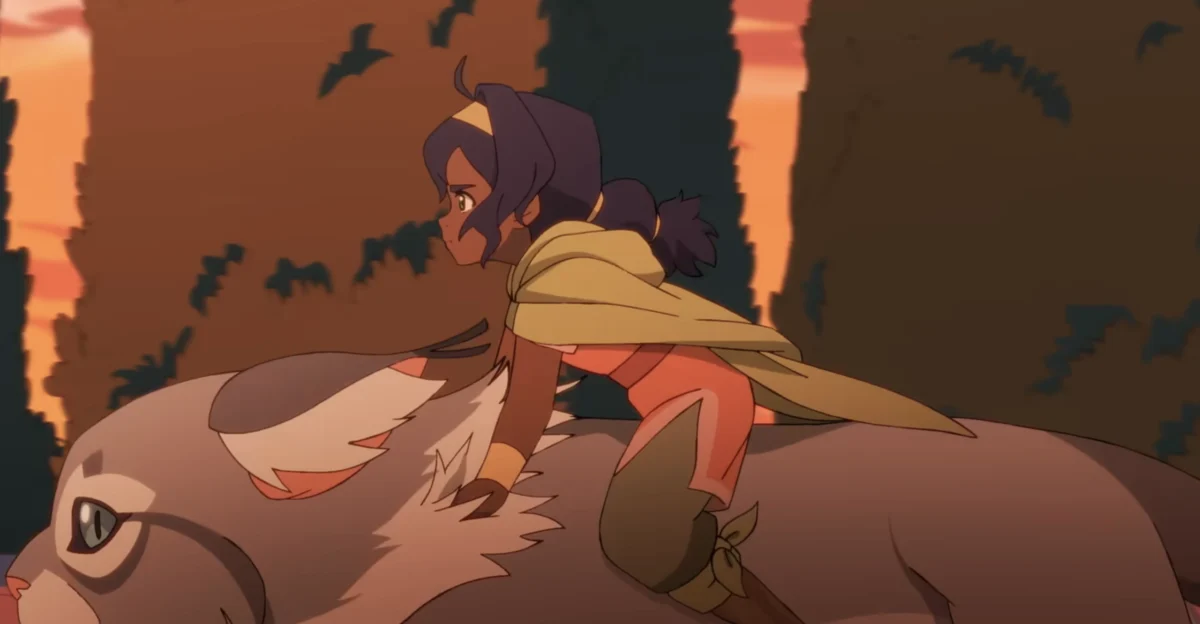
The expansive world of elemental bending, spiritual harmony, and ancient conflict is poised for its most significant expansion yet. In a move that has sent shockwaves through the global animation community, Paramount+ has officially announced Avatar: Seven Havens, the third television series in the beloved Avatar: The Last Airbender franchise.
The announcement arrived with strategic timing, coming just one day before the highly anticipated premiere of the animated feature film Avatar Aang: The Last Airbender on the same streaming platform. With a confirmed release date of October 9, Seven Havens represents a bold new chapter for the franchise, promising to push the boundaries of its established lore while introducing a new generation of heroes to a world in turmoil.
Main Facts: The Reveal of the Next Avatar
During a high-profile panel at San Diego Comic-Con (SDCC) on Thursday, July 23, franchise co-creators Bryan Konietzko and Michael Dante DiMartino took the stage to celebrate the impending release of the Avatar Aang film. However, the celebration quickly turned into a major news event when the duo unveiled the first teaser trailer for Avatar: Seven Havens.
The series is set to follow the events of The Legend of Korra, moving the timeline further into the future than ever before. The story centers on a new Avatar named Pavi, voiced by Saheli Khan. Unlike her predecessors, who were often hailed as saviors or peacekeepers, Pavi enters a world where the Avatar is viewed with deep-seated suspicion and fear. In a radical departure from previous series, the Avatar in this era is regarded as "humanity’s destroyer," a perception born from a mysterious and deadly cataclysm that nearly ended civilization.
The production details confirmed at the panel indicate a substantial commitment from Paramount+. Seven Havens will consist of 26 episodes, structured into two 13-episode "books." In a shift in distribution strategy, the streamer plans to release the entire series at once on October 9, catering to the modern "binge-watch" culture that has become standard for high-budget streaming exclusives.
Chronology: Two Decades of Elemental Mastery
To understand the weight of the Seven Havens announcement, one must look back at the nearly 20-year history of the franchise. The "Avatarverse" began in 2005 with the premiere of Avatar: The Last Airbender on Nickelodeon. Created by Konietzko and DiMartino, the series introduced audiences to a world inspired by East Asian, South Asian, and Indigenous cultures, where "benders" could manipulate one of the four elements—water, earth, fire, or air.
The original series, which ran for three seasons until 2008, followed Aang, a young Air Nomad who was the reincarnation of the Avatar. His journey to master the elements and end the 100-year war waged by the Fire Nation became a cultural phenomenon, praised for its sophisticated character development, complex themes of genocide and imperialism, and its high-quality, anime-influenced animation.

Following the success of the original series, the franchise expanded through various media:
- 2010: A live-action film adaptation directed by M. Night Shyamalan was released, though it was largely panned by critics and fans alike.
- 2012–2014: The Legend of Korra premiered, set 70 years after the original series. It explored themes of industrialization, civil rights, and modern spirituality, following the headstrong Water Tribe Avatar, Korra.
- 2021: Paramount Global announced the formation of Avatar Studios, a division dedicated specifically to creating new content within the franchise, led by Konietzko and DiMartino.
- 2024: Netflix released a high-budget live-action reimagining of the original series, which renewed global interest in the IP.
- Present Day: The release of the Avatar Aang animated film and the announcement of Seven Havens marks the full-scale activation of the Avatar Studios pipeline.
Supporting Data: Narrative Architecture and Casting
Avatar: Seven Havens appears to be a thematic pivot for the series. The narrative focuses on Pavi’s quest for survival and redemption in a broken society. According to the plot synopsis shared at SDCC, Pavi is forced onto the run, accompanied by her long-lost twin sister, voiced by Aishu Devan. The inclusion of a twin sister is a significant first for the franchise, potentially exploring the spiritual implications of the Avatar spirit being born into a family with such a close biological bond.
The voice cast features a blend of rising stars and seasoned industry veterans:
- Saheli Khan as Pavi (The Avatar)
- Aishu Devan as Pavi’s twin sister
- Akshay Khanna, Major Curda, and Sakina Jaffrey in undisclosed lead roles.
- Darren Barnet and Dianne Doan adding further star power to the ensemble.
- Dee Bradley Baker, a franchise staple known for voicing Appa, Momo, and various creatures in the previous series, will also return, suggesting that the animal companions that have become icons of the series will play a role in this new era.
The setting, described as a "post-cataclysmic" world, suggests that the technological advancements seen in The Legend of Korra may have led to a collapse or a "reset" of society. This allows the creators to explore a "solarpunk" or "post-apocalyptic" aesthetic that blends the ancient mysticism of the original series with a rugged, survivalist future.
Official Responses: The Creative Vision
At the San Diego Comic-Con panel, Bryan Konietzko and Michael Dante DiMartino expressed their excitement about returning to the episodic format while having the freedom of a streaming platform.
"We’ve always seen the Avatar cycle as a canvas that could span thousands of years," DiMartino told the audience. "With Seven Havens, we wanted to challenge the idea of what it means to be a hero when the world doesn’t want you to be one. Pavi isn’t starting from a place of worship; she’s starting from a place of exile."
Konietzko added that the decision to release 26 episodes at once was a response to how the fandom has evolved. "The fans have spent years dissecting every frame of the original shows. We wanted to give them a massive, cohesive story that they could dive into all at once. The ‘Book’ structure remains, but the delivery is designed for the way people watch television in 2025 and beyond."

Paramount+ executives have also weighed in, highlighting Avatar as a cornerstone of their streaming strategy. The franchise remains one of the most-watched libraries on the platform, and the investment in Avatar Studios is seen as a direct play to compete with the heavy-hitting animation catalogs of Disney+ and Netflix.
Implications: The Future of the "Avatarverse"
The announcement of Seven Havens has profound implications for both the franchise and the broader landscape of adult-leaning animation.
1. The Streaming Wars and IP Longevity
By anchoring the franchise on Paramount+, the studio is utilizing the "Star Trek model"—creating a continuous stream of content that keeps subscribers engaged year-round. With an animated film and a new series launching within months of each other, Paramount is signaling that Avatar is no longer just a "nostalgia play" but a living, breathing cinematic universe.
2. Narrative Evolution
By moving the timeline forward and subverting the "Avatar as Savior" trope, the creators are avoiding the "prequel trap" that often plagues long-running franchises. Instead of retreading Aang’s or Korra’s steps, Seven Havens asks difficult questions about legacy, the unintended consequences of power, and whether a broken world can truly be mended by a single individual.
3. Cultural Impact and Representation
The franchise has always been a pioneer in diverse storytelling. The casting of actors like Saheli Khan and Akshay Khanna, combined with the South Asian-influenced names and themes suggested by the title Seven Havens, indicates that the show will continue to draw from a rich tapestry of global cultures. This commitment to authentic representation remains a hallmark of the series’ identity.
4. Technical Advancements
The teaser trailer shown at SDCC reportedly showcased a significant jump in animation quality. Utilizing modern digital techniques while maintaining the hand-drawn aesthetic that defined the original series, Seven Havens aims to set a new standard for television animation. The "post-cataclysm" setting provides a fresh visual palette, moving away from the 1920s-inspired Republic City toward something more ethereal and reclaimed by nature.
As the October 9 premiere approaches, the "Avatarverse" stands at a crossroads. With Avatar Aang providing a bridge to the past and Seven Havens carving a path into the unknown future, fans of the four elements have much to look forward to. The journey of the Avatar has always been about bringing balance to the world; with this new series, it seems the creators are intent on bringing balance to the franchise’s legacy as well.
 Jia Lissa
 Lina Irawan
 Iffa Jayyana
