

Main Facts
The contemporary art world sits at a precarious and often absurd intersection of high culture, rampant commercialization, and urgent geopolitical discourse. This dynamic was thrown into sharp relief this October, captured across various exhibitions, institutional shifts, and cultural happenings highlighted by Hyperallergic.
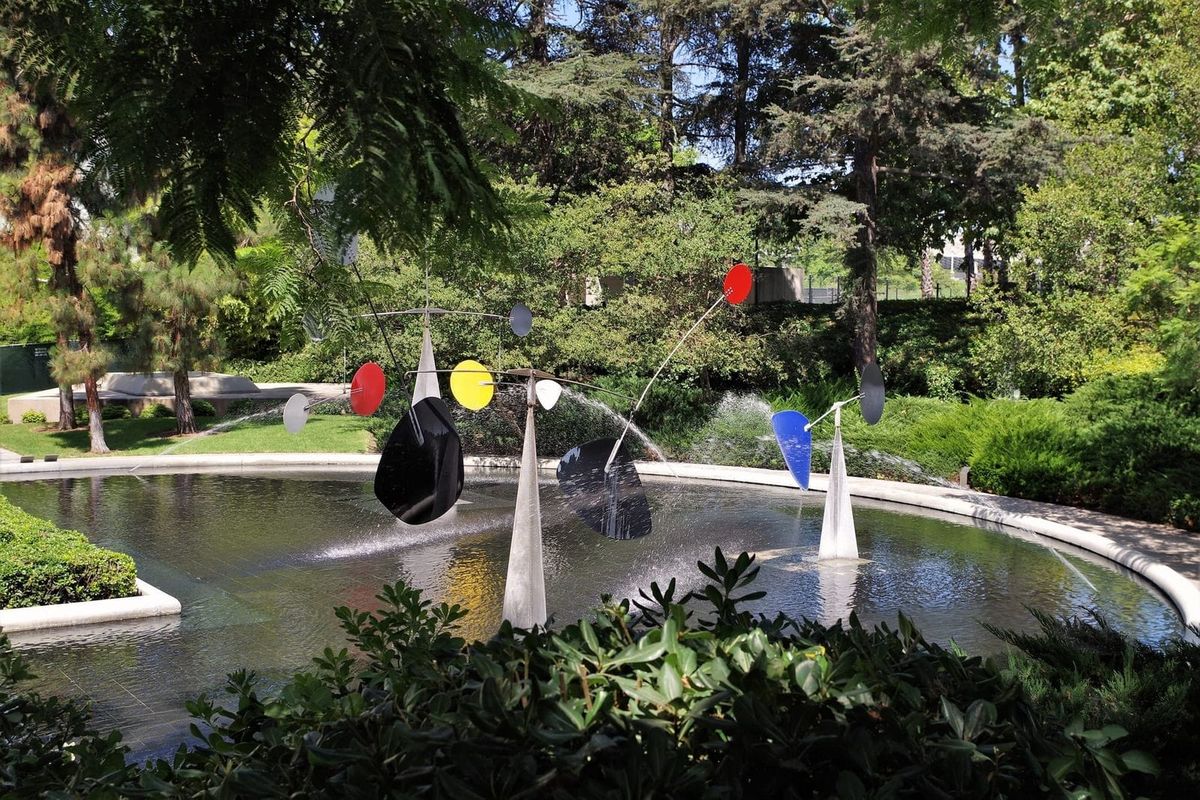
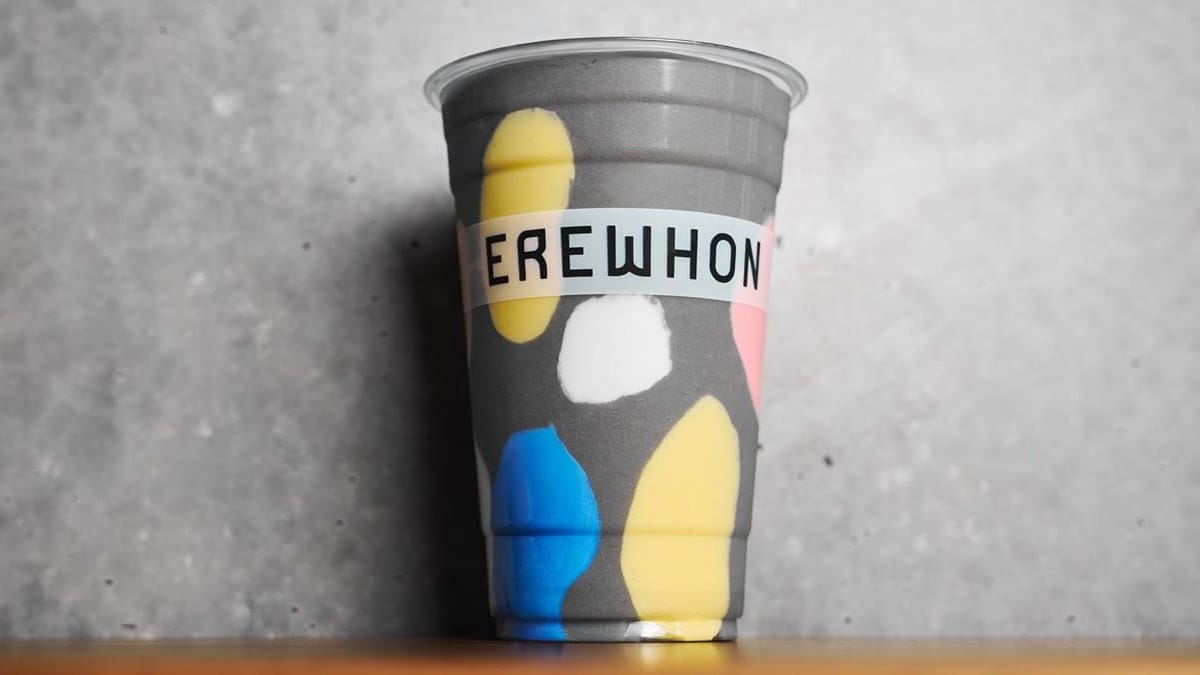
At the center of this cultural snapshot is a surprising announcement from the Los Angeles County Museum of Art (LACMA): the Erewhon pop-up located within its newly minted David Geffen Galleries is transitioning into a permanent fixture, cementing the high-end, celebrity-endorsed supermarket chain as a core amenity of West Coast museum-going. This development pairs ironically with historic modern masterworks like Alexander Calder’s 1964 kinetic fountain, Three Quintains (Hello Girls), creating a surreal landscape where avant-garde sculpture rubs shoulders with wellness branding.

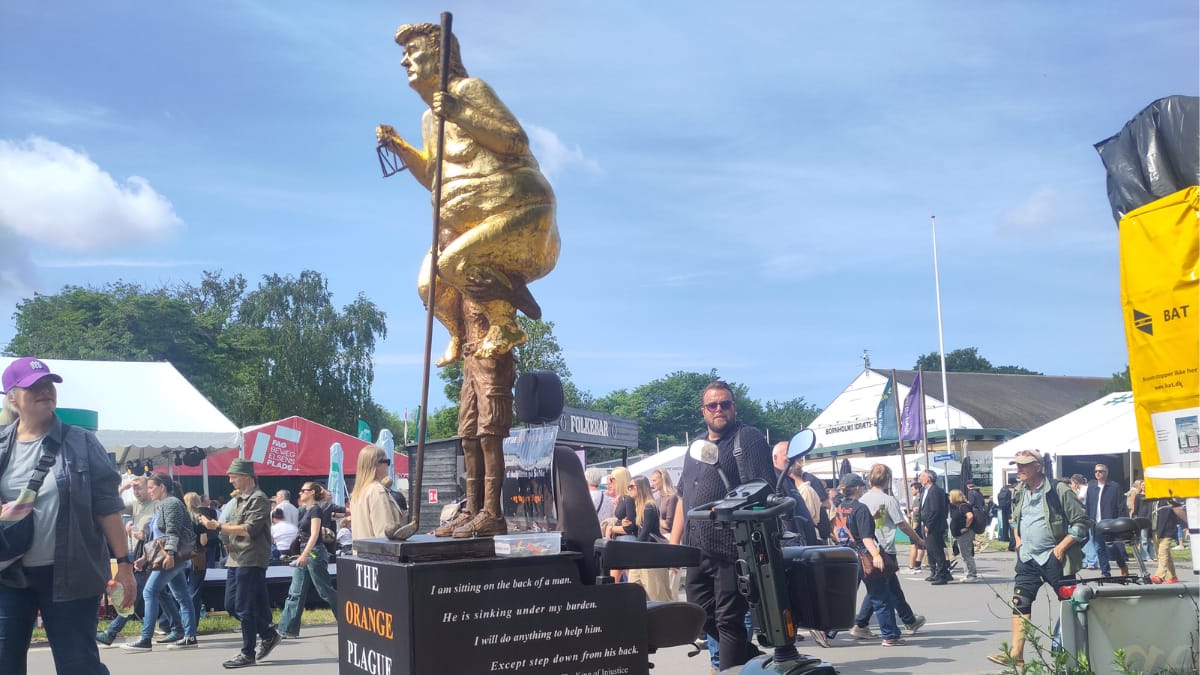
Meanwhile, on the East Coast, the cultural climate is shaped by starker realities. New York galleries and institutions are grappling with heavy political and social currents. Exhibitions like Ridikkuluz’s biting and devastating paintings—which weave together queer and Southwest Asian and North African (SWANA) iconography to process the ongoing crisis in Palestine—stand in sharp contrast to corporate-adjacent art world indulgences. Furthermore, institutions across New York and Europe are pushing boundaries, from the European Parliament’s installation of a gilded nude statue mocking political figures to the Met’s ongoing reevaluations of Abstract Expressionism through Lee Krasner and Jackson Pollock.
As the art sector prepares for its annual festivities—including Hyperallergic‘s much-anticipated Halloween party on October 28—critics, curators, and editors are forced to ask: What happens when the machinery of high-end lifestyle capitalism fully integrates with public art spaces?
Chronology
To understand the current state of the art world, one must trace the timeline of key developments, institutional milestones, and exhibition openings defining the autumn season:
- Early October: LACMA announces that its temporary Erewhon partnership within the David Geffen Galleries will become a permanent fixture. The move triggers intense commentary from art critics, including Associate Editor Phillip Pyle, who breaks down the cultural implications of merging elite wellness culture with public museum spaces.
- Mid-October: The European Parliament stirs international headlines by installing a gilded nude statue designed as political satire directed at Donald Trump. At the same time, cultural spaces across New York, Los Angeles, and Europe roll out their premier autumn exhibition lineups.
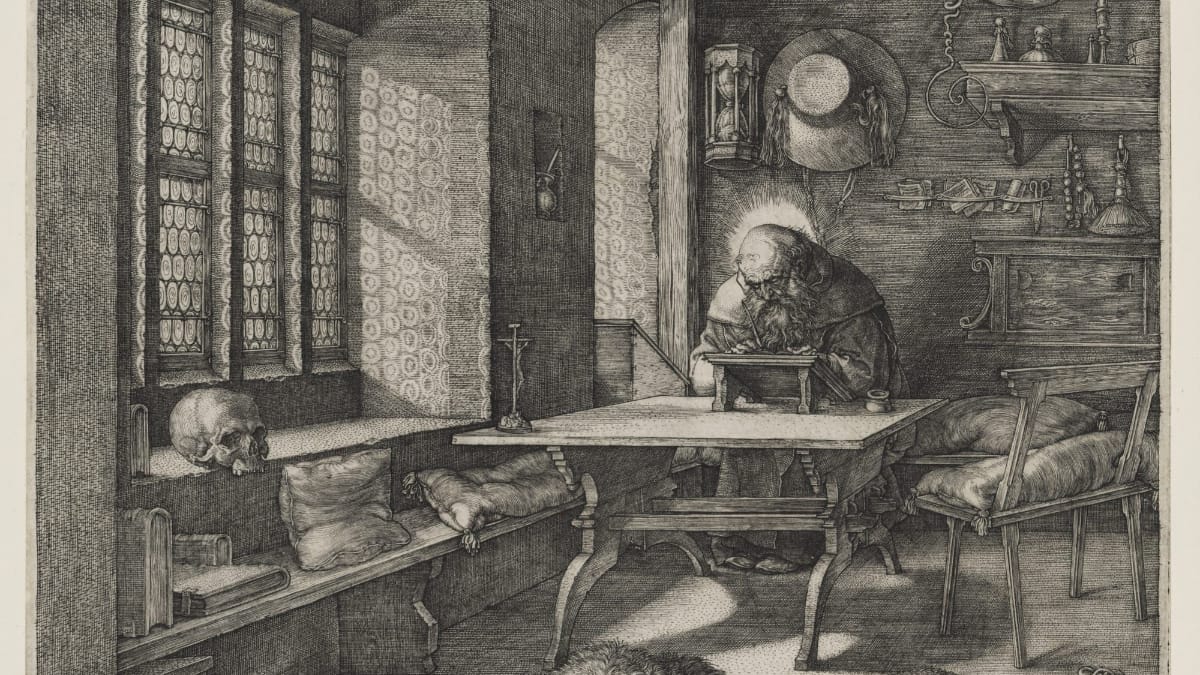
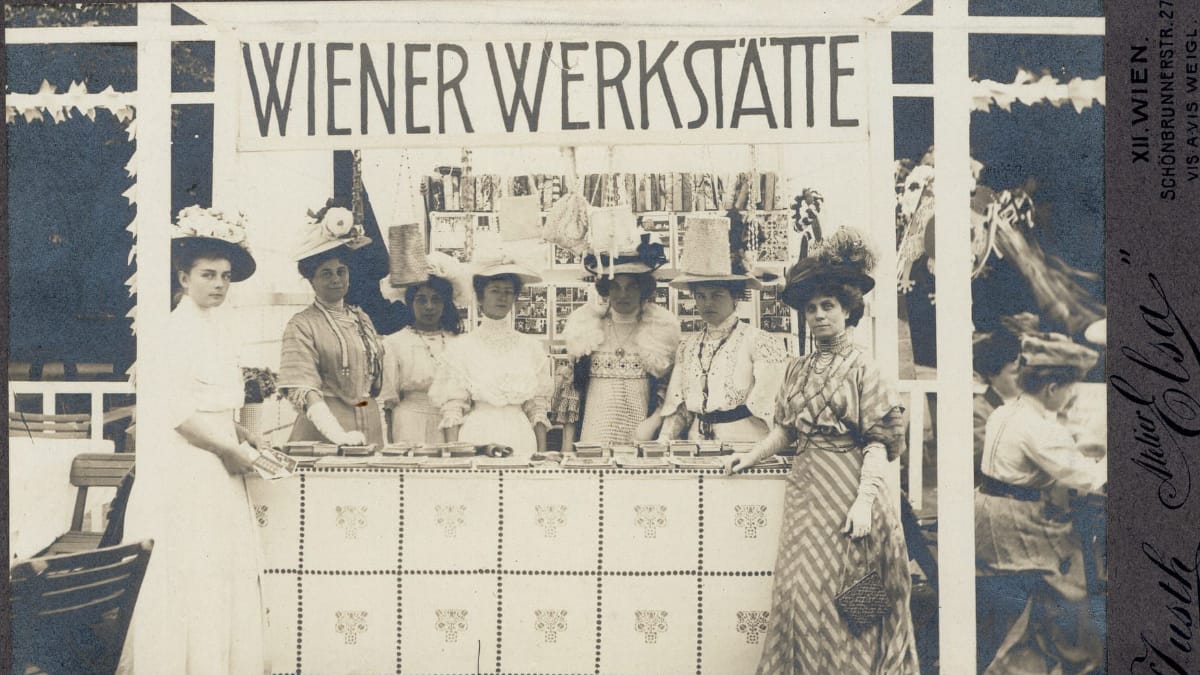
- Throughout October: The International Fine Print Dealers Association (IFPDA) hosts its annual Prints & Drawings Month, prompting institutions like the Metropolitan Museum of Art and LACMA to rethink how works on paper are stored, exhibited, and contextualized. Simultaneously, special retrospectives—such as "Modernity and Opulence: Women of the Wiener Werkstätte" at the Jewish Museum—highlight overlooked historical contributions to modernist design.
- October 31: Deadlines loom for significant grants and open calls, notably the apexart 2027–28 NYC Open Call, which invites global curators and creatives to submit 500-word proposals for group exhibitions backed by a $10,000 production budget.
- October 28: Hyperallergic hosts its annual art-world Halloween party, an event notorious for high-concept, art-history-inspired costumes (ranging from Malevich’s Black Square to literal interpretations of Relational Aesthetics), complete with a costume competition and open bar.
Supporting Data and Cultural Context
The convergence of luxury consumerism and fine art is not merely an aesthetic quirk; it is backed by shifting economic realities within the global art market.
- The Wellness-Art Industrial Complex: The integration of Erewhon into LACMA mirrors a broader trend of museums attempting to court younger, affluent, lifestyle-oriented demographics. In a landscape where young gallerists bounce between Frieze London, Art Basel Paris, and the Venice Biennale, wellness culture has become inextricably linked with cultural capital.
- Institutional Funding and Open Calls: Programs like apexart’s open call illustrate the grassroots counter-weight to corporate museum expansions. Offering a $10,000 budget for winning 500-word group exhibition proposals, these initiatives provide crucial lifelines for independent curators who operate outside the sphere of billionaire-backed boardrooms and high-end grocery store sponsorships.
- Historical Reassessments: Autumn programming demonstrates a systemic shift in museum curation. Exhibitions like the Jewish Museum’s focus on the women of the Wiener Werkstätte—highlighting their role as foundational designers, artists, and tastemakers in early 20th-century Vienna—demonstrate an ongoing institutional correction. Museums are increasingly dedicating resources to unearthing historical omissions, paralleled by critical re-examinations of figures like Lee Krasner, whose complex relationship with Abstract Expressionism and Jackson Pollock continues to be reframed by contemporary scholarship.
- Activism and Visual Culture: The prevalence of politically charged art, such as Ridikkuluz’s recent New York exhibition, underscores how contemporary artists are utilizing queer and SWANA symbols to bear witness to geopolitical violence, particularly following the shifting fault lines of international solidarity since late 2023.
Official Responses and Critical Commentary
The reaction to these overlapping phenomena has exposed deep ideological fractures within the art community.
When news broke regarding LACMA’s permanent Erewhon cafe integration, critical response was swift. Writing for Hyperallergic, Phillip Pyle dissected the absurdity of the development, noting how the collision of historic public art—such as Alexander Calder’s kinetic fountains—with hyper-gentrified commercial branding encapsulates the current identity crisis of major cultural institutions. For many critics, the partnership symbolizes the corporatization of public trust, transforming civic art spaces into lifestyle hubs for an insular elite.
Conversely, responses to political art and historical retrospectives have centered on themes of urgency and correction. Commenting on the Met’s recent presentations of Lee Krasner, museumgoers and critics alike have praised the long-overdue spotlight on female artists who worked in the shadow of male-dominated movements. Reader feedback, such as commentary from art historian Alex Clark, highlights a growing public appetite for nuanced reappraisals of mid-century modernism that center individual agency and personal struggle over mythologized partnerships.
On the political front, installations like the European Parliament’s satirical statue have drawn mixed reactions from diplomats and the public, testing the boundaries of institutional neutrality and the role of art as a geopolitical weapon of satire.
Implications
The coexistence of Erewhon smoothies, Alexander Calder sculptures, radical political expression, and historical rediscovery points to a fundamental transformation of the global art ecosystem.
- Commodification of Public Spaces: As museums increasingly rely on corporate sponsorships, lifestyle partnerships, and high-end retail integrations to sustain operations, the boundary between the public square and the luxury marketplace continues to erode. This trend risks alienating traditional audiences while catering exclusively to a hyper-affluent demographic.
- The Decentralization of Critique: While major institutions lean into lifestyle branding, independent spaces and critical publications are doubling down on radical political discourse. The stark divide between museum cafes selling $20 smoothies and gallery walls displaying the devastating realities of global oppression highlights a fractured art world attempting to hold incompatible realities at once.
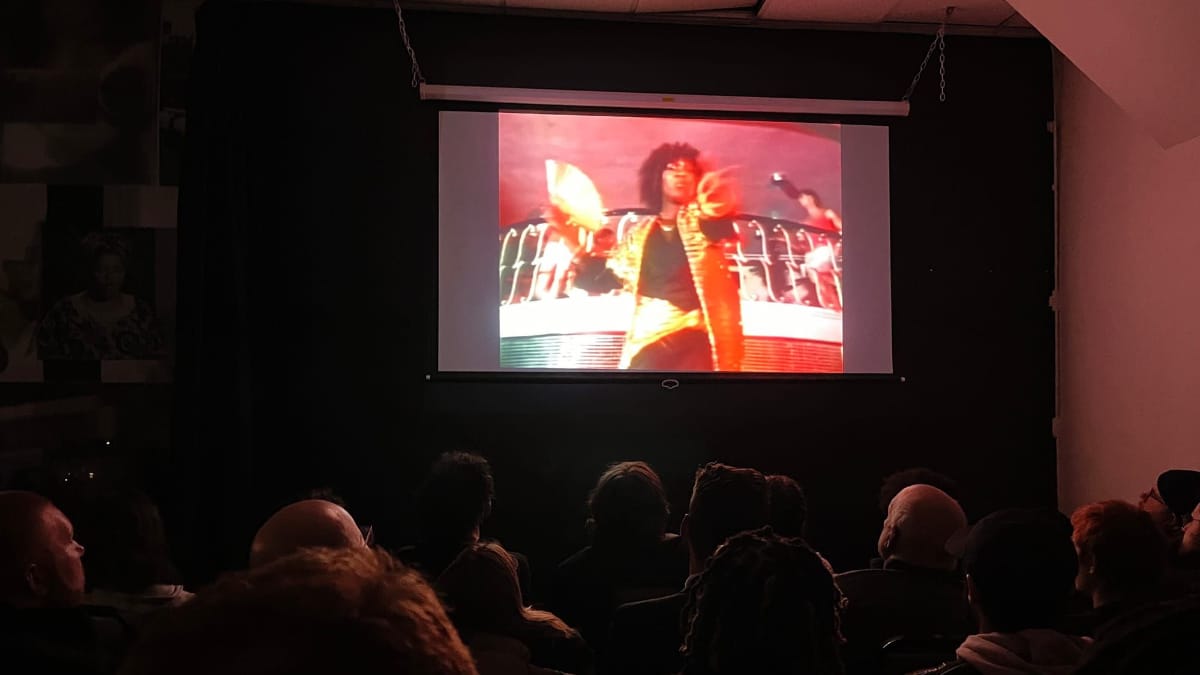
- The Ongoing Revision of Art History: Institutional dedication to archival recovery—evident in the celebration of women designers from the Wiener Werkstätte, the Millenium Film Workshop’s 60th anniversary, and prints and drawings initiatives—signals that the art world’s canon is permanently altering. Future art histories will likely view this era not just through the lens of market frenzies, but as a period of profound reckoning with marginalized narratives and overlooked creators.
Ultimately, whether debating the irony of a Calder fountain overlooking a smoothie bar or gathering for an art-historically themed Halloween celebration, the contemporary art community remains a mirror of broader societal tensions: caught eternally between the trivialities of lifestyle consumerism and the profound weight of global history.
 Neng Nana
 Laily UPN
