

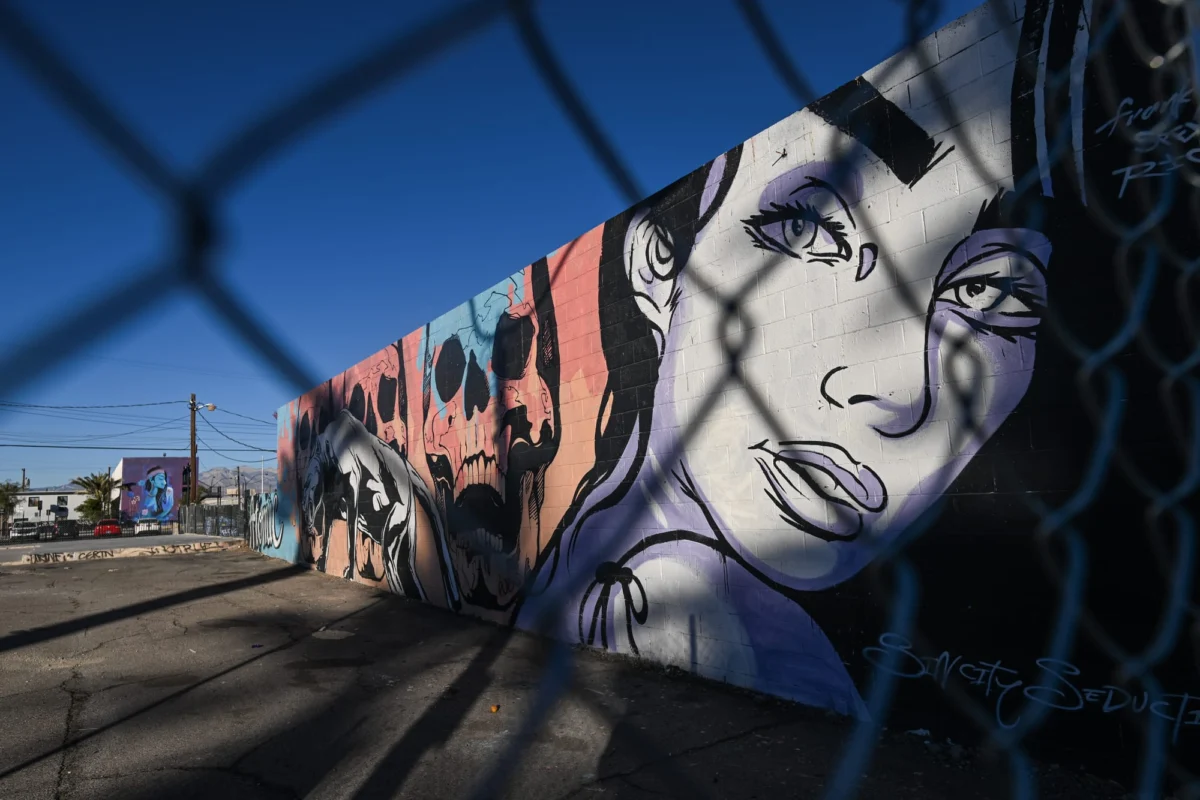
LAS VEGAS — A vibrant monthly celebration of community, local art, and culture was abruptly upended by sudden violence last week, leaving the city in a state of shock and mourning. A fatal shooting during the October iteration of the popular First Friday arts festival in the Las Vegas Arts District claimed the life of 15-year-old Carth Onasi Jacobs-Rodgers and left two other individuals wounded.
The incident, which occurred late on Tuesday, October 6, has ignited a fierce public debate over security, youth curfews, and the pervasive crisis of gun violence at community events nationwide. In the wake of the tragedy, city officials, event organizers, and local artists are grappling with difficult questions about how to protect public spaces while preserving the open, accessible spirit that defines modern urban cultural gatherings.
Main Facts
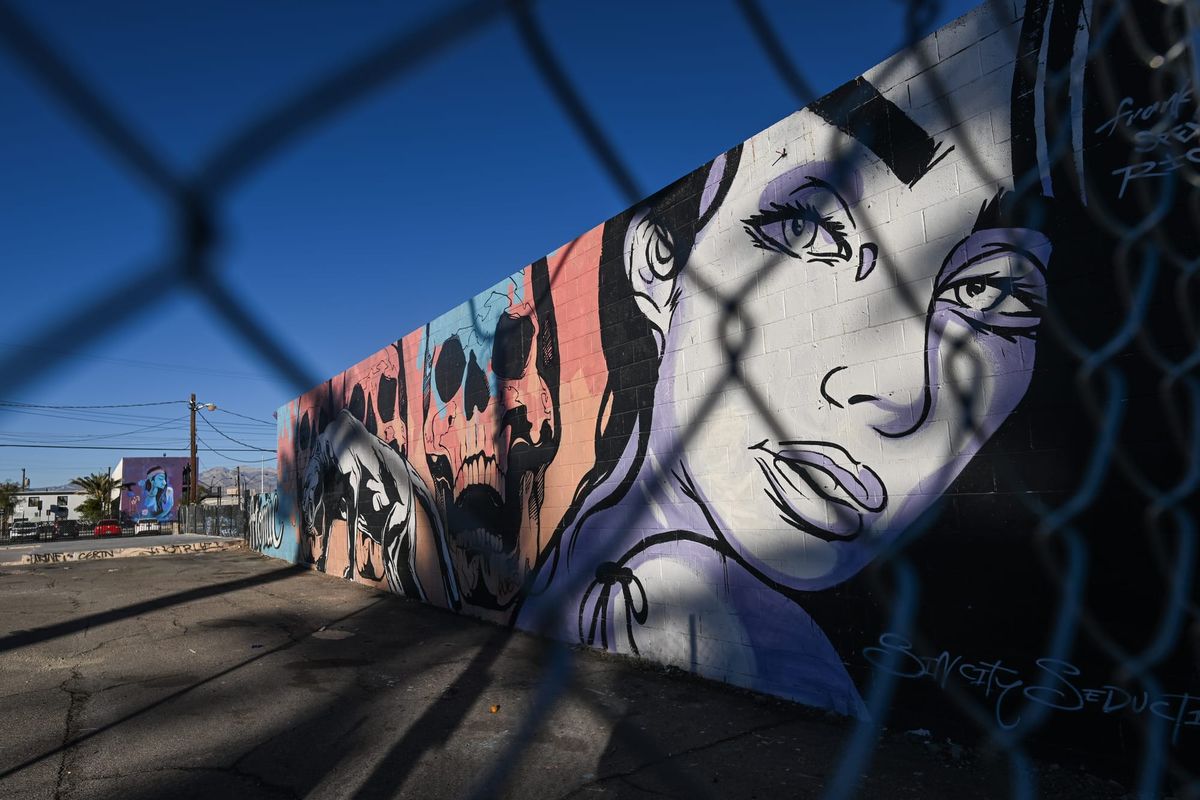
The shooting unfolded shortly after 10:00 p.m. at the heart of the Las Vegas Arts District, a cultural hub known for its galleries, murals, and vibrant nightlife. According to a preliminary incident report from the Las Vegas Metropolitan Police Department (LVMPD), officers stationed or patrolling the area heard the sharp reports of gunshots ring out at approximately 10:17 p.m.
Panic quickly swept through the crowded streets as festival-goers scrambled for cover. First responders rushed to the scene to treat the victims. Two individuals sustained injuries in the crossfire, while 15-year-old Jacobs-Rodgers was transported to a nearby hospital, where he was tragically pronounced dead.
Law enforcement moved swiftly in the immediate aftermath of the chaos. A 17-year-old suspect was apprehended at the scene and taken into custody. The juvenile now faces severe felony charges, including one count of murder with a deadly weapon and two counts of attempted murder with a deadly weapon. Investigators have continued to comb through witness statements, digital footprints, and social media footage to piece together the exact motive and sequence of events that led up to the shooting.
Chronology of the Evening
To understand how a community celebration devolved into a crime scene, investigators and eyewitnesses have reconstructed the timeline of October 6:
- Early Evening (6:00 p.m. – 9:00 p.m.): Thousands of residents, tourists, families, and teenagers flooded the Las Vegas Arts District for the monthly First Friday festival. The evening featured a rich lineup of cultural programming, including a public mural unveiling by local artist Black Sheep One, an exclusive artist residency gallery exhibition, and live outdoor painting demonstrations. Performances by local acts, such as the band The X-Flowers, drew appreciative crowds.
- 9:00 p.m.: In accordance with local ordinances and prior social media awareness campaigns circulated by the LVMPD, a downtown curfew notice went into effect. The rule explicitly reminded parents and guardians that minors are required to be accompanied by an adult in designated downtown areas between the hours of 9:00 p.m. and 5:00 am. However, because First Friday has historically functioned as an all-ages, community-centric open event, hundreds of unaccompanied or family-supervised teenagers and young people remained in the district.
- Shortly Before 10:17 p.m.: Musicians like Alexxis Ryan of The X-Flowers concluded their sets and departed the festival grounds, describing the atmosphere moments prior as lively, peaceful, and entirely normal.
- 10:17 p.m.: Gunshots echoed down the crowded thoroughfare. Chaos erupted as attendees fled into nearby businesses, behind art installations, and down side alleys. LVMPD officers converged on the location within minutes, securing the perimeter, rendering aid to the wounded, and taking the 17-year-old suspect into custody.
Supporting Data and Broader Context
The tragedy in Las Vegas is not an isolated incident; rather, it forms part of a deeply troubling nationwide pattern regarding safety at public community events. Less than a month prior to the Las Vegas shooting, a 16-year-old bystander was killed during a First Friday event in Manassas, Virginia, prompting immediate event cancellations and renewed local demands for legislative gun reform.
These recurring incidents underscore a broader American crisis. Mass shootings and acts of targeted gun violence have increasingly bled into spaces historically viewed as safe havens of civic life—including schools, houses of worship, grocery stores, and now, open-air cultural festivals.
For the city of Las Vegas, the shadow of gun violence carries a uniquely painful historical weight. The city remains forever scarred by the October 1, 2017, mass shooting on the Las Vegas Strip, which stands as the deadliest mass shooting by a lone gunman in modern United States history, claiming 60 lives and injuring over 800 concertgoers. While the scale of the Arts District shooting is vastly different, the psychological impact on a community continually forced to confront the realities of firearms in public spaces is profound.
Official Responses
The response from local leadership and event stakeholders was swift, reflecting both grief and a determination to reassess security protocols.
Las Vegas Mayor Shelley Berkley issued a pointed and sorrowful statement to the press following the tragedy. "This is not what is intended at First Friday, and it is unacceptable," Berkley stated. "The city is working with metro police, the First Friday Foundation, and stakeholders to explore what changes can be made. There are many ideas, and we will explore them to determine what will be the best outcome for everyone in the arts district."
The First Friday Foundation, which coordinates the monthly gatherings, took immediate action in the wake of the shooting. Organizers released an official statement via Instagram confirming the fatal incident and announcing that all future events are being placed on an indefinite pause while leadership determines an appropriate and responsible path forward. As of press time, the foundation has not responded to direct requests for further comment from cultural media outlets.
Artists and performers who make the festival possible have also spoken out about the devastation. Alexxis Ryan, whose band performed earlier that evening, expressed the collective heartbreak of the local creative community. "This is just a shock for everyone," Ryan told reporters. "It’s important that our community comes together right now."
Implications and the Path Forward
As harrowing user-generated footage from the night of October 6 continues to circulate across social media platforms—showing masses of people fleeing down neon-lit streets and police cruisers blocking intersections—public discourse has crystallized around two competing concerns: youth inclusion and public safety.
In the aftermath of the shooting, community forums and social media threads have lit up with calls for stricter oversight. A vocal segment of residents and business owners is demanding that event organizers enforce rigid age restrictions for future iterations of First Friday, or alternatively, implement heavy checkpoint-based security and metal detectors akin to music festivals or ticketed concerts.
At the same time, youth advocates and local artists argue that completely locking out teenagers and young children would strip away a vital cultural outlet. "It’s important for teenagers and young children to have a place to go, but everyone needs to be safe," Ryan noted, capturing the delicate balancing act facing city planners.
While the LVMPD utilized social media ahead of the October festival to remind the public of existing minor curfews, the enforcement challenges during a massive, decentralized street festival are immense. Law enforcement agencies, city council members, and community stakeholders now face the daunting task of redesigning the operational blueprint of First Friday. Whether that means enhanced police presences, perimeter fencing, restricted entry points, or a fundamental reimagining of how open-air arts districts police themselves remains to be seen.
For now, the Las Vegas Arts District remains quiet, its galleries and murals serving as a backdrop to an ongoing civic mourning process—and a stark reminder of the urgent need to secure public spaces for the next generation.
 Neng Nana
 Laily UPN
