

Main Facts
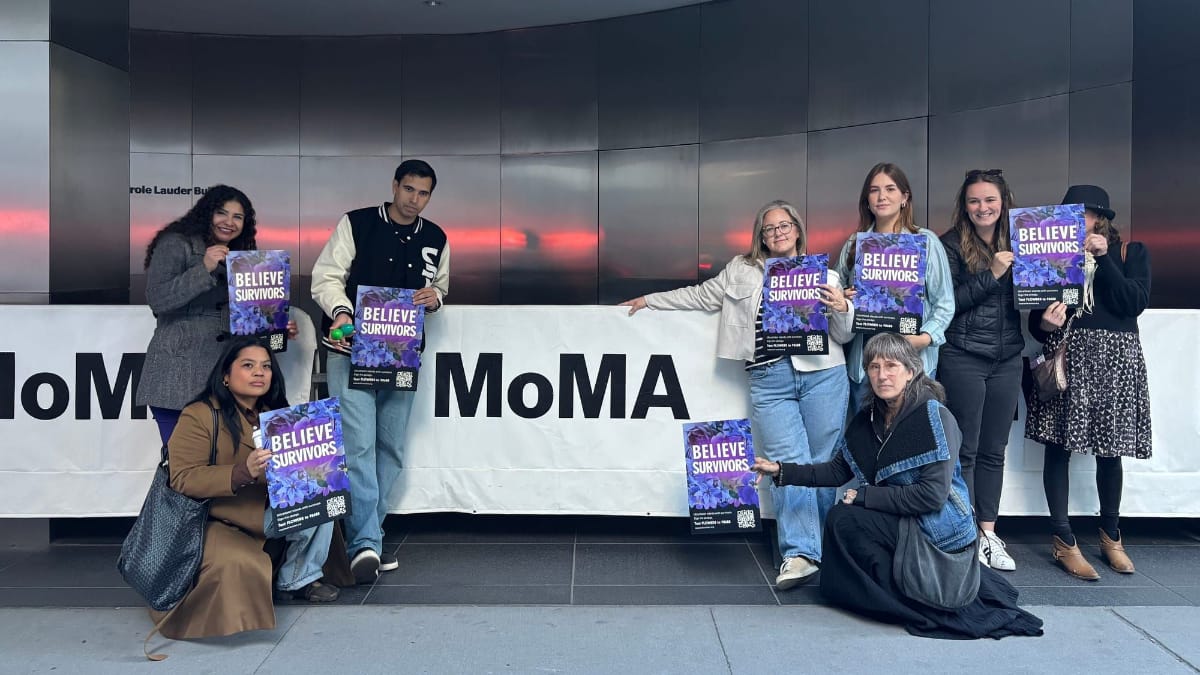
Activists, feminist campaign organizations, and Epstein survivors converged outside the Museum of Modern Art (MoMA) in New York City to protest the continued presence of billionaire financier Leon Black on the museum’s board of trustees. The demonstration highlights enduring anger over Black’s documented ties to the late convicted sex offender Jeffrey Epstein, as well as separate rape allegations that Black has consistently denied, though none have led to a criminal conviction.
The protest is part of a growing wave of institutional accountability movements sweeping the cultural sector, where art institutions face intense public scrutiny over their board members’ financial and personal histories. Alongside the MoMA protests, the art world is experiencing significant structural shifts, including the acquisition of the Independent Art Fair by the British conglomerate Informa and the unveiling of the artist roster for the highly anticipated 2027 New Museum Triennial.

Chronology of Events
- Pre-2026: Leon Black faces intense scrutiny regarding his financial advisory relationship with Jeffrey Epstein, leading to his eventual resignation as CEO of Apollo Global Management in 2021, though he retains his position on several cultural boards, including MoMA.
- October 6, 2026: Over two dozen protesters gather outside MoMA. The demonstration features a coalition of advocacy groups, including the feminist campaign We Are UltraViolet (via its Epstein Accountability Project), the research initiative Time & Memory Project, and the mobile Epstein-Trump Reading Room organized by the Institute for Primary Facts.
- Fall 2026 Art Market Shifts: British media and events conglomerate Informa—known for managing high-profile commercial events like international art fairs in Miami and the Monaco Yacht Show—acquires the Independent Art Fair, sparking industry conversations about commercial consolidation.
- Upcoming 2027 Preview: The New Museum announces its official lineup of 36 artists and collectives selected for the 2027 Triennial, positioning cutting-edge contemporary discourse at the forefront of the museum’s seasonal programming.
Supporting Data and Stakeholder Perspectives
The protest outside MoMA brought together diverse factions of civil society and survivor-advocacy groups determined to hold cultural institutions accountable for their leadership rosters.
- The Protester Coalitions: Organizations such as We Are UltraViolet argue that prestigious cultural institutions like MoMA act as reputation-laundering engines for wealthy donors and board members. By maintaining ties with figures implicated in sexual abuse scandals, museums risk validating behavior that fundamentally contradicts their public-facing educational and ethical missions.
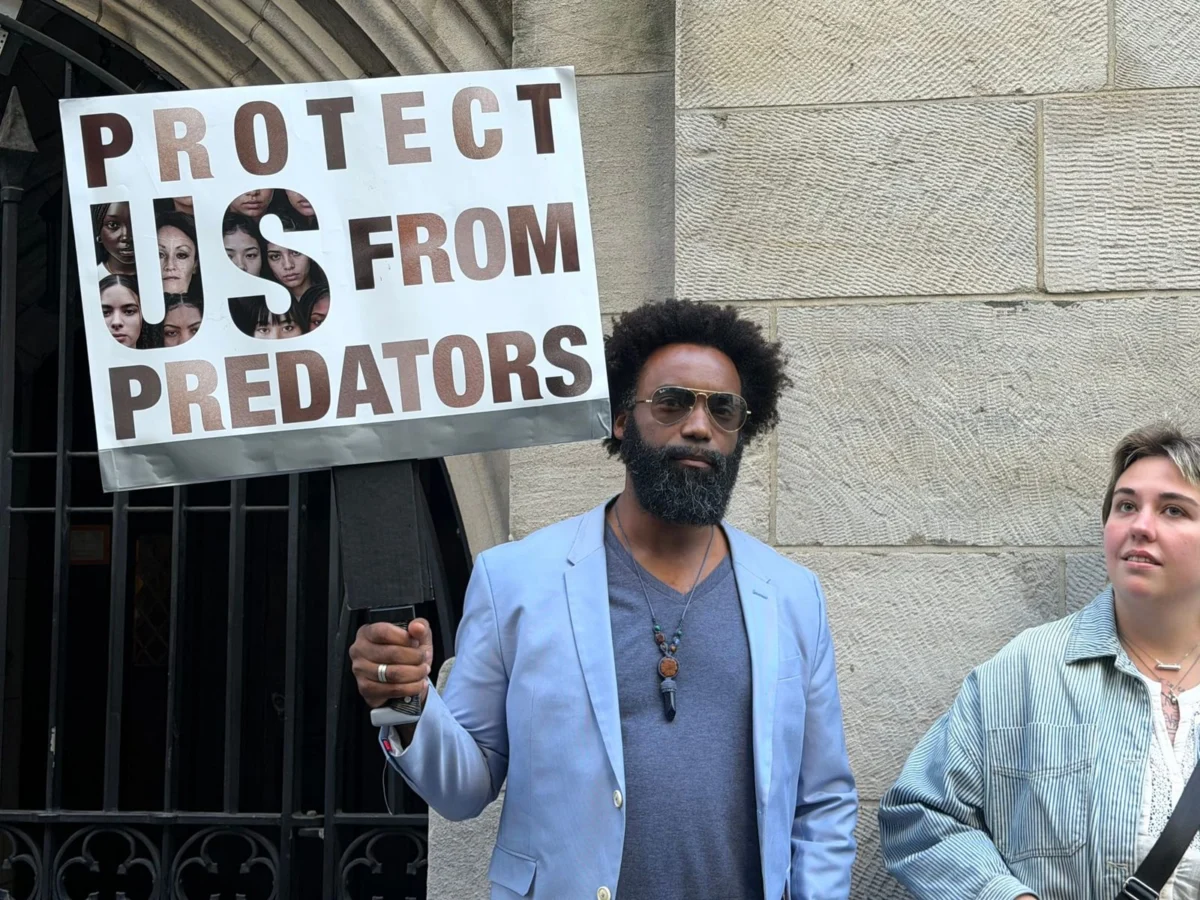
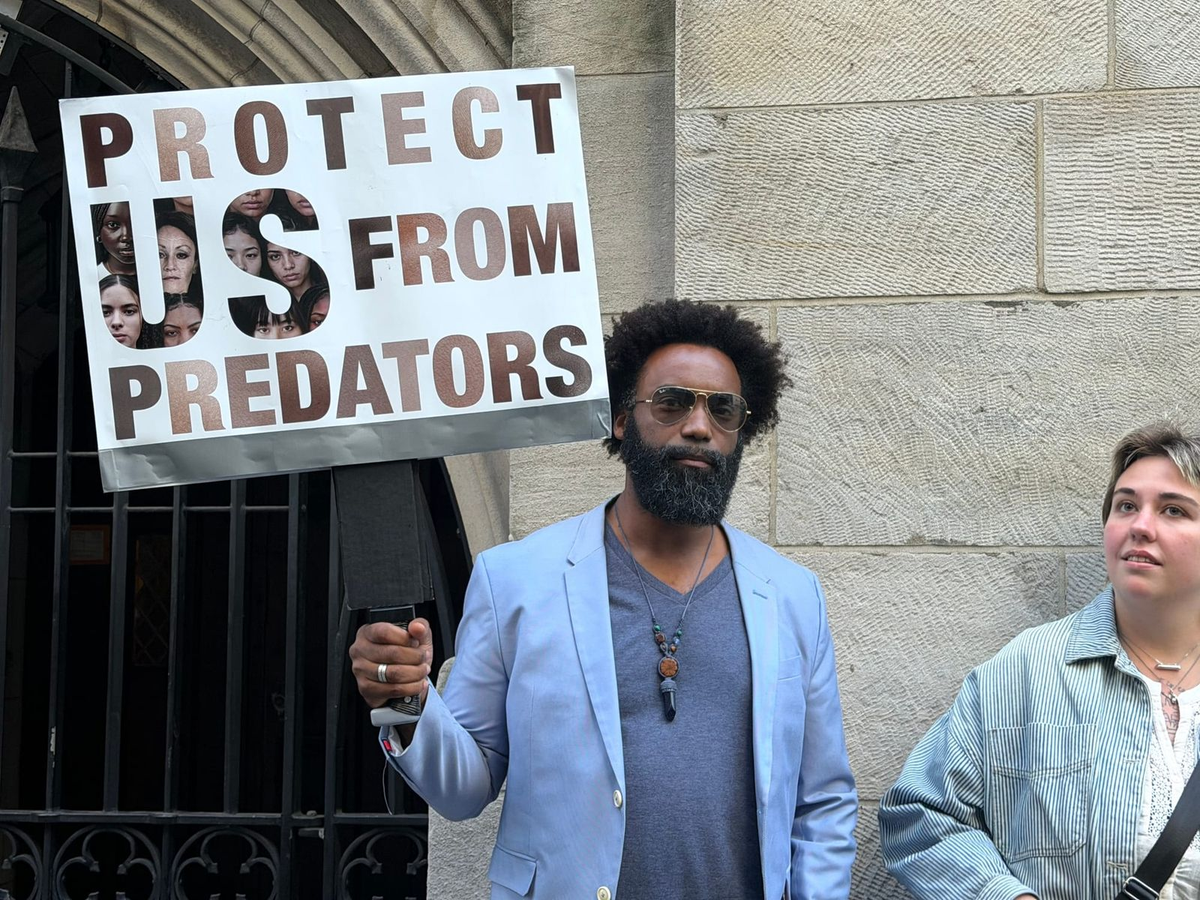
- Activist Installations: Demonstrators utilized creative public education tactics, deploying a roving Epstein files "bookmobile" and holding signs with slogans such as "Protect us from predators" and "Leon Black, You Can’t Hide." These visual strategies aimed to educate museumgoers and passersby about the specific nature of Black’s associations with Epstein.
- Commercial Consolidation in the Art Market: The acquisition of the Independent Art Fair by Informa marks another milestone in the corporatization of the art fair circuit. Critics and market analysts have noted the irony of an event named "Independent" falling under the umbrella of a massive multinational conglomerate that already operates luxury events, trade shows, and yacht exhibitions worldwide.
Official Responses and Institutional Silence
Despite escalating demonstrations and sustained public pressure from activist networks, leadership at the Museum of Modern Art has largely maintained a defensive silence.

- MoMA’s Position: Museum executives and board representatives have not issued formal public statements addressing the October 6 protest or the specific calls for Leon Black’s removal. Historically, elite cultural institutions have relied on quiet diplomacy, weathering short-term public relations storms rather than publicly ousting high-net-worth donors and board members who provide crucial financial backing.
- Trustee Influence: Board members like Leon Black often contribute substantial financial resources, endowments, and blue-chip artwork collections to institutions like MoMA. This dynamic creates a structural dependency that makes museums hesitant to cut ties, even when faced with severe ethical controversies and public backlash from artists, staff, and visitors.
Broader Implications for the Art World
The convergence of activism at MoMA and corporate restructuring across the commercial art market points to a profound tension defining the contemporary art ecosystem: the uneasy coexistence of high-minded cultural ideals with opaque wealth and corporate consolidation.
1. The Ethics of Institutional Philanthropy
The protests highlight a growing intolerance among the public, artists, and lower-tier staff regarding the sources of museum funding. Philanthropy-driven models are increasingly scrutinized for allowing individuals with controversial or legally dubious pasts to buy respectability and social capital through board seats. As grassroots coalitions like the Epstein Accountability Project continue to mobilize, museums will find it increasingly difficult to insulate their governance from public ethics.
2. Commercialization Versus Independence
The acquisition of the Independent Art Fair by Informa underscores a broader trend of corporate consolidation within the art market. Independent galleries and fair organizers face immense economic pressures, often making acquisition by global conglomerates a matter of financial survival. However, this shift raises questions about the future independence and experimental edge of art fairs that were originally founded to counter mega-fair hegemony.
3. Cultural Resilience and Counter-Narratives
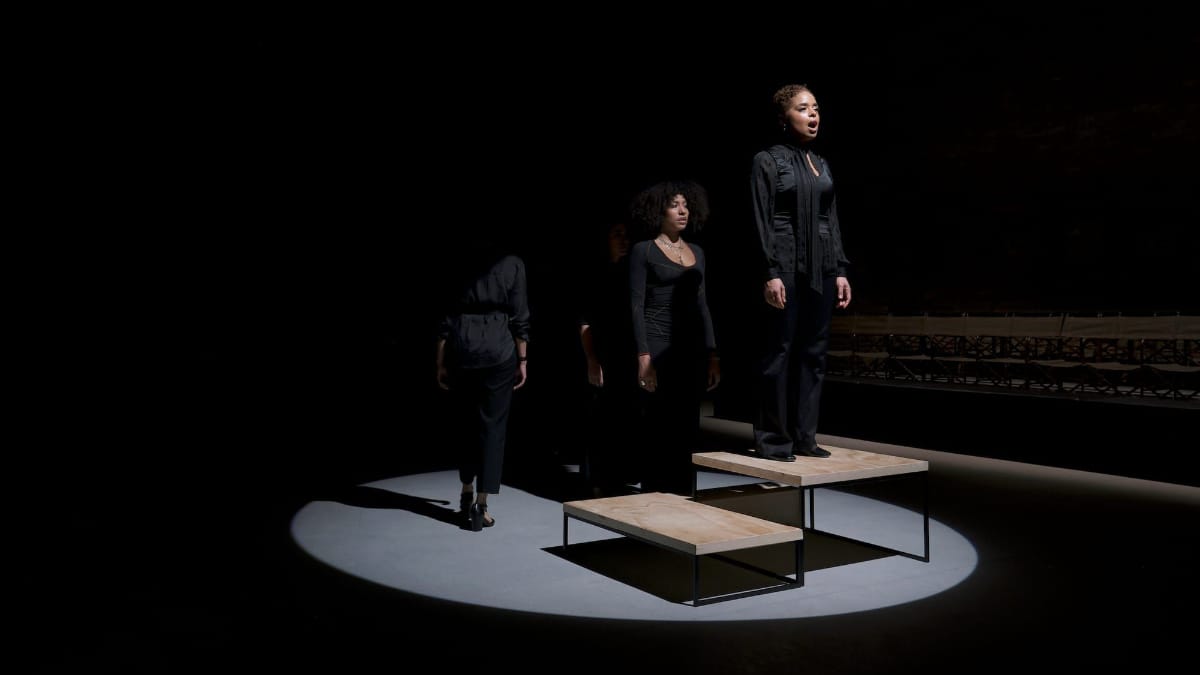
While institutional governance faces criticism, artists and curators continue to carve out spaces for liberation and alternative historical frameworks. Recent exhibitions, such as the expansive critical discourses surrounding Black visual culture—exemplified by initiatives exploring "thinking from Black" as a glossary of possibility—demonstrate that the cultural sector remains a vital site for resistance, redefining liberation on its own terms independently of corporate or institutional gatekeepers.
 Laily UPN
 Jia Lissa
 Lina Hope
