

By Anna Lee
Published September 11, 2026
Main Facts: The Launch of the BPL Craft Supply Library
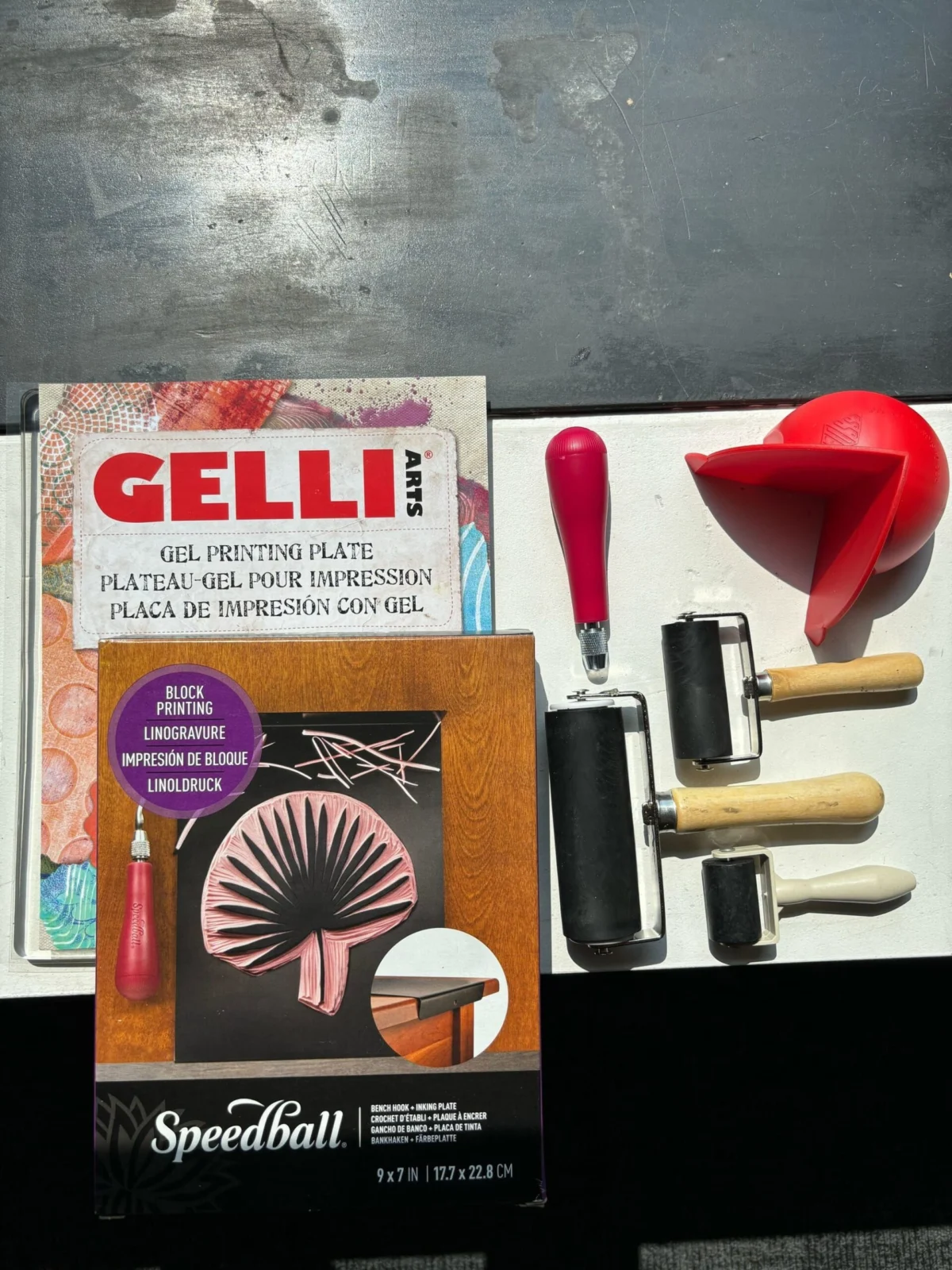
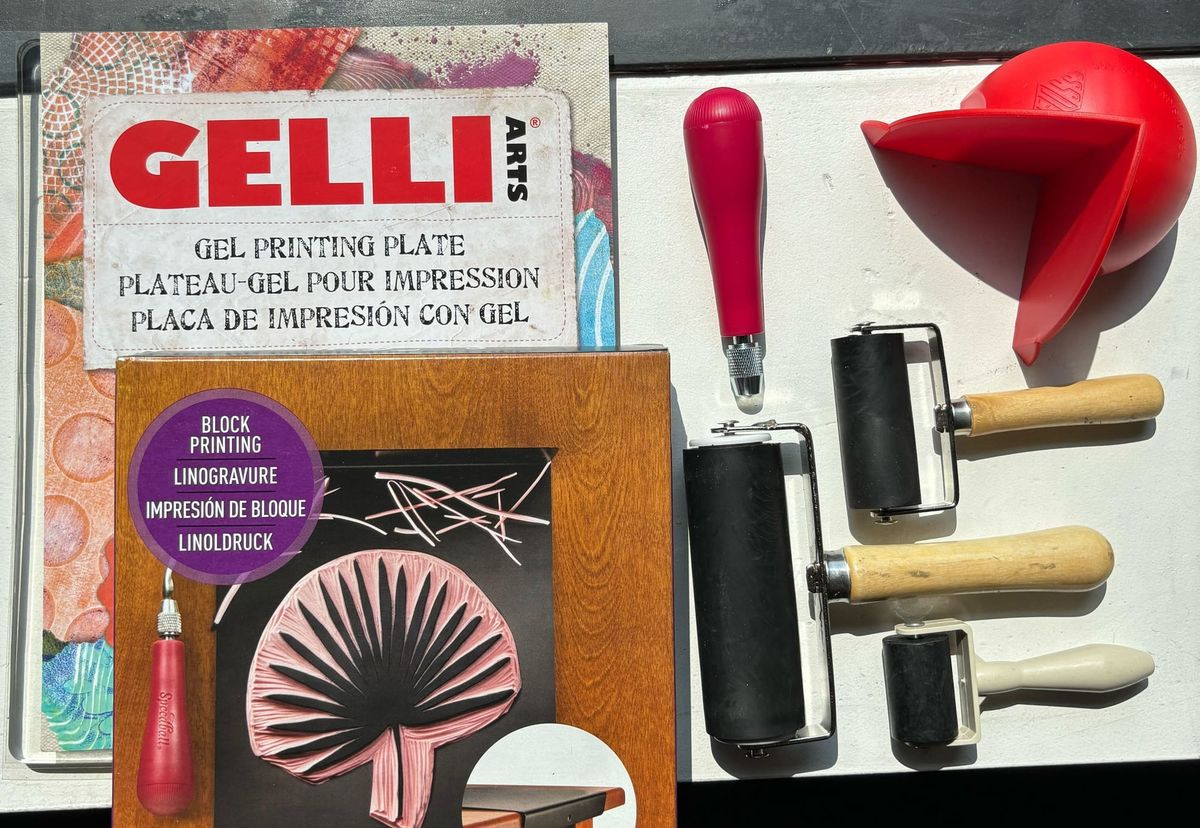
In an era defined by soaring inflation, constrained living spaces, and a renewed cultural hunger for tactile, hands-on hobbies, the Brooklyn Public Library (BPL) has unveiled an ambitious answer to the modern creative’s dilemma. On Wednesday, September 9, 2026, the institution officially launched its first-ever dedicated craft supply lending program. Patrons walking into the newly renovated Central Library at Grand Army Plaza are no longer limited to checking out bestsellers or academic journals; they can now choose from an initial catalog of 31 distinct creative items, ranging from precision woodworking apparatuses and linocut printmaking sets to thermal laminators, button makers, and professional-grade crochet hooks.
The program is broken down into two distinct borrowing tiers designed to accommodate varying project timelines:
- Craft Kits (such as linocut sets and woodworking toolboxes) can be checked out for a generous three-week period.
- Craft Tools (such as specialized machines and individual equipment) are available for a one-week loan.
Adult library cardholders are permitted to check out up to three craft kits and two craft tools simultaneously. Crucially, the entire service is entirely free of charge, effectively dismantling the financial gatekeeping that so often deters everyday people from exploring artisanal hobbies.
The crown jewel of the initial inventory is a fourth-edition Cricut Maker—a high-end, computerized cutting and engraving machine retail-valued at nearly $400. Capable of slicing through hundreds of materials from delicate fabric to balsa wood, the Cricut Maker is precisely the sort of expensive apparatus that would normally require a significant upfront investment, placing it out of reach for casual crafters or curious beginners. By integrating such high-ticket items into its lending pool, the BPL is democratizing access to professional-grade creative technology.
Chronology: From Concept to Ribbon-Cutting
The realization of the BPL Craft Supply Library is the result of a deliberate, months-long planning process spearheaded by library staff looking to bridge the gap between institutional resources and community needs.
- The Genesis: The project began when Jessica Harwick, a BPL librarian, sought a way to merge her personal passion for crafting with her professional career in public service. Recognizing that community members frequently expressed a desire to try new creative outlets—only to be scared off by the costs of starter kits—Harwick began formulating a specialized circulating collection.
- Model Adaptation: Rather than inventing a new administrative framework from scratch, Harwick adapted the library’s already successful “Library of Things” operational model. This pre-existing framework had proven that patrons could successfully and responsibly borrow non-traditional items, paving the way for specialized equipment integration.
- Infrastructure Alignment: The launch date was strategically coordinated to coincide with a major milestone in the Central Library’s physical evolution: the grand reopening and ribbon-cutting ceremony for its newly renovated second-floor Arts & Music space.
- The Debut (September 9, 2026): The Craft Supply Library officially opened its doors to the public, nestled inside the newly redesigned architectural wing crafted by Toshiko Mori Architects. Alongside the craft collection, the space debuted a dedicated teen center and the Eastern Parkway Collection Wing, creating an interconnected hub for artistic exploration.
Supporting Data: The Anatomy of Modern Library Lending
To understand the scale and ambition of the BPL’s new program, it helps to examine the broader operational ecosystem of the library’s alternative lending initiatives. The “Library of Things” has long transcended the traditional boundaries of paper media. Today, a Brooklyn Public Library card grants users access to an eclectic inventory that defies conventional expectations of what a library should hold.
Current and past non-traditional circulating items include:
- Musical Instruments: High-end gear, such as a Les Paul electric guitar, allowing aspiring musicians to test their aptitude before committing to purchasing an instrument.
- Auditory Media: A vast collection of physical vinyl records, including rare David Bowie pressings, feeding the resurgence of analog sound culture.
- Cultural Access Passes: Free admission vouchers to major local institutions, including the Brooklyn Botanic Garden, bridging the gap between library spaces and citywide cultural enrichment.
Sustainability and Community Contributions
As the BPL looks toward the future, it is actively seeking ways to scale the craft collection to meet anticipated high demand. However, managing a physical inventory of delicate tools requires strict curation guidelines. Library administrators have implemented a careful donation policy to ensure the collection remains high-quality and safe for public use:
- Accepted Items: Gently used tools and durable craft equipment are welcomed. Potential donors are asked to submit inquiries to a dedicated email address (
[email protected]), where staff review contributions on a case-by-case basis. - Excluded Items: To maintain sanitary standards and prevent clutter, the library explicitly does not accept consumable materials—such as leftover yarn, half-used tubes of paint, open bottles of glue, or loose paper goods.
This careful balance ensures that borrowers receive complete, functional, and professional kits every time they check out an item.
Official Responses: Voices Behind the Initiative
The initiative has already drawn praise from both library leadership and the creative community for addressing two of urban life’s most persistent pressures: financial strain and spatial limitations.
Jessica Harwick, the visionary BPL librarian behind the project, emphasized the psychological and financial barriers that the collection is designed to dismantle.
"Starting a new hobby or learning a new skill can mean a big investment in start-up tools or supplies, and often people don’t know if they’ll like the hobby," Harwick explained in an interview with Hyperallergic. "This collection will help remove that barrier so that more people can explore their creativity and try new things."
Fritzi Bodenheimer, a spokesperson for the Brooklyn Public Library, contextualized the program within the economic realities of living in New York City, where square footage comes at a premium and cost-of-living concerns weigh heavily on residents’ minds.

"All of us in New York are watching our budgets, and we have very limited storage," Bodenheimer told Hyperallergic. "You can take something out from the library without that financial investment. It’s really a part of a trend. A lot of people think a library is just books, but it’s a lot more. The craft library is another part of that series."
Implications: The Evolving Role of the 21st-Century Library
The launch of the BPL Craft Supply Library is far more than a localized quirk; it represents a profound philosophical shift in how civic institutions serve their populations in the 21st century. As digital automation, screen fatigue, and economic polarization alter modern life, public libraries are rapidly transforming into comprehensive community hubs focused on resilience, skill-sharing, and equity.
1. Combating Urban Isolation and Economic Disparity
In dense urban centers like New York, creative pursuits are frequently treated as luxury goods. High retail prices for specialty tools—compounded by the exorbitant cost of residential storage space—mean that lower- and middle-income residents are routinely priced out of artisanal hobbies like woodworking, printmaking, and advanced textile arts. By absorbing these capital costs, the library acts as an economic equalizer, ensuring that self-actualization and creative expression are fundamental human rights rather than privileges reserved for the affluent.
2. The Rise of the "Library of Things" Movement
Libraries across North America and Europe are increasingly moving away from the outdated model of the quiet, book-only archive. From seed libraries that help urban farmers cultivate local flora to tool-sharing sheds and digital media labs, modern libraries are redefining themselves as centers of action rather than mere repositories of storage. The BPL’s incorporation of craft kits aligns directly with this global movement, proving that physical public infrastructure remains uniquely positioned to foster community connectedness in an increasingly digital world.
3. Fostering Mental Health Through Tactile Creativity
In an era dominated by digital screens, continuous connectivity, and generalized anxiety, psychologists have increasingly championed tactile hobbies—knitting, carving, cutting, and building—as vital therapeutic outlets. Working with one’s hands stimulates cognitive function, lowers stress hormones, and produces a tangible sense of accomplishment that digital consumption cannot replicate. By making these tools effortlessly accessible, the BPL is directly contributing to the psychological well-being of its patrons.
Ultimately, the Brooklyn Public Library has proven that its mission extends far beyond loaning pages bound in cardboard. By opening its doors to linocut kits, Cricut machines, and button makers, the library reaffirms its status as a dynamic, responsive sanctuary for the human imagination—proving that when communities share their resources, everyone’s creative potential expands.
 Muslim
 Evan Lee Salim
 Jia Lissa
