

For many visitors, Vancouver is synonymous with the high-rise glass towers of the downtown peninsula, the lush greenery of Stanley Park, and the bustling tourist hubs of Coal Harbour and Gastown. However, as a lifelong resident, I have spent decades traversing the city’s vast, distinct neighborhoods that lie well beyond the typical hotel corridors.
While downtown offers undeniable convenience, true local immersion happens in the quieter, character-filled enclaves that define the city’s soul. By choosing to stay in a residential neighborhood—often through a curated Airbnb rental—travelers gain immediate access to the city’s authentic rhythm: the morning coffee rituals at local cafes, the community-focused parks, and the hidden culinary gems that rarely make it onto standard tourist maps.
The Case for Local Living: Why Neighborhoods Matter
The shift toward neighborhood-based travel is more than a trend; it is a way to bridge the gap between "tourist" and "resident." Staying in a neighborhood like Kitsilano or Commercial Drive provides a level of intimacy that a standard hotel room, no matter how luxurious, simply cannot replicate.
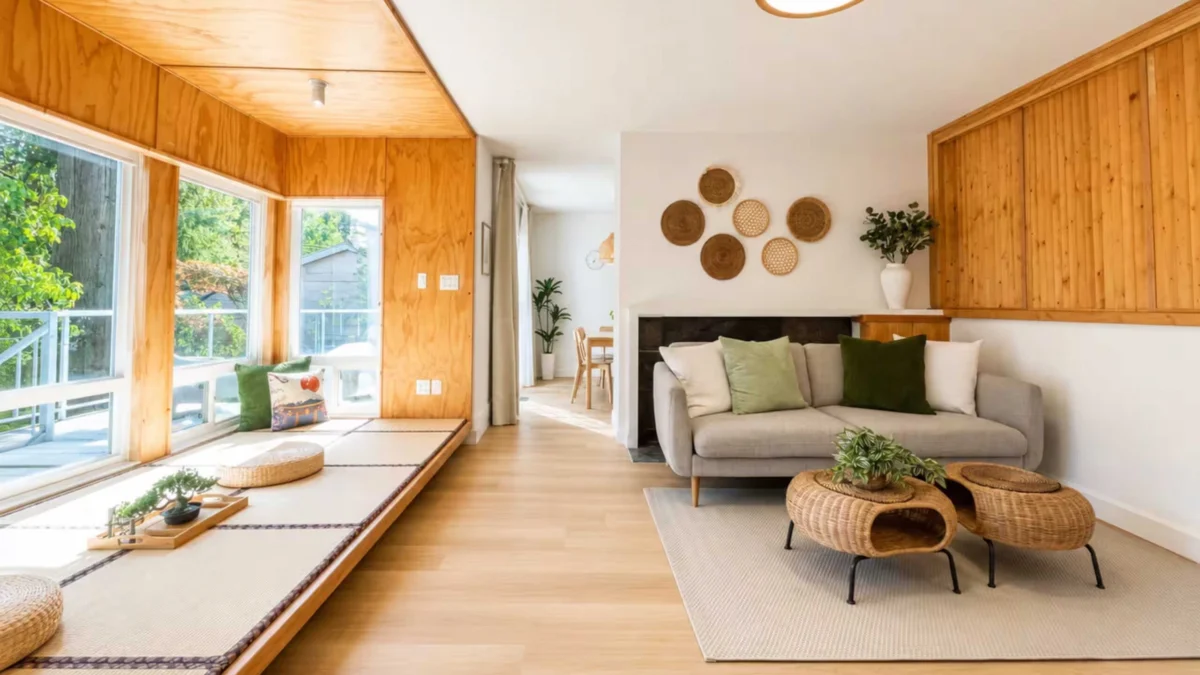
When you wake up in a leafy residential street in Shaughnessy or a light-filled suite steps from the sand in Kits Beach, your first experience of the day isn’t a bustling hotel lobby, but the morning mist over the North Shore mountains or the scent of blooming cherry blossoms on a quiet sidewalk. For those looking to connect with Vancouver’s exceptional food scene and its deeply ingrained outdoor culture, these residential pockets are where the city truly reveals itself.
Chronology of the Vancouver Tourism Evolution
Vancouver’s tourism landscape has undergone a significant transformation over the last two decades. Understanding this evolution helps explain why the "local neighborhood" stay has become the gold standard for the modern traveler.
- Pre-2010: Tourism was heavily concentrated in the downtown core, spurred by a wave of new hotel developments ahead of the 2010 Winter Olympics.
- 2010–2015: The "Olympics effect" put Vancouver on the global map as a primary destination for adventure and urban luxury, leading to an increased demand for boutique-style, non-hotel accommodations.
- 2016–2020: The rapid growth of short-term rental platforms shifted the market. Travelers began seeking "authentic" experiences, prioritizing local lifestyle over proximity to major transit hubs.
- 2021–Present: Post-pandemic, there has been a resurgence in "slow travel." Visitors are now staying longer, looking for home-like amenities—such as kitchens and private workspaces—that allow for extended stays in neighborhoods like Mount Pleasant or the West End.
Supporting Data: The Shift in Accommodations
According to recent travel data from regional tourism boards, there has been a measurable pivot in traveler preferences toward "neighborhood-specific" lodging.
- Length of Stay: The average length of stay for international visitors has increased by approximately 22% since 2019, with a high percentage of these travelers opting for non-hotel stays to facilitate longer, more flexible itineraries.
- Amenity Priorities: Current surveys indicate that 65% of travelers now rank "neighborhood atmosphere" and "access to local food markets" as higher priorities than proximity to traditional landmarks.
- Transit Connectivity: While visitors often fear that leaving the downtown core will hinder their mobility, Vancouver’s TransLink system remains one of the most efficient in North America. Over 80% of major residential neighborhoods are within a 10-minute walk of a bus or Skytrain station, making it remarkably easy to navigate without a personal vehicle.
Expert Perspectives: Why Local Stays Enhance the Visit
Local tourism experts and city planners emphasize that dispersing tourism throughout the city is essential for sustainable growth. By staying in neighborhoods rather than crowding the downtown core, visitors distribute their economic impact across smaller businesses, local cafes, and independent boutiques.
"When visitors step outside the hotel zone, they are directly supporting the families and businesses that give Vancouver its flavor," says one local industry analyst. "The impact of a visitor spending $50 at a neighborhood bakery on Commercial Drive is significantly more profound for the local economy than a similar expenditure within a large, multinational hotel chain."
The Implications of Choosing the Right Neighborhood
Choosing where to stay is, essentially, choosing the "lens" through which you view the city.
- For the Foodie: Mount Pleasant offers an unparalleled density of independent breweries and farm-to-table eateries.
- For the Beach-Goer: Kitsilano provides the quintessential West Coast lifestyle—yoga, paddleboarding, and sandy sunsets.
- For the History Buff: Gastown and Chinatown offer a deep dive into the city’s architectural roots and its ongoing cultural reconciliation efforts.
These choices have long-term implications for the city’s infrastructure and culture. Neighborhood-based tourism encourages a more respectful, low-impact form of travel. Visitors who live in residential areas tend to respect public spaces more, engage with the local community, and participate in the city’s outdoor lifestyle with a greater sense of stewardship.
FAQ: Navigating Your Vancouver Stay
What are the best neighborhoods to stay in?
While downtown is dynamic, the best choices depend on your pace. If you want chic nightlife, Yaletown is unmatched. If you want a taste of history, Gastown provides cobblestone streets and iconic landmarks. For a more relaxed, "local" feel, look toward the residential pockets of Kitsilano or Commercial Drive.
What’s the best way to get around?
Vancouver is a dream for multi-modal travelers. The city is highly walkable, but for longer distances, the Skytrain is the gold standard for speed. For those venturing to the North Shore or looking to explore the coastline, the Seabus offers a scenic, efficient route. If you plan to head to Vancouver Island for a day trip, remember to book your car rental well in advance, as supply can be limited during peak summer months.
How long should you visit?
Three days is the absolute minimum, but five to seven days is ideal. Use the first few days to tackle the "must-sees"—Stanley Park, the Capilano Suspension Bridge, and the museums. Dedicate the remainder of your trip to "living like a local": visit a neighborhood farmers’ market, hike a trail in the North Shore mountains, or simply spend an afternoon watching the world go by at a beachside cafe.
How do I ensure I pick a good rental?
When booking an Airbnb or short-term rental, prioritize "Superhost" or "Guest Favorite" designations. These status markers are vetted based on consistent guest reviews, reliability, and cleanliness. Always check the distance to the nearest transit stop to ensure you aren’t sacrificing convenience for charm.
This guide serves as a starting point for your next visit. By venturing beyond the high-rises and exploring the residential heart of Vancouver, you aren’t just visiting a city—you are experiencing the vibrant, layered community that we locals are proud to call home.
 Evan Lee Salim
 Nana Muazin
 Sagoh
Sagoh
