

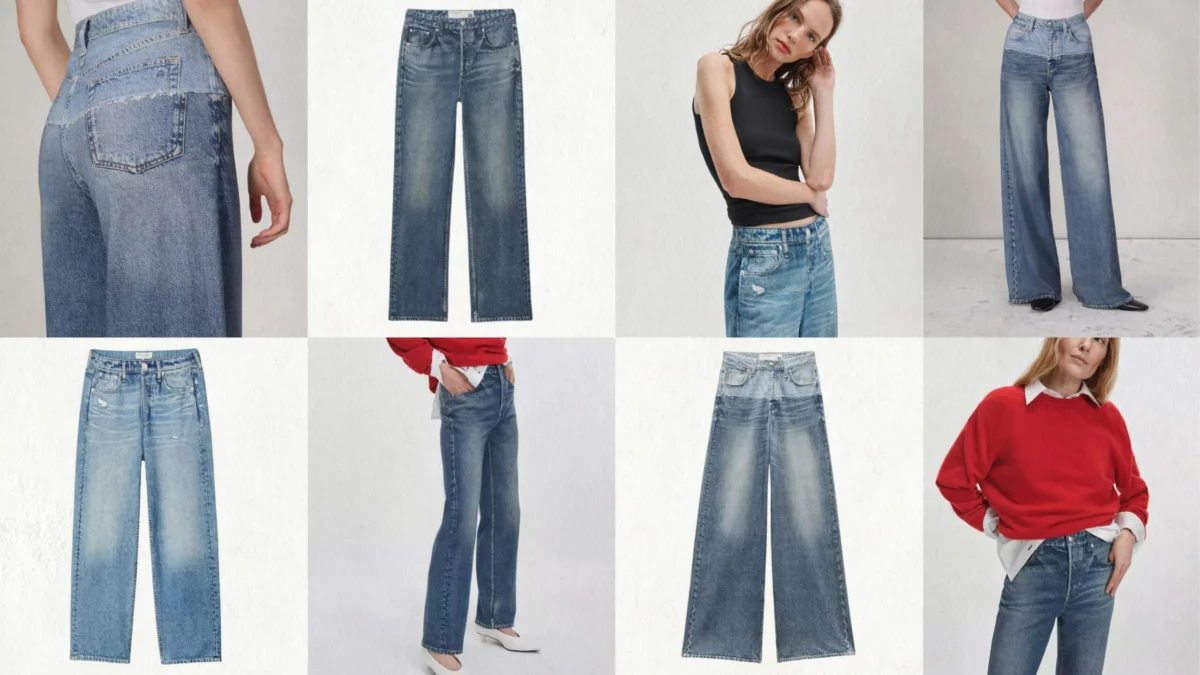
For the modern traveler, the eternal sartorial struggle remains the same: the delicate balance between looking put-together upon arrival and surviving the grueling reality of a long-haul flight. For years, the consensus was to prioritize comfort at the expense of aesthetics, leading to a sea of oversized hoodies, leggings, and, for the bold, full-blown pajamas. However, a recent shift in travel fashion has seen the rise of a new category of hybrid apparel. At the forefront of this movement is the Rag & Bone "rb Miramar" collection—a line of sweatpant jeans that have officially disrupted the airport style paradigm.
The Main Facts: Defining the Hybrid Trend
The fundamental premise of the "sweatpant jean" is simple yet revolutionary: it is a garment crafted from 100% cotton, possessing the soft, breathable, and flexible characteristics of loungewear, while utilizing high-definition printing technology to mimic the appearance of structured denim.
Unlike traditional denim, which often restricts movement and causes discomfort after several hours in a pressurized cabin, these pants offer the structural integrity of a five-pocket jean. They feature authentic hardware—zippers, buttons, and functional belt loops—and are meticulously designed with front and back pockets that provide the visual silhouette of a classic denim pant.
For the frequent flyer, this represents a significant upgrade. The wearer no longer needs to choose between the polished look required for a business class lounge or a five-star hotel check-in and the necessity of feeling relaxed during a ten-hour flight. These pants bridge that gap, offering a "smart-casual" aesthetic that transitions seamlessly from the tarmac to the city streets.
A Chronological Evolution of the Airport Uniform
The evolution of the airport outfit has undergone distinct phases. In the golden age of air travel, passengers dressed in formal attire, viewing the flight as an event. As aviation became more accessible, the trend shifted toward extreme casualization.
The current "hybrid" era, exemplified by the rise of the rb Miramar collection, began as a response to the "bleisure" (business-leisure) lifestyle. Travelers began demanding clothing that could perform multiple functions. The pivot point occurred when social media and travel influencers began showcasing these pieces during transit.
The narrative began with simple observation: travelers noticing fellow passengers who looked remarkably chic yet clearly comfortable. This led to a wave of "trial-and-review" cycles, where travel editors and fashion enthusiasts began documenting their experiences on long-haul flights. The transition from "denim as a travel necessity" to "denim as a comfort compromise" finally reached a breaking point, resulting in the adoption of these printed cotton alternatives.

Supporting Data and User Experience
In analyzing the efficacy of these garments for travel, several factors emerge as critical to the user experience.
1. The Comfort-to-Style Ratio
The 100% cotton construction allows for superior breathability compared to synthetic leggings or polyester-blend joggers. The medium-weight fabric is versatile enough for diverse climates, whether one is departing from a chilly northern hub or landing in a humid Mediterranean destination.
2. The Functional Illusion
The inclusion of real buttons, zippers, and pockets serves more than a stylistic purpose. The presence of functional pockets allows for the storage of travel essentials—passports, boarding passes, or mobile phones—which is often a point of frustration with traditional leggings.
3. Sizing and Proportional Challenges
Data gathered from users, including those standing 5’4” and below, indicates a recurring issue with length. While the brand offers both "ankle" and "regular" cuts, the sizing tends to run large.
- The Ankle Cut: Targeted at individuals 5’4" and under, these still frequently require additional tailoring or the use of platform footwear to prevent dragging.
- The Regular Cut: Designed for those 5’5" and above, these are notably long, often proving unwearable for those under 5’9" without professional hemming.
The disparity in inventory is also notable; the "regular" length category boasts a significantly higher number of colorways and styles, which suggests that the collection is still heavily skewed toward a taller demographic, potentially alienating a portion of the market that demands the same variety in the "ankle" cut.
Official Perspectives on the "Sweatpant" Movement
While Rag & Bone has not issued a formal "manifesto" on the trend, their commitment to the collection’s expansion signals a clear industry recognition of the demand for versatile, high-comfort luxury wear. By offering different silhouettes—from the relaxed straight-leg "Shea" to the more bohemian "Sofie" wide-leg and the traditional pull-on "Miramar" ankle pant—the brand is catering to a wide spectrum of personal styles.
Market analysts note that this shift reflects a broader trend in the textile industry: the "softening" of professional and casual wear. As consumers continue to reject the discomfort of rigid fabrics, brands that can master the art of "trompe-l’œil" (optical illusion) clothing—making one material look like another—are capturing significant market share.

Implications for Future Travel Fashion
The rise of the sweatpant jean has profound implications for how we pack and how we view travel fashion.
The Death of the "Change of Clothes"
For many, the necessity of changing into comfortable clothes after landing is now mitigated. The traveler can depart in these pants, navigate the airport, board the plane, and head straight to a business meeting or a lunch reservation without the need for a wardrobe change. This reduces the weight of carry-on luggage, a critical benefit in an era of strict baggage allowances.
The Rise of the "Capsule" Wardrobe
The versatility of these pants encourages the adoption of a capsule wardrobe. Because they can be dressed up with a blazer or down with a casual tee, they serve as a cornerstone item for short-term trips. One pair of these pants can effectively replace two pairs of trousers, streamlining the packing process.
Future Considerations for Design
The ongoing feedback regarding length and sizing indicates that there is still room for optimization. Future design iterations may need to address the "one size fits all" ambition that often fails to account for the diversity of human anatomy. As the trend matures, we can expect to see more inclusive sizing, perhaps even the introduction of "petite" and "tall" specific inseams to reduce the reliance on external tailoring.
Conclusion
The "sweatpant jean" is not merely a passing fad; it is a logical response to the demands of modern global mobility. By successfully marrying the structural appeal of classic denim with the unadulterated comfort of cotton jersey, brands have effectively solved the most common complaint of the modern traveler.
While issues regarding sizing and hem length remain a hurdle for some, the overall consensus is clear: the age of sacrificing comfort for the sake of the "airport fit" is coming to an end. Whether you opt for the structured appeal of the Shea straight-leg or the breezy, casual vibe of the wide-leg ankle pant, the future of air travel fashion is undeniably soft, stretchy, and deceptively stylish. As we look toward the next generation of travel wear, the focus will undoubtedly remain on this intersection of utility and elegance, ensuring that no matter how long the flight, we arrive feeling as good as we look.
 Asro
Asro
 Siti Muinah
