

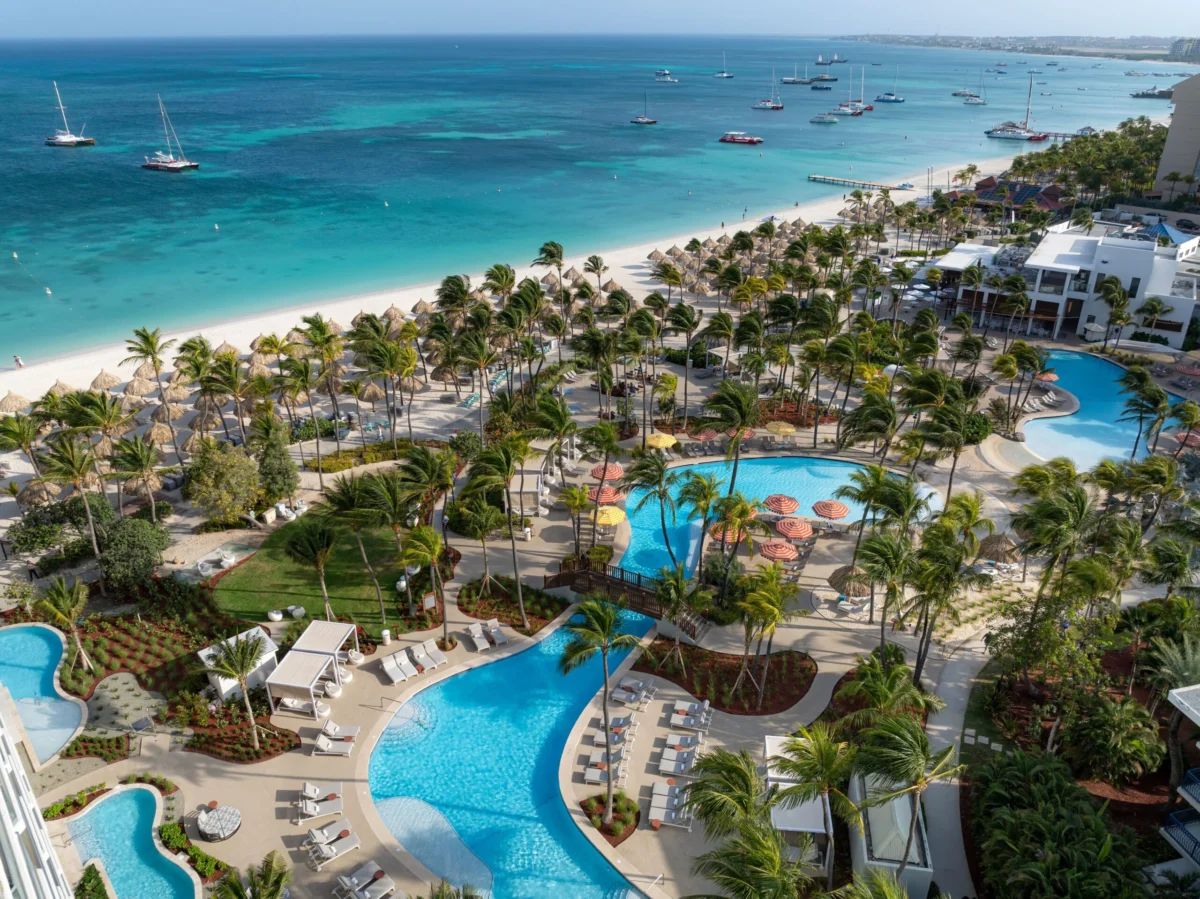
Aruba is more than just a destination; it is an enduring sensation. For the traveler, it is a place that lingers in the memory long after the sand has been shaken from one’s luggage. Defined by its iconic white-sand beaches, electric aquamarine waters, and a perennial trade-wind breeze that keeps the tropical heat in perfect check, Aruba occupies a unique position in the Caribbean. Situated safely outside the Atlantic hurricane belt, the "One Happy Island" has long been a sanctuary for those seeking reliability in their vacation planning.
Yet, to categorize Aruba solely as a beach destination is to overlook its depth. Its culinary landscape is a sophisticated tapestry woven from Dutch, Caribbean, and Latin American influences, while its topography offers a surprising contrast to the coastline. Nearly 20 percent of the island is preserved within Arikok National Park—a rugged, cactus-studded wilderness of limestone caves and hidden natural pools that feels worlds away from the manicured resort strips of Oranjestad and Palm Beach. Whether you are seeking a fleeting three-day escape or a multi-week immersion, the island possesses a rare duality: it is small enough to master in a weekend, yet vast enough in spirit to warrant a lifetime of return visits.
The Chronology of an Island: From Toddlerhood to Trendsetter
My personal connection to Aruba is a longitudinal study of the island’s evolution. I first set foot on its shores as a toddler, and in the decades since, I have returned with the cyclical consistency of the tide. I have watched the skyline transform from a collection of quaint, low-rise beach houses into a sophisticated hub of international luxury and modern hospitality.
In the early years, the experience was defined by a simpler, localized charm. The "low-rise" hotels—stretching along the serene waters of Eagle Beach—were the heart of the island’s tourism. Over time, however, the "high-rise" district of Palm Beach grew into a vibrant, neon-lit corridor of high-end shopping, gaming, and nightlife. This transition did not happen overnight; it was a deliberate, steady expansion that mirrored the global shift in travel preferences. As the island matured, so did its accommodations, moving from basic beachfront lodging to ultra-modern, eco-conscious, and design-forward resorts that cater to a global elite.
Supporting Data: Why Aruba Commands Global Loyalty
The numbers reinforce what the heart feels. Aruba consistently ranks among the most visited destinations in the Southern Caribbean. According to the Aruba Tourism Authority (ATA), the island sees a high rate of repeat visitation, often exceeding 60 percent. This statistic is an anomaly in global tourism, where travelers are frequently chasing the "next big thing."
Key Demographic Drivers:
- Climate Stability: With an average temperature of 82°F (28°C) and a location south of the hurricane belt, Aruba minimizes the "travel risk" associated with Caribbean vacations.
- Culinary Diversity: The island’s status as a Dutch Caribbean territory allows for a unique fusion of flavors. Traditional keshi yena (stuffed cheese) sits comfortably on menus alongside high-end, chef-driven fusion cuisine.
- Infrastructure: The island boasts some of the highest-rated infrastructure in the region, including water desalination plants that provide some of the purest drinking water in the world and a healthcare system that exceeds international standards.
The Hospitality Spectrum: A Deep Dive into Accommodations
The modern Aruban hotel scene is not a monolith; it is a curated spectrum. Decades of observing these properties has allowed me to categorize them into distinct archetypes.
The Low-Rise Sanctuary
These properties, primarily located on Eagle Beach, offer a sense of intimacy and seclusion. They are the descendants of the original Aruban hospitality model, emphasizing space, silence, and direct access to the sea. They are ideal for travelers who view a vacation as an act of decompression rather than a social event.
The Palm Beach High-Rise
Here, the energy is palpable. These resorts cater to the traveler who wants the world at their fingertips: casinos, infinity pools, world-class spas, and proximity to the vibrant dining scene of Noord. These properties are the pulse of the island’s economic engine.
The All-Inclusive Evolution
Once considered the "budget" option, the all-inclusive model in Aruba has undergone a metamorphosis. Today, it represents a "worry-free" luxury. Guests are no longer trading quality for convenience; they are paying for a seamless experience where every whim—from gourmet dining to sunset yoga—is curated under a single roof.
Official Perspectives: The Sustainability Mandate
The government of Aruba, in conjunction with the ATA, has recently shifted its focus from volume-based tourism to "value-based" sustainability. In a series of official statements, the Aruban authorities have emphasized that the island’s future depends on the preservation of its natural resources.
"Our goal is not just to welcome more visitors, but to welcome guests who align with our values of conservation and respect for our local ecosystem," says a representative from the Ministry of Tourism. This shift is visible in the strict building codes now applied to new developments, which prioritize energy efficiency, water conservation, and the protection of the Arikok National Park corridors. The implication for the future traveler is clear: the island is becoming more exclusive, more eco-conscious, and more protective of the very beauty that draws people to its shores.
The Implications: Choosing Your Aruban Experience
Choosing the right hotel in Aruba is no longer a matter of price; it is a matter of lifestyle. If you are an adventurer, the proximity to the rugged east coast and the proximity to the hiking trails of the national park should dictate your stay. If you are a digital nomad or a leisure traveler, the amenities of the high-rise district offer the connectivity and convenience required for a modern lifestyle.
How to Evaluate Your Stay:
- The Proximity Factor: Are you looking for the constant activity of a resort, or the quiet solitude of a boutique villa?
- The Culinary Intent: Are you seeking a resort with five on-site dining options, or do you prefer to venture into Oranjestad to experience the local, off-the-beaten-path krioyo food?
- The Activity Level: Does your ideal day involve a personal trainer and a sunset yoga session, or a rental car and a map of the limestone caves?
Conclusion: A Living Legacy
Aruba’s success lies in its ability to be many things to many people. It has successfully navigated the transition from a sleepy Caribbean outpost to a sophisticated, world-class destination without losing the warmth that made it famous. As I reflect on my years of visiting—from my first hesitant steps in the sand to my current appreciation for the nuances of its hospitality—I am struck by the island’s consistency.
It remains a place of deep blue water and constant wind, a place where the infrastructure is modern, but the pace is ancient. Whether you choose to spend your days in the high-octane luxury of a beachside resort or the quiet, windswept trails of Arikok, you are participating in a long tradition of Aruban hospitality.
The island is waiting, not just to be seen, but to be felt. It is a destination that demands you slow down, breathe the trade winds, and understand that in Aruba, the best way to spend your time is simply to be present. As the sun dips below the horizon, painting the sky in shades of violet and gold, you will realize why, for so many of us, this island is not just a destination—it is a second home.
 Sagoh
Sagoh
 Asro
Asro
