

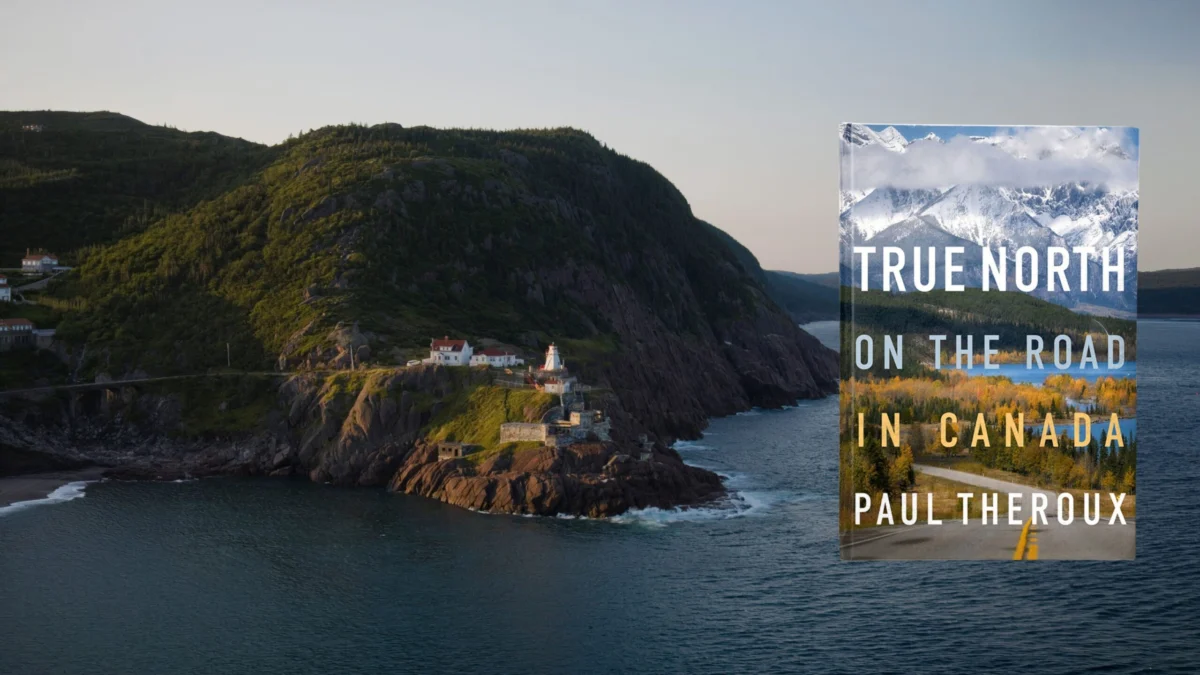
For travelers seeking the quintessential Canadian experience, the journey to Newfoundland is less of a commute and more of an odyssey. It is a passage defined by the vast, churning waters of the Cabot Strait, the towering steel of the Ala’suinu—the Mi’kmaw word for "Traveler"—and a sense of isolation that feels increasingly rare in the modern age. As the ten-deck-high ferry navigates the 110-mile crossing between North Sydney, Nova Scotia, and Port-aux-Basques, Newfoundland, passengers are not merely moving between two provinces; they are traversing a threshold into a landscape shaped by ancient glaciers and defined by a rugged, independent spirit.
The Geography of an Island Outpost
Newfoundland, on a map, appears as a sprawling, asymmetrical entity, carved by the relentless Atlantic and the historic grinding of tectonic forces. It is an island of granite faces, defined by glacial striations, deep-cut fjords, and bays that reach inward like fingers. To the traveler, this land is synonymous with the folkloric and the eccentric—a place where ghosts are as much a part of the local history as the thriving fishing industry or the thousand-year-old Viking remnants at L’Anse aux Meadows.
However, despite its proximity, the island remains a mystery to many mainland Canadians. In conversations across New Brunswick and Nova Scotia, the mention of a trip to "The Rock" is frequently met with a blank stare. "Never," is the common refrain, often followed by a glowing, detailed account of the same individual’s frequent trips to the sun-drenched coasts of Florida. This dichotomy highlights a shift in modern Canadian travel culture: the preference for the predictable warmth of the south over the raw, untamed, and occasionally arduous journey into the North Atlantic.
Chronology of a Midnight Crossing
The logistics of the crossing are a study in endurance. The departure from North Sydney is a process of waiting—a test of patience that stands in stark contrast to the typical streamlined nature of Canadian transit.
The Staging Ground
Arrival at the port in North Sydney involves navigating the clammy backstreets of a town defined by its industrial grit. Scruffy bars and weathered storefronts line the approach to the Marine Atlantic terminal. For a traveler, this is a rare instance where the "tedium of travel"—a concept usually reserved for bureaucracy-heavy international border crossings—comes into play. Yet, even here, the Canadian character prevails. There are no armed guards, no corrupt officials demanding bribes, and no sense of menace. It is a traveler’s dream of security, even if the process is slow.
With a six-hour window before the 11:15 p.m. departure, the local Tim Hortons becomes the de facto waiting room. It is a quintessential Canadian tableau: yawning idlers, tired commuters, and travelers nursing lukewarm coffee while waiting for the call to the terminal. By 9:00 p.m., the efficiency of the ferry service takes over. Vehicles are lined up with military precision, eventually crawling up the ramps into the cavernous, humid belly of the Ala’suinu.
The Voyage
The crossing itself is an atmospheric experience. Without the option for cabins on the night voyage, passengers settle into reclining seats in a common saloon. As the ferry slips into the darkness, the ship’s running lights provide the only illumination against a sky obscured by dense, heavy clouds. The scene inside the cabin is a microcosm of Newfoundland life: families, students, and rugged workmen huddle together. The air is thick with the distinct, human scents of travel—a mixture of wool, damp earth, and the faint, unavoidable odor of tired feet.
The ship hums with the vibration of engines, a steady pulse that carries the vessel across the gaping estuary of the Saint Lawrence. To the passengers, it is not a vacation; it is a routine. These are the farmers, the nurses, the truckers, and the students returning home. They wait with a stoic patience that seems inherent to those who live at the edge of the continent.
Supporting Data: The Marine Atlantic Lifeline
The Marine Atlantic service is not a luxury cruise; it is an essential lifeline. The 110-mile route serves as the primary artery for goods and people moving to and from Newfoundland.
- Vessel Specifications: The Ala’suinu is a massive, ten-deck vessel designed to withstand the volatile weather of the Cabot Strait, where wind speeds and wave heights can fluctuate rapidly.
- Passenger Demographics: Data from terminal observations suggest a high density of industrial travelers. Unlike the tourist-heavy ferries of the Mediterranean or the Caribbean, the Marine Atlantic crossing is dominated by heavy logistics—big-rig trucks carrying freight, construction equipment, and the steady movement of the province’s workforce.
- Operational Frequency: The ferry operates on a strictly scheduled basis, often dictated by the harsh weather patterns of the North Atlantic, necessitating a high degree of operational flexibility and communication between the mainland and the island.
Official Perspectives: The Role of the Crossing
According to Marine Atlantic officials, the service is a vital component of the Canadian Confederation. Since Newfoundland joined the union in 1949, the ferry service has been mandated to provide "continuous" transportation services.
"We are not just moving passengers; we are moving the economy of an island," says a representative from the Marine Atlantic administration. "The challenge is that the environment in the Cabot Strait is one of the most demanding maritime routes in North America. When we face heavy winds and the dark, cold seas, we rely on the patience and understanding of the passengers. It is a service built on necessity, not leisure."
The government’s investment in newer, more efficient vessels like the Ala’suinu reflects a commitment to modernization, though the fundamental experience of the crossing remains tethered to the rugged nature of the landscape it serves.
The Implications of the "Hard" Journey
The relative difficulty of the trip to Newfoundland has profound implications for the island’s development. Because the journey is "labour-intensive," it acts as a natural filter. It discourages the casual, "fly-in" tourist who seeks the convenience of a resort, but it rewards those who possess the grit to commit to the voyage.
Cultural Preservation
This isolation has arguably helped preserve Newfoundland’s unique cultural identity. The eccentricity, the folktales, and the specific dialect of the region remain untainted by the rapid-fire tourism that often dilutes the character of more accessible destinations. The "bleakness" of the port is merely the curtain that protects the treasure behind it.
The Future of Maritime Travel
As infrastructure continues to evolve, the question remains whether the "tedium" of the crossing will be further minimized. While high-speed options are often discussed, the geography of the Cabot Strait makes true acceleration difficult. For now, the crossing remains a rite of passage. Those who endure the eight-hour night voyage emerge in Port-aux-Basques not just as tourists, but as participants in a long-standing tradition of North Atlantic seafaring.
In conclusion, the journey to Newfoundland is a reminder that some of the most compelling travel experiences are found in the transition itself. As the ferry docks in the gray, early morning light and the ramp lowers onto the soil of Newfoundland, the traveler is greeted by a breakfast in Port-aux-Basques that tastes like victory. It is a small reward for a journey that requires patience, respect for the elements, and a willingness to step outside the comfort zones of modern, sanitized travel.
 Evan Lee Salim
 Nana Muazin
 Sagoh
Sagoh
