

In the high-stakes ecosystem of contemporary watch collecting, a fascinating paradox persists. Never before has horology enjoyed such mainstream cultural cachet, fueled by dizzying secondary market valuations, social media amplification, and multi-million-dollar auction results. Yet, this hyper-financialized obsession with resale value, waiting lists, and hype has simultaneously narrowed the collector’s gaze. Today, if a brand does not command immediate, speculative profit on the secondary market, it risks being cast aside as a disappointment—regardless of its mechanical pedigree, historical significance, or aesthetic brilliance.
To challenge this prevailing narrative, a recent installment of Robb Report’s insider newsletter, In the Loupe, posed a deceptively simple question to a curated panel of top-tier collectors, industry founders, and market historians: What is your favorite underrated watch brand (modern or vintage), and why does it deserve greater appreciation?
The resulting dialogue pulled back the curtain on a deeply nuanced segment of the horological world. From avant-garde independent watchmakers quietly crafting masterpieces in Swiss ateliers to forgotten vintage archives brimming with mid-century bold design, the panel’s responses illustrate that recognition is a remarkably fluid concept. Far from validating the mainstream echo chamber, these experts make a compelling case for looking past the horizon of standard industry hype.
Main Facts: Redefining Value Beyond the Secondary Market
The core revelation of the expert inquiry is that traditional metrics of watch evaluation—specifically, secondary market liquidity and viral social media popularity—are increasingly disconnected from true artistic and technical merit.
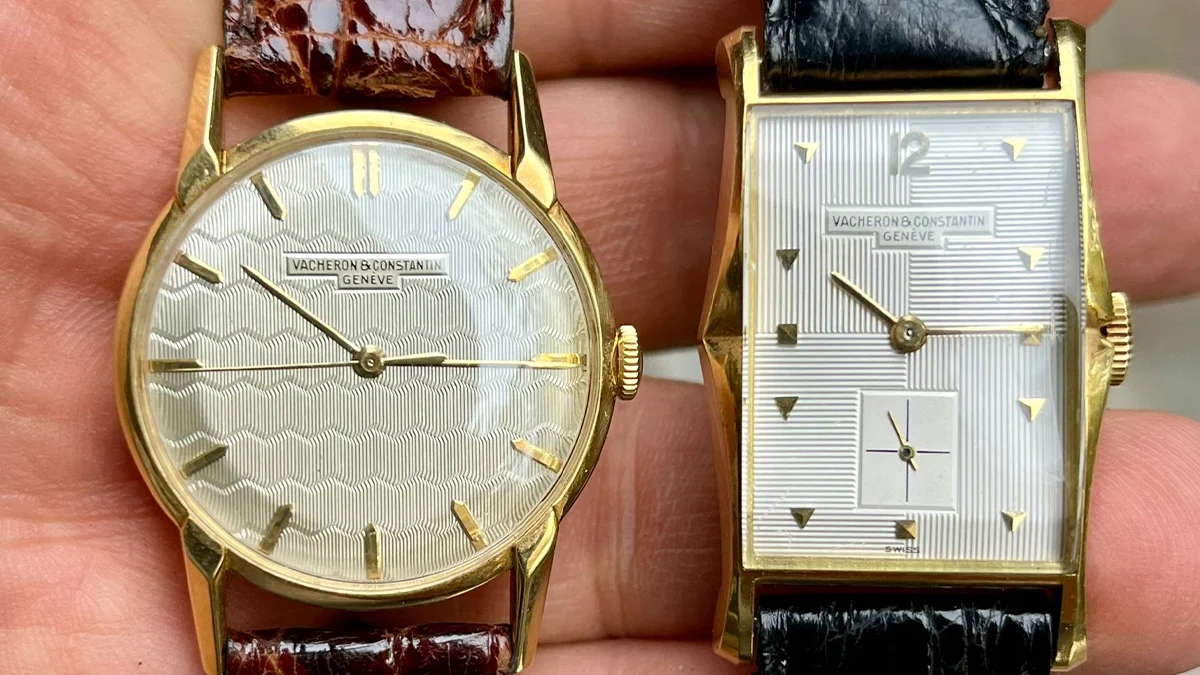
- The "Holy Trinity" Blindspot: Even legendary legacy institutions within horology’s elite tiers suffer from gaps in market appreciation. For instance, while brands like Vacheron Constantin are universally respected as members of the historic "holy trinity" alongside Audemars Piguet and Patek Philippe, specific historical eras within their catalogs remain severely undervalued by contemporary collectors.
- The Rise of the Independent Connoisseur: Modern collectors are increasingly bypassing traditional marketing behemoths in favor of independent watchmakers—such as Laurent Ferrier, Marco Tedeschi, and Nicolas Delaloye—who prioritize uncompromising hand-finishing, technical innovation, and low-volume exclusivity over mass-market scalability.
- The Vintage Archives Renaissance: Mid-century and 1970s archives from houses not traditionally viewed as "hardcore" watchmakers (such as Chopard and Bueche Girod) are being reappraised by fashion-forward collectors for their sculptural gold work, hard stone dials, and daring, uncompromised geometry.
- The Hype Disconnect: Established houses with monumental historical weight and peerless technical execution—such as Breguet and Bulgari—frequently fail to command the explosive speculative pricing of transient trend-chasing brands, creating a massive value proposition for educated, wrist-first enthusiasts.
Chronology: The Evolution of Market Recognition and the Shift in Collector Taste
To understand how the contemporary watch market arrived at this crossroads of hyper-financialization versus true horological appreciation, it is helpful to trace the evolution of modern collecting trends over the last half-century.
The 1950s–1970s: An Era of Unfettered Creative Risk
- The 1950s Golden Age of Design: Houses like Vacheron Constantin produced avant-garde dress watches characterized by daring asymmetrical cases, unusual proportions, and hyper-refined dial architecture. At the time, these pieces were viewed as cutting-edge expressions of modern luxury.
- The 1970s Quartz Crisis and Aesthetic Rebellion: Facing the existential threat of quartz technology, traditional Swiss brands pivoted toward bold, sculptural designs. Chopard and Bueche Girod embraced heavy gold craftsmanship, articulated integrated bracelets, and vibrant hard-stone dials (such as lapis lazuli, malachite, and tiger’s eye), creating wearable pieces of art that blurred the line between haute horlogerie and high fashion.
The Late 20th Century: The Institutionalization of Collectibility
- The Birth of Modern Vintage Collecting: In the 1980s and 1990s, the secondary market began to standardize around a handful of safe, highly recognizable sports models—primarily vintage stainless steel chronographs and dive watches.
- The Homogenization of Taste: As internet forums and early digital auction platforms gained prominence in the 2000s, collector consensus became centralized. Rarity began to be conflated strictly with brand marketing budgets rather than intrinsic manufacturing difficulty or historical nuance.
The 2010s–Present: The Social Media and Hype Era
- The Secondary Market Boom: Driven by low interest rates, global liquidity, and Instagram culture, watch collecting transformed into an asset class. Waitlists for steel sports watches exploded into years-long marathons.
- The Correction and Counter-Movement: As speculative bubbles began to correct, true connoisseurs and industry insiders initiated a quiet counter-movement. Frustrated by the homogenization of collections dominated by a few ubiquitous models, thought leaders began championing underappreciated giants, forgotten historical archives, and daring independents—setting the stage for the diverse perspectives shared in the In the Loupe inquiry.
Supporting Data and Market Insights: Where Value Meets Artistry
While the broader public obsesses over auction results for stainless steel sports watches, a quiet reallocation of capital and appreciation is taking place among elite collectors. The brands highlighted by the panel represent distinct segments of the watchmaking ecosystem, each offering unique insights into the psychology of modern collecting.

| Brand / Maker | Category | Primary Appeal | Why It Is Underrated |
|---|---|---|---|
| Vacheron Constantin | Vintage (1950s) | Avant-garde cases, exceptional dial finishing, historical prestige. | Overshadowed by modern sports reissues (like the 222); many mid-century dress references trade below their true historical value. |
| Laurent Ferrier | Modern Independent | Neo-classical design, phenomenal traditional calibers, supreme understatement. | Overshadowed by industry trends prioritizing ultra-aggressive, high-visibility complications. |
| Marco Tedeschi / MT1.1 | Modern Independent | Future-forward tourbillons, boundary-pushing aesthetics. | Often pigeonholed by past commercial associations (e.g., Kross Studio) rather than independent technical mastery. |
| Vintage Chopard | Vintage (1970s) | Sculptural gold bracelets, hard stone dials, geometric case shapes. | Historically outperformed at auction by rival jewelry houses, despite having an archive that aligns perfectly with modern fashion sensibilities. |
| Bueche Girod | Vintage (1970s) | Ornate gold craftsmanship, diamond-shaped and asymmetrical cases, stone dials. | Obscurity among general enthusiasts; name recognition lags far behind aesthetic execution. |
| Breguet | Historic Legacy | Guilloché dials, blued Breguet hands, foundational mechanical inventions. | Overlooked by a market obsessed with celebrity endorsements, artificial scarcity, and speculative resale figures. |
| Nicolas Delaloye | Modern Independent | Hand-finished complications, Tantalum craftsmanship, classical Patek Philippe pedigree. | A surprisingly short waitlist relative to the master watchmaker’s technical brilliance and output quality. |
| Bulgari | Modern High Horology | Record-breaking ultra-thin engineering (Octo Finissimo), unmistakable Italian design identity. | Frequently miscategorized by traditionalists as a mere "fashion brand," obscuring its monumental contributions to modern watchmaking mechanics. |
Official Responses: In the Words of the Insiders
The heart of the discussion lies in the impassioned arguments put forward by the industry’s most discerning voices. Here is what the experts have to say about the brands they believe deserve far greater acclaim.
The Case for Classical Mastery and Avant-Garde Vision
Asher Rapkin, cofounder of Collective Horology:
"Laurent Ferrier and Marco Tedeschi both deserve more attention. LF is well known, but in an industry obsessed with the next new thing, it doesn’t get enough credit for what it’s quietly done best for years: refined design and phenomenal, classical movements that make some of the finest dress watches available today. Marco Tedeschi is doing something entirely different: future-forward tourbillons that are as technically impressive as they are aesthetically new. The MT1.1 is the perfect example. If you only know his work through Kross Studio, it’s worth another look."
The Fashion-Forward Appeal of 1970s Archives
Courtney Bachrach (@tinywristcheck):
"Vintage Chopard, particularly its women’s watches from the 1970s. The designs from this period were incredibly bold, using hard stone dials, sculptural gold bracelets, openwork construction, and strong geometric shapes, often built around mechanical movements… Other brands from the same period have achieved stronger auction results, but I think Chopard has an aesthetic that translates much more naturally to fashion today. The watches still feel chic, modern and wearable, which is why I think the depth of Chopard’s women’s archive remains surprisingly underrated, at least for the moment."
Georgia Benjamin (@georgiabenj):

"Bueche Girod is one of those brands where you say the name and people say, ‘Come again?!’ The ’70s pieces in particular are spectacular: incredible gold craftsmanship, beautiful use of stone on the dials and case, just really distinctive design-forward pieces… They are wildly underrated, incredibly chic, and I want to snap up every single one that I see."
Unlocking Mid-Century and Historical Depth
Paul Engel, founder of the Aircooltime Substack:
"My choice would be Vacheron Constantin, especially its watches from the 1950s. While the brand has been attracting renewed interest, particularly following the reissue of its historic 1970s 222 model, many vintage references still lag behind in market appreciation… Vacheron produced remarkably avant-garde designs during the 1950s—daring cases, unusual proportions, and exceptionally refined dial details. Despite their historical importance and genuine rarity, I think some of Vacheron’s most distinctive vintage watches remain underappreciated by collectors today."
William Massena, founder of Massena LAB:
"Breguet deserves a second look because it offers a direct connection between an extraordinary history and a recognizable design language. Abraham-Louis Breguet did more than lend his name to a dial… Yet Breguet is often overlooked in a market driven by scarcity, celebrity, and resale value. That is precisely why it is interesting. A Classique can be appreciated for its elegance and technical substance without requiring the owner to explain a waiting list… For collectors willing to judge a watch on the wrist, Breguet offers real depth: historical credibility, serious watchmaking, and the quiet pleasure of owning something that does not need to shout to be noticed."
Celebrating Modern Independents and Architectural Boldness
John Pankauski, collector:

"Nicolas Delaloye is my favorite independent watchmaker… What’s under the hood is technical precision—100% designed and finished complications, and mechanisms, framed like a work of art. Just look at the transparent casebacks. Masterpieces in the making. From his workshop, you can see the big brands who wish their watchmakers had Nicolas’ talent… Beauty and precision on your wrist by this masterful Swiss maker, who spent years handling the most complicated, precious pieces at Patek Philippe."
Stephen Pulvirent, founder of Rime & Reason:
"Despite all of its success, I still think Bulgari is criminally underrated. The Octo Finissimo (in all of its myriad forms and configurations) is one of the watches that will be looked at as representative of this era in watchmaking and watch collecting when the history books get written. And the brand still manages to ooze style and creativity across its other offerings—you’ll never mistake a Bulgari for anything else."
Implications: What This Means for the Future of Watch Collecting
The collective insights of these industry leaders point toward a profound cultural maturation within the global watch-collecting community. As the speculative fever of the secondary market cools and stabilizes, collectors are increasingly searching for substance over status symbols.
- A Shift from Speculation to Intrinsic Joy: When collectors like William Massena praise Breguet for offering "the quiet pleasure of owning something that does not need to shout to be noticed," it signals a rejection of hyper-inflated hype culture. The focus is shifting back to tactile engagement, historical literacy, and personal aesthetic fulfillment.
- The Re-Evaluation of Undervalued Archives: As younger, design-conscious demographics enter the market, traditional boundaries between "mens" and "womens" vintage watches are dissolving. The enthusiastic rediscovery of 1970s Chopard and Bueche Girod proves that striking, sculptural design will always outlast transient marketing trends.
- The Golden Age of Independent Horology: The rising acclaim for independent artisans like Nicolas Delaloye and Marco Tedeschi underscores a broader democratization of taste. Collectors are no longer bound by the prestige of massive corporate conglomerates; instead, they are investing directly in human artistry, uncompromising hand-finishing, and genuine mechanical innovation.
Ultimately, the watches that are truly underrated today are those that demand a closer look—pieces that require an educated eye, an appreciation for history, and the confidence to wear a masterpiece that speaks softly in a room full of noise. For those willing to look beyond the waiting lists and auction headlines, a vastly richer and more rewarding horological landscape awaits.
 Evan Lee Salim
 Asep Darmawan
 Laily UPN
