

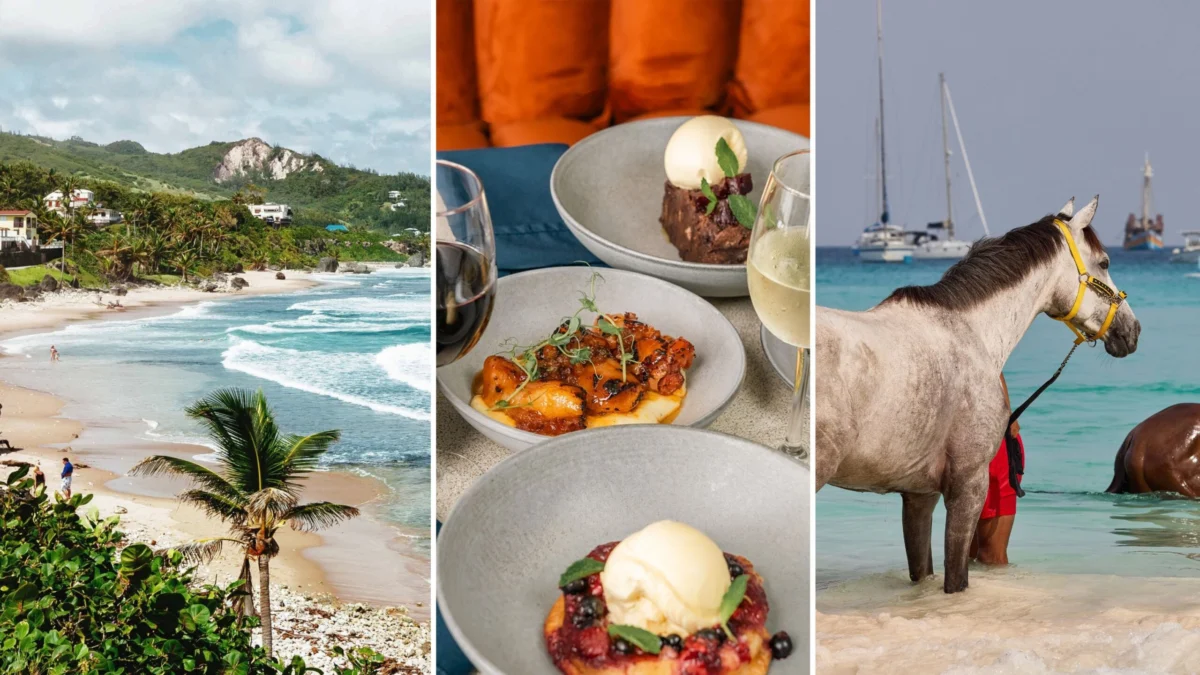
In the Caribbean, "island time" is more than a cultural cliché; it is a fundamental shift in perception. It is a polite refusal to participate in the global "hustle culture," an admission that when you are surrounded by waters of such an impossible, electric blue—the kind that usually exists only as a high-resolution wallpaper on a work laptop—the urgent demands of the mainland seem not just distant, but entirely irrelevant.
Barbados, long the crown jewel of Caribbean tourism, has mastered the delicate art of providing both worlds. It offers the top-tier, refined service that defined the luxury travel boom of the 20th century, while simultaneously nurturing a newfound respect for the wild, defiant geography that defines its eastern shores and fragile coral reefs. As the island navigates a significant renaissance, it is attracting a broader, more eclectic demographic than ever before, proving that paradise is no longer a static, one-size-fits-all destination.

The Evolution of a Caribbean Icon: Main Facts
Barbados is currently undergoing a structural and cultural shift. Historically known for the "Platinum Coast"—a stretch of calm, pristine western beaches favored by the international elite and the yachting set—the island is now seeing a diversification of its tourism product.
- Geographic Duality: The island is functionally split between the luxury-centric West Coast and the raw, elemental East Coast.
- Economic Shift: There is a discernible move away from catering exclusively to "playboy" wealth and retiree-focused decadence, toward a more authentic, experience-led model.
- New Infrastructure: 2026 has marked a pivotal year for the island’s hospitality sector, with new boutique openings, creative culinary concepts, and a push toward sustainable, eco-conscious tourism.
- Cultural Preservation: The "Bajan" character—defined by sharp wit, deep community roots, and a fierce pride in local food and history—has become the central pillar of the modern visitor experience.
A Chronology of Change: How Barbados Transformed
To understand the current state of Barbados, one must look at the timeline of its development.

- The Mid-20th Century (The Founding Era): This was the birth of Caribbean luxury. Families like the O’Haras established the Coral Reef Club, setting a standard for hospitality that was personal, family-run, and deeply rooted in a sense of place.
- The 1970s and 80s (The Creative Haven): Barbados quietly became a sanctuary for the global creative class. Figures such as Eddy Grant, members of The Rolling Stones, and the comedy troupe Monty Python utilized the island as a clandestine base for creative output. This era established the "mischievous" and artistic DNA that is currently being rediscovered by new developers.
- The Post-2020 Pivot: Following the global disruption of travel, Barbados leaned into long-stay visitors and "digital nomads." This demographic shift necessitated better infrastructure, leading to the development of the South Coast’s trendy boardwalks, the rise of farm-to-table culinary movements, and a move toward wellness-centric tourism.
- 2025–2026 (The Renaissance): The launch of services like Uber and the opening of design-forward boutique hotels like the Blue Monkey Hotel & Beach Club signal a maturation of the island’s tourism ecosystem, blending modern convenience with legacy charm.
Supporting Data: Where to Stay and Dine
The competitive landscape of Barbados hospitality is currently defined by a clash of philosophies: the grand heritage of the Platinum Coast versus the "hipster-edge" of the South and the rugged independence of the East.
Premier Stays
- Cobblers Cove: Emerging as the "Insta-Eden" of 2026, this property has successfully courted a new guard of tech-savvy creatives and Silicon Valley entrepreneurs. Its pink pastel architecture and intimate 40-suite capacity offer a curated, boutique experience.
- Blue Monkey Hotel & Beach Club: A bold newcomer that reimagines a disused hotel complex. It leans into the island’s 1970s rock-and-roll history, featuring retro-tan leather, expressionist art, and a disruptive food scene anchored by Amara, the island’s first dedicated Lebanese restaurant.
- Coral Reef Club: The gold standard of intergenerational luxury. Still owned by the O’Hara family, it remains the antidote to the "impersonal sheen" of modern chain resorts, characterized by jazz nights and personal storytelling from the matriarch, Cynthia O’Hara.
- O2 Beach Club & Spa: Representing the best of the "fly-and-flop" model. It is unpretentious, all-inclusive, and focuses on the contemporary Barbados experience: rum punches, flying fish cutters, and the island’s first traditional hammam.
The Gastronomic Map
The food scene has evolved from simple beach fare to a complex culinary landscape.

- Cocktail Kitchen (St. Lawrence Gap): Chef Damian Leach leads this charge, merging high-end technique with Bajan classics like fried pig tails and curry goat.
- La Cabane (Batts Rock): A masterclass in ambient dining, where DJs provide a mellow backdrop to meals served directly on the sand.
- EcoLodge: A critical site for the farm-to-table movement. Located on the rugged East Coast, it serves as a "tourism detox," focusing on hyper-local ingredients like breadfruit.
- Oistins Fish Fry: The heartbeat of the local Friday night. It remains the most authentic expression of Bajan culture—where the quality of the grilled snapper far outweighs the lack of formal seating.
Official Responses and Local Perspectives
Local tourism boards and industry leaders emphasize that this shift is not about "modernizing" the island into something generic, but rather about "deepening" the visitor’s connection to the land.
"The goal," notes one local hotel operator, "is to ensure that the beauty of the island—the coral reefs, the rugged East Coast, the community—is not just a backdrop for a vacation, but the reason for it."

There is also a concerted effort to support local marine conservation. As the island’s reefs face environmental pressure, the partnership between local divers, such as Phillip Mahy of Reefers & Wreckers, and tourism operators has become essential. The focus on lionfish hunting and reef protection serves as an example of how tourism can act as a steward for the environment rather than a drain on it.
Implications for the Future of Travel
The "Barbados Model" suggests that the future of luxury travel lies in the synthesis of high-service standards and local identity.

- The Death of the "Chain": Travelers are increasingly rejecting the homogenized aesthetic of international resort chains. There is a clear market preference for properties with a narrative—family-owned histories or, in the case of the Blue Monkey, a connection to the island’s artistic past.
- Wellness as a Default: The rise of retreats on the East Coast and the integration of spas/hammams in the South indicate that "wellness" is no longer an add-on; it is the expectation.
- The "Local-First" Economy: The success of vendors like "Jennifer," with her humble trestle table at Browne’s Beach, suggests that luxury travelers are seeking out "authentic heritage" experiences. The implication for planners is clear: the most expensive bottle of champagne in a resort is often less memorable than a perfectly seasoned fish cake from a local stall.
Practical Planning Tips for the Modern Traveler
- Logistics: While public transport (ZR buses) is a colorful way to see the island, it is notoriously unreliable. For those on a schedule, private chauffeurs remain the preferred choice. The introduction of ride-sharing apps in 2025 has provided a middle ground for short trips.
- The Timing Window: The "sweet spot" remains May to June. The weather is transitioning, the peak-season pricing has subsided, and the island feels less like a crowded resort and more like a home.
- Financial Etiquette: While international cards are widely accepted, carrying a wad of Barbados Dollars is still a requisite for supporting the local ecosystem. Tipping is not just a gesture; it is an expected part of the island’s service economy.
Conclusion: Why Barbados Endures
Barbados persists as a premier destination because it refuses to remain static. It has effectively managed to keep one foot in the storied, glamorous past of the mid-20th century while planting the other firmly in the future of experiential, sustainable, and culturally-rich travel.
Whether you are diving the SS Stavronika wreck, watching a racehorse bathe at the Garrison Savannah, or simply sitting in the quiet, humid expanse of Hunte’s Gardens, the message of the island remains the same: the grind can wait. The ocean, however, is calling. In a world that is increasingly loud and demanding, Barbados offers the rare, luxurious commodity of perspective. It is, ultimately, an island that demands you stop rushing and start living.
 Evan Lee Salim
 Nana Muazin
 Sagoh
Sagoh
