

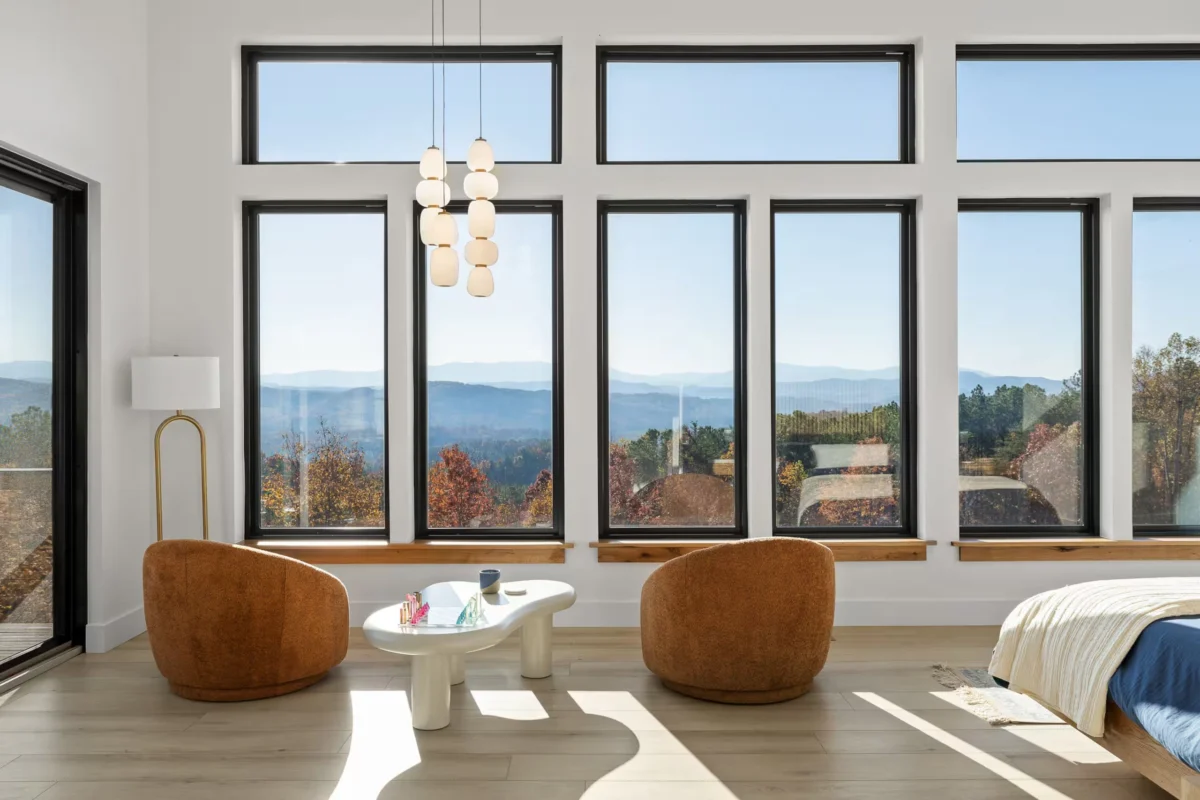
For those residing in the temperate latitudes of the United States, the transition from the humid vitality of summer to the crisp, ephemeral brilliance of autumn is more than a seasonal shift—it is a fleeting cultural event. As the chlorophyll retreats, the landscape erupts in a mosaic of burnt orange, deep vermillion, and buttery gold. However, the window to witness this natural spectacle is notoriously brief, driving a surge in last-minute travel demand for remote, foliage-forward accommodations.
As travel habits shift toward seclusion and experiential stays, the "leaf-peeping" industry has evolved. No longer content with crowded state park parking lots, travelers are increasingly seeking private, immersive sanctuaries that frame the changing seasons as a work of art.
The Seasonal Migration: Understanding the Fall Foliage Phenomenon
The allure of autumn is grounded in both psychology and biology. The phenomenon of "leaf-peeping" has become a multi-billion-dollar driver for regional tourism, particularly in the Northeast and the Rocky Mountain West. According to environmental scientists, the intensity of the fall color display is dictated by a complex interplay of weather conditions—specifically, a combination of warm, sunny days and cool, frost-free nights.
As the daylight hours dwindle, deciduous trees begin to shut down their food-making processes, leading to the breakdown of chlorophyll and the revealing of underlying pigments. For the modern traveler, this natural process serves as a siren call. The urgency to "catch" the peak colors before the first heavy wind or frost strips the branches bare has created a hyper-competitive market for high-end, secluded rentals that offer panoramic views of the changing canopy.
Curating the Sanctuary: The Shift in Rental Preferences
Data from major short-term rental platforms, including Airbnb, indicates a significant shift in guest priorities during the Q4 shoulder season. Guests are no longer merely looking for a place to sleep; they are looking for a "view-centric" experience.
Architectural Integration with Nature
The most sought-after properties for the fall season are those that bridge the gap between interior comfort and the rugged outdoors. Architects and interior designers have responded to this demand by prioritizing:
- Floor-to-Ceiling Glazing: Large-scale windows that turn a living room into a theater for the autumn landscape.
- Biophilic Design: Incorporating natural materials like reclaimed wood, stone fireplaces, and earth-toned textiles to echo the colors outside.
- Outdoor Amenities: The installation of wood-fired hot tubs, barrel saunas, and fire pits allows guests to engage with the crisp, cooling air while maintaining a level of luxury that standard camping cannot provide.
Chronology of the Foliage Season: A Geographical Perspective
To understand the logistics of an autumn getaway, one must view the United States through a chronological lens. The "peak" of fall foliage is a moving target that tracks across the country with mathematical precision.
Early September: The High Peaks
The season begins in the highest altitudes and the most northern latitudes. In places like the Adirondacks in New York, the White Mountains in New Hampshire, and the upper elevations of the Colorado Rockies, the change begins as early as mid-September. The aspens in Colorado, in particular, provide a singular golden display that differs sharply from the mixed-hardwood forests of the East.
Mid-October: The Great Migration
By the second and third weeks of October, the "color wave" sweeps through the rolling hills of New England, the mid-Atlantic, and the Midwest. This is the period of peak density for the travel industry. Historic towns like Stowe, Vermont, and the Berkshires in Massachusetts see an influx of visitors that rivals the summer peak season.
Late October to November: The Southern Descent
As the season wanes in the north, the colors drift down the spine of the Appalachian Mountains into the Great Smoky Mountains and the Blue Ridge Parkway. This late-season window provides a critical economic boost to the Southern hospitality sector, extending the travel season well into November.
Supporting Data: The Economics of Seasonal Tourism
The economic impact of foliage-driven travel is profound. Regional tourism boards frequently cite foliage season as their primary driver of annual revenue.
- Occupancy Rates: During peak weeks, occupancy rates in premium, leaf-adjacent rentals often exceed 90%.
- Average Daily Rate (ADR): Properties categorized as "Guest Favorites" or those boasting high-end amenities (hot tubs, private forest access) command an ADR premium of 25% to 40% over off-season rates.
- The "Superhost" Effect: Properties managed by experienced hosts—who provide curated hiking maps, local artisanal food recommendations, and seamless digital access—consistently outperform standard listings, suggesting that the "experience" of the stay is just as important as the view itself.
Professional Perspectives on the "Staycation" Boom
We reached out to industry analysts who observe the intersection of real estate and travel. "The modern traveler is suffering from digital burnout," notes a spokesperson for a leading hospitality analytics firm. "They aren’t just looking for a hotel; they are looking for a ‘reset.’ A cabin in the woods that offers silence, a fireplace, and a view of the forest creates a psychological barrier between the traveler and their daily responsibilities."
When asked about the safety and standards of these remote properties, experts emphasized that the professionalization of the industry—driven by stringent "Superhost" criteria—has elevated the quality of the guest experience. "We are seeing a move toward ‘luxury remote,’" the analyst added. "It isn’t about roughing it; it’s about accessing nature from a position of total comfort."
The Implications: A Changing Climate and Changing Expectations
While the fall foliage season remains a staple of American culture, it is not immune to broader environmental and economic shifts.
Climate Change and Phenology
Scientists have noted that climate change is beginning to impact the timing and intensity of fall foliage. Warmer-than-average autumns can delay the onset of color changes, leading to a shorter, more compressed season. This creates uncertainty for travelers who book months in advance, hoping to hit the "peak" window.
The Sustainability Mandate
As remote travel increases, so does the strain on local infrastructure. Many of the most picturesque regions are rural, with limited waste management and road capacity. There is an increasing push for "responsible tourism," where platforms like Airbnb encourage guests to respect local ecosystems, adhere to "leave no trace" principles while hiking, and support local economies rather than relying solely on imported supplies.
Future Outlook
The trend toward experiential, nature-immersive travel is expected to persist. As remote work becomes a permanent fixture for many, the "leaf-peeping" season is no longer confined to a single weekend getaway. We are seeing a rise in "work-from-woods" arrangements, where professionals book month-long stays in rural cabins to enjoy the changing landscape while maintaining their careers.
Conclusion: Crafting Your Seasonal Fantasy
Whether you are seeking the dramatic, golden aspens of the Colorado backcountry or the classic, multi-hued forests of the Appalachian Trail, the key to a successful autumn getaway lies in the intersection of timing and location. By prioritizing properties that offer architectural connection to their surroundings—such as those with expansive windows and thoughtful, seasonal amenities—travelers can ensure that their experience is as restorative as it is visual.
As the days grow shorter and the air turns crisp, the urgency to witness the transformation of the landscape remains a fundamental part of the American autumn. By planning strategically and respecting the delicate environments these properties occupy, travelers can continue to enjoy the golden mosaic of the season for generations to come.
Methodology Note: These insights and property selections are derived from an analysis of high-performing rental listings, emphasizing host reliability, guest satisfaction ratings, and the integration of unique architectural features that maximize seasonal views. Additional reporting by Meredith Carey.
 Sagoh
Sagoh
 Asro
Asro
