

For millions of travelers, Rome is not just a destination; it is a sprawling, chaotic, and breathtaking living museum. Whether you are arriving from the sun-drenched Amalfi Coast, the rolling hills of Tuscany, or the industrial hubs of the north, your gateway to the capital is almost invariably Roma Termini. As Italy’s primary transit artery, Termini is the beating heart of the nation’s high-speed rail network. Yet, for many tourists, the sheer scale of the station—and the surrounding Esquilino neighborhood—can feel overwhelming.
If you are planning an Italian escape, prioritizing proximity to this transit hub isn’t just about convenience; it is a strategic decision that optimizes your time, energy, and access to the city’s most iconic treasures.
The Strategic Advantage: Why Termini Matters
Rome is a city best explored on foot, but the logistical hurdles of navigating its cobblestone streets with luggage are legendary. Roma Termini serves as the definitive anchor point for the modern traveler. By securing accommodation within a 15-minute walking radius of the station, you effectively eliminate the "transit tax"—the time and frustration lost navigating public buses or negotiating with taxi drivers in heavy Roman traffic.
The Evolution of the Station
Historically, the area surrounding Termini was viewed merely as a utilitarian transit zone. However, the last decade has seen a metamorphosis. The station itself has evolved into a lifestyle destination. Today, it hosts over 100 retail outlets, including global staples like Sephora, Uniqlo, and the gastronomic paradise that is Eataly. This transformation has turned a simple waiting area into a functional hub where one can shop for essentials, grab a world-class espresso, or sample regional delicacies before boarding an Alta Velocità train.
A Chronology of the Roman Transit Experience
To understand the importance of your accommodation choice, one must look at the typical "arrival day" in Rome:
- 09:00 AM – Arrival: Your high-speed train pulls into the platform. You are met with the sensory overload of one of Europe’s busiest stations.
- 09:30 AM – The Check-in Advantage: Because you have chosen a hotel within a 15-minute walk, you drop your heavy luggage at the concierge before the morning rush of tourists reaches the historic center.
- 10:30 AM – Immediate Immersion: Without the need to wait for a cross-town taxi, you are already walking toward the Basilica di Santa Maria Maggiore or the vibrant streets of the Monti neighborhood.
- 01:00 PM – Lunch: You find yourself in the heart of the action, rather than stuck in a hotel on the outskirts of the city.
- 06:00 PM – Return/Refresh: You return to your hotel to freshen up before your evening plans, feeling the relief of a short commute.
Supporting Data: Walkability and Logistics
Rome is a paradox of intense traffic and exceptional walkability. Statistical analysis of urban mobility in Rome suggests that, during peak hours (8:00 AM – 10:00 AM and 5:00 PM – 7:00 PM), the transit time via taxi or bus between the city center and peripheral hotels is often higher than a brisk, 20-minute walk from the station area.
Distances from Termini to Iconic Sites:
- Colosseum/Roman Forum: ~20-minute walk.
- Villa Borghese Gardens: ~25-minute walk.
- Trevi Fountain/Pantheon: ~30-minute walk.
While these times may seem significant, the path to these sites takes you through the very fabric of Rome. You are not "commuting"; you are sightseeing. By staying near Termini, you are centrally located to both the modern transit network and the ancient ruins, creating a bridge between the 21st-century rail experience and the glory of the Roman Empire.
Safety and Security: A Professional Assessment
A common point of contention among travelers is the safety of the area immediately surrounding Termini. It is a bustling, international transit hub, and like any major station in a capital city, it requires situational awareness.
Official Perspectives on Urban Safety
Local authorities and tourism boards emphasize that while the area has seen significant investment in policing and urban renewal, travelers should exercise standard urban caution. Specifically, the area outside the station near Via Giolitti is often cited as a zone to navigate with care, particularly after dark.
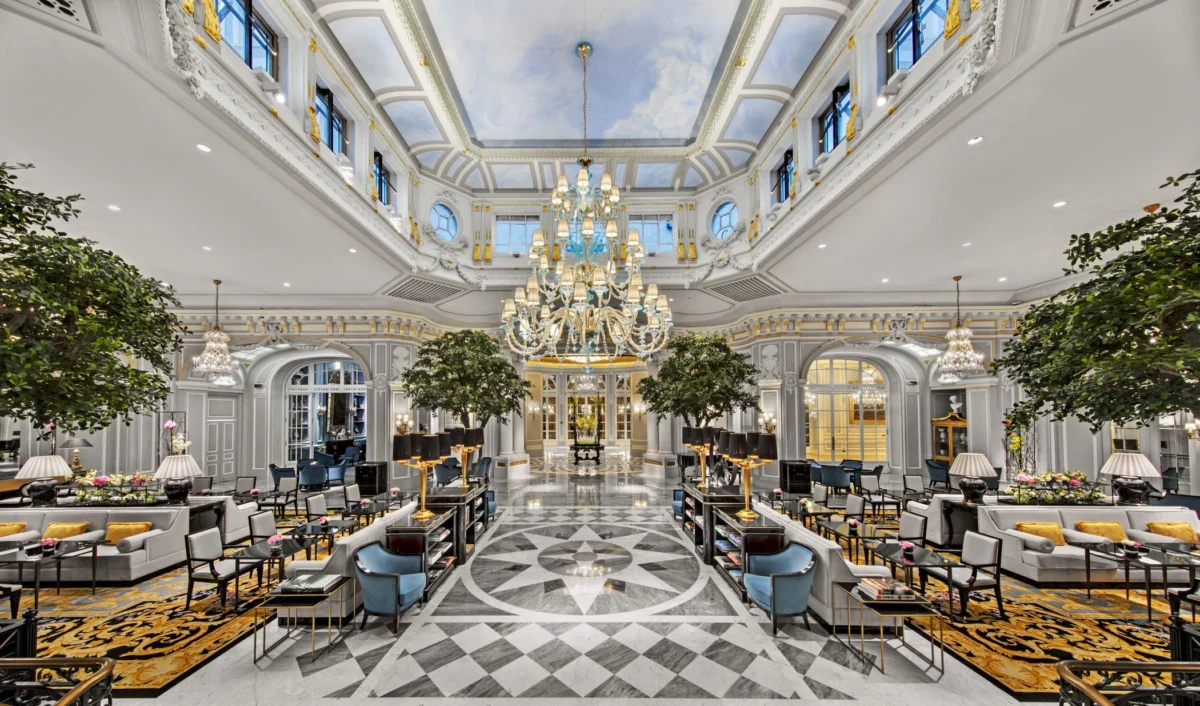
However, the luxury and boutique hotels in the immediate vicinity of Piazza dei Cinquecento (the main station square) operate with high-level security protocols. These properties are designed to be sanctuaries, providing a stark contrast to the kinetic energy of the station. Solo travelers, including women, report high levels of comfort in these establishments, provided they stick to the well-lit, main thoroughfares upon returning in the evening.
The Neighborhoods: Choosing Your Base
If Termini is your anchor, you must decide which "flavor" of Rome you wish to wake up to.
1. The Bohemian Charm of Monti
Located just south of the station, Monti is a masterclass in Roman cool. It is a tangle of narrow, ivy-draped streets, independent art galleries, artisanal jewelry shops, and wine bars that stay open until the early hours. It offers a quieter, more "local" experience while keeping the convenience of the station just a few blocks away.
2. The Esquilino Edge
The immediate vicinity of the station is rapidly gentrifying. Choosing a hotel here means you are steps away from the city’s largest transportation hub, making day trips to Florence or Naples effortless.
Implications for Future Travel
The shift toward "Transit-Oriented Tourism" is clear. Modern travelers are moving away from the traditional, sequestered luxury hotels of the past, opting instead for high-design properties that emphasize seamless connectivity.
Why Sustainability Matters
Choosing to stay within walking distance of the train station is also an act of environmental responsibility. By removing the need for short-haul taxis or private car transfers from the station to your accommodation, you are reducing your carbon footprint. Furthermore, the reliance on the rail network—the most sustainable way to travel through Italy—complements a "slow travel" philosophy that encourages deeper engagement with the country’s landscape.
Final Recommendations for the Discerning Traveler
When selecting your property, prioritize:
- Soundproofing: Despite the station’s improvements, Rome is a loud city. Ensure your hotel utilizes modern glazing.
- Concierge Services: In a hub like Termini, a good concierge is your best friend for navigating train schedules and restaurant reservations.
- Entrance Security: Opt for hotels with gated or monitored entrances, which provide an added layer of peace of mind.
By embracing the proximity of Roma Termini, you are not sacrificing the romance of Rome; you are mastering its logistics. You are trading hours of frustration for hours of exploration, ensuring that your time in Italy is spent in the piazzas and galleries, not in the back of a gridlocked taxi. As the city continues to modernize its infrastructure, the area around Termini stands not as a place to pass through, but as the perfect home base for your Roman holiday.
 Asro
Asro
 Siti Muinah
