

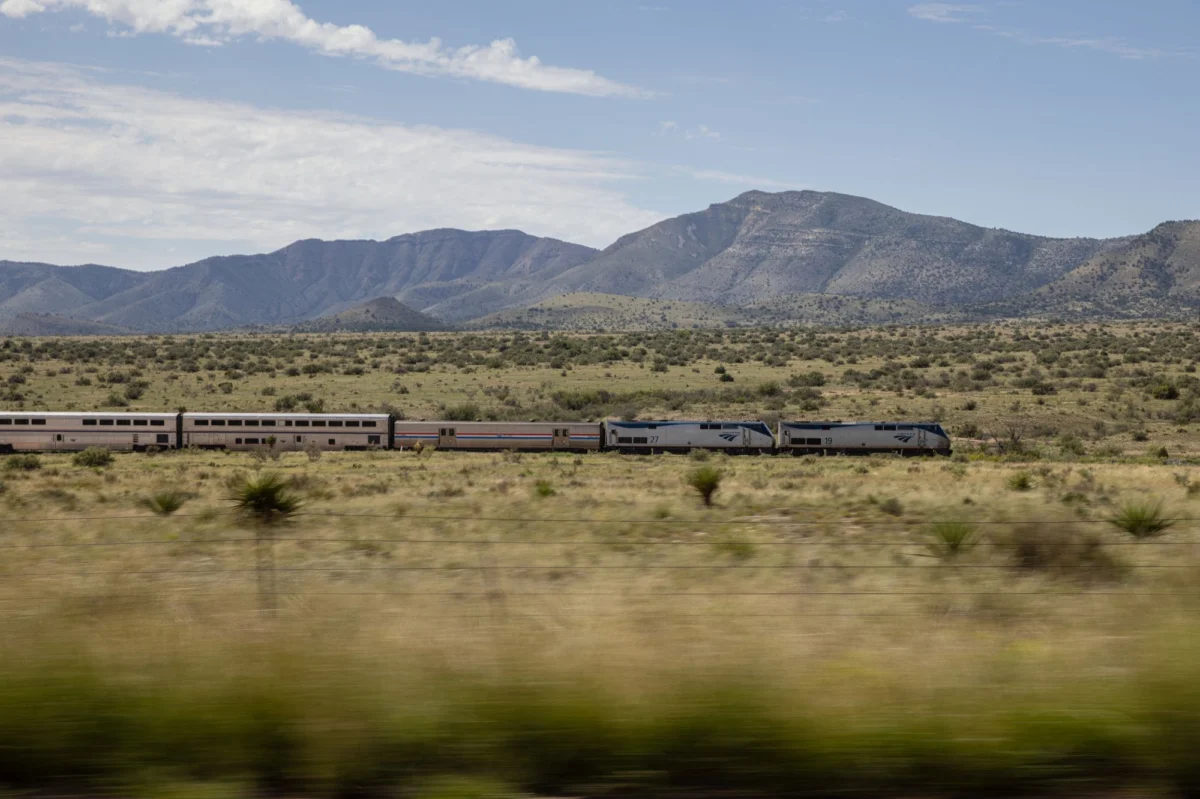
In an era dominated by the sterile, hurried efficiency of regional airports and the impersonal monotony of interstate highways, the Sunset Limited offers a rare, deliberate alternative. As Amtrak’s Train No. 1, it stands as a living artifact of the American landscape—a 1,995-mile artery connecting the vibrant, humid soul of New Orleans to the sprawling, sun-drenched coastal metropolis of Los Angeles.
For those who choose the rails, the journey is not merely a method of transportation but an exercise in observation. It is a slow-motion study of geography, history, and the human condition, viewed through the wide, domed windows of a train that has been traversing the Southwest for over 130 years.
The Chronology of a Legacy: From 1894 to Today
The story of the Sunset Limited is, in many ways, the story of American expansion. Inaugurated in 1894 by the Southern Pacific Railroad, the route was originally designed to link the Mississippi River to the Pacific Coast, traversing the rugged heart of the country long before the invention of the commercial jetliner.

Throughout the early 20th century, the train was a symbol of luxury and adventure, complete with jazz bands and parlor cars. However, the mid-century rise of the Interstate Highway System and the accessibility of air travel led to a precipitous decline in passenger rail demand. When the federal government established Amtrak in 1971 to consolidate the nation’s struggling intercity rail lines, the Sunset Limited was inherited as a foundational route.
The service has faced its share of adversity. In the 1990s, the line was extended to reach Miami, but the devastating impact of Hurricane Katrina in 2005 severely damaged the Gulf Coast infrastructure, forcing a contraction of the route. Today, the core journey remains the 1,995-mile stretch between New Orleans and Los Angeles—a testament to the enduring necessity of cross-country rail in an age of speed.
Life Inside the Steel Shell: A Daily Rhythms
The experience begins with the gentle, rhythmic jolting of the train as it barrels through the darkness of the Texas desert. For the modern traveler, the transition is jarring. Within a single day, the lush, alligator-inhabited bayous of Louisiana and the green suburban edges of eastern Texas dissolve, giving way to the stark, unforgiving beauty of the Chihuahuan Desert.

By 7 a.m., the dining car becomes the social heartbeat of the train. Here, the barriers of background and destination fade. A breakfast of French toast and scrambled eggs serves as the catalyst for conversation between strangers. Among them is Scott Frisch, a 70-year-old aerospace engineer and former contributor to space shuttle cockpit systems. For Frisch, the train is not a romantic choice, but a necessary one; he avoids flying, preferring the slow, grounding experience of the rails as he moves from Palm Beach to Phoenix for a new chapter in his life.
"I’ve been out of work for three years," Frisch remarks, his eyes reflecting the morning light. "It just feels good to get going again."
As the day progresses, the Sightseer Lounge becomes the primary venue for contemplation. Here, passengers witness a landscape that is both lonely and majestic. Pronghorn antelope dart away from the tracks, and in the distance, the Rio Grande Valley marks the boundary between nations. By afternoon, the terrain shifts to the cracked white sands of Arizona and New Mexico, where dust devils dance across the horizon in the blistering heat.

Supporting Voices: The Community of the Rails
While the Sunset Limited carries a reputation as a romantic, cross-country endeavor, the reality is a mix of the practical and the passionate. Conversations with fellow passengers reveal a tapestry of American life:
- The Practical Traveler: Many passengers are not on a cross-country odyssey but are using the train for regional transit. Sisters from Mississippi travel to Houston to visit family; a mother and daughter from Ciudad Juárez return home after an Austin excursion.
- The Necessity Rider: For some, the train is the only viable mode of long-distance travel. One elderly traveler, heading from Atlanta to Sacramento to visit relatives for a month, represents a demographic that relies on the consistency of the rail network to maintain family connections.
- The Rail Enthusiast: Then there is the "rail fan"—the retired electrician like Gary, who monitors train crew frequencies via ham radio. For these individuals, the train is an academic pursuit. They know every siding, every fueling pad, and every historic stop, viewing the journey not just as travel, but as an immersion in the infrastructure of their country.
Implications for the Future of American Travel
The Sunset Limited serves as a poignant reminder of what is lost when we prioritize speed over experience. While modern aviation allows us to cross the country in hours, it strips away the nuance of the intervening land. On the train, the country is not merely a map; it is a sequence of changing climates, varied topographies, and shifting social dynamics.
However, the future of such long-distance rail remains a subject of intense debate. Amtrak’s aging infrastructure and the challenges of track maintenance continue to pose hurdles to expansion. The reliance on single-use plastics in dining services and the infrequency of departures highlight the need for modernization. Yet, for those on board, the value proposition remains clear: there is a profound human need to see the country as it is, slowly and without the filter of an airplane window.

Reflections at Journey’s End
As the train approaches Los Angeles, the final meal of the journey—pan-roasted chicken and salad—is served. The atmosphere is quiet. Even the most seasoned travelers, like Gary, find themselves glued to the windows, unwilling to miss the final transformation of the desert landscape into the coastal hills of California.
"I just don’t want to miss anything," Gary says, his gaze fixed on the darkening desert horizon.
As the deep blue of twilight settles over the landscape, the realization strikes: the passengers are not just traveling across the country; they are chasing the sun. The name Sunset Limited takes on a literal, almost poetic weight. It is a journey defined by its pursuit of the light, a relentless, forward-moving momentum that has continued for over 130 years.

For the modern traveler, the Sunset Limited offers something that no other mode of transport can provide: the ability to slow down. In a world that is constantly accelerating, the train offers a rare opportunity to sit, observe, and engage with the vast, diverse, and often hidden landscapes that make up the American story. As the train pulls into the station in Los Angeles, the sense of accomplishment is palpable—not because the destination has been reached, but because the space between has been truly experienced.
In the words of Gary, looking out at the fading light of the day: "If you think about it, we’ve just been chasing the sun this whole time." And in that pursuit, we find a bit more of ourselves.
 Asro
Asro
 Siti Muinah
 Sagoh
Sagoh
