

The podcast industry has long been defined by its paradoxical nature: it is one of the most intimate and high-trust mediums available to advertisers, yet it remains notoriously difficult to measure. For years, the "skip" button has been the primary antagonist in the narrative of audio advertising. Between multitasking listeners, ephemeral ad spots, and the difficulty of tracking attribution from a passive audio stream, marketers have often found themselves flying blind.
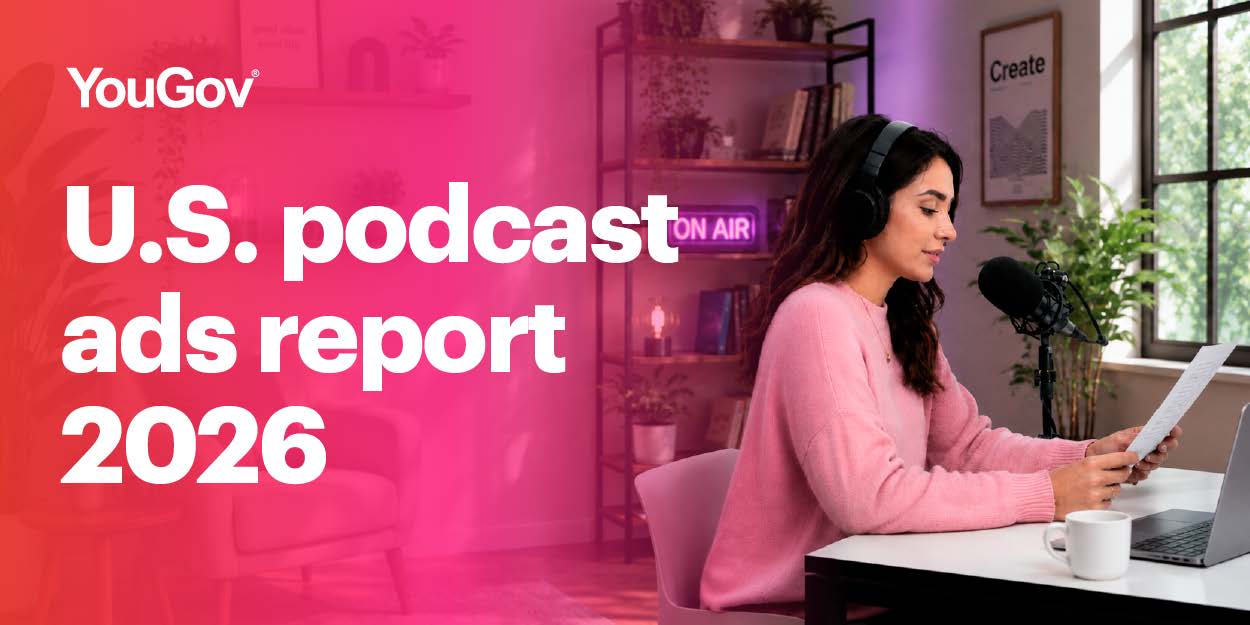
However, a new comprehensive study from YouGov, the U.S. Podcast Ads Report 2026, seeks to demystify these hurdles. By surveying over 1,300 U.S. adults—including a robust sample of more than 800 dedicated podcast listeners—the research provides a long-overdue roadmap for brands looking to convert passive listeners into active consumers.
Main Facts: The Evolution of Audio Attribution
The core finding of the YouGov report is that the traditional "spray and pray" model of podcast advertising is rapidly losing viability. The report identifies that engagement is not merely a function of reach; it is a function of relevance, format, and the environment in which the ad is delivered.
For advertisers, the struggle has always been the "last mile" of the customer journey. When a listener hears an ad while driving, cooking, or exercising, they are rarely in a position to click a link. The 2026 report highlights a critical shift in consumer behavior: listeners are now more likely to perform "delayed attribution" actions—searching for a brand on their own terms long after the audio has finished playing. This suggests that the brand-building potential of podcasts is arguably higher than its direct-response potential, challenging the industry to rethink how it measures ROI.
A Chronology of the Podcast Ad Crisis
To understand why this 2026 report is so vital, one must look at the timeline of the industry’s advertising evolution:
- 2015–2018: The Wild West Era. Host-read ads were king, and measurement was largely based on basic download numbers. Advertisers relied on vanity metrics, and attribution was almost nonexistent.
- 2019–2021: The Tracking Push. The industry attempted to bridge the gap using pixel-based tracking and promo codes. However, privacy regulations (such as Apple’s App Tracking Transparency) made this increasingly difficult.
- 2022–2024: The Video Convergence. As podcasts migrated to YouTube and Spotify Video, the "listening" experience became a "viewing" one. This introduced new challenges, including visual distraction and the need for multi-modal advertising strategies.
- 2025–2026: The Data Maturity Phase. The current landscape, as detailed in the YouGov report, represents a shift toward psychological and behavioral analysis rather than just technical tracking. The industry is now focusing on how trust, host-listener rapport, and content genre influence purchasing intent.
Supporting Data: Understanding the Audience
The YouGov data reveals significant insights into the demographic and behavioral habits of the modern listener. Key data points from the study include:

- The Video Factor: A significant portion of the report explores the rise of the video podcast. Data suggests that when video is present, retention of ad content increases, but only if the visual ad matches the aesthetic of the video production.
- Trust as a Currency: Trust in the host remains the single greatest driver of ad effectiveness. The survey found that listeners are 40% more likely to consider a brand if the ad is delivered by a host they have followed for more than six months.
- Action Pathways: When asked what drives a listener to purchase, the top responses were:
- Direct Recommendation: Host-read endorsements (62%)
- Frequency: Hearing the ad across multiple episodes (48%)
- Searchability: Being able to find the brand easily via search engines post-listen (35%)
The data reinforces that podcasting is not a traditional "interruption" medium; it is a "companionship" medium. Advertisers who treat the ad spot as an extension of the podcast content itself see significantly higher conversion rates than those who treat it as a standardized commercial break.
Official Responses and Industry Sentiment
Industry leaders are viewing the 2026 YouGov report as a "call to maturity." Agency heads have long argued that the podcast medium is unfairly penalized by metrics designed for television or banner ads.

"We are finally moving past the era where we try to force audio into a web-browser-sized hole," said one prominent industry consultant. "This report validates what we’ve suspected for a decade: the consumer’s relationship with the podcast is unique. It’s about building a brand identity in the listener’s mind, not just getting a click in the first five minutes."
However, some skepticism remains regarding the move toward video. While video podcasts offer better visual branding, they also introduce the "YouTube effect," where listeners are more prone to skipping segments that feel like commercial breaks. The consensus among analysts is that while video offers growth, it requires a more sophisticated editorial approach to advertising.

Implications for the Future
What does this mean for the future of the medium? The implications are three-fold:
1. The Death of the Generic Ad
The report implies that pre-recorded, generic ads that are stitched into podcasts across different genres will likely see diminishing returns. Advertisers must invest in creative that is tailored to the specific tone and audience of the show.

2. The Rise of "Intentional Measurement"
Rather than relying on real-time click tracking, brands will likely move toward brand-lift studies and longitudinal surveys. Measuring "how many people bought this product because of this podcast" will be replaced by "how did the brand perception change among this cohort of listeners?"
3. The Hybridization of Audio and Video
As the line between audio and video continues to blur, producers will need to ensure that their monetization strategies do not alienate the "traditionalist" audio listener. The challenge will be maintaining the intimacy of the audio-first experience while capturing the visual attention of the video-first viewer.

Conclusion: A New Standard
The YouGov U.S. Podcast Ads Report 2026 is more than just a survey; it is a diagnostic tool for an industry reaching a critical juncture. By acknowledging the challenges of the skip button and the nuances of listener trust, the report offers a path forward.
For brands, the message is clear: Stop trying to measure podcasts like you measure websites. Start measuring them like the powerful, trust-based relationships they are. As the industry continues to professionalize, those who adapt to these new, more sophisticated engagement standards will be the ones to capture the attention—and the wallets—of the modern listener.

For those interested in the full scope of the findings, the YouGov U.S. podcast ads report 2026 is currently available for download, offering a comprehensive look at the shifting tides of audio marketing.
Industry Notes: The Weekly Roundup
Beyond the analytical landscape, the podcasting world continues to churn with innovation. As we look at the current charts, it is clear that audiences are craving both the familiar and the niche.

- Curated by Chance: A new entrant from Airwave, this show is a fascinating look at the role of randomness in art and film. Filmmaker Neal E. Fischer and curator Lauren Tagliaferro are pushing the boundaries of structured conversation by introducing an algorithmic element to their creative process.
- Millennial Moodboard: Comedians Jasmine Ellis, Valerie Tosi, and Pallavi Gunalan have struck a nerve with their deep dive into Y2K culture. The show highlights a broader trend: the "nostalgia economy" is currently one of the most profitable sectors in podcasting.
- Global Shifts: Data from the past week shows The Daily holding strong at the #1 spot in the U.S. on Apple Podcasts, while The Joe Rogan Experience continues its dominance on Spotify. Interestingly, we are seeing significant growth in specialized categories, with Her Health taking the #1 spot in Ireland’s medical category—a testament to the growing global appetite for niche, high-quality audio content.
As the industry moves through the remainder of 2026, the convergence of data-driven advertising and authentic, host-driven content will remain the definitive theme of the year. Whether you are a creator, an advertiser, or a listener, the podcast space remains the most exciting frontier in modern media.
 Asep Darmawan
 Jia Lissa
 Neng Nana
