

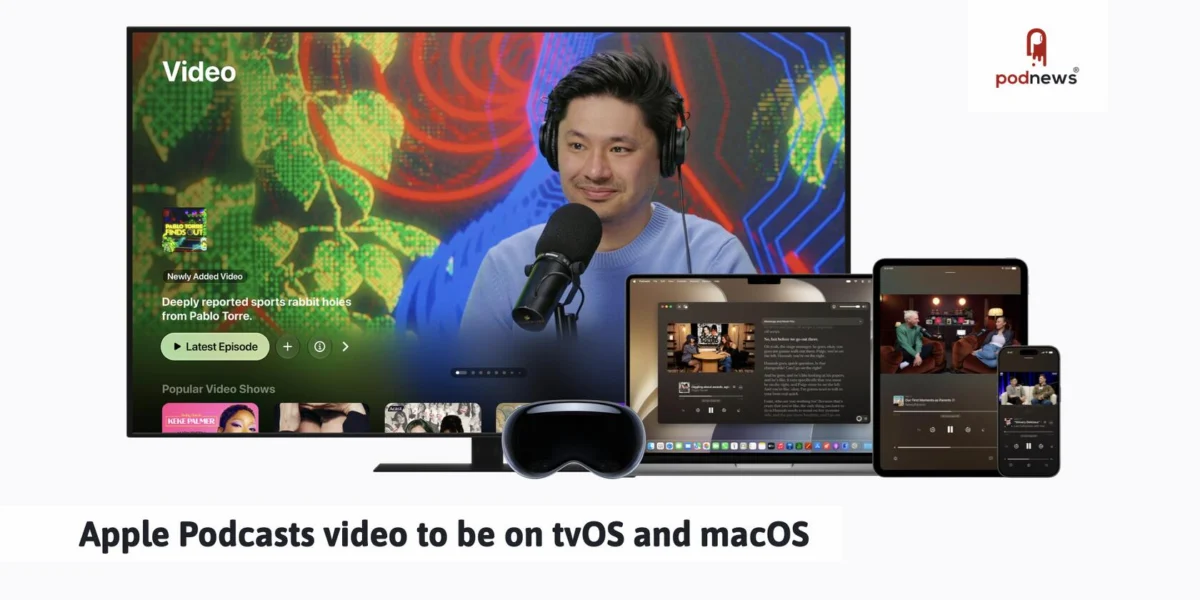
The landscape of digital audio is undergoing a significant transformation. As platforms compete for listener attention in an increasingly crowded market, the boundaries between audio and visual media are blurring. Central to this shift is Apple’s recent move to normalize video within its podcast ecosystem, a strategic development that promises to reshape how creators distribute content and how audiences engage with their favorite shows.
This report examines the current state of the podcasting industry, anchored by recent platform updates, shifting audience habits, and the latest data from the top charts.
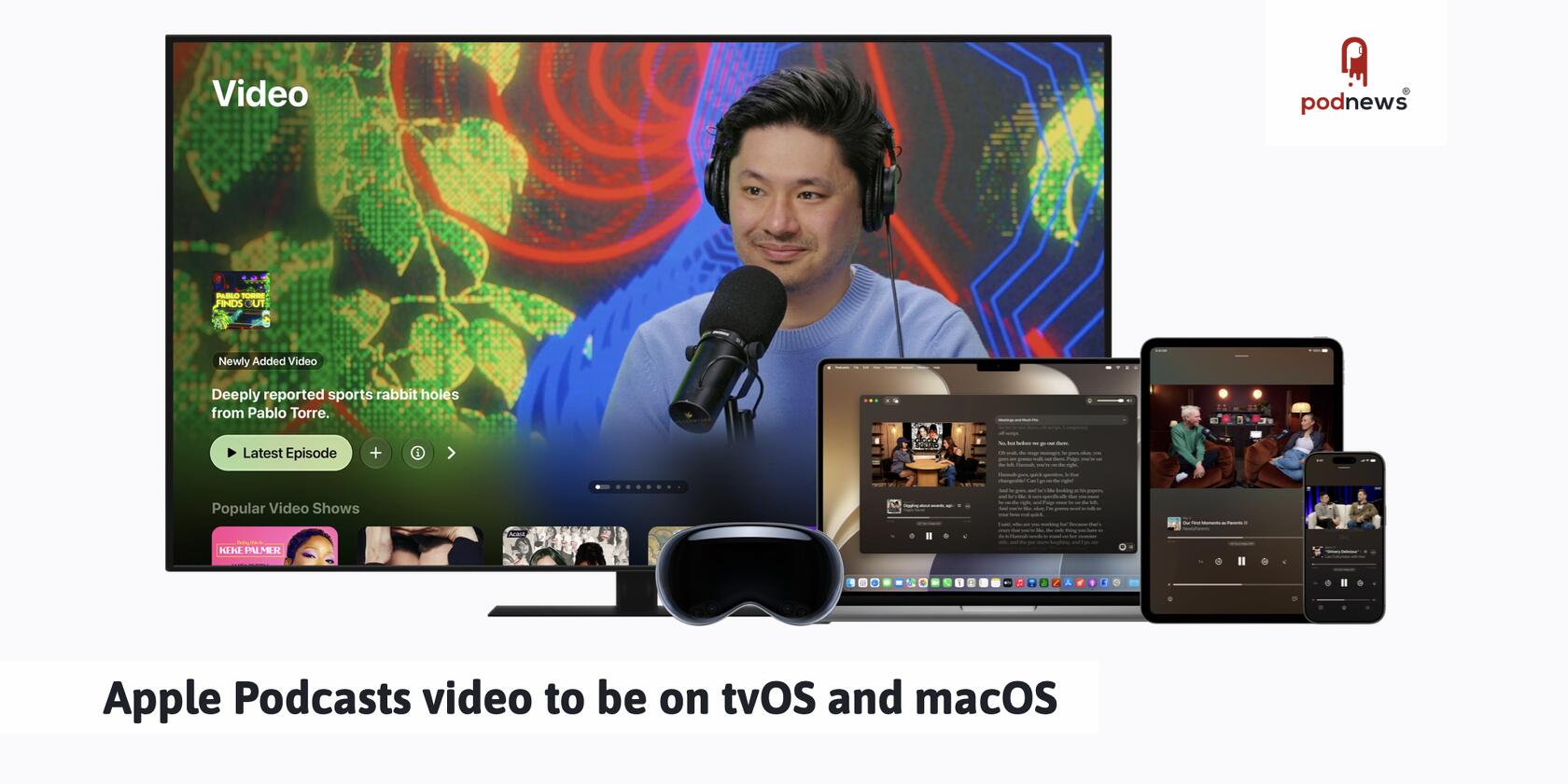
Main Facts: Apple Podcasts Embraces Video
The most prominent development in the current audio landscape is Apple’s push to bring video front-and-center across its platforms. Long considered the "gold standard" for audio-only consumption, Apple Podcasts is adapting to the "video-first" trend popularized by competitors like YouTube and Spotify.
This integration is not merely an aesthetic change; it represents a fundamental shift in the product roadmap. By allowing creators to showcase video content seamlessly within the podcast feed, Apple is positioning itself to capture the growing demographic of users who prefer a visual accompaniment to their listening experience. This move addresses a long-standing request from power users and creators alike, who have struggled to find a native home for video podcasts that matches the portability and ecosystem lock-in of Apple’s audio products.

Chronology: How We Arrived Here
The trajectory of podcasting has always been one of steady, yet occasionally disruptive, evolution.
- The Early Era (2004–2010): Podcasting began as a fringe technology, defined by RSS feeds and manual synchronization. During this period, video podcasts existed as a novelty, often hindered by slow connection speeds and lack of specialized hardware.
- The Mobile Revolution (2010–2018): The proliferation of the smartphone solidified the podcast as an "on-the-go" medium. Audio-only formats thrived because they allowed for multitasking—commuting, exercising, and working.
- The Rise of the Video-First Creator (2018–2023): With the meteoric rise of YouTube as the largest podcast discovery platform, creators began recording studio sessions on camera. This "filmed podcast" trend created a dichotomy: the audio version lived on Apple or Spotify, while the visual version lived on YouTube.
- The Integration Phase (2024–Present): Platforms are now consolidating these workflows. Apple’s recent updates are the latest in a series of steps to ensure that the video experience is as frictionless as the audio experience, aiming to keep users within the Apple Podcasts app rather than forcing them to toggle between apps.
Supporting Data: The Current Pulse of the Charts
Data analysis of current podcast trends reveals the dominance of legacy content alongside the emergence of niche, high-engagement programming.

Market Leaders (United States)
- The Daily: Continuing its reign, The Daily remains the #1 podcast on Apple Podcasts. Its success underscores the appetite for high-production-value news synthesis that respects the listener’s time.
- The Joe Rogan Experience: Despite changes in exclusivity and distribution, The Joe Rogan Experience continues to hold the top spot on Spotify, proving that long-form, conversation-based content remains the bedrock of the medium.
Emerging Trends and Regional Dynamics
The international market—specifically Ireland and the UK—is showing significant movement in niche categories.
- Visual Arts: Battle Of The Atom: An X-Men Podcast has seen the largest gain in the Visual Arts category in Ireland, suggesting that fandom-based, deep-dive content is ripe for growth.
- Non-Profit Sector: The Sustainability Options Podcast has emerged as the highest new entry in the Irish non-profit category, signaling a shift toward cause-driven, educational audio.
- Society & Culture: In the United Kingdom, We Need To Talk with Paul C. Brunson holds the top spot, highlighting the public’s continued interest in interpersonal relationship coaching and societal discourse.
Official Responses and Industry Outlook
While platform spokespeople have been measured in their public statements, industry insiders suggest that these changes are driven by consumer data. "The audience is no longer satisfied with just audio," says one industry analyst. "They want the intimacy of a visual connection with the host. They want to see the reactions, the guest’s expressions, and the studio environment."

Creators have largely welcomed the news. For independent podcasters, the ability to host video directly within their RSS-linked feed means less fragmentation. They no longer need to maintain separate channels for video and audio to the same extent, allowing for a more cohesive brand identity.
Implications: The Future of the Creator Economy
The move toward integrated video has profound implications for the podcasting industry.

1. The Death of the "Audio-Only" Standard
The definition of a "podcast" is being rewritten. As video becomes standard, producers will need to invest in lighting, camera equipment, and post-production editing for visuals. This raises the barrier to entry, potentially favoring larger studios with the capital to produce high-end video content.
2. Advertising and Monetization
Video offers a secondary revenue stream for advertisers. A "mid-roll" video ad is fundamentally more valuable than an audio-only spot because it captures two senses rather than one. We can expect to see dynamic ad insertion that changes based on whether the user is watching or just listening.

3. Discoverability and UX
Apple’s design choices regarding how video is presented—whether it plays in a small picture-in-picture mode or requires full-screen engagement—will dictate how audiences consume content. If done correctly, it could revitalize discovery, allowing users to "preview" episodes through video clips before committing to an hour-long listen.
4. The Competition with YouTube
By facilitating video, Apple is effectively launching a counter-offensive against YouTube. While YouTube has the advantage of a massive discovery engine and algorithmic recommendations, Apple has the advantage of a dedicated, high-intent user base. The battle for the "second screen" (or the first, depending on the user) will be the defining narrative of the next two years.

Spotlight: Notable New Releases
The industry continues to innovate with storytelling that transcends traditional formats.
- Travel Tales by AFAR: This show exemplifies the power of narrative audio. By focusing on how travel transforms the human experience, it taps into a universal desire for connection and discovery. Its trailer, now easily accessible via new distribution tools, is setting a standard for how audio branding should feel.
- We Choose To Go To Kennedy: A prime example of branded content that provides actual value. Produced by the Kennedy Space Center Visitor Complex, it bridges the gap between marketing and documentary-style storytelling.
- An American Game: With the 2026 FIFA World Cup approaching, this series is timely. It captures the rise of "ultra" fan culture in the U.S., proving that niche sports history can find a mass audience if the storytelling is sufficiently deep.
- Not a Climate Scientist: This show continues to break down the "ivory tower" approach to science. By connecting disease, deforestation, and climate change in a way that relates to everyday life, it proves that complex, scientific topics are not just for experts—they are for everyone.
Conclusion
The integration of video into platforms like Apple Podcasts is not merely a technical update; it is an admission that the audio medium has reached a point of maturity where it must expand to survive. As the industry moves forward, the winners will be those who can balance the intimacy of audio with the engagement of video.

For the listener, this means a richer, more immersive experience. For the creator, it means a more complex, albeit rewarding, path to audience growth. As we look toward the remainder of the year, one thing is certain: the "podcast" as we once knew it is expanding into a full-sensory media experience. Whether this leads to a new golden age of digital content or a cluttered, fragmented landscape remains to be seen, but the data suggests that audiences are ready, and the platforms are finally responding.
 Asep Darmawan
 Jia Lissa
 Neng Nana
