

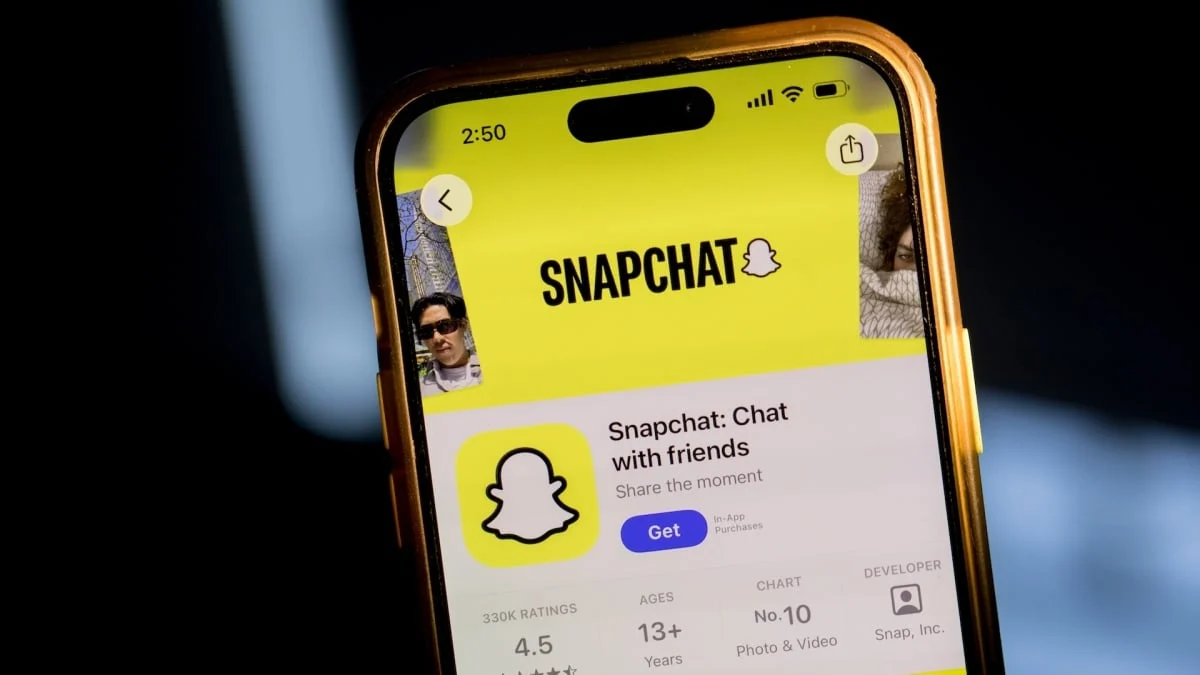
For millions of American teenagers, Snapchat is the digital town square—a place to share fleeting moments, maintain streaks, and stay connected with friends. However, a stark new report from The Heat Initiative suggests that this virtual playground is increasingly becoming a minefield of unwanted contact, predatory behavior, and harmful content. The findings have ignited a fierce debate over platform accountability, the efficacy of existing safety features, and the inherent risks of a social media environment built on vanishing messages.
The Findings: A Reality Check for Parents
The survey, which polled 1,016 teenagers between the ages of 10 and 17, paints a troubling picture of life behind the screen. According to the data, one-third of the respondents reported encountering unsafe content or receiving unsolicited messages within just the past week. Even more concerning is the long-term trend: more than half of the teens surveyed confirmed they had experienced at least one such interaction within the past year.
Sarah Gardner, CEO of The Heat Initiative, the advocacy group that spearheaded the research in partnership with organizations like Anxious Generation, ParentsTogether Action, and Design It 4 Us, argues that the results dismantle the curated image of safety often projected by Snap Inc.
“Snapchat is far less safe than parents may assume,” Gardner said. “The platform’s core design—where messages disappear the moment they are viewed—creates a unique environment where accountability is difficult to enforce, and the evidence of harm evaporates before it can be addressed.”
Top Dangerous Experiences: A Breakdown of Threats
The survey categorized the types of harmful encounters teens face, revealing a grim hierarchy of risks. The most prevalent issues reported by up to a third of participants include:
- Unwanted Contact: Persistent, unsolicited messaging from strangers.
- Bullying: Harassment and social exclusion occurring within the app’s ecosystem.
- Sexually Suggestive Content: Inappropriate messages and imagery sent to minors.
Secondary, yet significant, risks were also identified. Approximately 1 in 6 teens reported seeing content related to hate speech, illicit drugs, or alcohol. Even more distressing, a smaller but persistent percentage of respondents confirmed exposure to graphic violence and content promoting self-harm.
Perhaps most alarming is the discovery that more than 40 percent of those who received unwanted messages suspected—or were certain—that the sender was an adult. This statistic directly challenges Snap’s long-standing assertion that its automated safety measures effectively shield minors from adult predators.
Chronology of Growing Scrutiny
The relationship between Snap Inc. and safety advocates has been increasingly adversarial over the past two years.
- January 2024: Snap CEO Evan Spiegel testified before Congress, acknowledging that more than 20 million American teens utilize the platform, a figure that highlights the sheer scale of the potential impact.
- December 2025: The Heat Initiative conducted the survey of 10-to-17-year-olds, laying the groundwork for the current debate.
- January 2026: Snap settled a high-profile lawsuit brought by a teenager who alleged that the company’s algorithmic recommendations fostered addictive behavior and contributed to significant mental health decline.
- Early 2026: Following the settlement, Snap introduced enhanced parental controls, attempting to bridge the gap between user autonomy and protective oversight.
- May 2026: The publication of The Heat Initiative’s full report, bringing the issue of "vanishing safety" back to the forefront of the public consciousness.
The Corporate Stance vs. Reality
Snap Inc. has firmly contested the findings of The Heat Initiative. In a statement provided to the media, a company spokesperson emphasized that protecting young users remains their highest priority.
"We share the goal of keeping young people safe online and continuously invest in protections designed to reduce potential harmful interactions on Snapchat," the spokesperson stated. "While we respect the role of advocates in raising important issues, we believe this report does not fully reflect the significant investments Snap has made to help protect young people."
The company points to its community guidelines, which strictly prohibit the sale of drugs, hate speech, bullying, and the distribution of illicit content. Furthermore, Snap notes that accounts are private by default, and users can only communicate with those they have mutually accepted as friends or who are already in their contact lists.
However, critics argue that these policies are undermined by design features like "Find Friends," which suggests potential connections. One in 6 survey respondents reported that this feature frequently recommended accounts of strangers who appeared to be adults, providing a pathway for unwanted interactions that circumvent privacy settings.
Implications: The Desensitization of a Generation
One of the most profound takeaways from the survey is how teenagers are adapting to this toxic environment. When faced with harmful content, two in five teens simply close the app or ignore the message. More than half of those who do so admitted they have become "used to it."
"Right now, Snap is putting the onus on the kids themselves to navigate a minefield of unwanted content," Gardner noted. "What you see in the poll is that kids have sort of succumbed to it. They aren’t reporting it because they don’t believe the platform will act, or because they’ve become desensitized to the fact that this is a regular part of their online experience."
This desensitization is compounded by the "block vs. report" trend. Research from the nonprofit Thorn has historically shown that minors prefer to block problematic users rather than report them to platform moderators. This suggests a lack of faith in the platform’s reporting mechanisms, leaving the underlying predatory behavior to continue, often targeting other, more vulnerable users.
Expert Perspectives: A Wake-Up Call
Dr. Mitch Prinstein, co-director of the Winston Center on Technology and Brain Development at the University of North Carolina at Chapel Hill, believes this survey serves as a vital wake-up call for parents.
"It’s really important for parents to know that kids’ social media looks very different from their own," Prinstein stated. "The survey tells us what kids have been informally telling us about for a long time: social media is not simply a safe place to hang out with friends."
Dr. Brian Levine, director of the UMass Cybersecurity Institute and an expert in preventing child exploitation, adds a structural critique. He questions the ethical implications of using algorithms to mix adults and children on the same platform.
"Nobody’s looking for a perfect score here," Levine remarked. "But where else in society do we liberally mix kids and adults in an algorithmic way? When you look at the design—specifically the vanishing messages—you have to ask: is that really the safest product for children? Or is it a feature that actively hides the evidence of exploitation from parents and authorities?"
Levine suggests that for platforms to truly move toward a safer model, they must implement more rigorous age-assurance technology, reconsider the use of end-to-end encryption for minors in communications with strangers, and ban the use of VPNs to circumvent age restrictions.
Looking Ahead: The Path to Reform
The tension between digital innovation and user safety shows no sign of abating. While platforms like Snapchat argue that they are balancing the need for connection with the imperative of safety, advocates like those at The Heat Initiative maintain that the current model is failing.
For parents, the takeaway is clear: the digital environment is not inherently safe. The prevalence of unwanted contact and the normalization of harmful behavior among teens suggest that passive monitoring is no longer sufficient. As the debate continues to unfold, the focus will likely shift toward legislative action and the demand for greater transparency regarding how algorithms facilitate, or fail to prevent, the mixing of adult and minor users.
Ultimately, the findings of this survey serve as a stark reminder that as long as platforms prioritize growth and engagement features—such as vanishing messages and automated friend suggestions—the responsibility of safety will continue to be a heavy, and often overwhelming, burden for the youth of today.
 Suro Senen
 Nana Wu
 Neng Nana
