

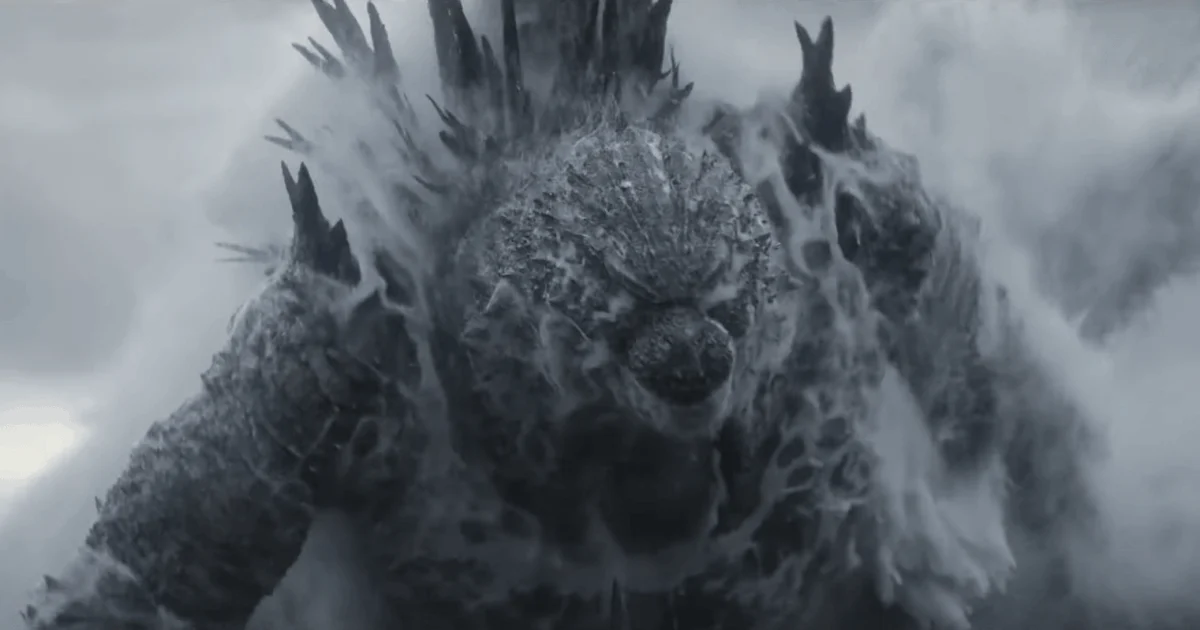
In the pantheon of cinematic monsters, few entities command as much reverence and terror as the King of the Monsters. Following the global phenomenon that was 2023’s Godzilla Minus One, writer-director Takashi Yamazaki has returned to the scorched earth of postwar Japan with a direct sequel that is as ambitious as it is emotionally harrowing. Titled Godzilla Minus Zero, the film serves as the second chapter in what is shaping up to be a definitive modern trilogy, expanding the franchise’s thematic reach while pushing the boundaries of kaiju spectacle.
The Logic of the Defining the "Minus"
When Takashi Yamazaki first unveiled the title Godzilla Minus One, he was met with curiosity regarding its numerical oddity. He explained that the title held two distinct, co-equal meanings: it served as a temporal marker, positioning the film before Ishirō Honda’s 1954 original, and it acted as a metaphorical indicator of Japan’s state at the time. "People rise up from a postwar Japan that is at zero," Yamazaki noted, "and then Godzilla arrives, making the situation even worse and more tragic."
With Godzilla Minus Zero, Yamazaki doubles down on this bleak, arithmetic-based branding. While critics have jokingly compared the title to the absurdly named novel-within-a-film from Alexander Payne’s Sideways—The Day After Yesterday—the logic remains consistent. If Minus One depicted the struggle to reclaim a baseline existence, Minus Zero explores the precariousness of that newly forged equilibrium. It is a title that encapsulates a fragile society fighting to maintain its footing in an era where the shadow of the nuclear age has become a permanent feature of the landscape.
A Chronology of Chaos: The Arrival of King Ghidorah
Set in 1949, two years after the cataclysmic events of the predecessor, Godzilla Minus Zero wastes no time in escalating the threat. While the previous film focused on the singular, lumbering dread of Godzilla, the sequel introduces a more agile and arguably more malicious antagonist: King Ghidorah.

The narrative begins with a meteor strike in the mountains of Japan, a chaotic point of origin that serves as the arrival of the three-headed dragon. Unlike the radioactive, slow-burn terror of Godzilla, Ghidorah presents an immediate, aerial, and kinetic threat. By placing the action in 1949, Yamazaki crafts a timeline that feels claustrophobic; the characters are still nursing the physical and psychological wounds of the previous attack when this new, extraterrestrial menace descends upon the Nagano hills. With Godzilla ostensibly obliterated and left to decay on the ocean floor at the conclusion of the first film, the stage is cleared for Ghidorah to wreak havoc on a nation that has barely begun to catch its breath.
Supporting Data: The Architects of Defense
The film’s human element is anchored by a blend of returning favorites and new faces who bring necessary gravitas to the high-stakes drama. Hidetaka Yoshioka reprises his role as the eccentrically brilliant naval engineer Noda. Now appointed to the head of the Large-Scale Disaster Response Bureau, Noda provides the intellectual backbone of the resistance.
He is bolstered by two critical additions:
- Makoto Aoyama (Masami Nagasawa): A meteorologist whose technical precision in predicting environmental shifts proves vital in tracking and countering Ghidorah’s flight patterns.
- Kanji Murakami (Min Tanaka): An embittered biologist whose backstory—a survivor of the Hiroshima bombing, the Ginza attack, and now the Matsumoto assault—serves as the film’s moral conscience. Murakami’s presence is a poignant nod to the real-life endurance of survivors like Tsutomu Yamaguchi, providing a visceral link to the historical trauma that defines the series.
These characters operate in a vacuum where the Japanese government remains largely impotent, forcing a grassroots coalition to handle a global threat. This narrative choice highlights the central conflict: the tension between the self-reliant Japanese survivors and the arriving U.S. military forces, who are portrayed as opportunistic, power-hungry, and fundamentally detached from the emotional cost of the conflict.

Official Responses and Thematic Nuance
The critical reception of Godzilla Minus Zero has been largely positive, with many praising the film’s ability to balance the bombastic nature of the kaiju genre with the intimate, often painful, character studies of its protagonists. The film’s "R" rating—a first for the franchise—reflects a move toward a more mature, Darwinian depiction of combat.
Thematic threads of vengeance versus peace, and grief versus growth, are woven into the journey of Kōichi Shikishima (Ryunosuke Kamiki). The former kamikaze pilot, now a husband to the enigmatic Noriko (Minami Hamabe) and an adoptive father to Akiko, finds his past catching up to him. Shikishima’s struggle is the heartbeat of the film; he is a man who has traded the desire for a "heroic" death for the quiet, difficult responsibility of living. His reluctance to return to the cockpit serves as the film’s central emotional pivot: is it better to fight for a world that may never be safe, or to hide in the domesticity of a life that could be extinguished in an instant?
Implications: The Future of the Franchise
The implications of Godzilla Minus Zero for the broader franchise are significant. By expanding the lore to include classic TOHO monsters like Ghidorah, Yamazaki is clearly signaling a desire to elevate the stakes of his specific continuity. The film functions as the "middle chapter" of a trilogy, and it effectively sets the stage for a grand conclusion.
Technically, the film marks a leap forward. The special effects, particularly the aerial sequences, utilize IMAX-scale cinematography to create a sense of scale and visceral intensity that surpasses the work seen in Minus One. The score by Naoki Satō, characterized by its Wagnerian sweep, ensures that the monster battles feel as much like tragedies as they do displays of physical power.

However, the film is not without its critics. Some argue that it lacks the pure, unfiltered, and groundbreaking social commentary of the 1954 original. Yet, within its own framework, it succeeds in making the audience feel the weight of every casualty. The final showdown between Godzilla and Ghidorah, while occasionally mired in grayscale atmospherics, is a masterclass in choreographed destruction. It leaves the viewer with a lingering sense of unease—a reminder that in this universe, peace is never more than a temporary reprieve.
Conclusion: A New Standard for Kaiju Cinema
Godzilla Minus Zero arrives at a time when the genre is often associated with "monster mash" excess. By tethering its spectacle to the profound, lingering trauma of the postwar experience, Yamazaki ensures that the destruction is not just loud—it is meaningful. Whether one views the film as a political allegory or a high-octane creature feature, its impact is undeniable.
As the credits roll and the fate of Japan remains shrouded in the uncertainty of a looming third chapter, one thing is clear: the King of the Monsters is not just back; he is part of a complex, evolving saga that demands our full attention. Godzilla Minus Zero is a haunting, exhilarating achievement that cements Takashi Yamazaki’s place as the current steward of the franchise’s legacy. With its November 6 theatrical release via GKIDS, audiences will finally have the chance to witness the next, most dangerous step in the journey of the monsters who define our fears.
Grade: B+
 Asep Darmawan
 Jia Lissa
