

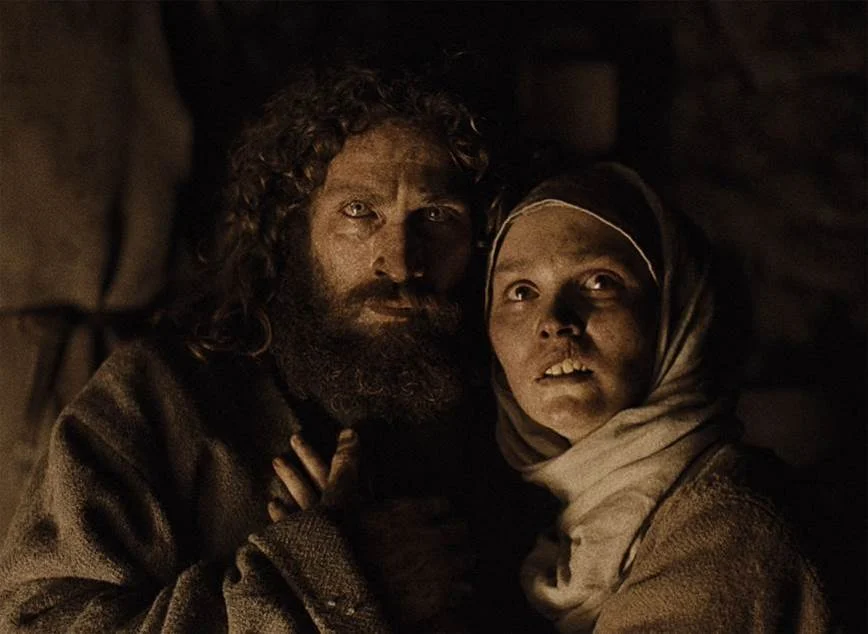
As the autumn leaves begin to turn and the chill of the coming winter settles over the Northern Hemisphere, the cinematic landscape prepares for a descent into the macabre. For fans of elevated horror and period-accurate dread, the most anticipated event of the holiday season is not a family-friendly blockbuster, but the latest offering from auteur Robert Eggers. Known for his meticulous, atmospheric, and historically obsessive approach to filmmaking, Eggers is poised to redefine the lycanthropy subgenre with his upcoming film, Werwulf.
Set to arrive in theaters on December 25, Werwulf marks the next chapter in an illustrious career that has already produced such genre-defining landmarks as The Witch, The Lighthouse, and The Northman. With this new project, Eggers is turning his gaze toward 13th-century England, promising a visceral, uncompromising exploration of the beast within.
The Genesis of a Modern Monster
The journey to Werwulf began long before the cameras started rolling on the damp, sprawling sets of 13th-century England. For Eggers, the project represents a return to his lifelong fascination with the intersection of history and folklore. Unlike many modern interpretations of the werewolf myth—which often rely on heavy CGI and action-oriented narratives—Eggers has sought to ground his film in the psychological and social realities of the Middle Ages.
The plot, while guarded with the secrecy typical of a Focus Features high-profile release, follows a protagonist (played by Aaron Taylor-Johnson) grappling with the terrifying, involuntary transformations that occur under the light of the full moon. However, the film is not merely a creature feature; it is described as a "harrowing tale of devotion, damnation, and the devil within." By anchoring the horror in a period-accurate setting, Eggers aims to capture the genuine, agonizing terror that a 13th-century villager would experience when confronted with the unknown.
Chronology of the Production
The development of Werwulf has been a carefully orchestrated campaign, designed to build anticipation while maintaining the mystery central to Eggers’ brand.
- Initial Development: Following the critical success of The Northman and the wrapping of Nosferatu, rumors began to circulate regarding Eggers’ next project. The director confirmed his interest in tackling the "darkest" material of his career.
- CinemaCon Reveal: The first tangible proof of the project arrived at CinemaCon, where Focus Features screened early footage to an awestruck industry audience. The brief, visceral clips signaled a shift away from the stylized folklore of The Witch toward something more visceral and raw.
- The First Trailer: With the release of the initial teaser, the public got its first look at the film’s aesthetic—desaturated palettes, mud-caked landscapes, and the palpable tension that has become an Eggers trademark.
- The Second Trailer and Marketing Push: Recently, Focus Features unveiled a second, more revealing trailer, providing a clearer look at the film’s ensemble cast, which includes longtime Eggers collaborators Willem Dafoe and Lily-Rose Depp.
- The Release: Werwulf is scheduled for a wide theatrical release on December 25, capping off a year of significant anticipation.
A Deep Dive into the Darkest Work
In a recent appearance at the Universal lot, moderated by Focus Features chairman Peter Kujawski, Eggers provided rare insight into his creative process and the thematic weight of Werwulf. When asked about the film’s tone, Eggers did not mince words, characterizing it as the darkest project he has ever helmed.

"You’re always trying to push yourself and challenge yourself," Eggers explained. "After Nosferatu, I asked myself to write the scariest thing I could. I don’t know if I succeeded in making it the ‘scariest,’ but it is undeniably the darkest. It was clear to me that it had to be a werewolf movie because of the historical research I’d done since high school. The accounts of historical werewolves—or people accused of being such—involved acts that were so taboo, so extreme, that the culture of the time could only rationalize them by declaring, ‘You cannot be human; you must be a werewolf.’"
This focus on the "primal subject matter" suggests that Werwulf will act as a psychological mirror, forcing the audience to confront the thin line between human behavior and bestial violence.
Supporting Data: The Craft Behind the Horror
The production design of Werwulf is supported by an industry-leading team, including co-writer Sjón, who has become a vital collaborator for Eggers. The film’s producers—Chris Columbus, Eleanor Columbus, Bernard Bellew, Tim Bevan, Eric Fellner, and Garrett Bird—represent a coalition of seasoned veterans capable of managing the logistical complexities of a period piece of this magnitude.
Furthermore, the film’s release is being bolstered by a unique marketing strategy: an Alternate Reality Game (ARG). The game, accessible via the website DevourethAllMankynde.com, is tied to the lunar cycle. For the three months leading up to the film’s release, fans are invited to participate in 24-hour scavenger hunts triggered by the full moon. By deciphering codes and engaging with the film’s digital ecosystem, fans are not only promoting the movie but are also being immersed in the same folklore-heavy world that Eggers has spent years crafting.
Official Responses and Industry Implications
The industry reception to the project has been overwhelmingly positive, with Focus Features doubling down on their partnership with the director. Not only is the studio pushing Werwulf as a primary awards-season contender, but they have already confirmed that Eggers will next helm an adaptation of Shakespeare’s Romeo & Juliet.
This move underscores a significant trend in contemporary cinema: the rise of the "auteur-driven franchise." Focus Features is banking on the fact that an Eggers film is a brand unto itself, one that commands a loyal, highly engaged audience that values technical mastery and historical authenticity. By giving Eggers the creative freedom to explore such dark themes, the studio is effectively carving out a space for "prestige horror" in a market often dominated by conventional sequels and superhero fatigue.

The Legacy of the "Eggers Aesthetic"
When considering the implications of Werwulf, one must look at the trajectory of Robert Eggers’ filmography. Each of his films has served as a masterclass in world-building. The Witch brought 17th-century New England to life with chilling linguistic precision; The Lighthouse trapped audiences in a surrealist maritime nightmare; The Northman re-imagined the Viking epic with brutal, blood-soaked accuracy.
Werwulf promises to be the logical conclusion to this sequence. By focusing on the 13th-century werewolf, Eggers is tapping into the foundational fears of Western civilization—the fear of the woods, the fear of the night, and the fear of the uncontrollable impulses within our own biology.
As we approach the December release, the film stands as a testament to the power of the director’s vision. It is a bold, uncompromising piece of art that refuses to cater to the sensibilities of mainstream multiplex audiences. Instead, it invites them to sit in the dark, to listen to the howl in the distance, and to question whether the monster is in the forest—or standing right next to them.
Conclusion: A December to Remember
As the marketing campaign for Werwulf enters its final, feverish phase, the message is clear: Robert Eggers is not slowing down. He is, if anything, leaning harder into the shadows. Whether the film ultimately achieves its goal of being the "scariest" movie in his catalog remains to be seen, but the sheer ambition on display—from the historical research to the interactive ARG—suggests that Werwulf will be a transformative experience for audiences.
For those who have followed the career of this singular director, the arrival of Werwulf is more than just a release date; it is an event. As the moon rises this December, the cinema will become a place of ancient, primal, and deeply unsettling revelation.
 Jia Lissa
 Lina Irawan
 Iffa Jayyana
