

By [Your Name/Journalist]
Published July 23, 2026
The Splatoon series has long been defined by its frantic, four-on-four turf wars and the chaotic, cooperative defense of Salmon Run. However, with the launch of Splatoon Raiders, Nintendo EPD has fundamentally shifted the paradigm. By moving away from the rigid weapon-sub-weapon pairings of previous titles and introducing a modular, treasure-hunting extraction loop, Raiders demands a new way of thinking. For players transitioning from the competitive arena to the unpredictable depths of this new experience, mastering the mechanics is no longer just an advantage—it is a necessity for survival.
The Evolution of Turf: Understanding the Core Changes
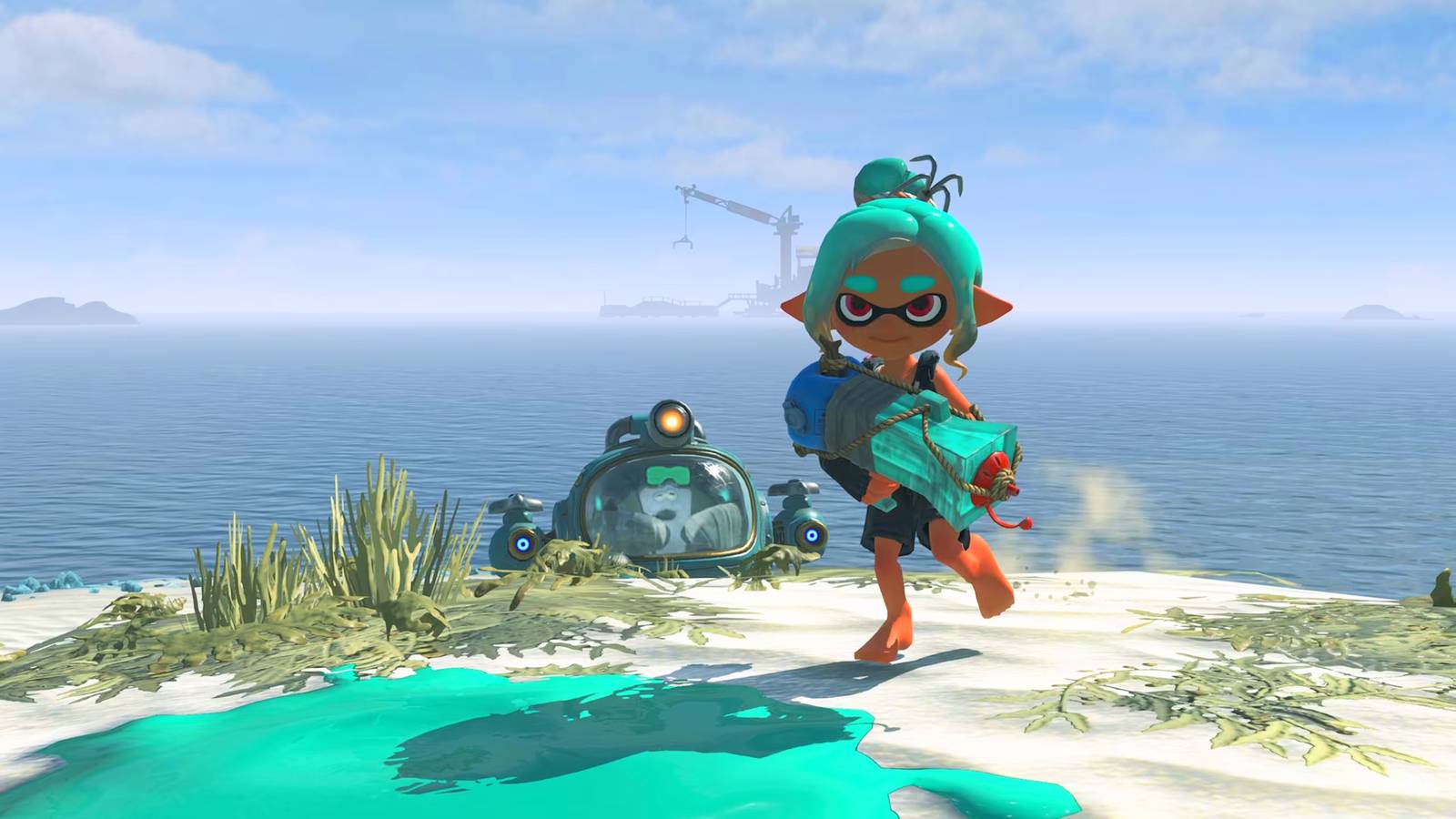
At the heart of Splatoon Raiders is a departure from the "locked-in" loadout system that characterized Splatoon 3. In the past, choosing a main weapon meant accepting a specific sub-weapon and special. Raiders shatters this design philosophy. Players now have the freedom to decouple their primary weapons from their gadget tanks, allowing for an unprecedented level of build customization.
This change serves as the foundation for the game’s core loop: raid, collect, adapt, and repeat. Whether you are navigating the ink-slicked battlegrounds solo or coordinating with a squad, the game encourages a "gadget-first" approach, where the strategic utility of your equipment often outweighs the raw fire rate of your primary weapon.
Chronology of the Raid: A Strategic Breakdown
To understand how to succeed in Splatoon Raiders, one must view a mission not as a singular fight, but as a series of calculated encounters.
Phase 1: The Initial Drop and Deployment
Upon entering a sector, your first priority is the establishment of a "safe zone." Even though the game is not a traditional turf war, the utility of your own ink remains paramount. Unlike previous titles, where ink coverage was for map control, in Raiders, it is a survival mechanism. Swimming through your own ink is the only way to effectively outmaneuver the overwhelming number of Salmonids that will converge on your position.
Phase 2: Engagement and Gadget Utilization
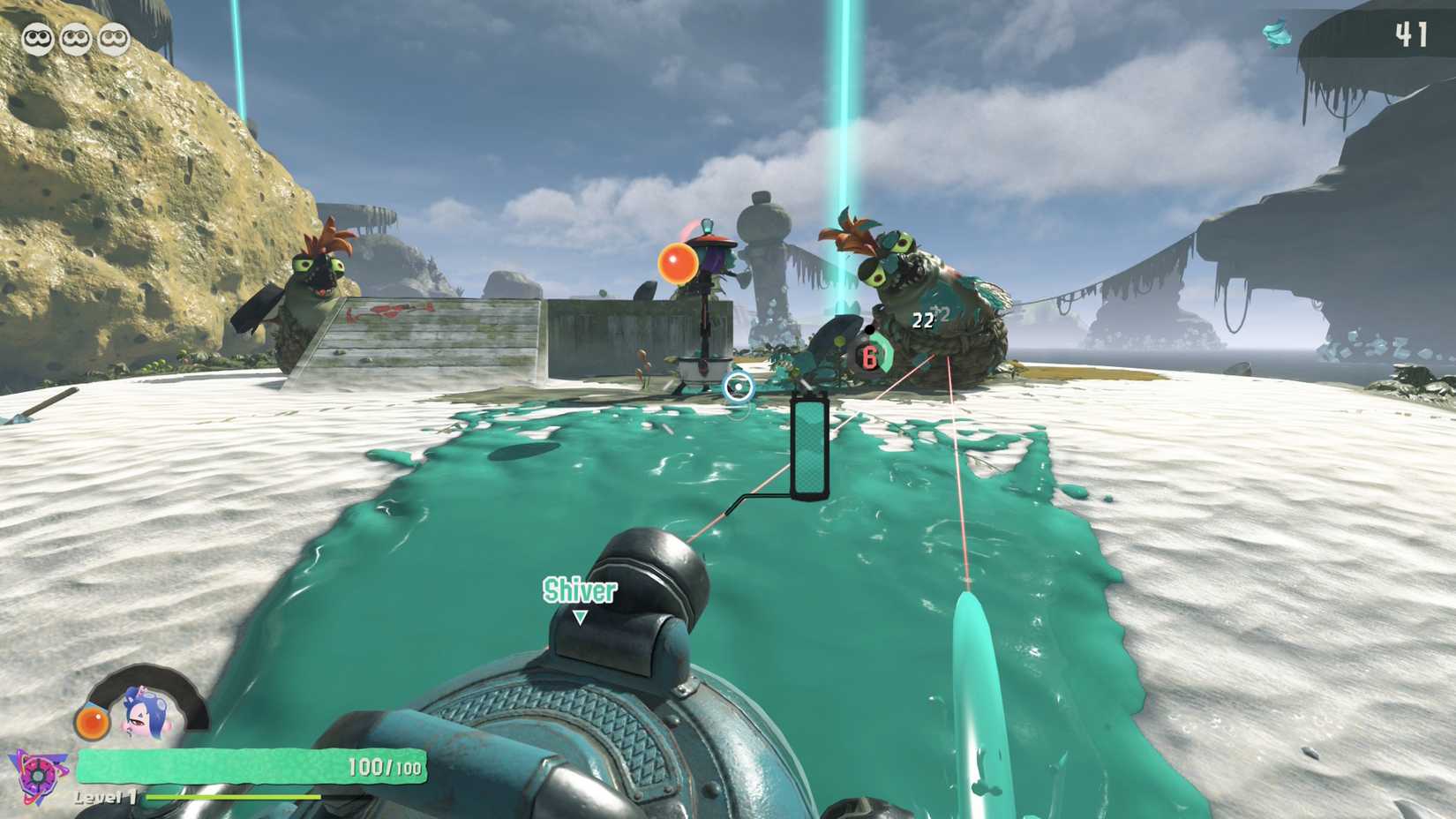
Once combat begins, the "Use Your Gadgets" rule comes into play. The game’s design forces players to view their "gadget tanks" as primary assets. From the moment the first skirmish breaks out, these abilities should be active. Their function is two-fold: damage output and crowd control. By effectively using gadgets to mark or distract groups of enemies, players can create the necessary "breathing room" to reposition.
Phase 3: The Extraction and Loot Loop
As the raid progresses, players will find themselves accumulating weapons and upgrade mods. A common pitfall for newcomers is the fear of missing loot. Splatoon Raiders mitigates this anxiety through an automated collection system. If you cannot reach a specific item due to the intensity of a horde, the game will automatically add it to your post-raid inventory. This design choice allows players to prioritize survival over greed, ensuring that progress is rewarded regardless of the player’s ability to "clear" the map of every collectible.

Supporting Data: Optimizing Your Build
Effective loadout management is the differentiator between a successful extraction and a failed run.
The Utility of the Treasure Bot
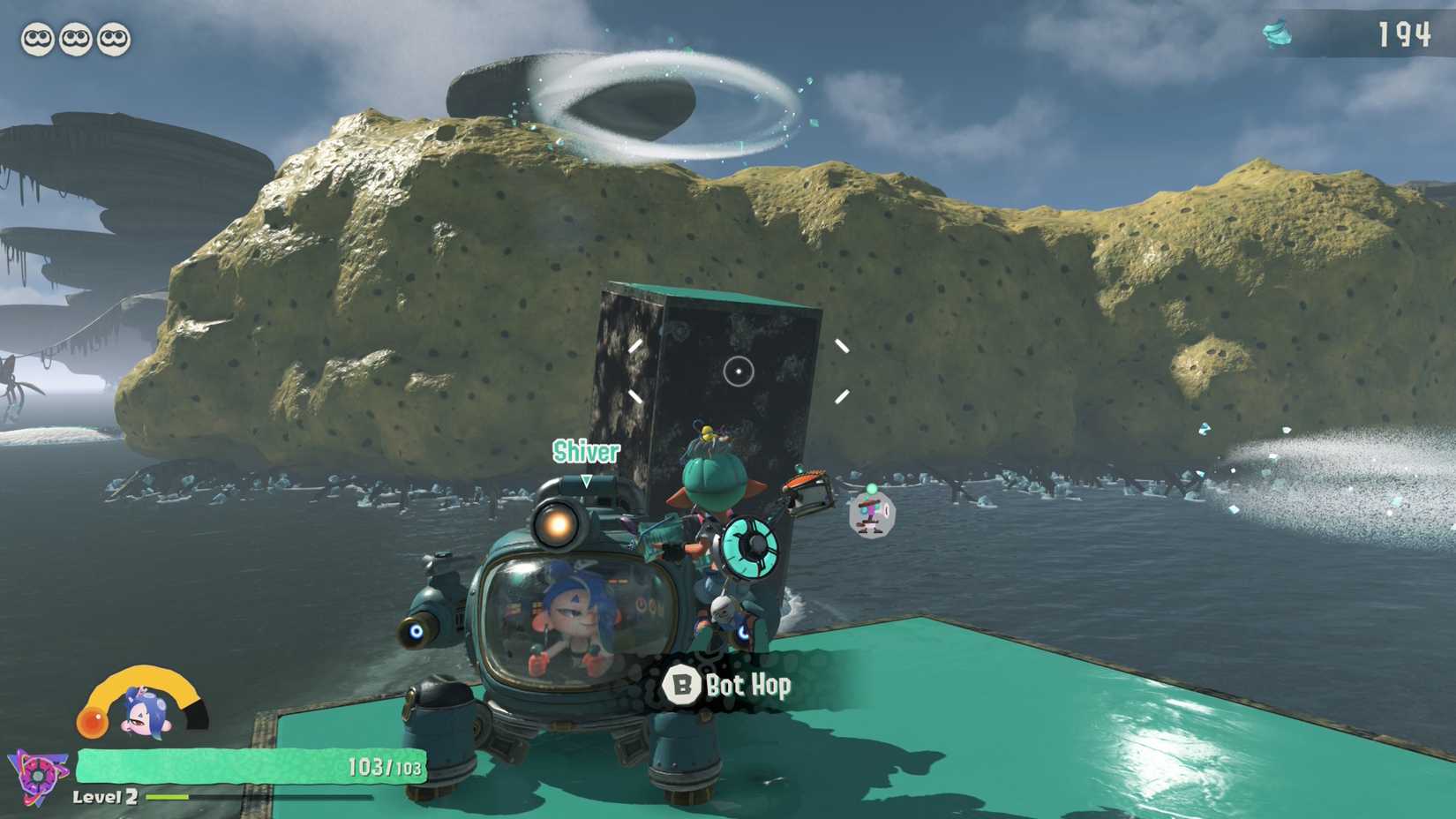
The inclusion of a "Treasure Bot"—often manned by fan-favorite characters like Shiver, Frye, or Big Man—serves as the player’s primary support. Pressing the ‘X’ button to summon the bot for a tactical strike is an essential skill. Not only does it deal damage, but it also forces the AI enemies to retarget, shifting their focus away from the player. Understanding the cooldown and "overload" thresholds of the bot is crucial; once it takes a set amount of damage, it enters a temporary cooling-off period, leaving the player vulnerable.
Leveraging Height Advantage
The bot is not merely an offensive tool; it is a platform. By utilizing the bot’s launchpad capabilities, players can reach vantage points that are otherwise inaccessible. From these heights, players can survey the battlefield, pick off high-priority targets, and wait for the "heat" of the encounter to dissipate before dropping back into the fray.
The Modularity of Upgrades
A significant point of confusion for early players involves the investment of "Skill Points" into gadget tanks. It is important to note that these investments are universal. When a player upgrades a tank—such as adding additional mod slots—that upgrade carries over to all other tank types. This eliminates the "opportunity cost" anxiety, allowing players to experiment with different builds without the fear of wasting rare currency.
Official Perspectives: The Developer’s Vision
In recent statements, Nintendo EPD has emphasized that Splatoon Raiders was designed to be "inclusive of both high-intensity action and strategic planning." By allowing players to "auto-optimize" their gear, the developers have lowered the barrier to entry for those who find the complexity of RPG-style stat-tweaking to be overwhelming.
"We wanted the player to feel the thrill of the hunt," says one representative. "By providing an optimized auto-select feature for mods, we allow players to focus on the movement and the combat—the things that make Splatoon feel like Splatoon—rather than getting stuck in a menu."
Implications for the Future of the Franchise
The implications of Splatoon Raiders on the broader franchise are profound. By introducing an extraction-based loop, Nintendo is signaling a move toward more diverse game modes that can exist alongside the traditional competitive scene.
- Increased Build Diversity: The ability to mix and match weapons and sub-weapons suggests a future where players have thousands of potential loadout combinations, making the meta-game harder to "solve" and keeping the experience fresh for longer periods.
- Shift Toward PvE Complexity: The success of Raiders could indicate that Nintendo is willing to invest more heavily in PvE (Player vs. Environment) content, potentially paving the way for a more narrative-driven, mission-based Splatoon title in the future.
- Accessibility vs. Depth: The game strikes a precarious balance between deep customization for hardcore players and automated assistance for newcomers. This dual-track design will likely be the blueprint for future Nintendo multiplayer experiences, ensuring that the skill ceiling remains high while the skill floor remains approachable.
Final Tips for Aspiring Raiders
As you delve deeper into the game, keep these three final tenets in mind to maximize your effectiveness:
- Adapt Your Playstyle: Never take a charger-class weapon into a melee-heavy zone and expect to survive. Match your positioning to your weapon’s effective range.
- Don’t Fear the Unknown: Because there is no penalty for swapping gear, the game is a sandbox. If you feel like your current setup is stagnating, change your tank or your primary weapon entirely.
- The Power of Percentage: While a 10% increase in damage might seem negligible, in the context of a horde mode where you are facing dozens of enemies simultaneously, those cumulative percentage gains are the only way to keep up with the scaling difficulty of higher-tier raids.
Splatoon Raiders is not just a spin-off; it is a reinvention of the series’ combat mechanics. By focusing on movement, smart gadget usage, and iterative build optimization, players will find that the Salmonid smackdown is not only survivable—it is immensely rewarding. Whether you are a veteran of the Turf Wars or a newcomer to the ink-splattered world, the treasures of the raid await.
 Basiran
 Nana Muazin
 Layla Zulfa
