

By Crystal Bell
June 18, 2026
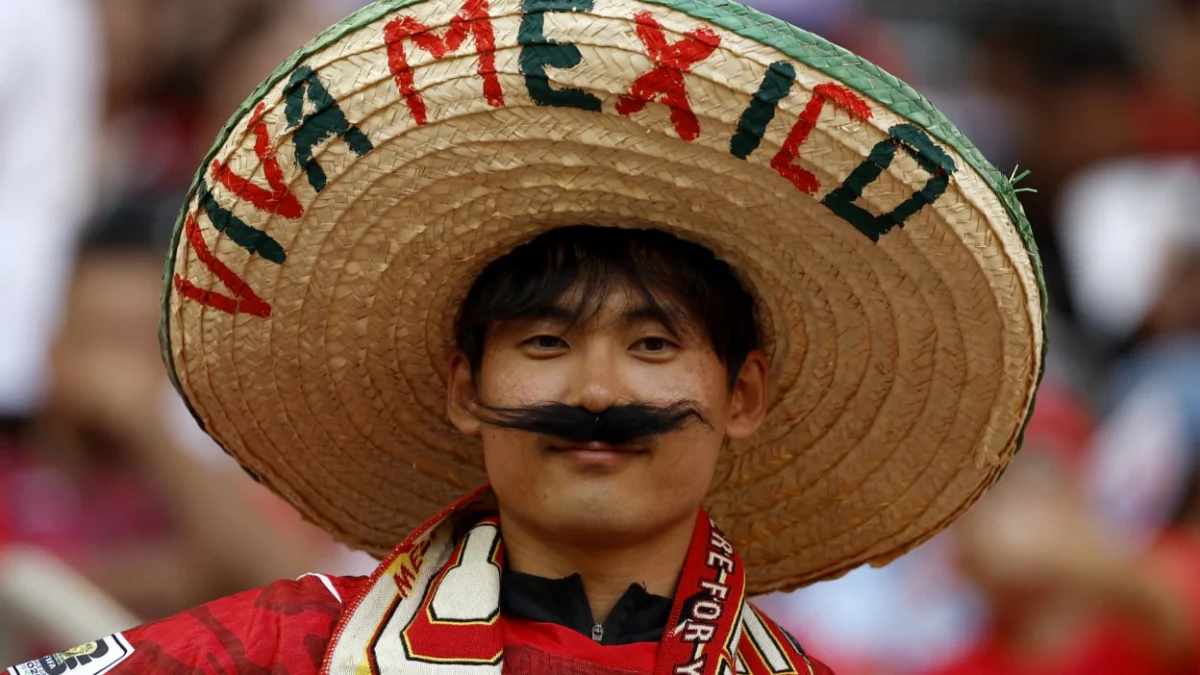
If the FIFA World Cup were a romantic comedy, the narrative arc between Mexico and South Korea would be the quintessential "strangers-to-lovers" trope. As the two nations prepare for a high-stakes Group A clash on this Thursday night, the atmosphere in the host cities is remarkably devoid of the typical, chest-thumping hostility usually reserved for international football rivalries. Instead, the streets are filled with the shared rhythms of K-pop, the clinking of tequila glasses, and a mutual adoration that has become the most heart-warming subplot of the 2026 tournament.
The Genesis of an Unlikely Alliance
To understand the current camaraderie, one must look back to the 2018 World Cup. It was there that South Korea pulled off a seismic 2-0 upset against Germany in the final group stage match. That result was not just a historic moment for Asian football; it was a lifeline for Mexico, as it effectively cleared the path for El Tri to advance to the Round of 16.
The gratitude displayed by Mexican fans was instantaneous and visceral. Thousands of supporters gathered outside the South Korean embassy in Mexico City, chanting, "Coreano, hermano, ya eres Mexicano" ("Korean brother, you are Mexican now"). The displays of affection included everything from the playful hoisting of South Korean diplomats onto shoulders to the crowdfunding of beer for visiting Korean fans. That singular moment in 2018 acted as a permanent cultural anchor, transforming South Korean players into honorary national heroes in the eyes of Mexican football enthusiasts.
A Chronology of Cross-Cultural Fandom
The "friendship" has evolved from a one-off viral moment into a deeply embedded cultural exchange. Over the last eight years, the bond has been reinforced by the massive, simultaneous rise of both Hallyu (the Korean Wave) and Mexican cultural export.

- 2018: The "Miracle of Kazan"—South Korea’s victory over Germany—becomes the foundation of the modern diplomatic friendship between the fanbases.
- 2020–2024: Mexico solidifies its position as a powerhouse for K-pop consumption. Global touring acts from Seoul, including BTS, BLACKPINK, and Stray Kids, find that their largest and most fervent markets outside of Asia are frequently located in Mexico City and Guadalajara.
- 2025: Spotify data confirms that Mexico ranks fifth globally for K-pop streaming, proving that the affinity between the two nations is no longer just about sports—it is a lifestyle.
- June 2026: Ahead of the current World Cup, the arrival of the South Korean team in Guadalajara is met with scenes more akin to a rock concert than a sports arrival, as hundreds of fans greet the squad with banners, gifts, and cheers, signaling that the eight-year-old bond remains unbroken.
The Digital Echo Chamber: Data and Trends
The intensity of this relationship is best quantified by social media activity. The #MexicoVsSouthKorea hashtag is currently trending, not with the usual vitriol of sports fandom, but with a deluge of collaborative content. Fans are swapping jerseys, filming TikToks where they teach one another traditional dances, and creating "fusion" content that blends traditional Mexican mariachi music with popular K-pop anthems.
Digital analysts have noted that this is a unique phenomenon. Typically, social media algorithms amplify "us vs. them" narratives. However, for Mexico and South Korea, the algorithms have favored "us and them." Metrics from platforms like X (formerly Twitter) and Instagram indicate that sentiment analysis for this match-up is overwhelmingly positive, with users from both countries expressing a desire for a "win-win" scenario—often jokingly rooting for a draw that would allow both teams to progress.
Official Perspectives and Diplomatic Soft Power
The relationship has not gone unnoticed by official channels. Diplomatic representatives from both nations have leaned into the narrative, using the match as a tool for public diplomacy.
"The warmth shown by the Mexican people toward our players and fans is a testament to the power of sports to transcend borders," said a spokesperson for the South Korean Football Association. Similarly, local officials in Guadalajara have highlighted the economic and cultural benefits of hosting such a friendly rival, noting that the interaction has led to increased tourism and a surge in local interest in Korean language and culinary workshops.
This "soft power" diplomacy is rare in the high-pressure environment of the World Cup. Usually, the tournament is a venue for nationalistic fervor. Here, it is a venue for mutual appreciation. The fact that fans are already wearing hybrid jerseys—half green, white, and red; half red and blue—speaks to a level of unity that defies the competitive nature of the game.

The Inevitable Conflict: When the Whistle Blows
Despite the deep affection, there is an inescapable reality: the scoreboard. The match on June 18 is a Group A fixture, and the points on offer are vital for survival in the tournament.
Sports psychologists argue that the "friendliest rivalry" paradox adds a unique layer of pressure for the players. While the fans may be content with a draw or a performance that honors both nations, the athletes are professionals driven by the necessity to win.
"We love the fans, and we love the connection we have with Mexico," noted one South Korean team representative during a pre-match press conference. "But once the whistle blows, we are there to do a job. The friendship exists outside the 90 minutes. Inside the pitch, it is a World Cup match, and we have to play for our country."
Implications for Future International Relations
The Mexico-South Korea narrative suggests a shifting landscape for global sports. As globalization continues to influence how fans engage with teams, we are seeing a decline in the "us against the world" mentality in favor of "global community" building.
Whether this bond will survive a contentious refereeing decision, a hard tackle, or a narrow, heartbreak loss remains to be seen. However, the legacy of 2018 suggests that even if one side eliminates the other, the bond is unlikely to break.

As one supporter put it to reporters, "Whoever wins, that’s my team." It is a sentiment that encapsulates the spirit of the 2026 World Cup. In an era often defined by division, the sight of fans dancing to Gangnam Style in the heart of Mexico, while wearing the El Tri colors, serves as a poignant reminder of what the World Cup was always intended to be: a celebration of human connection.
As the world turns its eyes to the pitch this Thursday, the outcome will certainly impact the standings, but the true winner has already been decided: the enduring, unprecedented, and genuinely kind rivalry between two nations that, against all odds, have become brothers on the global stage.
 Nana Wu
 Neng Nana
 Reynand Wu
