

Main Facts
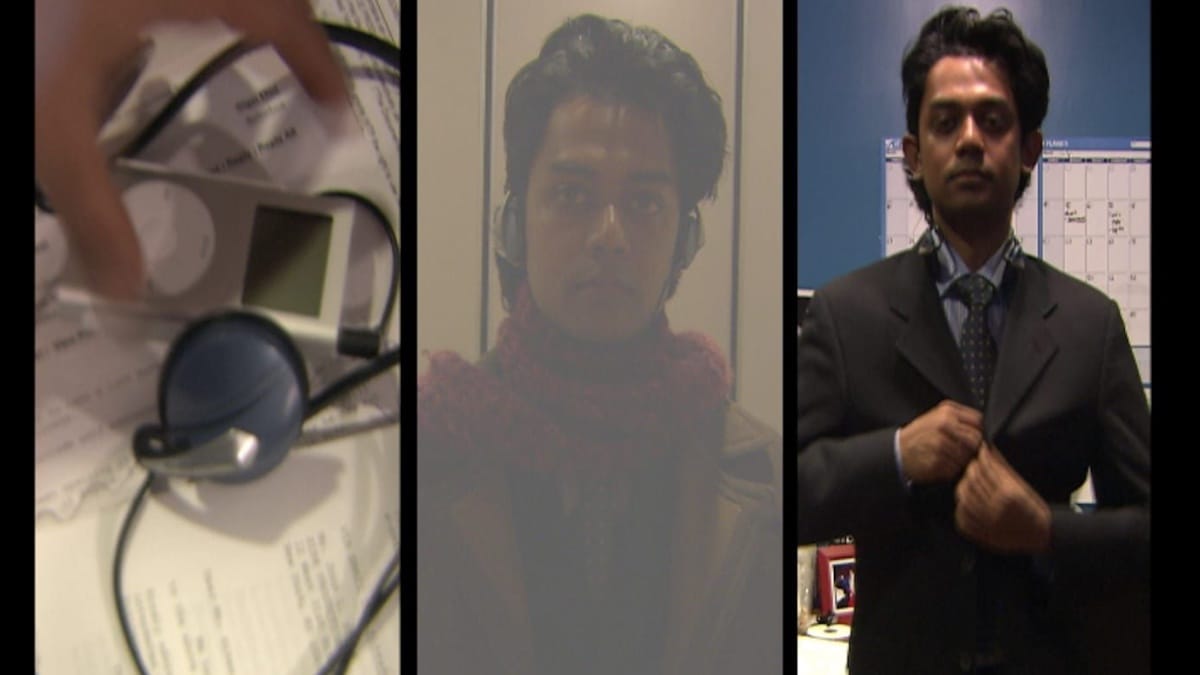
The contemporary art world is currently navigating a period of profound institutional transition, historical reckoning, and community-driven resilience. A primary focal point of this cultural moment is the 25th-anniversary reflection on the trauma of the September 11 terrorist attacks, explored deeply through the personal and political lens of artist and Columbia University professor Naeem Mohaiemen. Writing in Hyperallergic, Mohaiemen revisits the haunting autumn of 2001, juxtaposing the frantic, hopeful days spent collecting emergency supplies for survivors in Tribeca with the subsequent rise of systemic Islamophobia and the emergence of South Asian community activism.

Parallel to these historical retrospectives, structural shifts continue to impact arts education and programming across the United States. Notably, the School of Visual Arts (SVA) has announced the closure of its esteemed Photography MFA program, marking the end of an era for a curriculum that helped shape generations of professional image-makers. Meanwhile, major institutions are rolling out their seasonal offerings. This includes an incisive critical review of a new Manhattan exhibition dedicated to the late, visionary artist Pope.L, which challenges viewers to reassess the complexities of the American dream.
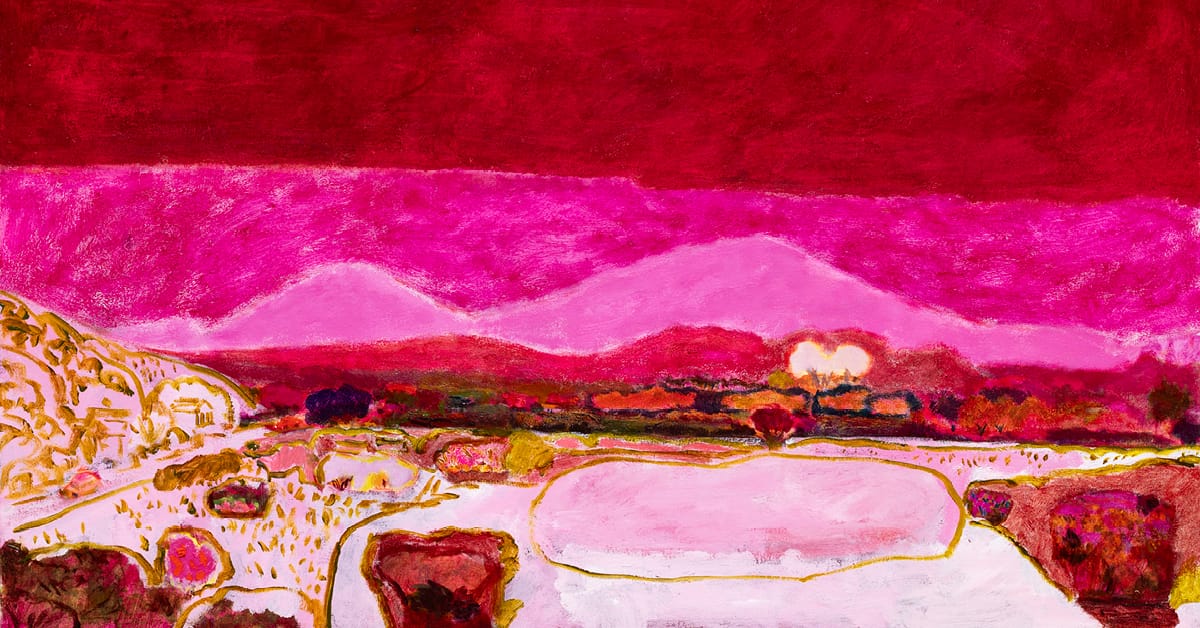
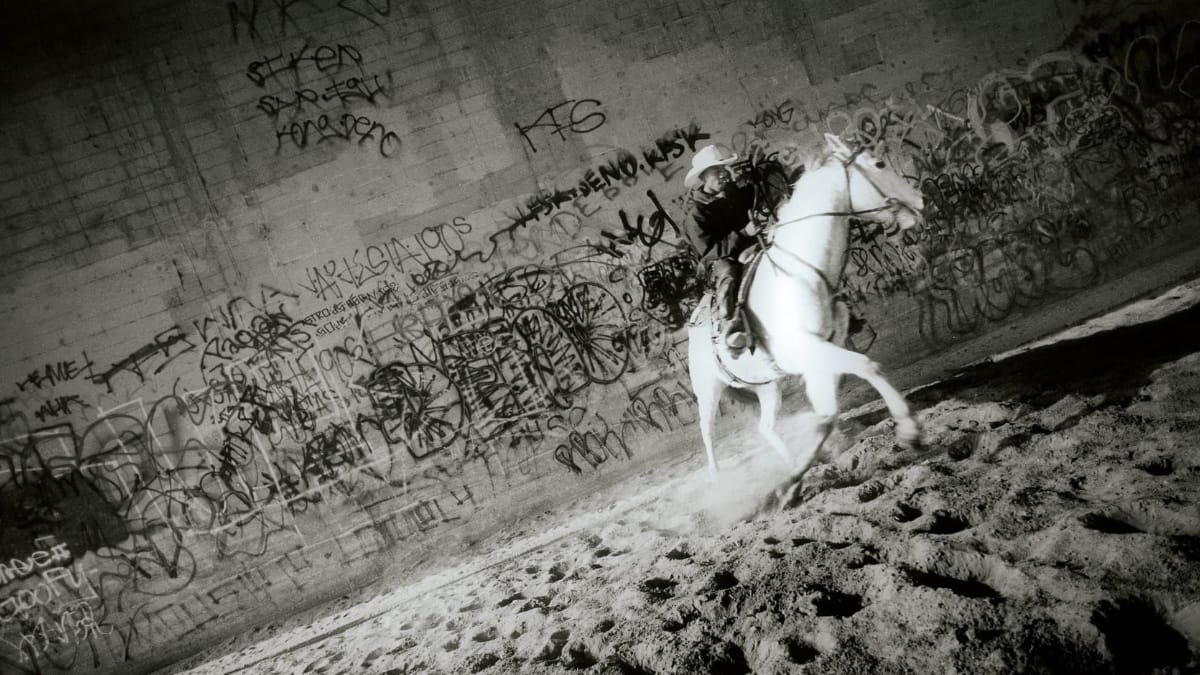
Further expanding the cultural horizon, the editorial team at Hyperallergic has released its definitive guide to the upcoming global season of "ennials"—spanning major triennials and biennials from St. Louis to Dakar. On the grassroots front, communities continue to innovate: Brooklyn has recently introduced its first-ever craft supply library, a testament to the enduring role of local librarians in preserving accessible community resources. Additionally, commercial and academic galleries are stepping into the fall calendar with significant exhibitions, such as Lisa Sanditz’s Missing Mountain at Alexandre Gallery, and institutional surveys like UCR ARTS’s upcoming retrospective on Southern California photographer Douglas McCulloh.
Chronology
To understand the trajectory of these cultural developments, it is essential to examine the timeline connecting historical trauma, institutional shifts, and contemporary milestones:
- September 2001: The September 11 attacks reshape the socio-political landscape of New York City. Artist Naeem Mohaiemen and other community members spend days gathering emergency supplies in Tribeca, waiting for survivors who ultimately do not emerge from the wreckage.
- 2004: Mahmood Mamdani publishes Good Muslim, Bad Muslim, a seminal text analyzing post-9/11 geopolitical rhetoric and its impact on Muslim identity—a work that profoundly influences a generation of South Asian artists and activists.
- 1990–2025: The operational timeframe captured in Douglas McCulloh’s expansive photographic survey, Dispatches, scheduled for presentation at UCR ARTS this fall.
- September 18 – November 7 (Current Season): Lisa Sanditz’s exhibition Missing Mountain runs at Alexandre Gallery, featuring new paintings and works on paper, accompanied by an artist talk on September 24.
- September 25 (Upcoming Deadline): The submission deadline for the 2026 Foundwork Artist Prize, which offers a $10,000 grant and high-profile studio visits with international jurors.
- Fall 2026 Season: A dense period featuring the rollout of global art triennials and biennials, alongside institutional adjustments like the phasing out of SVA’s Photography MFA program and the launch of new community-focused initiatives like Brooklyn’s craft supply library.
Supporting Data
The contemporary arts ecosystem thrives on financial backing, institutional support, and programmatic infrastructure. Several key data points and institutional offerings define the current cultural landscape:
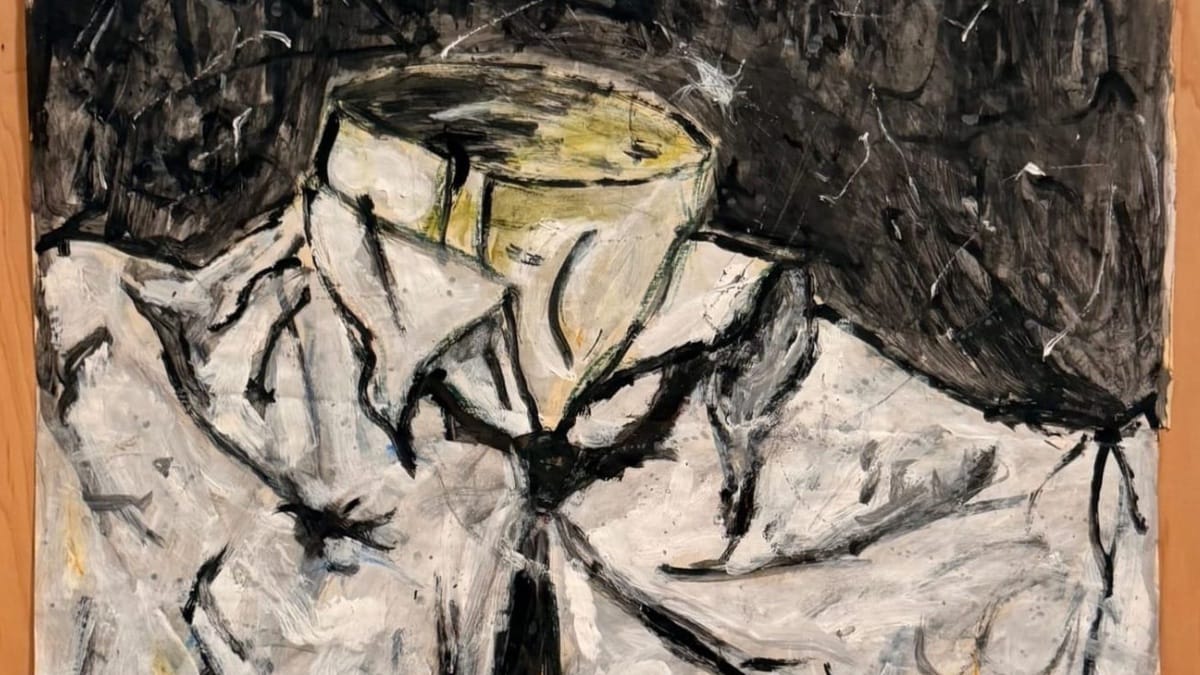
- The Foundwork Artist Prize (2026): Offers a primary grant of $10,000 to the chosen honoree, alongside three runner-up grants of $1,000 each. The initiative provides invaluable professional exposure through studio visits with prominent international jurors, including Stefan Benchoam, François Ghebaly, Manuela Moscoso, Gabi Ngcobo, and Esther Schipper.
- Academic Investments: Programs like the University of Michigan’s Stamps School of Art & Design continue to buck national trends of rising student debt by maintaining a fully funded, tuition-free MFA structure that merges studio art with rigorous interdisciplinary research.
- Exhibition Timelines and Geographic Reach: The fall 2026 calendar maps out 15 major art biennales and triennials globally, illustrating a decentralized international art market stretching from regional American hubs like St. Louis to international cultural capitals like Dakar.
- Archival and Survey Spans: Douglas McCulloh’s retrospective at UCR ARTS spans a 35-year archive (1990–2025), offering a longitudinal study of Southern California’s photographic topography.
Official Responses and Critical Commentary
The intersection of art, politics, and institutional policy has drawn poignant commentary from artists, critics, and educators alike:
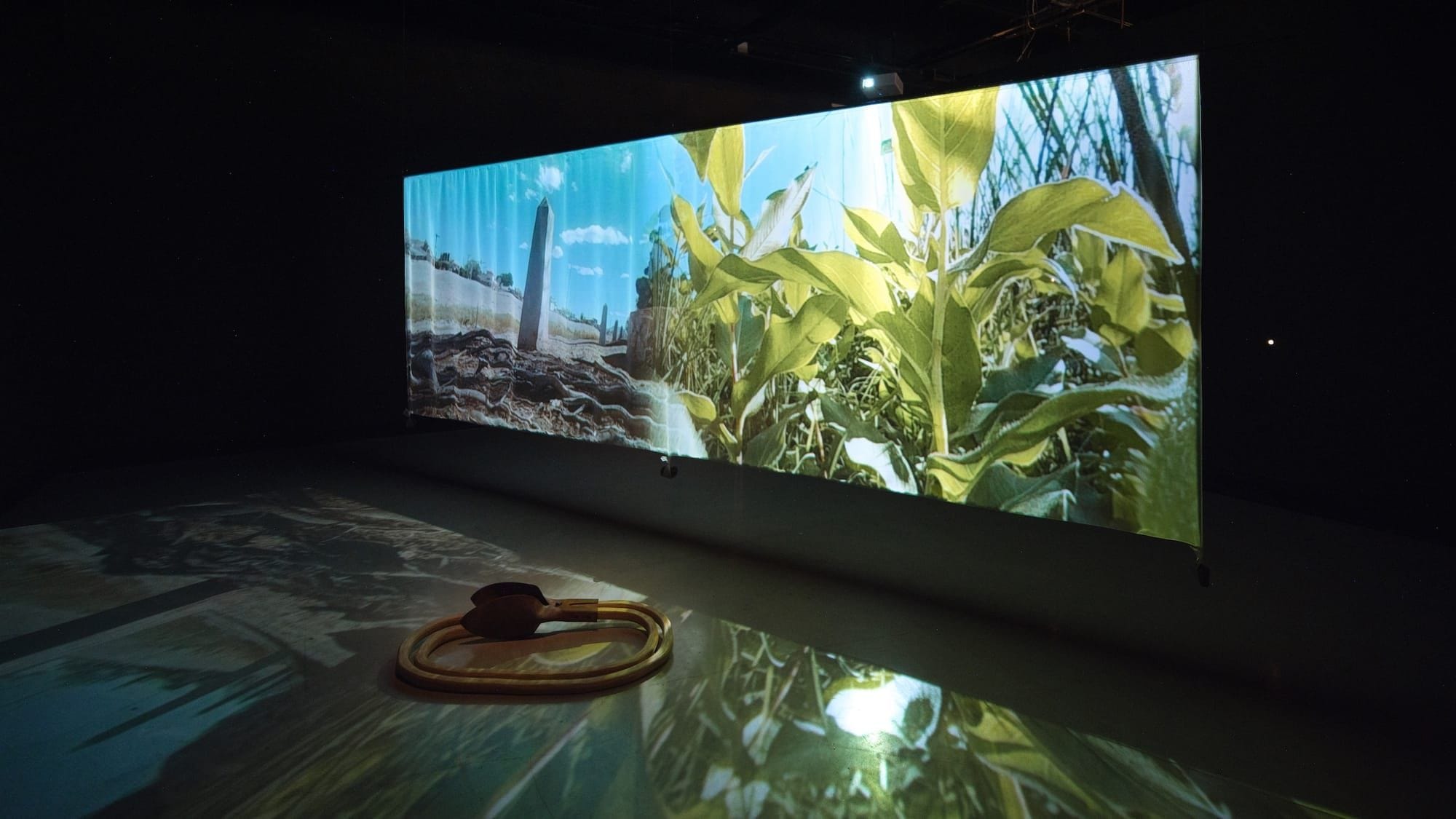
- Naeem Mohaiemen on Post-9/11 Realities: Reflecting on the atmosphere following the 2001 attacks and Mahmood Mamdani’s sociological frameworks, Mohaiemen writes: "We naively thought if we were polite in the face of Islamophobia, it would wilt. Thankfully, Mamdani’s son, Zohran, had other ideas." His retrospective essay underscores a generational shift from polite assimilation to active, structural political resistance.
- Critical Reception of Pope.L: Reviewing the late artist’s Manhattan exhibition, critics note how Pope.L’s provocative, absurd, and deeply empathetic body of work invites audiences to rigorously interrogate the paradoxes and failures of the American dream.
- Reader and Contributor Discourse: Engaging with recent profiles, such as David’s exploration of painter Francesco Polenghi, community members have emphasized the spiritual and meditative dimensions of contemporary painting. Commentator Virginia Bryant noted, "Awakenings are infinite in variety because they are connected to the infinite," highlighting the public appetite for introspective, non-dogmatic artistic discourse.
Implications
The convergence of these events signals a deeper transformation within the art world, touching on education, community infrastructure, and historical memory.
The Shifting Landscape of Arts Education
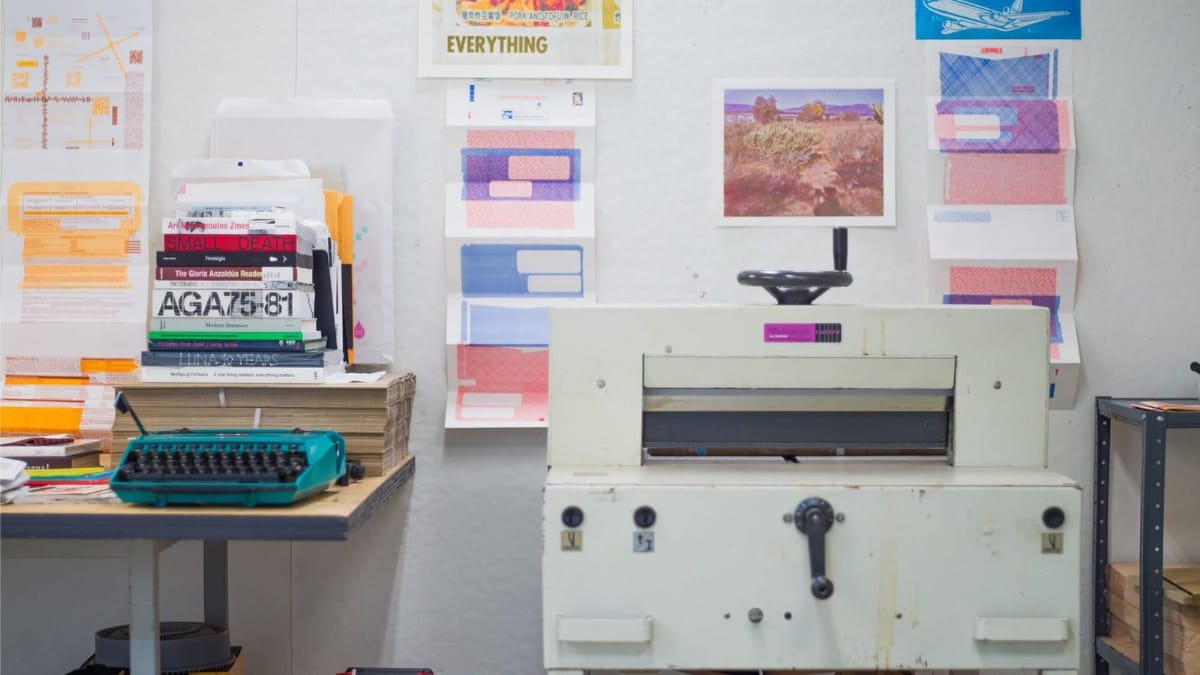
The closure of the School of Visual Arts’ Photography MFA program points to a larger financial and structural crisis facing traditional graduate arts education in major metropolitan centers. As tuition costs soar and the commercial art market fluctuates, institutions are forced to reevaluate the viability of resource-heavy studio programs. Conversely, the continued success and appeal of fully funded alternatives—such as the University of Michigan’s Stamps School program—demonstrate that the future of arts pedagogy lies in interdisciplinary, research-driven models that alleviate financial burdens for emerging practitioners.
Grassroots Resilience and Archival Memory
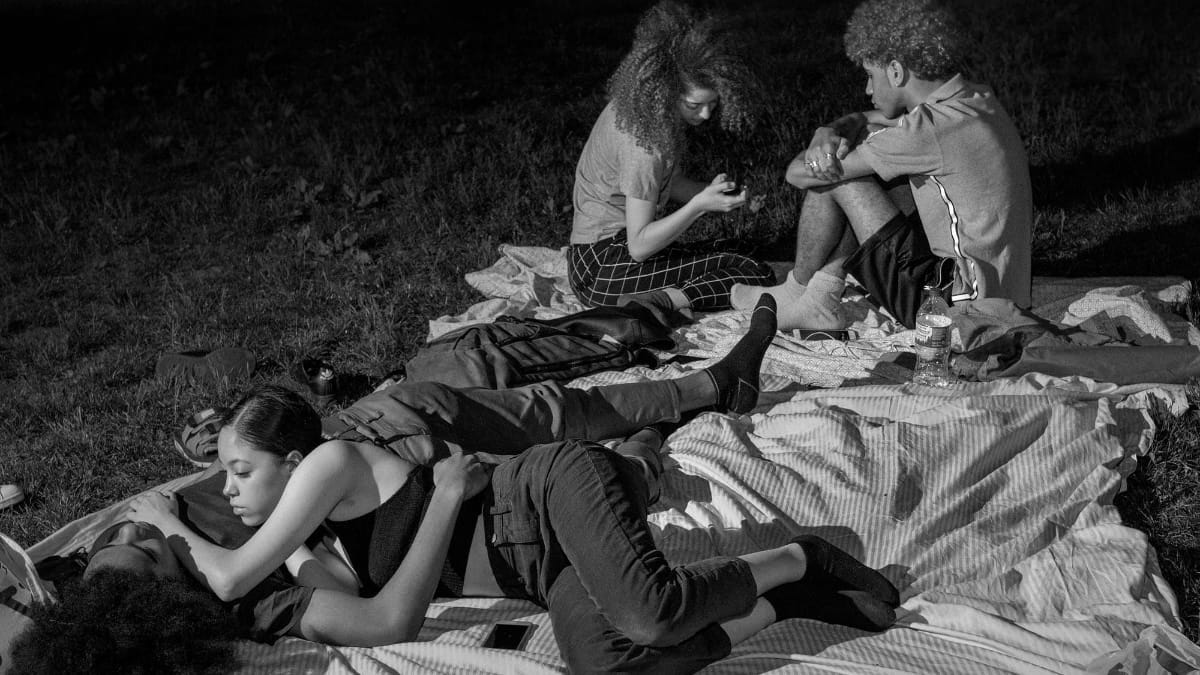
While major institutions grapple with economic realities, local communities are doubling down on grassroots infrastructure. The opening of Brooklyn’s first craft supply library exemplifies a shift toward mutual aid and material accessibility, proving that community librarians and grassroots organizers remain vital anchors during uncertain economic times.
Furthermore, as the cultural sector marks 25 years since the trauma of 9/11, reflections by figures like Naeem Mohaiemen remind us that art is not merely a commercial commodity, but an essential archive of collective grief, political awakening, and resistance. By confronting historical shadows—whether through Pope.L’s critiques of the American dream, global biennials connecting St. Louis to Dakar, or intimate retrospectives of regional photography—the contemporary art community continues to use creative expression as a tool for societal reckoning and renewal.
 Muslim
 Jia Lissa
