

There is a palpable shift in the atmosphere the moment your tires leave the mainland and hit the asphalt of the Pont de Île de Ré. Suspended above the Atlantic, this 1.8-mile bridge—a marvel of engineering completed in 1988—serves as the threshold to a world that feels light-years away from the frantic pace of modern life. Often compared to Martha’s Vineyard for its blend of nautical prestige, preserved natural landscapes, and understated elegance, Île de Ré is not merely a vacation destination; it is a meticulously maintained sanctuary of French coastal culture.
Main Facts: The Essence of the Island
Located off the coast of La Rochelle in Western France, Île de Ré is an island of ten charming villages, each protected by strict municipal codes that favor tradition over trend. To reach this haven, travelers typically take a three-hour high-speed train from Paris to La Rochelle, followed by a twenty-minute drive across the iconic bridge.

The island’s identity is defined by a paradoxical relationship with its popularity. While the population swells tenfold during the summer months, the spirit of the island remains stubbornly, blissfully quiet. This is by design: 80% of the island’s land is protected from construction, ensuring that the rolling wheat fields, salt marshes, and pine forests remain untouched.
A Chronological Journey: From Salt and Storms to Sophistication
The character of the “Rétais”—the island’s inhabitants—is forged in history. A visit to the Ernest Cognacq Museum in Saint-Martin-de-Ré reveals a past defined by resilience. Historically, the island’s economy was built on the back of “white gold”—salt—and viticulture. These industries necessitated a spirit of intense cooperation, as villagers had to band together to weather harsh Atlantic storms and manage complex irrigation systems.

A Sobering History
The island’s narrative is not solely defined by sun and sea. From the 19th through the 20th century, the geography served a more somber purpose as a staging ground for convicts being transported from the French mainland to penal colonies overseas. This layer of history adds a haunting depth to the current tranquil landscape, reminding visitors that this peaceful retreat was once a final stop for the condemned.
The Modern Transformation
By the late 20th century, the construction of the bridge transitioned the island from a remote fishing outpost to an accessible getaway for the Parisian elite and international travelers. Yet, unlike the glitz of the French Riviera, the development here was curated. The goal was never mass tourism; it was the preservation of a "village" aesthetic. Today, this evolution has culminated in a sophisticated culinary and hospitality scene that respects the island’s rural roots.

Supporting Data: By the Numbers
- Cycling Infrastructure: With nearly 86 miles of dedicated, flat cycling paths, the bicycle is the island’s primary mode of transport.
- Biodiversity: The island is a critical stop for migratory birds, hosting at least 351 distinct species.
- The 80% Rule: Strict environmental laws prohibit new construction on 80% of the island’s total landmass to protect natural habitats.
- Culinary Growth: From one Michelin-starred establishment to an array of high-end oyster huts, the island has seen a 40% increase in farm-to-table dining venues over the last decade.
Official Stance and Local Ethos: The "Rétais" Philosophy
Maxime Vaudin, a lifelong summer resident and proprietor of the Parisian bistro Magnolia, encapsulates the local ethos: "It is the complete opposite of the glitz and bustle of the French Riviera. Life moves at a different pace here, and that is precisely what keeps people coming back."
This pace is protected by local ordinances. Every white-washed house must feature shutters painted in one of three approved shades: blue, green, or gray. Pink is strictly forbidden. This uniformity creates a harmonious visual landscape where the vibrant colors of hydrangeas, hollyhocks, and jasmine are the only permitted distractions. Even the locals, often seen in high-end dining establishments wearing faded surf shirts and Birkenstocks, reflect this commitment to an unpretentious, high-quality existence.

Implications: A Sustainable Future for Travel
The success of Île de Ré offers a blueprint for sustainable tourism. By mandating a car-free (or car-light) lifestyle and prioritizing the local food supply chain, the island has managed to scale its economy without losing its soul.
The Culinary Shift
The food scene has moved well beyond the tourist traps of the past. Today, the focus is on terroir. Restaurants like La Part des Anges in La Couarde-Sur-Mer champion low-intervention wines and seasonal ingredients sourced from island waters, such as meagre (Atlantic croaker) and locally harvested mussels. The emergence of professional-grade oyster experiences, such as Ré Ostreá, allows visitors to witness the entire cultivation process, reinforcing the connection between the diner and the land.

The Hospitality Standard
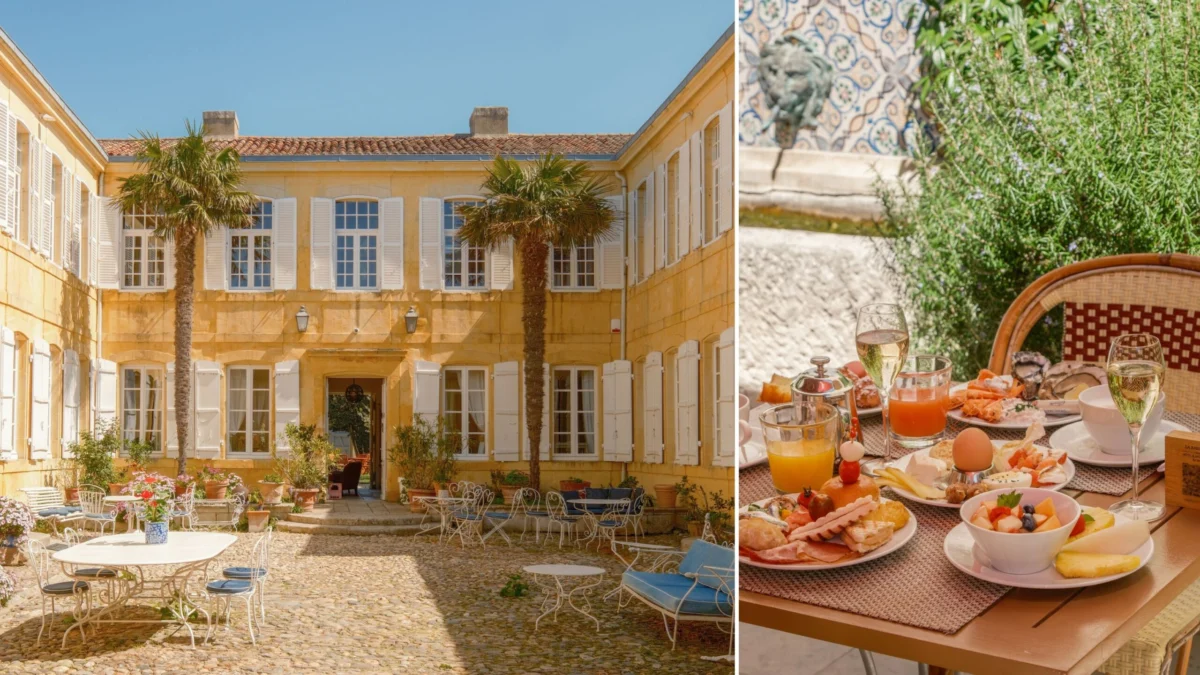
The island’s accommodations mirror this philosophy. Hôtel de Toiras, with its "Marie Antoinette goes to the beach" aesthetic, offers an aristocratic experience, while the chic, dune-side cabins at Le Phare provide a modern, eco-conscious alternative. Whether it is the honor-system apéro at Villa Clarisse or the rustic luxury of the Hotel La Baronnie, the hospitality industry here is predicated on the idea of making guests feel like residents, not tourists.
Expert Recommendations for the Modern Traveler
For those looking to integrate into the island rhythm, the following activities are essential:

- Embrace the E-Bike: While traditional bikes are charming, the Atlantic winds can be formidable. Renting an e-bike (typically for an additional 10 euros) is considered a "quality of life" upgrade.
- Lighthouse Pilgrimage: The Phare des Baleines on the northern tip offers 257 steps to a panoramic view that justifies the effort.
- Market Hopping: The daily open-air markets are the heartbeat of the villages. Beyond the produce, look for artisanal salt, handwoven baskets, and the occasional vintage find at shops like L’Heure Bleue Antiquités.
- The "Strange" Treat: Visit La Martinière for their signature ice cream. While caramel with fleur de sel is the standard, the brave should try the potato or oyster-seaweed flavors—a culinary oddity that perfectly embodies the island’s experimental, salt-water-drenched spirit.
Conclusion: A Haven for the Discerning
Île de Ré is a rare example of a place that has successfully resisted the homogenization of modern tourism. By valuing the whistle of birds over the roar of engines and the quiet ritual of an oyster harvest over the frenetic energy of a nightclub, the island remains a sanctuary. It is a place where time is measured not by the clock, but by the tides, the harvest, and the wind—a truly essential experience for the modern traveler seeking depth and stillness in a world of constant motion.
 Evan Lee Salim
 Nana Muazin
