

In the contemporary landscape of independent cinema, the traditional "Path to Sundance" is increasingly viewed as a relic of a bygone era. For decades, the blueprint was rigid: secure private funding, shoot a feature, pray for a premier at a top-tier festival, and hope for a life-changing distribution deal. However, as the gap between mega-budget studio tentpoles and micro-budget indies widens, and as the "streaming bubble" continues to contract, emerging filmmakers are finding themselves in a wilderness of uncertainty.
Enter Jocelyn Catt, Genu Lee, and Marco Bizio. Their project, Valley Daze, an independent TV pilot produced on a shoestring budget, is doing more than just telling a story about the San Fernando Valley; it is providing a blueprint for a viable third option in the industry. By eschewing the traditional gatekeepers of the festival circuit and the volatile algorithms of TikTok and YouTube, the creators of Valley Daze have embraced a "community-first" philosophy that prioritizes local resonance over global reach—and in doing so, they may have found the most sustainable path forward for the next generation of auteurs.
Main Facts: A $30,000 Love Letter to the 818
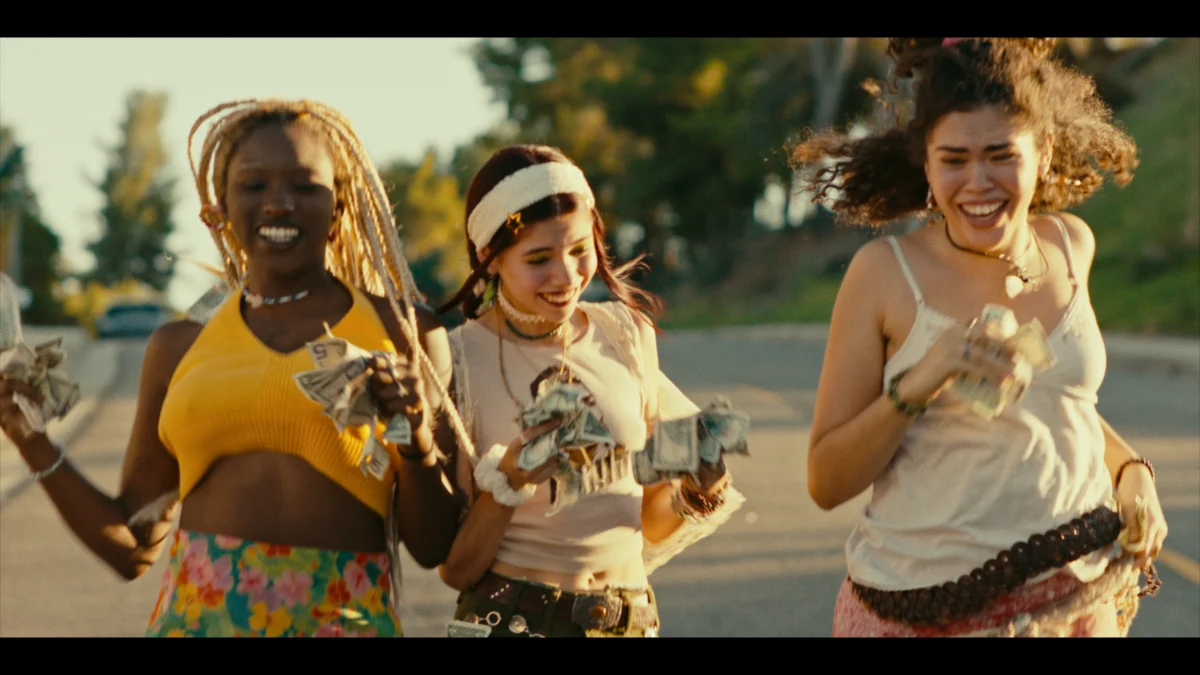
At its core, Valley Daze is a gritty, "Clerks"-esque tapestry of life in the San Fernando Valley. Filmed in 2023 with a modest budget of $30,000, the pilot explores a week in the lives of a diverse ensemble: skaters, drug dealers, aspiring influencers, struggling artists, and the "wallflowers" who observe the chaos from the fringes. While the narrative is fueled by youthful antics and tumultuous coming-of-age tropes, its true power lies in its hyper-specificity.
The project is not merely set in the Valley; it is of the Valley. Every location, slang term, and character archetype feels curated by those who have spent their lives navigating the sprawl of North Hollywood, Van Nuys, and Reseda. This authenticity is the result of a massive collaborative effort involving over 100 Los Angeles locals. These were not just hired guns, but a collective of creators who met in high schools across the region, pooling their talents and resources to create a comedy that mirrors their own lived experiences.
The production was bolstered by the involvement of executive producer David Dastmalchian. Known for his roles in The Suicide Squad, Oppenheimer, and Late Night with the Devil, Dastmalchian’s presence provided the project with industry gravitas without compromising its indie soul. His support signals a growing trend: established actors lending their "name brand" to grassroots projects that prioritize artistic integrity over commercial polish.
Chronology: From High School Friendships to City Council Screenings
The journey of Valley Daze is a testament to long-term creative synergy and the power of the "slow build."
1. The Formative Years (Late 2010s – 2022)
The seeds of the project were sown long before a camera was ever rented. The core creative team—Catt, Lee, and Bizio—along with much of the 100-person crew, grew up together. They shared the same high school hallways and local hangouts, developing a shorthand and a shared aesthetic long before they had the means to produce a pilot. This period was defined by the development of the script, which sought to capture the unique "suburban-metropolitan" vibe of the San Fernando Valley—a place often overlooked in favor of the glitz of Hollywood or the beaches of Santa Monica.
2. The Crowdfunding Phase (Early 2023)
Recognizing that traditional financing would likely come with "notes" that might dilute the project’s local flavor, the team turned to their community. Through a grassroots crowdfunding campaign, they raised $30,000. While a pittance by Hollywood standards, this sum allowed for a professional-grade production when managed by a crew willing to work for the love of the craft. The campaign did more than raise money; it built an audience of stakeholders who felt personally invested in the film’s success before a single frame was shot.

3. Production and Post (Mid to Late 2023)
Filming took place across the San Fernando Valley, utilizing local businesses and residential streets. The production was a community event in itself, with locals often providing locations or logistical support. By the end of 2023, the pilot was in post-production, and the team faced a choice: submit to the grueling and expensive festival circuit or try something different.
4. The Distribution Pivot (2024)
Choosing the "third way," the creators opted for localized, high-impact screenings. Rather than waiting for a programmer in Park City or Austin to validate their work, they brought the work directly to the people it depicted. This strategy culminated in the involvement of the Los Angeles City Council and a marquee screening at the historic El Portal Theater on June 19, 2024.
Supporting Data: The Economics of the "Third Way"
The success of Valley Daze highlights a shifting economic reality in the film industry. To understand why this community-first model is gaining traction, one must look at the current barriers to entry:
- The Festival Tax: A typical indie film can spend between $5,000 and $15,000 on festival submission fees and marketing materials alone, with no guarantee of a screening, let alone a sale. For a $30,000 production, this is a prohibitive cost.
- The Algorithm Trap: While YouTube and TikTok offer free distribution, they require a constant stream of content to satisfy the algorithm. A narrative pilot, which is a "one-off" long-form piece, often gets buried under shorter, more frequent uploads.
- The Hyper-Local Advantage: By focusing on the San Fernando Valley—a region with a population of approximately 1.8 million people—Valley Daze tapped into a market larger than many major U.S. cities (such as Phoenix or Philadelphia). By capturing even 1% of that local interest, a project can achieve "sell-out" status at local venues, creating a buzz that eventually reaches the trades.
The project’s ability to mobilize 100 local collaborators also speaks to a "sweat equity" model. By distributing roles among a large group of invested peers, the production value of the $30,000 budget was effectively tripled through donated time, equipment, and locations.
Official Responses: Government as a Cultural Patron
Perhaps the most surprising aspect of the Valley Daze story is the formal endorsement of the Los Angeles City Council. In an era where local governments are often seen as bureaucratic hurdles for filmmakers (due to permitting costs and street closures), Councilmember Adrin Nazarian has positioned the city as a champion of the "little guy."
Nazarian, who represents Council District 2 in the East San Fernando Valley, spearheaded the "LA City Council Presents: Valley Daze" event. In an interview with IndieWire, Nazarian emphasized that the city’s future as a creative capital depends on nurturing local talent at the "seedling" stage.
"I was so impressed by the crew from Valley Daze," Nazarian stated. "These people for the most part are all Valley-based, Valley-grown. There was a common bond between each one of them across the school boundaries. They came together in their early 20s and made something really amazing. You want to continue to foster that. Not only for that talent to be seen and to be recognized, but you want to nurture it so that it continues to grow here."
Nazarian’s metaphor of the "almond-producing tree" underscores a vital shift in civic thinking. By hosting a sold-out screening at the El Portal Theater, the City Council provided a level of prestige and legitimacy that usually requires a massive PR budget. Nazarian argued that supporting small filmmakers is a matter of economic and cultural sustainability: "When you give that chance, when you nurture it, when you do all the things necessary to make that little seedling thrive, it’s going to do a lot more. And that’s something we should never lose sight of."

Implications: The Future of Hyper-Local Content
The Valley Daze phenomenon suggests several long-term implications for the independent film industry:
1. The Rise of the "Regional Auteur"
For decades, the goal of every filmmaker was to "get out" of their hometown and move to Hollywood. Valley Daze suggests that the new goal might be to "stay put" and tell the stories of your own backyard. As audiences become fatigued by the "anywhere-USA" aesthetic of many streaming shows, hyper-local content that captures the specific textures of a neighborhood offers a refreshing alternative.
2. Bypassing the Gatekeepers
The success of local screenings proves that filmmakers do not need a badge from a major festival to find an audience. If a project resonates with its community, the community will show up. This "bottom-up" approach creates a groundswell of support that can eventually force the hand of traditional distributors, who are always looking for "proven" audiences.
3. A New Model for Civic Engagement
The involvement of the LA City Council could serve as a template for other cities. If local governments view filmmaking not just as a source of permit revenue, but as a vital part of community building, we could see a resurgence of local cinema supported by municipal resources.
4. The "Proof of Concept" Strategy
By producing a high-quality pilot for $30,000, Catt, Lee, and Bizio have created a powerful "proof of concept." They have demonstrated that they can manage a large crew, stay on budget, and—most importantly—fill a theater. Whether Valley Daze becomes a full series on a major streamer or continues as an independent web series, the creators have already won the most important battle: they have proven there is a demand for their voice.
As the lights dim at the El Portal Theater on Friday night, the crowd won’t just be watching a TV pilot; they will be witnessing the birth of a new movement. In the San Fernando Valley, the "daze" of youth is being transformed into a roadmap for the future of film—one where the community is the producer, the star, and the ultimate judge of success. Every independent filmmaker should be so lucky, but as Valley Daze proves, luck has very little to do with it. It’s about coming home.
 Jia Lissa
 Lina Irawan
 Iffa Jayyana
