

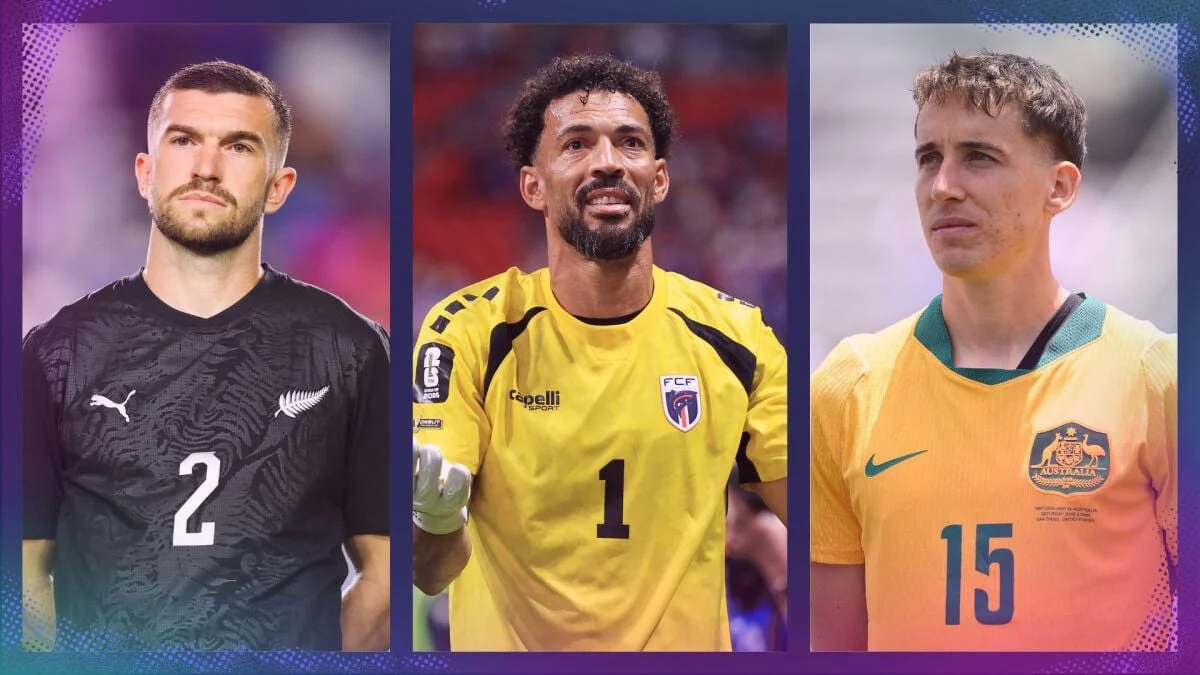
The FIFA World Cup has historically served as a grand stage for the emergence of unexpected heroes. For decades, a singular performance in a high-stakes match was enough to secure a player a move to a top-tier European club and local immortality. However, in the 2026 edition of the tournament, the parameters of fame have shifted dramatically. The global showcase is no longer just a sporting event; it has evolved into a hyper-accelerated engine of digital celebrity, transforming obscure athletes into social media titans within the span of ninety minutes.
The most poignant example of this phenomenon is Cape Verdean goalkeeper Josimar José Évora Dias—known globally simply as "Vozinha." Before stepping onto the pitch this past Monday, the 40-year-old veteran was a journeyman, boasting a respectable 19-year career that remained largely beneath the radar of the international soccer intelligentsia. His Instagram following sat at a modest 50,000. By the time the final whistle blew on a historic 0-0 draw against a formidable Spanish side, his digital footprint had expanded to a staggering 12 million followers.
The Catalyst: A New Era of Digital Broadcasting
The meteoric rise of Vozinha was not a byproduct of algorithmic chance, but rather a deliberate demonstration of the power of influencer-led broadcasting. Much of the early momentum was generated by Brazilian streamer Casimiro "Cazé" Miguel. Through his platform, CazéTV—which holds the digital rights to all 104 World Cup matches in Brazil—the creator has redefined how the sport is consumed.
CazéTV, which commands a massive audience of over 31 million YouTube subscribers, operates on a "stream-first" philosophy. Unlike the sterile, objective commentary of traditional television, Cazé’s broadcasts prioritize fan participation, spontaneous reactions, and the cultivation of communal narratives. During the match against Spain, Cazé noticed the discrepancy between Vozinha’s exceptional performance and his relatively small online presence. In a move that exemplified the new media landscape, he directed his millions of viewers to the goalkeeper’s Instagram profile.
The result was instantaneous. Vozinha eclipsed the one-million-follower mark shortly after the match, and within 24 hours, he had climbed to 10 million. To put this in perspective, the Cape Verdean keeper—who plays for a nation with a population of roughly 600,000—now commands a larger social media audience than NBA sensation Victor Wembanyama and Super Bowl-winning quarterback Patrick Mahomes.
Beyond the Screen: Human Interest and Real-World Impact
While the metrics of social media fame are often criticized as ephemeral, the case of Vozinha has demonstrated that this newfound digital currency can yield tangible, real-world results. In a post-match interview that went viral, a visibly emotional Vozinha revealed that his mother had been unable to travel to the United States to witness his World Cup debut due to a combination of visa hurdles and financial constraints.
The internet, having already adopted the goalkeeper as its "main character," mobilized. The narrative shifted from the field of play to the corridors of bureaucracy. The story caught the attention of the U.S. State Department, which issued a rare public acknowledgement, stating that it was actively working to facilitate visa services for the goalkeeper’s family. This interaction underscores a profound shift in the power dynamics of modern sports: the collective voice of a digital fan base can now exert pressure on international diplomatic processes, turning a personal struggle into a matter of public interest.
A Growing Pattern: The "Least-Known Player" Movement
Vozinha is not an anomaly; he is part of an emerging trend of "digital drafting." Before the tournament officially kicked off, New Zealand defender Tim Payne became the focal point of a similar grassroots campaign. Argentine influencer Valen Scarsini, known online as "El Scarso," challenged his audience to identify and champion the "least-known player" in the tournament.
Payne, who had fewer than 5,000 followers at the time, became the recipient of this concentrated digital effort. As Scarsini’s followers flocked to his profile, Payne’s count surged to 6 million. Similarly, Australian defender Kai Trewin saw his profile skyrocket after creator RubikayTV launched a campaign to dub him the "Cristiano Ronaldo of the World Cup," resulting in a growth spurt from 3,000 to over 100,000 followers. Even backup goalkeepers, such as Curaçao’s Trevor Doornbusch, have found themselves thrust into the spotlight following coordinated shoutouts from influencers like FiagoBall.
The Strategic Shift in FIFA’s Distribution Model
These developments are not accidental; they are the result of a deliberate evolution in how FIFA approaches media rights. By naming TikTok as its first-ever preferred platform for video content and partnering with YouTube to allow broadcasters to stream the first 10 minutes of every match, FIFA has effectively lowered the barrier to entry for casual fans.
These strategic alliances have fragmented the traditional viewing experience. The modern spectator is as likely to consume the World Cup through high-energy, edited clips, TikTok stitches, and live-streamed commentary as they are to sit through a ninety-minute traditional broadcast. This "snackable" consumption model favors the emergence of individual narratives. If a player performs well in a clip that goes viral, the infrastructure exists to convert that interest into a direct, lasting connection via social media platforms.
Implications for the Future of Soccer
The implications of this shift are far-reaching for the sports industry. Historically, fame in soccer was a slow-burn process, dictated by club prestige, league performance, and traditional media coverage. Today, a player’s "market value"—both in terms of sponsorships and public recognition—can be manufactured in real-time.
- The Democratization of Visibility: Lesser-known players from smaller footballing nations are now on an equal playing field with global superstars regarding personal branding. A standout performance against a giant like Spain is no longer just a stat; it is a brand-building event.
- The Power of the "Streamer-Broadcaster": The influence of creators like Cazé suggests that the future of sports broadcasting lies in the hands of personalities who act as conduits between the game and the fans. Broadcasters who can foster community rather than just delivering information are winning the battle for attention.
- The Vulnerability of Traditional Media: As fans increasingly turn to social media for their sports fix, traditional news outlets and legacy broadcasters must adapt their content to compete with the rapid, participatory nature of platforms like YouTube and TikTok.
- The Athlete as a Public Entity: As seen with the U.S. State Department’s intervention for Vozinha’s family, the line between an athlete’s private life and their public narrative is blurring. Athletes are now finding that their digital reach can be used to solve personal problems, making them more empowered but also more susceptible to public scrutiny.
Conclusion: The New World Order of Celebrity
The 2026 World Cup is proving that the game on the pitch is only half the story. The other half is being written in real-time on the timelines, feeds, and channels of billions of people. While the sport will always value tactical acumen and physical prowess, the modern era demands a new kind of literacy—one that recognizes the transformative potential of the digital crowd.
Vozinha’s journey from an unknown veteran to a global icon is a testament to the speed and intensity of this new reality. As the tournament progresses, we can expect more "viral main characters" to emerge. In this evolving environment, the most successful players will be those who not only excel in the defensive third or the attacking box but who can also navigate the complex, often unpredictable, and ultimately powerful landscape of the digital world. The World Cup has always created heroes; now, it creates them at the speed of light.
 Nana Wu
 Neng Nana
 Reynand Wu
