

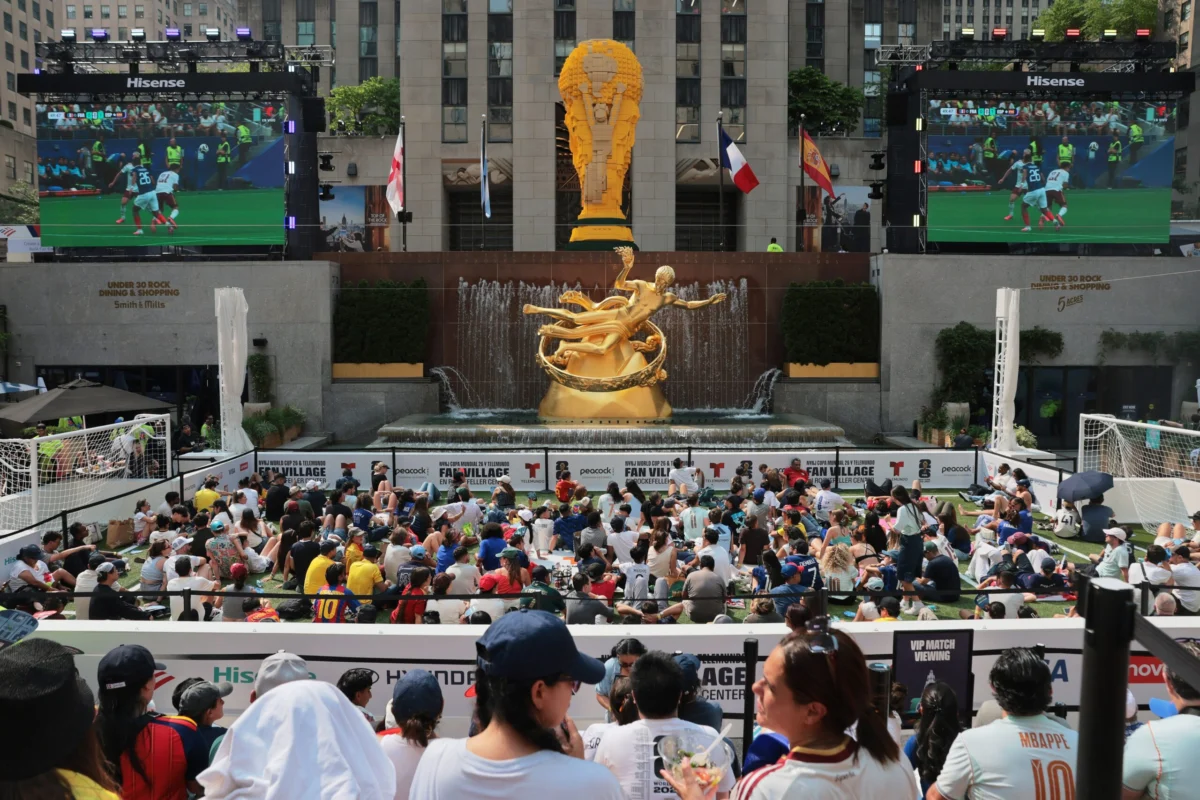
After nearly a month of high-stakes tension, tactical masterclasses, and the kind of sporting drama that defines generations, the 2026 FIFA World Cup has reached its zenith. On Sunday, July 19, the world’s eyes will turn to the New York metropolitan area as Spain and Argentina prepare to clash for the ultimate prize in football.
While the physical epicenter of this global event is MetLife Stadium in New Jersey, the spiritual heart of the celebration will undeniably be in New York City. With ticket prices soaring into the stratosphere and the logistical challenges of reaching the stadium presenting a significant hurdle for the average fan, the five boroughs have transformed into a massive, decentralized stadium of their own.
The Main Event: Spain vs. Argentina
The 2026 final represents a clash of philosophies. Spain, having navigated the knockout stages with clinical precision and their signature possession-based dominance, meets an Argentina side that has played with the ferocious, soul-stirring intensity characteristic of the Lionel Messi era.
For the millions of fans descending upon New York City, the match is more than just ninety minutes of play; it is a cultural phenomenon. Unlike previous tournaments, the 2026 edition has leveraged the unique urban fabric of New York, where neighborhood bars, sprawling beer gardens, and high-tech fan villages serve as the primary conduits for communal viewing.

A Chronology of a Tournament
To understand the gravity of Sunday’s final, one must look back at the journey that brought us here.
- Late June 2026: The group stages commenced with record-breaking viewership, as the United States, Canada, and Mexico played host to the most expansive tournament in FIFA history.
- Early July 2026: The Round of 16 and Quarterfinals saw the fall of traditional powerhouses, clearing the path for the eventual finalists.
- Mid-July 2026: Semifinal matches in Dallas and Atlanta cemented the paths of Spain and Argentina, setting the stage for the New York finale.
- Sunday, July 19, 2026: The Final. Kickoff is scheduled for the afternoon, a prime-time slot that ensures the entire city will be in motion from midday until well after the trophy presentation.
Supporting Data: The Logistics of the "Fan Experience"
The influx of visitors to New York City for the final is unprecedented. Data from tourism boards and transportation agencies suggest that over two million people are actively participating in city-wide fan events.
- Public Transit Impact: The MTA has bolstered subway service to accommodate the massive surge in ridership, particularly on lines serving the Brooklyn waterfront and Midtown Manhattan.
- Digital Reach: Social media analytics show that New York City has remained the most-discussed location globally during the tournament, with hashtags related to #NYCWorldCup generating billions of impressions.
- Economic Impact: Local hospitality sectors—including restaurants, bars, and hotels—report that revenue during the month of the tournament has eclipsed the record highs set during the 2014 World Cup period, with a 35% increase in food and beverage sales compared to typical July figures.
Official Responses and Security Measures
City officials, including the Mayor’s Office and the NYPD, have coordinated extensively to ensure that the decentralized nature of the celebrations remains safe.
"We are treating every neighborhood as a potential venue," stated a city spokesperson. "The official Fan Villages are the anchor, but we recognize that New York’s strength lies in its diversity. We are working to ensure that regardless of where you watch—be it a quiet bar in Astoria or a massive gathering in Brooklyn Bridge Park—the environment is secure and festive."

FIFA representatives have lauded the city’s ability to integrate the tournament into the urban landscape. "What New York has achieved is the ‘democratization’ of the final," said a FIFA spokesperson. "By providing free, high-quality public access points, the city has ensured that the World Cup belongs to everyone, not just those with stadium seats."
The Geography of Fandom: Where to Watch
For those without tickets to the physical match, the city offers a diverse array of viewing experiences.
The Official Fan Hubs
The two premier locations remain the Fan Village at Rockefeller Center and the Adidas Home of Soccer in Brooklyn Bridge Park. Both venues have been engineered for maximum capacity, featuring giant screens, live commentary, and, in the case of Rockefeller Center, the transformation of the famous ice rink into a temporary soccer pitch.
Note: Access to these areas is strictly first-come, first-served. Fans are advised to arrive at least three hours before kickoff.

The Argentine Strongholds
The Argentine contingency in New York is perhaps the most vocal.
- Boca Juniors (Elmhurst, Queens): As the premier destination for the Argentine diaspora, this steakhouse becomes an extension of Buenos Aires. Expect a wall-to-wall crowd of jerseys and constant, rhythmic chanting.
- Buenos Aires (East Village, Manhattan): An institution that has served as a temple to the sport for years. It is highly recommended to arrive at least two hours early, as the venue fills to capacity rapidly.
- Libertador (Cobble Hill, Brooklyn): Offers a more intimate, family-oriented atmosphere where the passion for the sport is palpable but slightly more relaxed than the chaos of Queens.
The Spanish Supporters’ Enclaves
Spain’s support base is equally enthusiastic, often centered around cultural hubs.
- Mercado Little Spain (Hudson Yards): A sprawling, multi-screen food hall. The open-plan design allows for a more communal experience, perfect for those who want to enjoy tapas and wine while keeping an eye on the match.
- El Born (Greenpoint, Brooklyn): A neighborhood favorite that transforms its dining room into a high-intensity viewing theater. Reservations are highly recommended for those looking to secure a seat.
- Sala Astoria (Queens): A favorite for locals, this spot offers a more authentic, community-driven experience away from the tourist-heavy districts of Manhattan.
Neutral Grounds: The Best Sports Bars
For the casual fan or the observer looking to simply soak in the atmosphere, several venues offer the "neutral" experience:
- Berry Park (Williamsburg, Brooklyn): Famous for its rooftop and sprawling indoor space. It is one of the few places in the city with the scale to handle hundreds of fans without feeling claustrophobic.
- The Bowery Beer Garden (Lower East Side): Boasting over 50 HDTVs, this is arguably the most technologically sound venue for those who prioritize a clear view of the action.
- Bohemian Hall & Beer Garden (Astoria, Queens): A massive, historic outdoor space. If the weather is clear, there is perhaps no better place in the city to watch a match of this magnitude, as the sheer size allows for an electric, festival-like crowd.
Implications: The Legacy of 2026
The 2026 World Cup has fundamentally altered how major sporting events are consumed in the United States. By moving away from the "stadium-only" mentality and embracing the urban, decentralized watch-party culture, New York has set a new benchmark for global hosts.

The success of these public viewing areas suggests a shift in future event planning. Future tournaments will likely place a heavier emphasis on these "city-as-stadium" models, recognizing that the energy of a crowd in a public square can rival, or even surpass, the energy of a corporate-dominated stadium box.
As the final whistle blows on July 19, the result of the match will be etched into the history books. However, the true story of the 2026 World Cup in New York will be the memory of the stranger standing next to you, the collective roar of a thousand people in a Brooklyn beer garden, and the realization that in New York City, you are never watching alone.
Whether you are a die-hard fan of La Roja or a supporter of La Albiceleste, the city is ready. The screens are set, the taps are flowing, and the world is waiting. The best seat in the house isn’t at MetLife—it’s wherever the room erupts when the ball finally hits the net.
 Asro
Asro
 Siti Muinah
