

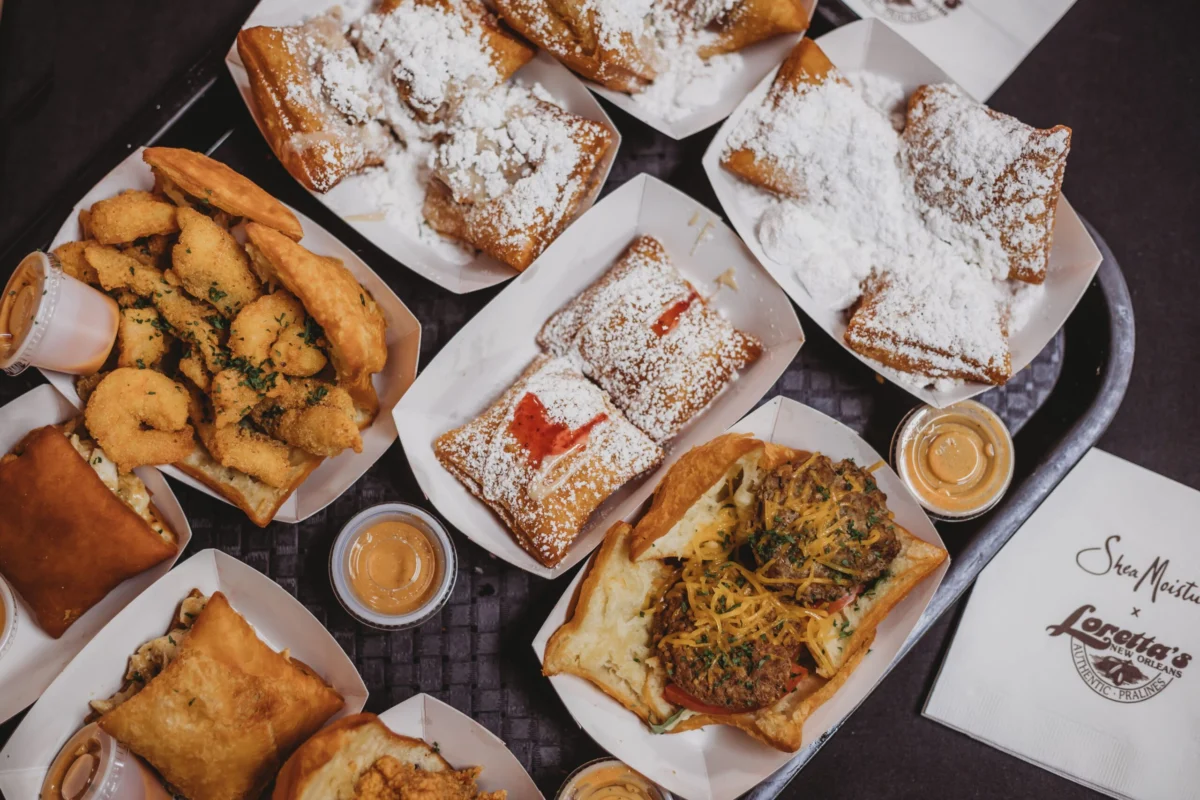
In the pantheon of American comfort foods, few items possess the mythic status of the New Orleans beignet. Pronounced ben-YAY, the term finds its linguistic roots in the Old French word buigne, meaning "lump"—a humble, literal description of how the dough swells when submerged in boiling oil. While the ingredient list is deceptively simple—butter, eggs, milk, sugar, flour, and salt—the result is a cultural icon that serves as a cornerstone of Louisiana’s culinary identity.
To the uninitiated, it is merely a fried piece of dough covered in sugar. To the New Orleanian, it is a state-sanctioned institution. As one of the two official "State Donuts" (a distinction it shares with the Boston Cream), the beignet is a source of immense local pride and, occasionally, heated debate.
The Science of the Puff: A Technical Departure
While many cultures have variations of fried dough—from the Italian zeppole to the Spanish buñuelos—the New Orleans beignet occupies a distinct evolutionary branch. Unlike the traditional French choux pastry, which relies on steam and egg proteins to create a hollow, delicate structure, the Louisiana-style beignet is a yeast-leavened marvel.
By eschewing the choux method for a yeast-based dough, local bakers produce a hand-sized rectangle that is simultaneously airy, chewy, and impossibly crispy. The chemistry is precise: when the fermented dough hits the hot oil, the yeast gases expand rapidly, creating a pillowy interior protected by a golden-brown, cratered crust. The final flourish—a mountain of powdered sugar—is not merely aesthetic; it provides a necessary sweetness to balance the savory, rich notes of the fried dough. For the uninitiated, a word of advice: wear dark clothing, or accept that the "sugar coat" is simply part of the New Orleans travel experience.
A Chronology of Confection: From 1862 to the Modern Era
The history of the beignet in New Orleans is inextricably linked to the city’s coffee culture. The story begins in 1862, in the heart of the French Quarter, with the founding of Café du Monde. Originally established as a modest coffee stand near the Mississippi River, it provided a gathering place for locals and sailors alike. Its menu, a testament to the power of simplicity, has remained largely unchanged for over 160 years, anchoring the city’s identity in a cup of café au lait and a trio of fresh beignets.
By 1870, the success of the format had birthed competition. The Morning Call Coffee Stand emerged as a formidable rival, proving that the demand for these "lumps" of dough was not merely a fad, but a structural component of the New Orleans breakfast ritual.
Throughout the 20th century, the beignet transitioned from a local secret to a global phenomenon. As the city’s tourism industry matured, the "late-night beignet run" became a rite of passage. With Café du Monde extending its hours—remaining open until midnight on weekends—the beignet became the quintessential bridge between the end of a long night and the start of a new day. Today, the landscape has expanded significantly, with boutique bakeries and high-end restaurants putting their own spin on the classic, yet the shadow of the original French Quarter stands remains the benchmark against which all others are measured.
Supporting Data: The Economics of Fried Dough
Beignets are, by all accounts, "serious business." While precise annual revenue figures for the city’s beignet economy are difficult to aggregate due to the sheer number of independent vendors, the volume of powdered sugar consumed in the French Quarter alone is staggering.
- Market Saturation: Unlike many food trends that see rapid boom-and-bust cycles, the beignet market in New Orleans has remained stable for over a century, characterized by low entry barriers and high repeat-customer rates.
- The "Queue" Metric: During peak tourism months, wait times at premier spots often exceed 45 minutes, a clear indicator of the product’s inelastic demand.
- Diversification: Recent data from the Louisiana Restaurant Association suggests a shift toward "gourmet" or "experimental" beignets. While traditionalists stick to the square, plain version, the market for stuffed (fruit, chocolate, cream cheese) and savory (bacon, herb-infused) beignets has grown by an estimated 15% over the last decade, particularly among younger demographics and food-focused tourists.
Official Perspectives: The Great "Beignet Debate"
In the popular animated series King of the Hill, the character Dale Gribble famously remarks, "How ’bout I come with? I’ve always wanted to eat fried dough in the most corrupt city on Earth." While the show was clearly playing on the city’s colorful political reputation, the sentiment touches on a very real truth: New Orleanians are as passionate about their beignets as they are protective of their local politics.
When asked to rank the "best" beignets, local culinary experts and historians often demure. There is an unspoken agreement that to rank one establishment over another is to commit a social faux pas. As a long-time transplant to the city, I have learned that the "best" beignet is a matter of circumstance:
- The Traditionalist View: Most purists insist that if it isn’t served in a paper-lined tray with a side of chicory coffee, it isn’t a "true" New Orleans experience.
- The Innovator’s View: Modern chefs argue that the base dough is a canvas. By incorporating elements like duck fat, local honey, or savory fillings, they aim to push the boundaries of what a beignet can be, ensuring the tradition evolves rather than stagnates.
Implications: The Future of a Classic
The primary implication of the beignet’s ongoing popularity is the pressure it places on the city’s infrastructure and the preservation of its culinary heritage. As tourists flock to the historic French Quarter, the challenge for establishments like Café du Monde and Morning Call is to maintain the "humble" experience of the 19th century while operating at a 21st-century scale.
Furthermore, the "border-blurring" between the beignet and the fritter poses an existential question for culinary guardians. Does a glazed, stuffed, or savory fried dough ring still qualify as a New Orleans beignet? The consensus, for now, seems to be a pragmatic one: as long as the dough is leavened correctly and the spirit of the city is captured in the execution, the definition can remain fluid.
How to Navigate the Beignet Scene
For those planning a trip to New Orleans, the advice is simple: embrace the variety.
- The Morning Ritual: Pair your beignets with a café au lait (coffee with hot milk) to cut through the sugar. For those seeking the "New Orleans way" to start a Sunday, a brandy milk punch is an acceptable, and often encouraged, alternative.
- Strategic Timing: To beat the lines, aim for off-peak hours. Many visitors overlook the late-night window; a visit to a 24-hour spot at 2:00 a.m. offers a completely different, often more atmospheric experience than the noon rush.
- The "Purist" Test: If you want to understand why this city is obsessed with a simple piece of fried dough, order the classic. The beauty of the beignet lies in its lack of pretension.
Conclusion
Whether you are a skeptic looking to debunk the hype or a devotee seeking the perfect crunch, the New Orleans beignet remains an essential component of the American food experience. It is a dish that defies the rapid, often fleeting nature of food trends, rooted instead in a century of tradition and a city that prides itself on doing things its own way. From the flour-dusted tables of the French Quarter to the experimental kitchens of the Garden District, the beignet stands as a testament to the enduring power of simple ingredients, handled with care and served with a side of history.
So, pack your dark clothes, bring your appetite, and prepare to be covered in powdered sugar. In New Orleans, it’s not just a mess—it’s a badge of honor.
 Evan Lee Salim
 Nana Muazin
 Sagoh
Sagoh
