

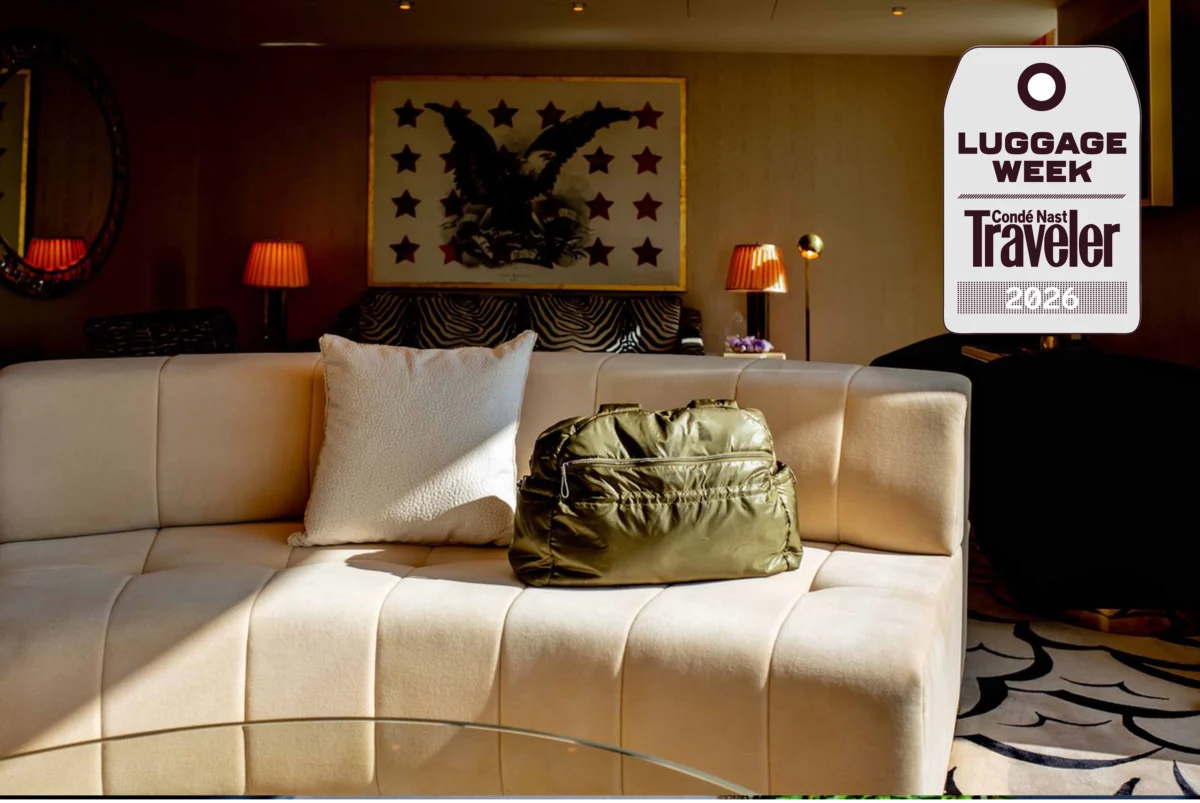
For the urban dweller, the weekend is not merely a break from the grind; it is an escape—a temporary migration from the concrete canyons of Brooklyn to the windswept dunes of Montauk, the rolling hills of the Hudson Valley, or the rugged peaks of the Catskills. As someone who finds solace in the rhythm of the open road, I have spent years searching for the perfect travel companion. My criteria were simple but demanding: the bag needed to be durable enough for the rigors of frequent transit, stylish enough to transition from a trunk to a boutique hotel lobby, and flexible enough to accommodate the erratic packing habits of a serial weekend adventurer.
After two years of extensive testing, I have found that the Caraa Portobello duffel isn’t just a piece of luggage; it is an essential tool for the modern traveler.
The Evolution of the Weekender: A Design Perspective
The travel industry has long been dominated by rigid, hard-shell suitcases that prioritize protection over personality. While these are excellent for international flights or extended stays, they often feel cumbersome for a two-day excursion. The Caraa Portobello represents a shift in design philosophy, moving toward a "soft-utility" aesthetic.
Constructed from water-resistant, recycled nylon, the bag offers a pillowy, cushioned exterior that feels more like a luxury accessory than a utilitarian gear hauler. This is not an incidental design choice; it is a functional one. The soft structure allows the bag to act as a shock absorber, protecting fragile essentials—perfume bottles, delicate hair accessories, and electronics—that would otherwise be at risk in a hard-sided container.
The most striking feature, however, is its cinched silhouette. Unlike traditional boxy duffels, the Portobello’s top-gathering design allows for volume manipulation. When packed to the brim for a four-day excursion, the bag expands into a generous, elegant shape. Conversely, for lighter trips, the cinch pulls the bag into a streamlined profile, ensuring that you aren’t hauling around excess space. This adaptability is the hallmark of thoughtful industrial design.
Chronology of Use: Two Years on the Road
To truly vet a piece of travel gear, one must subject it to the unpredictable nature of travel. Over the past 24 months, my Portobello has endured:
- The Seasonal Rotation: From humid summer weekends in the Hamptons to the bulky, layered-clothing requirements of winter ski trips in the Catskills, the bag has served as my primary gear organizer.
- The Urban Transit Gauntlet: Carrying the bag through NYC subway stations, into rideshares, and across hotel lobbies. The shoulder straps are calibrated to a perfect length, allowing for a comfortable hang that doesn’t dig into the shoulder or require awkward manual gripping.
- The "Elastic" Capacity Test: During spontaneous trips, the ability to cinch or expand has proven invaluable. Whether I am packing for a minimalist city stay or an equipment-heavy mountain retreat, the bag maintains its structural integrity and aesthetic appeal.
What has been most surprising is the durability of the materials. After dozens of trips, the olive-hued nylon retains its original luster, and the hardware remains as smooth as the day it was unboxed. It is rare to find a bag that maintains its "new" appearance while being subjected to the genuine wear and tear of active travel.
Supporting Data: Why Functionality Matters
Beyond aesthetics, the Portobello succeeds because it solves the "black hole" problem inherent in most duffel bags. Many travelers find that their belongings become jumbled during transit, leading to frustration upon arrival. Caraa has addressed this with a tiered organizational system:

- The See-Through Interior Compartment: This is a game-changer for small, easily lost items. Jewelry, makeup, undergarments, and hair ties are secured in a visible, accessible pocket, eliminating the need to rummage through the main compartment.
- Exterior Utility Pockets: The dedicated water bottle holders are, perhaps, the most underrated feature. By keeping bottles external, the bag prevents accidental leaks inside the main compartment and ensures the bottle is always within reach during long drives.
- The Hidden Trolley Sleeve: For those who travel with a rolling suitcase, the integration of a trolley sleeve allows the Portobello to stack securely on top of a hard-sided carry-on. This makes airport navigation seamless, effectively turning two pieces of luggage into one manageable unit.
- The Button Clasp: While seemingly minor, the clasp that secures the shoulder straps together is a detail that speaks to high-end user experience. It provides a quick-grab handle that keeps the bag balanced, even when heavily loaded.
Official Perspectives and Industry Trends
As part of Condé Nast Traveler’s annual "Luggage Week," editors across the industry have been scrutinizing the intersection of sustainability and utility. The trend in 2024 is clear: travelers are demanding "multi-hyphenate" bags. They want items that are eco-conscious, versatile, and aesthetically elevated.
The Portobello aligns with these industry shifts by utilizing recycled materials without compromising on the water-resistant finish that is vital for weather-dependent travel. Furthermore, the brand’s commitment to machine-washability addresses the post-trip maintenance cycle, a feature that is increasingly requested by frequent flyers and road trippers alike.
Implications for the Modern Traveler
Is the Caraa Portobello the "perfect" bag? In the realm of travel, perfection is a subjective target. It is important to note the limitations: for a full-scale, week-long winter expedition requiring heavy ski gear and snow boots, the Portobello is not a standalone solution. It is designed for the weekend, the quick getaway, and the boutique trip.
However, for its intended purpose, the implications of using such a well-designed piece of equipment are profound. A bag that is easy to pack, easy to carry, and stylish enough to hold its own in a high-end lobby reduces the friction of travel. It removes the stress of "gear management," allowing the traveler to focus on the destination rather than the logistics of their belongings.
The Verdict
The investment in a high-quality weekender is an investment in the quality of one’s leisure time. By choosing a bag that balances form with genuine utility, you are setting the stage for a smoother, more enjoyable journey. Whether you are navigating the bustle of New York City or seeking the quietude of the Catskills, the Caraa Portobello proves that you don’t have to sacrifice style to achieve functional efficiency.
As I look toward my next weekend escape, the choice of luggage is already made. It’s a testament to the fact that when a product is designed with the user’s actual habits in mind—not just the idealized version of travel—it becomes more than just a bag; it becomes an essential part of the travel experience itself.
This article is part of Condé Nast Traveler’s annual Luggage Week, for which dozens of suitcases, backpacks, and weekender bags were road-tested by our editorial staff to provide the most accurate, real-world recommendations for your next journey.
 Asro
Asro
 Siti Muinah
