

Published on October 7, 2026
In the world of high-performance automotive collecting, the pedigree of a vehicle is everything. Collectors often obsess over provenance—the history of who owned a car and how they acquired it. However, a massive collection of over 90 exotic, luxury, and military-grade vehicles currently held by federal authorities in Texas carries a provenance that most enthusiasts would find deeply unsettling: the fruits of a six-year, multi-million-dollar criminal enterprise.
Following a sentencing hearing that concluded late last week, Clayton Lloyd Iley, a businessman based in Stephenville, Texas, was sentenced to 160 months (over 13 years) in federal prison. His crimes—wire fraud and identity theft—were not merely clerical errors; they were systematic acts of exploitation that funded a lifestyle of extreme luxury, the centerpiece of which was an sprawling, eclectic, and highly valuable fleet of automobiles. Now, as the U.S. Attorney’s Office for the Northern District of Texas prepares to liquidate these assets, the public is getting a rare glimpse into the sheer scale of Iley’s ill-gotten automotive hoard.
The Anatomy of the Scheme: How Fraud Fueled the Fleet
The downfall of Clayton Lloyd Iley marks the end of a sophisticated, albeit predatory, financial scheme that spanned from January 2020 through May 2026. For over half a decade, Iley utilized his standing as a businessman to gain the trust of his victims, systematically stripping them of their financial security to feed his appetite for high-end machinery.
According to court documents and reports from the Department of Justice, Iley’s operation was multifaceted. He utilized three primary pillars of deception:
- The Bogus Loan Program: Iley lured individuals into a fraudulent lending scheme, promising capital access that never materialized. Through this maneuver alone, he siphoned over $2 million from his victims.
- Identity Theft: In a flagrant violation of personal trust, Iley opened credit cards in the names of his victims without their knowledge or consent, using these lines of credit to finance his extravagant purchases.
- Ghost Insurance Policies: Iley solicited payments for comprehensive insurance coverage, effectively creating a "phantom" product. Victims paid premiums for protection that did not exist, leaving them financially exposed and unaware that their money was being diverted to pay for Iley’s next automotive acquisition.
By June of this year, the weight of the evidence became insurmountable, leading Iley to plead guilty to multiple charges of wire fraud and identity theft. The 13-year sentence is designed not only to punish the defendant but to serve as a stark warning regarding the severe consequences of white-collar crime.
Chronology of a Criminal Collection
The buildup of Iley’s garage was as rapid as the vehicles he coveted. While the investigation remains ongoing, federal agents have already begun the painstaking process of cataloging the 90+ vehicles seized under his plea agreement.
- January 2020: The inception of the fraudulent scheme. As funds began to flow into Iley’s illicit accounts, the first of his modern-era luxury purchases commenced.
- 2021–2023: The "Golden Era" of his acquisitions. This period saw the addition of modern supercars and daily drivers, including a 2021 Porsche Taycan and a 2022 Maserati MC20, alongside a 2023 Jeep Gladiator—a purchase made while his victims were actively being defrauded.
- June 2026: Iley enters a guilty plea, triggering the forfeiture clauses of his agreement.
- October 2026: Sentencing is finalized. The U.S. Attorney’s Office confirms that the sale of the collection will serve as the primary source of restitution for those he defrauded.
A Garage of Extremes: The Inventory
The collection is characterized by a "no-holds-barred" approach to acquisition. Iley did not stick to a single marque or era; instead, he seems to have purchased whatever signaled status or satisfied a specific craving for power.
The Modern Supercars
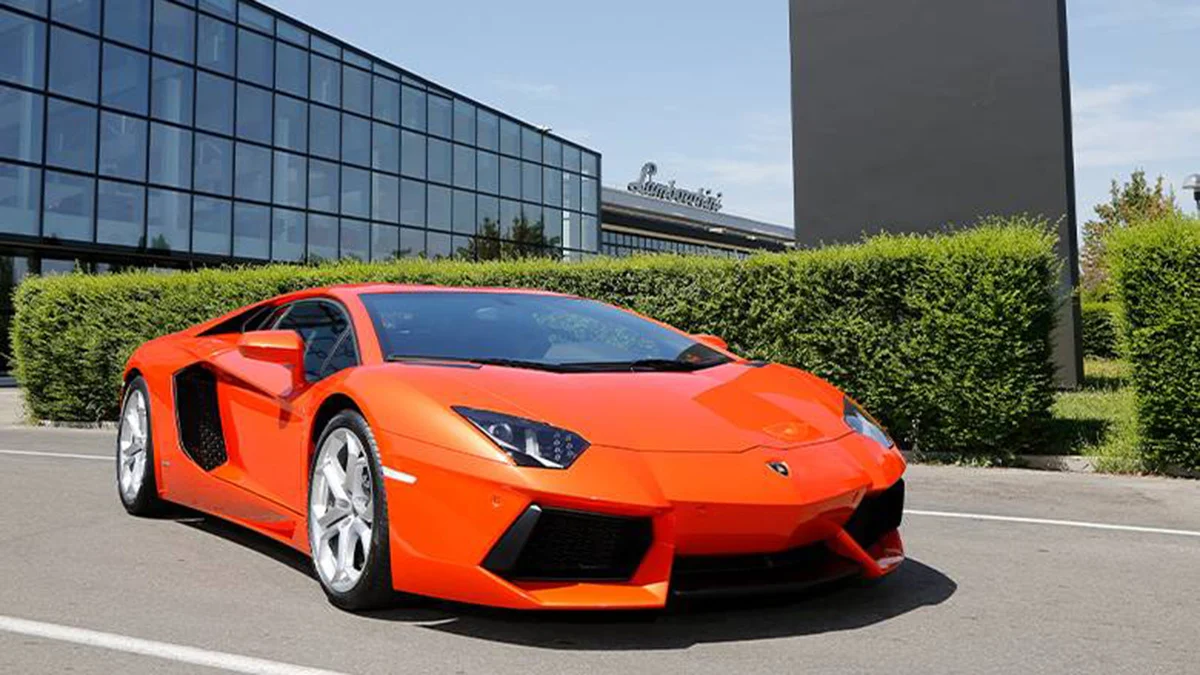
At the pinnacle of the collection sit the performance machines that define the modern era of speed. These include a 2012 Lamborghini Aventador—a vehicle that, even in its second decade, commands immense respect for its V12 soundtrack and dramatic styling. Alongside it sits a 2018 Ferrari 488, a masterpiece of Italian engineering, and a 2014 Dodge Viper SRT, a raw, analog beast that represents the zenith of American muscle car performance.
The Luxury Daily Drivers
Beyond the track-focused exotics, Iley curated a stable of high-end daily drivers that highlight the breadth of his spending. The 2021 Porsche Taycan represents a shift toward electrification, while the 2022 Maserati MC20 signifies a penchant for boutique Italian luxury.

The Curiosities: Classics and Military Hardware
Perhaps the most peculiar aspect of the collection is its lack of focus. Among the high-tech supercars, federal agents found a 1968 Pontiac Firebird. As a second-year production model, this muscle car classic would be the crown jewel of any traditional collector’s garage.
Even more striking are the military vehicles. The collection includes a 1990 BMW 6×6 cargo truck and two AM General Humvees (1989 and 1993). These vehicles suggest a collector who was interested in the "tactical" aesthetic as much as the "exotic" one, moving from the refined aerodynamics of a Ferrari to the utilitarian grit of a military-grade transport.
Official Responses and Judicial Implications
The severity of the sentence reflects the profound impact Iley’s crimes had on the community. FBI Dallas Special Agent R. Joseph Rothrock offered a blunt assessment of the situation in a statement following the sentencing:
"This 160-month sentence holds the defendant accountable for a multiyear fraud scheme that exploited members of our communities."
The U.S. Attorney’s Office has made it clear that the primary objective of the asset seizure is restorative justice. In many fraud cases, victims are left with little recourse once the perpetrator has spent the funds. By seizing these high-value assets, the government ensures that the "value" remains in the system to be redistributed to the rightful owners, rather than vanishing into the ether of untraceable spending.
The Logistics of Restitution
While the Department of Justice has confirmed the intent to sell, the logistics remain a work in progress. Selling 90 vehicles—ranging from a 1968 Firebird to a 2022 Maserati—requires specialized handling. These vehicles must be stored, maintained, and eventually auctioned or sold through government channels. The market for such vehicles in Texas is robust, and it is highly likely that local collectors, aware of the high-profile nature of this sale, will be lining up to bid.
The Broader Implications for the Automotive Market
The case of Clayton Lloyd Iley serves as a cautionary tale for both the public and the collector car market. It highlights the vulnerability of individuals to sophisticated financial scams and underscores the reality that "trophy assets" are often the first things to be liquidated when the law catches up to the buyer.
For the automotive community, this collection represents a complex moral dilemma. While the cars themselves are innocent—masterpieces of engineering and design—they are inextricably linked to a story of human suffering and financial ruin. As these cars head to the auction block, they will likely retain their value, but their history will forever be marked by the fraud that allowed them to be purchased.
Looking Ahead
As the authorities continue to catalog the remainder of the collection, the public awaits news of the auction dates. For those who view these cars as mere machines, it is an opportunity to acquire a piece of history. For the victims of Iley’s scheme, the sale represents the first step toward financial recovery.
While the 160-month sentence provides a sense of closure for the criminal proceedings, the aftermath of this massive fraud will be felt by the victims for years to come. In the end, the cars that defined Iley’s public life as a "successful businessman" will now be the very things that define his legacy as a convicted criminal.
 Ali Ikhwan
 Siti Muinah
 Ammar Sabilarrohman
