

The cultural landscape of 2026 finds itself caught between the volatile intersection of digital-age public monuments and the physical erosion of protected American landscapes. From the polarizing efforts of artists to cement controversial political figures in the heart of New York City, to federal policy decisions that threaten the integrity of sacred indigenous lands in Utah, the stakes for how we define and preserve our public identity have never been higher.
The Times Square Contention: A Monument in the Digital Age
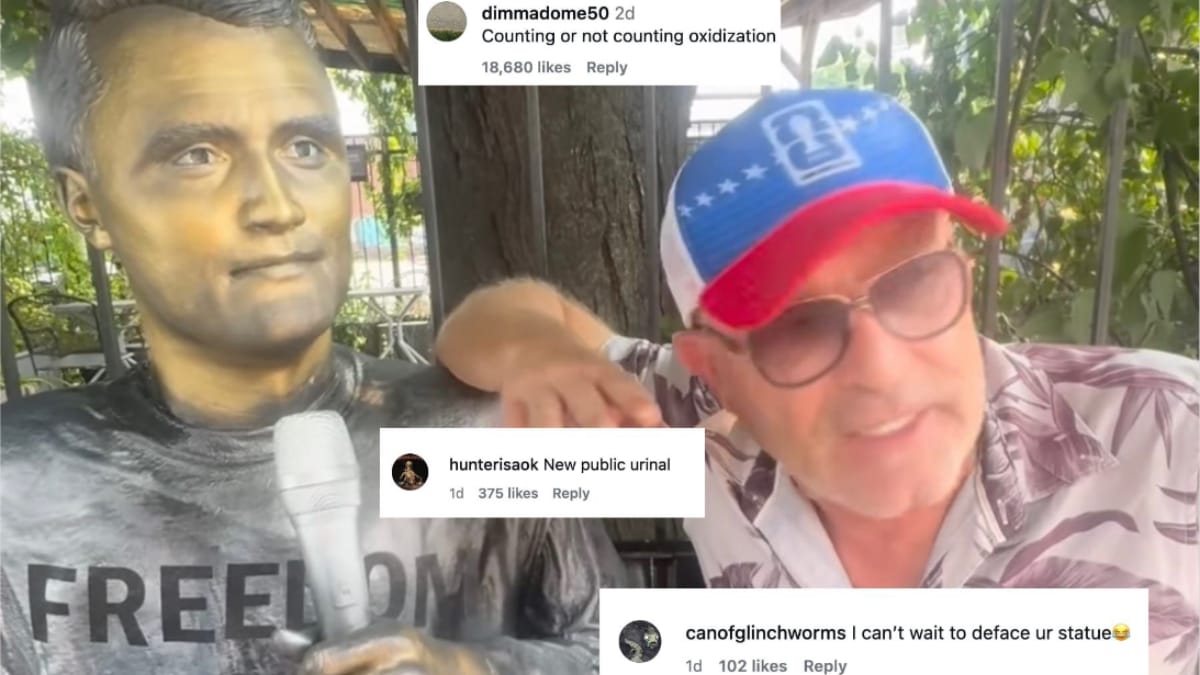
The cultural discourse of the week has been dominated by a singular, inflammatory project: a planned monument to the late right-wing podcaster Charlie Kirk, slated for a high-profile installation in New York City’s Times Square.
The Project and the Protest
Sculptor Sergio Furnari, a figure known for his public installations, announced his intent to unveil a commemorative sculpture of Kirk this coming September 10. The date is intended to mark the first anniversary of Kirk’s assassination, a tragic event that continues to reverberate through the polarized corridors of American political life.

However, the announcement was met with immediate, fierce, and widespread vitriol. Within hours of the project’s promotion on social media, Furnari’s Instagram comment sections became a battleground. Thousands of users, ranging from political detractors to critics of the aesthetic quality of the renderings, have flooded the space with insults, mockery, and direct threats against the memorial. The public outcry highlights a growing trend in the 2020s: the weaponization of public space as a mirror for ideological warfare.
The Aesthetic of Polarization
Art critics and casual observers alike have noted that the renderings of the statue have done little to bridge the divide. Often, public monuments are designed to foster a sense of shared history or reflection; in this instance, the choice of subject matter and the aesthetic execution appear designed to provoke rather than unify. The sculpture serves as a lightning rod, proving that in the current era, art is rarely viewed in a vacuum—it is a tool of political signaling that invites immediate, digital-era scrutiny.
Federal Policy and the Erosion of Sacred Land
While the digital sphere debates the merits of a statue in Times Square, a far more permanent alteration is taking place in the American West. The federal government has recently initiated a drastic reduction in the size of two national monuments in Utah.
The 90% Reduction
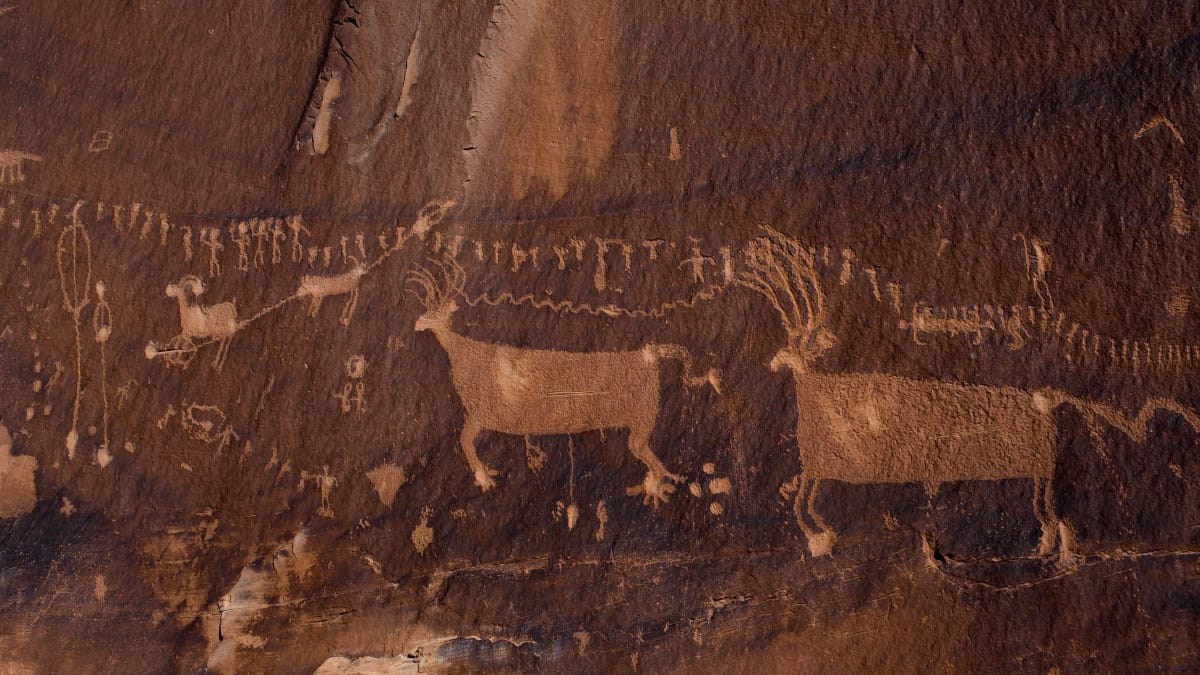
The Trump administration has finalized a policy to shrink the boundaries of these two protected areas by a staggering 90%. These sites, which have long been protected for their immense cultural and geological significance, serve as repositories for ancient rock art and hold profound spiritual importance for various Indigenous nations.
The administration’s rationale for this contraction is rooted in a push for "energy development." By opening these vast tracts of formerly protected land to extractive industries, the federal government is prioritizing short-term economic gains over the preservation of irreplaceable historical and environmental assets.
Implications for Heritage and Environment
The loss of these protections is not merely a bureaucratic shift; it is a profound rupture in the stewardship of American history. These sites contain petroglyphs and archaeological evidence that tell the story of human habitation on the continent long before the formation of the United States. To open these lands to drilling and mining is to risk the permanent destruction of these records. Critics, including environmentalists and tribal leaders, argue that this move represents a cynical disregard for the "public" in public land, effectively transferring the stewardship of common heritage to private corporate interests.
Chronology of Current Cultural Flashpoints
To understand the velocity of these shifts, one must look at the timeline of events that have defined this week in the art world and public policy:
- Early July 2026: Initial rumors circulate regarding the Furnari monument in New York.
- July 12, 2026: Official renderings of the Charlie Kirk monument are released, triggering a massive social media backlash.
- July 14, 2026: The Department of the Interior confirms the finalization of the boundary reduction for Utah national monuments.
- July 15, 2026: Public outcry from advocacy groups regarding the Utah lands intensifies, with legal challenges expected to follow.
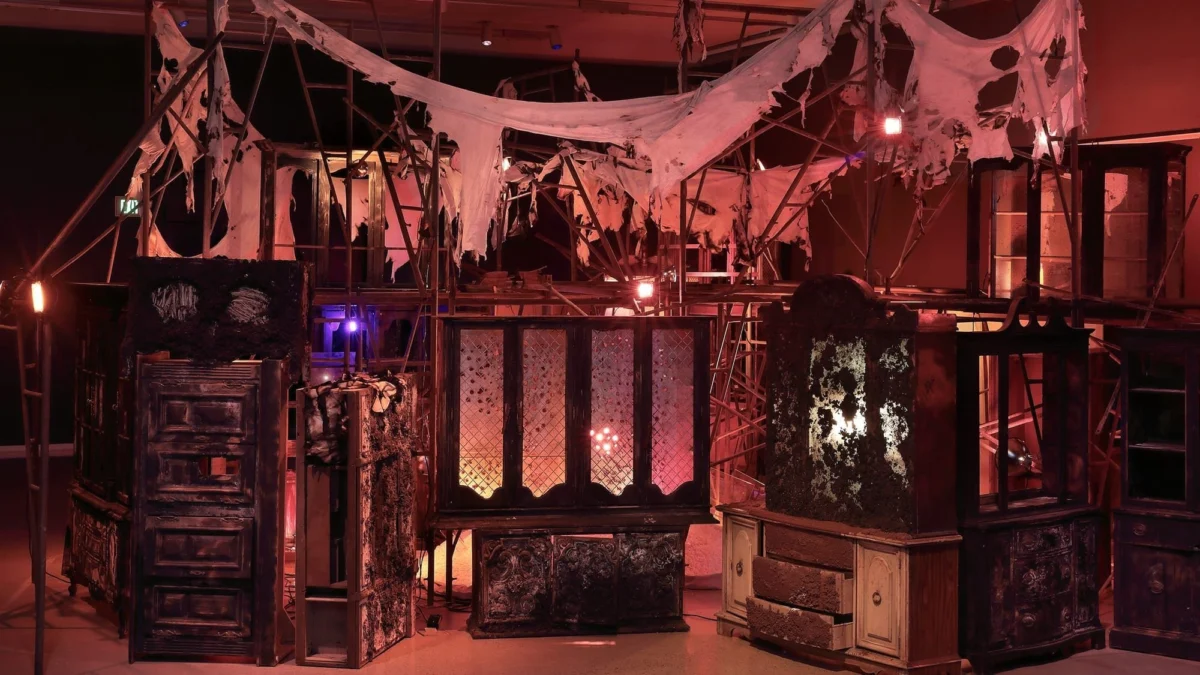
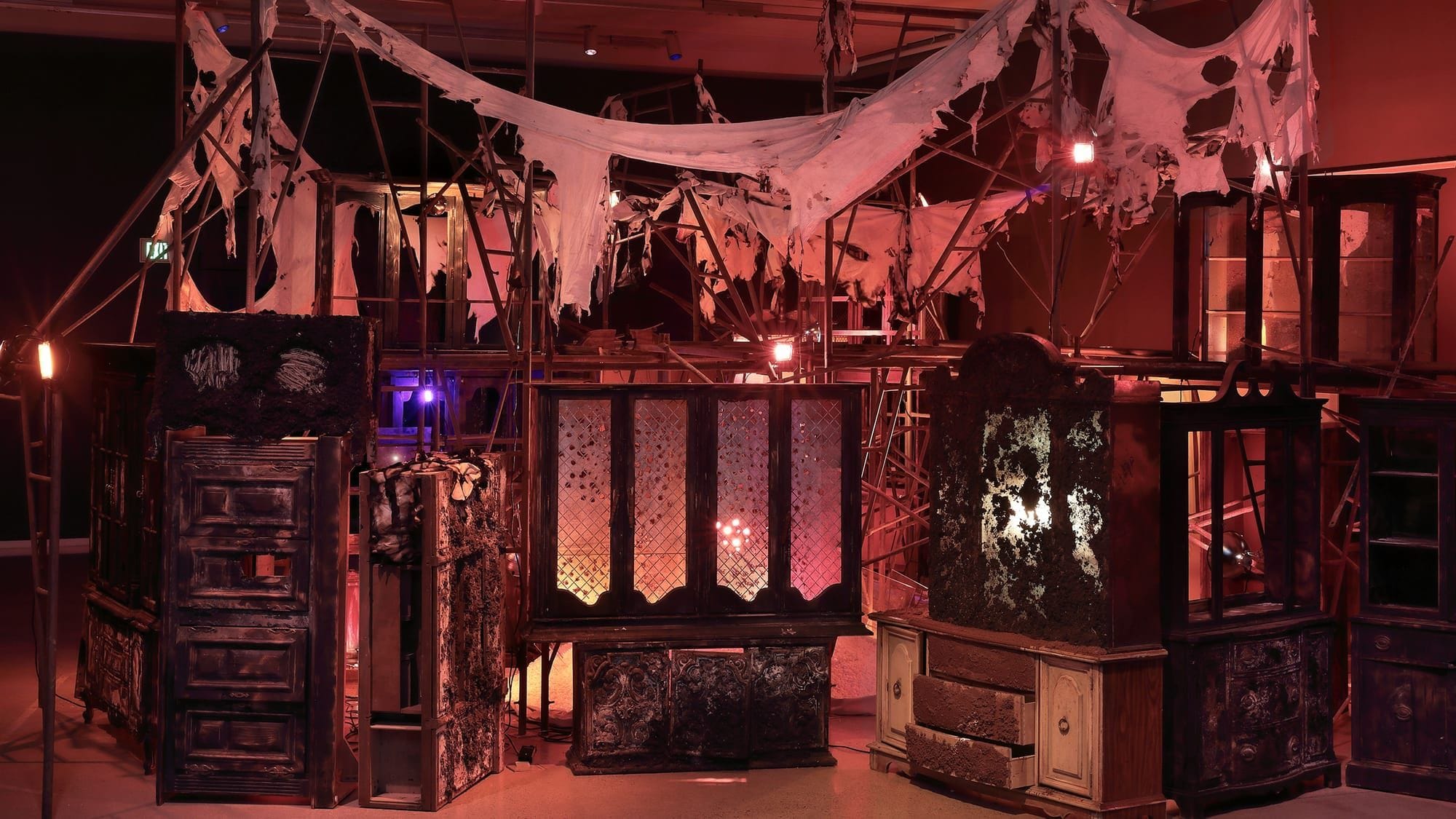
- July 16, 2026: The Institute for Contemporary Art (ICA) at VCU launches Deo Vindice, a timely exhibition addressing the legacy of the Civil War and white supremacy, adding a layer of scholarly depth to the week’s discussions on heritage.
Supporting Data: The Cost of Commercialization
The tension between "community" and "corporate storytelling" is perhaps best illustrated by the ongoing critique of how American myths are manufactured. Recent analyses of public art and corporate sponsorship reveal a pattern: the "real" history of a community is frequently sidelined in favor of a "superreal" or "unreal" version of the past that serves the interests of branding and political posturing.
When looking at the Utah case, the data provided by conservation groups suggests that the 90% reduction will affect over 1.2 million acres of land. The economic impact of this development, when weighed against the loss of tourism and the intrinsic value of the land, remains a point of intense contention. Economic reports suggest that while short-term employment might rise in the energy sector, the long-term ecological restoration costs will far outweigh the initial revenue.
Official Responses and Stakeholder Positions
The response from the federal government has remained steadfast, citing "energy independence" and "economic growth" as the primary drivers of the Utah land management policy. Officials argue that the monuments were originally designated too broadly and that local economies in rural Utah have suffered under federal restrictions.
Conversely, the artist Sergio Furnari has remained largely silent on the specific threats received, though his studio has indicated that they intend to proceed with the installation as scheduled. The silence from the artist is often interpreted as a tactical move, allowing the controversy to build brand visibility for the sculpture, regardless of whether the reception is positive or negative.
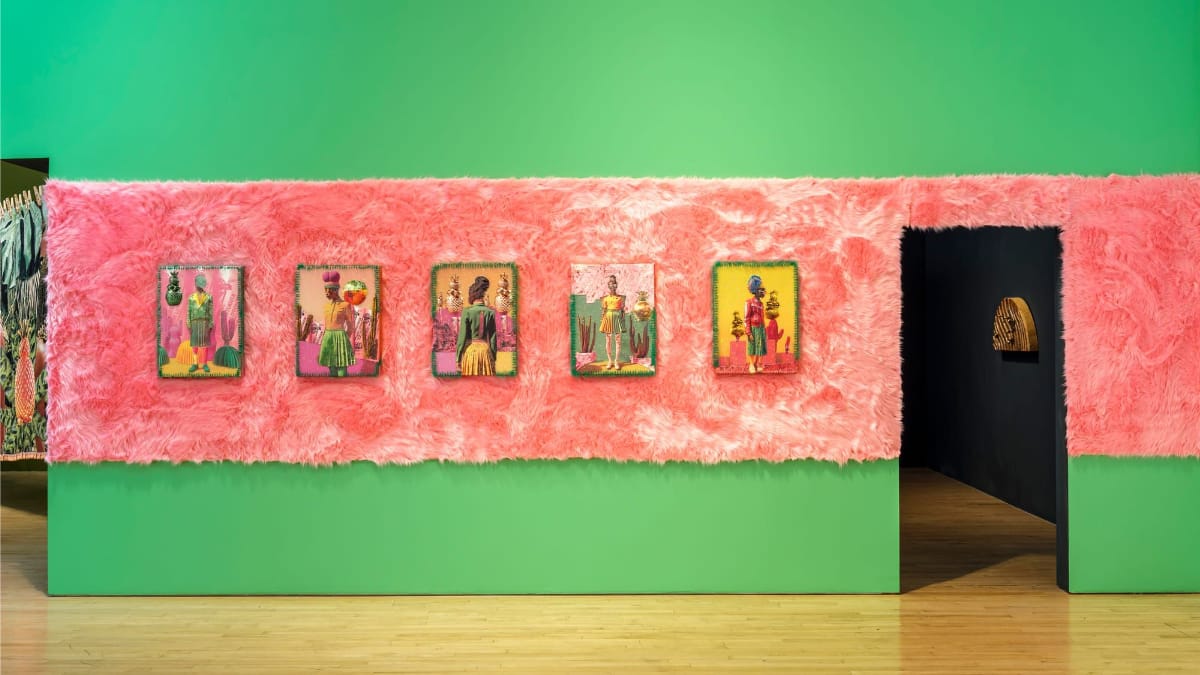
Cultural institutions, such as the ICA at VCU, are taking a different approach. Through the installation Deo Vindice, they are attempting to facilitate a more rigorous academic examination of the themes that haunt the nation—specifically the lingering ghosts of the Civil War and the structures of power that continue to define American society.
Implications: The Future of Public Space
The convergence of these events suggests a deepening crisis in how we manage public space. Whether it is a statue in the middle of a bustling urban center or a protected canyon in the desert, the question is the same: Who owns the narrative of our country?
The Digital Siloing of Opinion
The intense trolling of the Kirk monument underscores how digital platforms have moved from being forums for discourse to arenas of performative outrage. This makes the installation of any public monument a high-risk venture, one that requires a degree of institutional backing that may soon become impossible to secure in a climate of total hostility.
The Retreat of Public Protections
The decision to shrink the Utah monuments signals a broader trend of "de-prioritizing" the commons. When the government decides that 90% of a national monument is no longer worth protecting, it sends a message that the preservation of history is a luxury that can be discarded in favor of industrial progress.
As we look toward the fall, the unveiling of the Kirk monument will likely serve as a litmus test for the tolerance of the public square. Simultaneously, the legal battles over the Utah lands will determine whether the federal government has the mandate to auction off the nation’s cultural inheritance.
Ultimately, these stories reflect a nation in flux. We are witnessing a transition where the old methods of public memorialization and conservation are being challenged by new, aggressive, and often destructive forces. Whether these shifts will lead to a new way of engaging with our collective past, or simply to the erasure of it, remains the defining question of our time.
For now, the public remains a polarized observer, caught between the noise of the digital feed and the quiet, accelerating loss of the physical landscapes that once grounded our national identity. As we navigate these challenges, the role of institutions—from galleries like the ICA to the judicial courts—will be to serve as the final line of defense for a more nuanced, inclusive, and historically accurate understanding of what it means to live in the United States today.
 Neng Nana
 Ali Ikhwan
 Basiran
