

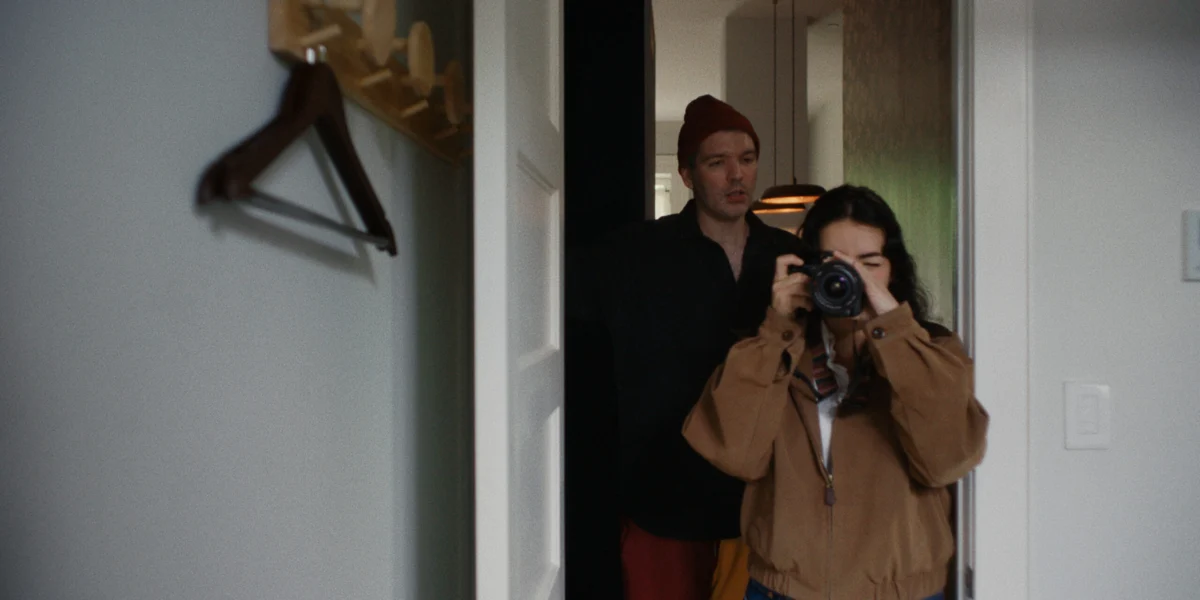
In the ecosystem of New York City filmmaking, the location scout is a ghost. They are the heralds of production, the ones who infiltrate the private sanctuaries of strangers—brownstones in Brooklyn, cramped studios in the East Village, and sun-drenched lofts in Tribeca—to snap photos for a department head who will inevitably reject 99 percent of them. It is a thankless, frantic, and deeply intimate job that rarely makes it onto the screen.
In her directorial debut, The Scout, filmmaker Paula González-Nasser pulls the curtain back on this transient profession. Starring Mimi Davila as Sofia, the film operates on a singular, piercing thesis: humans are remarkably comfortable opening up to people they perceive as invisible. By chronicling the life of a woman whose job is to disappear into other people’s lives, González-Nasser has crafted a meditative, dryly humorous, and profoundly relatable portrait of the modern gig economy.
The Reality Behind the Frame: A Chronology of the Scout’s Burden
The narrative structure of The Scout is episodic, mirroring the erratic, high-pressure cadence of an actual location scout’s day. Sofia’s existence is defined by a relentless, rhythmic cycle: the frantic commute, the polite intrusion into a stranger’s home, the sterile documentation of someone else’s life, and the subsequent dismissal by her superiors.
Drawing heavily from her own industry experience—having worked on acclaimed series like High Maintenance and Russian Doll—González-Nasser captures the friction between the glamour of “making movies” and the grueling reality of logistics. The film tracks Sofia as she navigates the city, serving as a conduit for the cinematic machine.
Early in the film, we see Sofia’s interactions as purely transactional. She is a silhouette, a camera, a clipboard. However, as the days bleed together, the film reveals the emotional tax of her role. She becomes an accidental confidante to the city’s residents. These encounters are the heartbeat of the narrative: a grandmother proudly displaying family heirlooms while mourning the distance of her kin; an online scammer casually dropping incriminating details during a routine walkthrough; the persistent, low-level harassment that goes unaddressed because the paycheck is more important than the dignity of the interaction.
For the residents, Sofia is a temporary guest who will never return; for Sofia, they are a fleeting parade of humanity that she experiences more deeply than any of her actual colleagues on a film set.
Supporting Data: The Anatomy of a New York Indie
The Scout places itself firmly within the tradition of New York independent cinema, a genre defined by artists attempting to reconcile their internal ambitions with the external pressures of a city that rarely sleeps. The film’s aesthetic—leisurely, observational, and occasionally punctuated by the frantic energy of a looming deadline—is a deliberate stylistic choice.

The production lineage is significant: Ryan Martin Brown, who directed the similarly themed and critically lauded Free Time, serves as both producer and editor on this project. The collaboration brings a cohesive, observational sensibility to the film. While the pacing feels relaxed, the tension is constant. Sofia is perpetually juggling the demands of four different bosses, caught in a "musical chairs" game of real estate where one cancellation can collapse a production schedule.
Unlike many films that lean into the "artist’s journey," The Scout refuses to grant its protagonist a tidy, cathartic transformation. There is no triumphant moment where Sofia sells a screenplay or wins an award. Instead, the film offers a more honest, albeit humbling, perspective: the realization that the world—the people who consume the films she helps create—has no idea how much effort goes into securing a single corner of an apartment, and they likely do not care.
Official Responses and Industry Context
The film has garnered attention for its raw, unvarnished depiction of the industry. In recent interviews, González-Nasser has noted that the most challenging aspect of the production was balancing the "invisible" nature of the protagonist with the audience’s need to remain engaged.
"I wanted to capture the contradiction," González-Nasser stated in a recent press junket. "You are working in a creative field, which feels like a dream, but you are performing the most mundane, grueling administrative tasks imaginable. You are constantly hearing your friends from corporate jobs say, ‘Oh, you’re so lucky, you work in film,’ while you are sprinting through Brooklyn in the rain, trying to find a bathroom before a location manager fires you."
This tension between perception and reality is what gives The Scout its thematic weight. The film acts as a meta-commentary on the film industry itself, challenging the audience to consider the thousands of "invisible" laborers who facilitate the magic we see on screen.
Implications: The Mental Health of the Gig Worker
Perhaps the most compelling aspect of The Scout is its exploration of the "middle-class dream" trap. Sofia is not destitute, but she is perpetually behind. She spends her hours documenting the domestic bliss (or turmoil) of others, which serves as a constant reminder of her own lack of stability.
The film highlights the "mental load" of the gig economy. When one’s work is based on fleeting, temporary contracts, the ability to build a personal life is often compromised. Sofia’s internal monologue remains largely silent throughout the film, a choice that forces the audience to project their own feelings of professional inadequacy onto her. By denying the audience direct access to her thoughts, González-Nasser forces us to witness the frustration of the "stuck" generation—people who are educated, talented, and working in their desired field, yet unable to reach a sense of permanence.

The film suggests that the primary danger of modern work culture is the erosion of the self. Because Sofia is always "performing" a role—the professional scout, the polite guest, the subordinate—she slowly loses touch with what she actually wants. The moments where she steps away from the grind are few and far between, and they are usually defined by the jarring realization that she is still exactly where she started.
A Critical Appraisal
The Scout is a film that demands patience. It does not provide the high-octane drama of a traditional industry film; instead, it offers the quiet, steady hum of reality. It is a film about the architecture of space and the architecture of a life.
By the end of the film, we understand Sofia not through what she says, but through the accumulation of the small, awkward, and inconsequential moments that define her existence. It is a rare film that manages to be both a love letter to the chaotic energy of New York City and a cautionary tale about the sacrifices made in the name of a creative career.
For those who have ever felt like a supporting character in their own life, The Scout will resonate deeply. It is a testament to the fact that while we may be invisible to the world, our individual struggles are the building blocks of the stories that keep us moving forward.
Grade: B-
The Scout, a Greenwich Entertainment release, is currently enjoying a theatrical run at the Film Forum in New York City. The film is scheduled to expand to the Alamo Drafthouse in Los Angeles on October 2, with a broader nationwide rollout expected to continue throughout the fall season. For those interested in the craft of location scouting, the film serves as a compelling, if slightly cynical, primer on the realities of the trade.
 Jia Lissa
 Iffa Jayyana
