

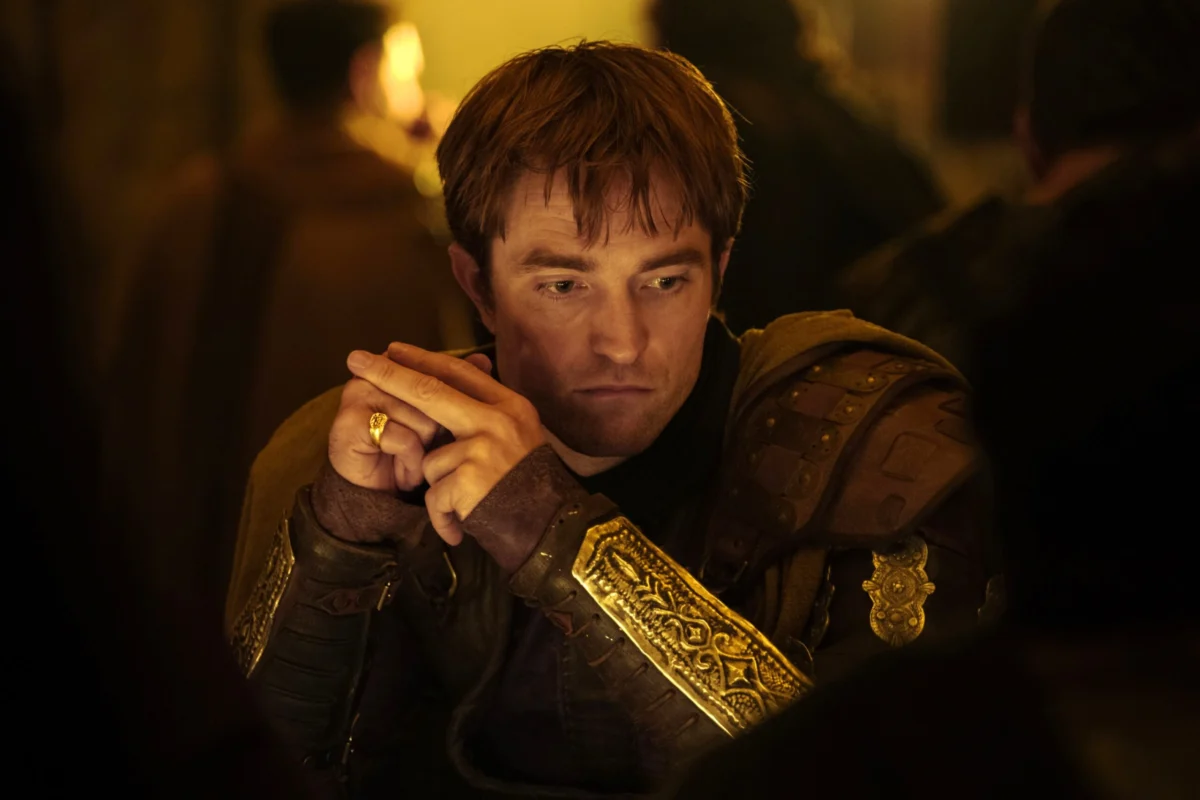
Main Facts: A Cinematic Juggernaut Takes Form
The global cinematic landscape has been irrevocably altered by the release of Christopher Nolan’s latest opus, The Odyssey. Widely hailed by critics as the definitive film of the decade, the adaptation of Homer’s epic poem has not only dominated the box office but has also ignited a complex discourse regarding the intersection of classical literature, modern casting, and the technical limitations of contemporary exhibition.
At the heart of the current fervor is a paradoxical crisis of success: while The Odyssey is the best-reviewed film of the year, it has created an unprecedented logistical bottleneck. The demand for IMAX 70mm screenings—Nolan’s preferred format—has far outstripped the global supply of functional projectors and available seats. Reports indicate that many viewers secured their tickets up to a year in advance, a phenomenon previously unseen in the post-pandemic era.
Beyond the technical spectacle, the film is a bold re-imagining of the Bronze Age narrative. Starring Matt Damon as Odysseus and Anne Hathaway as Penelope, the film repositions the Greek hero as a "dignified problem-solver" rather than the blood-soaked warrior of the original text. This artistic pivot, alongside the casting of Lupita Nyong’o as Helen of Troy and Elliot Page as Sinon, has placed the film at the center of a swirling "culture war," highlighting the tension between traditionalist interpretations and modern artistic flourishes.
Chronology: From Pre-Production to Festival Dominance
The journey of Nolan’s The Odyssey from a rumored project to a cultural milestone follows a timeline of calculated secrecy and strategic reveals:
- Initial Development (Late 2023): Following the massive success of Oppenheimer, rumors began to circulate that Nolan was eyeing an "unfilmable" classic. Warner Bros. and Paramount (before their current merger complications) entered a bidding war for the rights to the script.
- Production and Casting (2024-2025): Filming took place across various Mediterranean locations, utilizing experimental IMAX cameras designed to handle low-light sea conditions. The casting of Matt Damon and Anne Hathaway was met with early praise, while the announcement of Lupita Nyong’o as Helen and her "twin" Clytemnestra sparked immediate online debate.
- The Ticket Frenzy (Early 2026): Upon the announcement of a limited IMAX 70mm run, specialized theaters reported server crashes. Enthusiasts began booking travel to "destination theaters" in cities like London, New York, and Los Angeles over twelve months before the premiere.
- The Festival Circuit (Summer-Fall 2026): As The Odyssey continues its theatrical run, the industry is shifting focus to the fall festivals. The Venice Film Festival recently announced it would open with Danny Boyle’s Ink, a biographical drama centered on Rupert Murdoch. This will be followed by the New York Film Festival (NYFF) launching James Gray’s Paper Tiger, which is already being positioned as the primary Oscar challenger to Nolan’s epic.
Supporting Data: Technical Bottlenecks and Market Metrics
The "IMAX Headache" cited by moviegoers is supported by stark data regarding the current state of film exhibition. Currently, there are fewer than 30 theaters worldwide capable of projecting 15-perforation/70mm film in the manner Nolan intended. With The Odyssey running at a significant length and requiring specialized maintenance for every screening, the throughput for the "ideal" viewing experience is remarkably low.
According to industry analysts, the "Nolan Effect" has resulted in:

- A 400% Increase in Secondary Market Ticket Prices: Resale platforms have seen IMAX 70mm tickets for The Odyssey listed for upwards of $500 in major metropolitan areas.
- Extended Theatrical Windows: Unlike standard blockbusters that move to streaming within 45 to 60 days, The Odyssey is projected to remain exclusively in premium large-format (PLF) theaters for at least six months.
- The "Sea Peoples" Mystery: Marketing data suggests that the film’s focus on the "Sea Peoples"—a mysterious historical group referenced by Odysseus and Penelope—has led to a 250% spike in search queries and academic interest in Late Bronze Age history.
Official Responses and Artistic Defense
The creative team behind The Odyssey has been proactive in addressing the various debates surrounding the film. During a recent episode of IndieWire’s Screen Talk podcast, co-hosts Anne Thompson and Ryan Lattanzio, joined by Craft Editor Sarah Shachat, explored the director’s intent.
Nolan’s narrative choice to "sand down" the brutality of Odysseus has been defended as a necessary evolution for a story about the "decline of civilization." By transforming the protagonist into a hubristic but dignified strategist, Nolan mirrors contemporary anxieties about leadership and societal collapse.
Regarding the casting of Lupita Nyong’o, the production has maintained that the decision to have her play both Helen and Clytemnestra was a deliberate "artistic flourish" meant to explore the duality of the feminine archetype in Greek tragedy. "Nolan isn’t just filming the poem; he’s riffing off the text to create something that speaks to our current moment," Shachat noted during the podcast.
Similarly, the casting of Elliot Page as Sinon—the soldier who tricks the Trojans into accepting the wooden horse—has been hailed by the studio as a brilliant "bait-and-switch" casting that aligns with the character’s deceptive role in the narrative.
On the corporate front, the response to the legal challenges facing the industry has been more somber. A 12-state antitrust lawsuit currently seeks to block the massive merger between Paramount and Warner Bros. Discovery. While the states argue that the merger will stifle competition and harm consumer choice, studio representatives have largely remained silent, though insiders suggest a "cynical" outlook. The prevailing sentiment is that the deal is too large to fail, despite the heavy hearts of those who fear a further consolidation of Hollywood power.
Implications: The Future of the "Event" Movie
The success and surrounding controversy of The Odyssey carry significant implications for the future of the motion picture industry.

1. The Survival of Analog in a Digital Age
Nolan has once again proven that there is a massive, underserved market for high-fidelity, analog filmmaking. The desperation of audiences to see 70mm film suggests that "The Experience" is the only thing currently capable of drawing viewers away from home streaming setups. This may lead to a reinvestment in physical film infrastructure, which had been largely abandoned over the last two decades.
2. The Evolution of the Adaptation
By stripping the "brutality" from a classic text, Nolan is setting a precedent for how the Western Canon can be reinterpreted for modern sensibilities without losing its epic scale. If The Odyssey sweeps the upcoming awards season, we can expect a wave of "prestige-washed" adaptations of other classical works, where the focus shifts from mythological violence to psychological and societal decay.
3. The Consolidation Crisis
The backdrop of the Paramount/WBD merger lawsuit serves as a grim reminder that while the art of cinema may be thriving in Nolan’s hands, the business of cinema is becoming increasingly monolithic. If the antitrust lawsuit fails, the industry will move closer to a duopoly, potentially limiting the types of "mid-budget" films that directors like James Gray or Danny Boyle rely on.
4. The New Oscar Race
The upcoming festival season will be a litmus test for the industry. James Gray’s Paper Tiger and Danny Boyle’s Ink represent the "traditional" path to the Academy Awards—narrative-driven, character-focused dramas. However, they must now compete in the shadow of Nolan’s "Odyssey," a film that has redefined what an "award-worthy" movie looks like in terms of scale and technical achievement.
In conclusion, Christopher Nolan’s The Odyssey is more than a film; it is a flashpoint for the current state of culture. It represents the pinnacle of technical achievement and the complexities of modern representation, all while being anchored by a corporate landscape that is undergoing its own seismic—and perhaps troubling—transformation. As the "Sea Peoples" of the film represent a mysterious threat to a settled world, the shifts in the film industry represent a similarly uncertain future for the medium of cinema itself.
 Jia Lissa
 Lina Irawan
 Iffa Jayyana
