

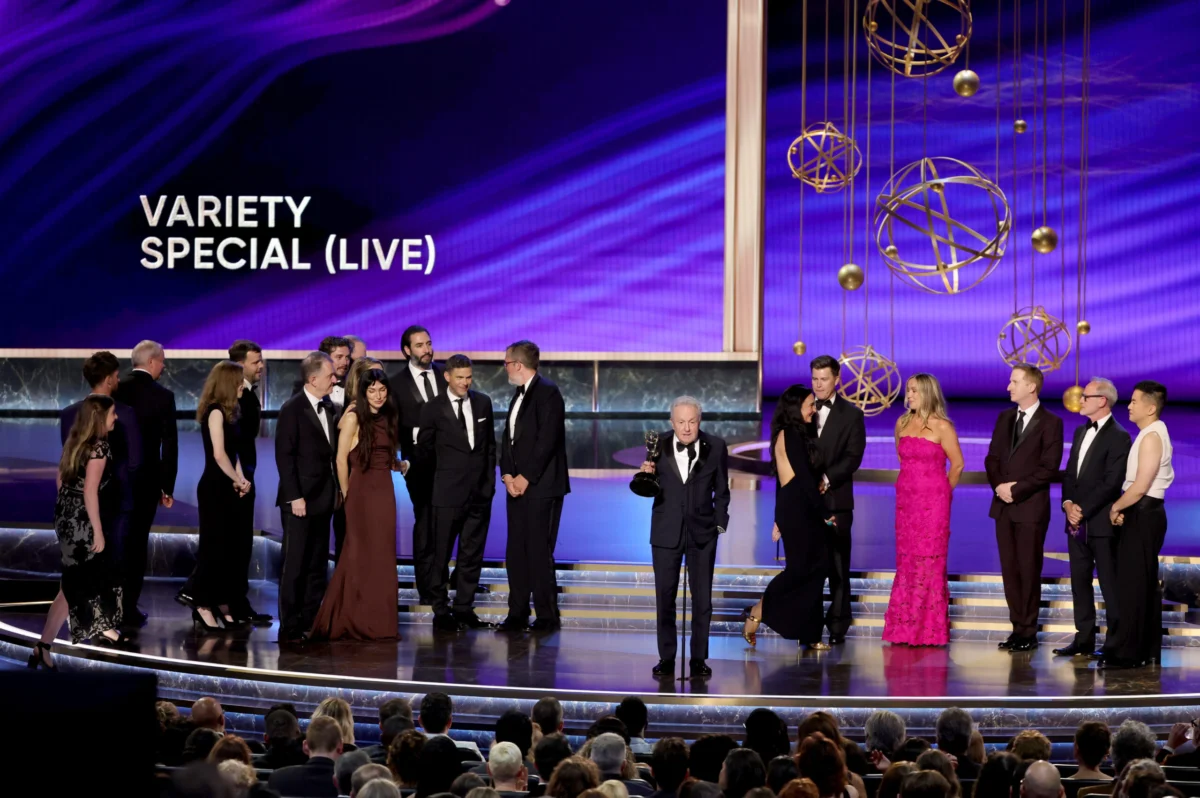
The annual transition from the height of the television season to the prestige of awards campaigning has been met with a wave of industry-wide friction. On Friday, July 17, the Academy of Television Arts & Sciences (Television Academy) released its schedule for the upcoming 2026 Emmy season, detailing which honors would be relegated to the Creative Arts ceremonies and which would remain part of the high-profile Primetime Emmy broadcast.
The announcement has sparked a firestorm of controversy among entertainment professionals, labor unions, and dedicated viewers. By electing to move several high-profile categories—including writing, directing, and supporting performances for Limited or Anthology Series—off the main telecast, the Academy has reignited a long-standing debate: Is the Emmy broadcast a celebration of the craft of television, or is it merely a marketing vehicle designed to maximize Nielsen ratings through star power?
Main Facts: The 2026 Emmy Telecast Realignment
The Television Academy’s updated schedule confirms that the awards cycle will be split across three main events. The Creative Arts Emmys are slated for Saturday, September 5, and Sunday, September 6, while the 78th Primetime Emmy Awards will air live on NBC on Monday, September 14, from the Peacock Theater in Los Angeles.
Traditionally, the Primetime Emmy telecast serves as the "main stage," featuring the most recognizable categories: lead acting, directing, and writing for Drama and Comedy series, along with the top honors for Late Night and Reality Competition programs. However, for the 2026 broadcast, the Academy has confirmed a significant reduction in the number of categories presented during the live three-hour window.
The specific categories facing the "chopping block" for the Primetime broadcast include:
- Outstanding Writing for a Limited or Anthology Series or Movie
- Outstanding Directing for a Limited or Anthology Series or Movie
- Outstanding Supporting Actor in a Limited or Anthology Series or Movie
- Outstanding Supporting Actress in a Limited or Anthology Series or Movie
- Outstanding Writing for a Variety Series (currently under review for potential exclusion)
The Academy defended the decision in a brief statement, suggesting that the changes are necessary to ensure the "NBC ceremony and future broadcasts remain deeply engaging and tailored to the television audience." This move reflects a broader trend in the awards show landscape, where producers are under immense pressure from networks to trim runtimes and prioritize categories that feature "A-list" celebrity winners to combat dwindling viewership numbers.
Chronology of a Contentious Relationship
The tension between the Television Academy and the various Hollywood guilds (WGA, DGA, and SAG-AFTRA) is not a new phenomenon. To understand the current outcry, one must look at the recent history of the telecast’s evolution.
The 75th Emmy Reversal (2023-2024)
Over two years ago, the Academy attempted a similar maneuver by proposing the removal of the "Outstanding Writing for a Variety Series" category from the 75th Primetime Emmy Awards. The backlash was instantaneous. Members of the Writers Guild of America (WGA) organized an aggressive grassroots campaign and a high-profile petition signed by industry heavyweights, including late-night hosts and showrunners. Faced with the prospect of a public relations disaster and potential friction with the talent required to make the show a success, the Academy eventually reversed its decision, restoring the category to the live broadcast.

The 2025 "Variety Special" Pivot
In August 2025, the Academy demonstrated its willingness to adjust the telecast on short notice, but for a different reason. Just two weeks after the initial category list was announced, the Academy added "Outstanding Variety Special (Live)" to the Primetime lineup. Industry analysts noted that this move was likely strategic, intended to ensure that global icons like Beyoncé or Kendrick Lamar—nominees in that category—would have a reason to attend the live ceremony. Unlike the current cuts, this addition was made without the pressure of a petition, highlighting a perceived bias toward "star-heavy" categories over "craft-heavy" ones.
The July 17 Announcement
The current controversy began with the July 17 release of the 2026 "Category Run of Show." By moving the supporting roles and creative leads of Limited Series to the Creative Arts weekend, the Academy effectively signaled that the "prestige" of the Limited Series format—once the crown jewel of the "Peak TV" era—is no longer a priority for the broadcast audience.
Supporting Data: The Value of the Limited Series
The decision to cut Limited Series categories is particularly baffling to industry insiders given the current landscape of television. Over the last decade, the Limited or Anthology Series format has become the primary vehicle for high-end storytelling and prestige talent.
Data from the last five Emmy cycles shows that Limited Series (such as The White Lotus, Beef, Baby Reindeer, and Fargo) often generate as much, if not more, social media engagement and critical discourse than traditional multi-season dramas or comedies.
- Talent Migration: Limited series are the primary entry point for Oscar-winning film actors and directors entering the television space. By removing supporting actor categories, the Academy is potentially excluding some of the biggest names in the industry from the live broadcast.
- The "Supporting" Anchor: Statistically, supporting categories in Limited Series often feature "powerhouse" ensembles. In 2022, for example, the Supporting Actress in a Limited Series category featured seven nominees from the same hit show (The White Lotus), creating a built-in narrative for the broadcast that viewers were already invested in.
By relegating these categories to the Creative Arts Emmys—a ceremony that is recorded and edited into a highlight reel for later broadcast on FXX—the Academy is essentially telling these creators and performers that their contributions are "technical" rather than "primetime."
Official Responses: Labor Unions Stand United
The response from the Hollywood guilds has been swift and unyielding. In a rare display of total solidarity, the Directors Guild of America (DGA), the Writers Guild of America (WGA), and the Screen Actors Guild-American Federation of Television and Radio Artists (SAG-AFTRA) issued a joint statement condemning the move.
"The decision to eliminate these categories from the primetime broadcast devalues the contributions of the talented people the Academy is meant to honor," the joint statement read. "Awards should be a reflection of excellence in the craft, not a calculation of airtime based on perceived entertainment value. By removing the writers, directors, and supporting cast members who bring these stories to life, the Academy is undermining its own mission statement."
Private sentiments from guild members have been even more pointed. Many argue that the "supporting" categories are often where the most emotional and memorable acceptance speeches occur—the very "engaging" content the Academy claims to be seeking.

As of this report, the Television Academy has not issued a formal rebuttal to the guilds. However, sources close to the Board of Governors suggest that the "run of show" is rarely set in stone until late August. History indicates that the Academy often uses these announcements as a "trial balloon" to gauge industry sentiment before making a final determination.
Implications: The Future of the "Awards Show" Identity
The conflict over the 2026 Emmy telecast points to a deeper identity crisis within the Television Academy. There is a fundamental tension between the Academy’s role as a professional honorary society and the network’s role as a commercial broadcaster.
The Erosion of the "Middle Class" of Talent
By focusing only on Lead Actors and Series winners, the broadcast risks creating a "two-tier" system. Supporting actors, writers, and directors are often the "working class" of the prestige TV world. Denying them their "Emmy moment" on a national stage reduces their visibility, which can have tangible effects on their future career earnings and "quote" prices in a tightening labor market.
The Speech as the "Unique Selling Point" (USP)
The Academy’s logic—that cutting categories makes the show more "engaging"—may be fundamentally flawed. Critics argue that the "Unique Selling Point" of the Emmys is not the presence of celebrities (who can be seen on Instagram or at movie premieres daily) but the raw, unscripted emotion of an acceptance speech. When a writer or a supporting actor from a beloved show wins, it provides a "human" moment that resonates with audiences. Replacing these moments with pre-taped segments, musical numbers, or comedic skits often results in a show that feels hollow and over-produced.
Potential for Reversal
Given the precedent set by the 75th Emmys, there is a strong likelihood that the Television Academy will restore at least some of these categories before September 14. The combined pressure of the DGA, WGA, and SAG-AFTRA is a formidable force. If high-profile nominees threaten to boycott the ceremony or if showrunners refuse to participate in promotional activities, the Academy will be forced to choose between a streamlined broadcast and a prestigious one.
In the final analysis, the 2026 Emmy controversy serves as a reminder that while television delivery systems have changed—moving from broadcast to cable to streaming—the desire for recognition of one’s craft remains the heartbeat of the industry. Whether the Television Academy chooses to honor that craft on the global stage or behind the closed doors of a secondary ceremony will define the relevance of the Emmy brand for years to come.
 Jia Lissa
 Iffa Jayyana
