

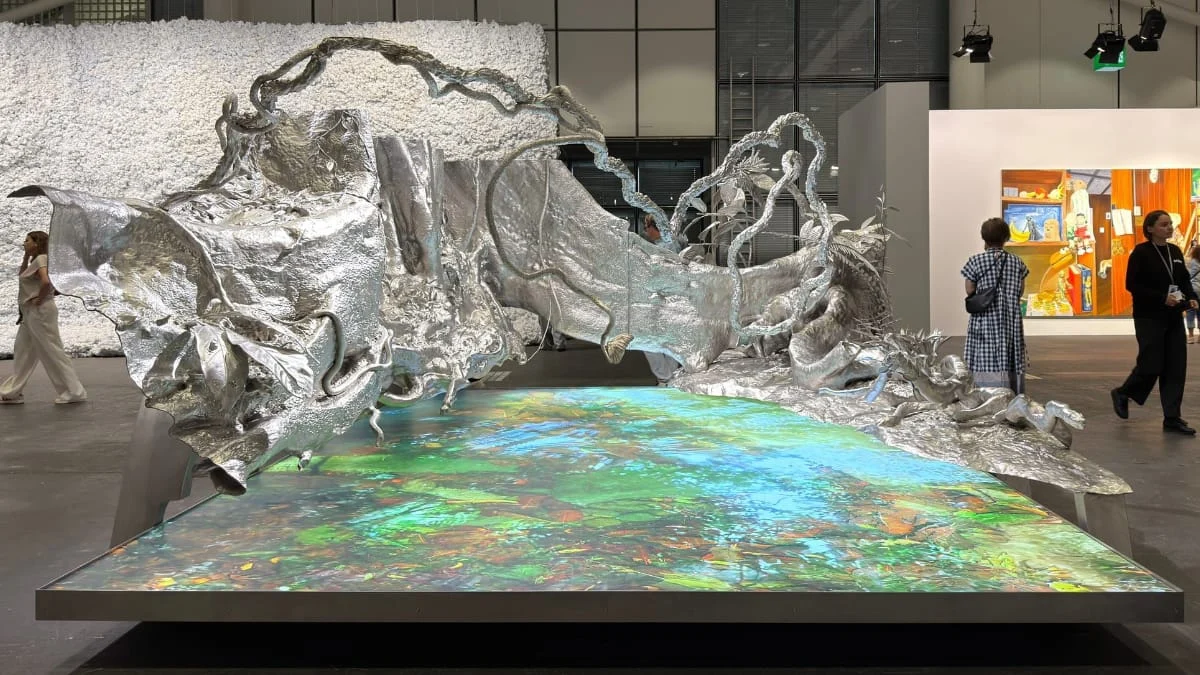
In the ever-evolving landscape of contemporary art, the boundary between the mundane and the magnificent is thinner than we often care to admit. From the streets of West Harlem, where discarded rubber finds new life as poignant portraiture, to the reflective pools of Manhattan’s most prestigious institutions, the art world continues to thrive on a diet of reclamation, resilience, and occasional absurdity. As we navigate the summer of 2026, the cultural sector is marked by a profound engagement with material history and a renewed commitment to institutional innovation.
Kim Dacres: Sculpting Resilience from the Asphalt Up
For Kim Dacres, a native New Yorker and West Harlem resident, the city is not merely a backdrop; it is a repository of raw potential. Every Tuesday morning—a ritual she has dubbed "Tire Tuesday"—Dacres embarks on a scavenging mission through her neighborhood. Her haul consists of the detritus of urban mobility: discarded bicycle tires, inner tubes, and pedal chains.

These industrial remnants, which most city dwellers ignore as they rush to their commutes, are the essential building blocks of Dacres’s practice. By braiding rubber inner tubes and coating her assemblages in heavy industrial spray paint, Dacres creates sculptures that she describes as having a specific olfactory signature: "It smells like home, like the city, like places I’m going."
The Materiality of Memory
Her current solo exhibition at the Charles Moffett Gallery, Lost on a Two Way Street, is a masterclass in material and metaphorical reclamation. Dacres’s work goes beyond mere upcycling; she is effectively sculpting the socio-political fabric of her environment. Her busts and figures serve as tributes to the marginalized groups—women, queer individuals, and immigrant communities—who are often caught in the grinding gears of systemic oppression.
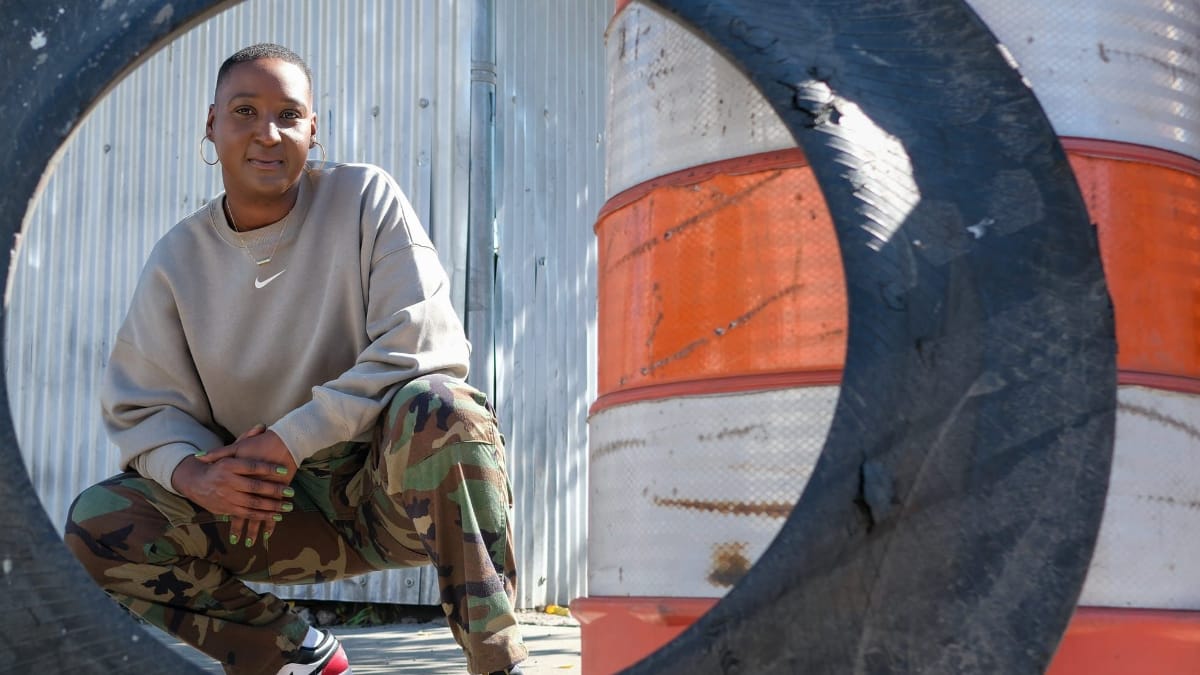
In conversation with writer Daria Simone Harper, Dacres articulates the necessity of this labor. The rubber, once destined for a landfill, is transformed into a testament of durability. By utilizing materials that have literally touched the asphalt of the city, Dacres roots her art in the ground-level reality of the streets, forcing viewers to confront the human cost of a society that treats both people and objects as disposable.
A Moment of Quackery: Nature Reclaims the Frick
While the high-concept art world often demands intellectual rigor, sometimes the most compelling news arrives with a splash. In a story that has captured the collective imagination of New Yorkers this week, a mother duck and her brood of ducklings were discovered waddling through the reflective pool at the Frick Collection in Manhattan.
The presence of the waterfowl provided a moment of whimsy in an otherwise intense news cycle. Recognizing the plight of the displaced family, staffers at the Frick—an institution synonymous with Gilded Age elegance—took it upon themselves to engineer a makeshift ramp. This human intervention allowed the ducklings to safely navigate the architecture of the museum and relocate to the more hospitable environment of Central Park.
While the incident is minor in the grand scale of art history, it serves as a poignant reminder of the permeability of urban institutions. Even the most hallowed halls of culture remain part of a larger ecosystem, one that periodically demands our empathy and our stewardship.
Chronology of Cultural Happenings: Summer 2026
The summer season is in full swing, with institutions across the country debuting programs that challenge the status quo. Below is a timeline of key developments in the art landscape:
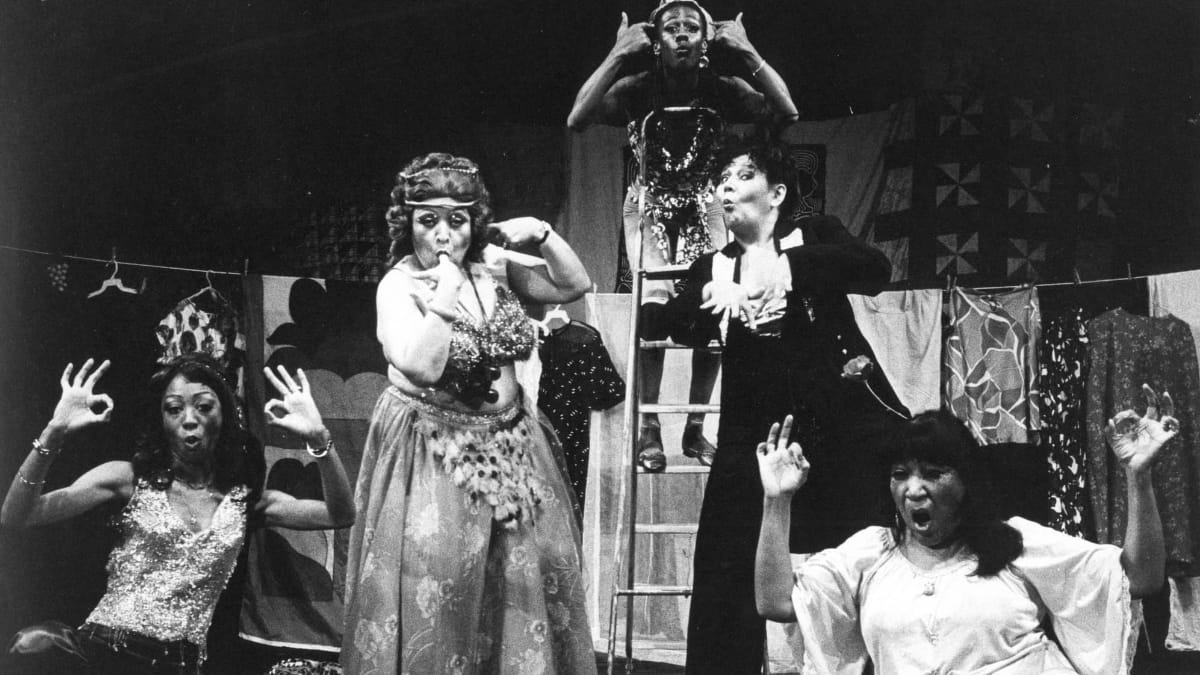
- June 5, 2026: SITE Santa Fe opens Indian Theater: Native Performance, Art, and Self-Determination since 1969. This exhibition marks a pivotal shift in the curation of Native art, positioning performance as the foundational element of contemporary indigenous expression.
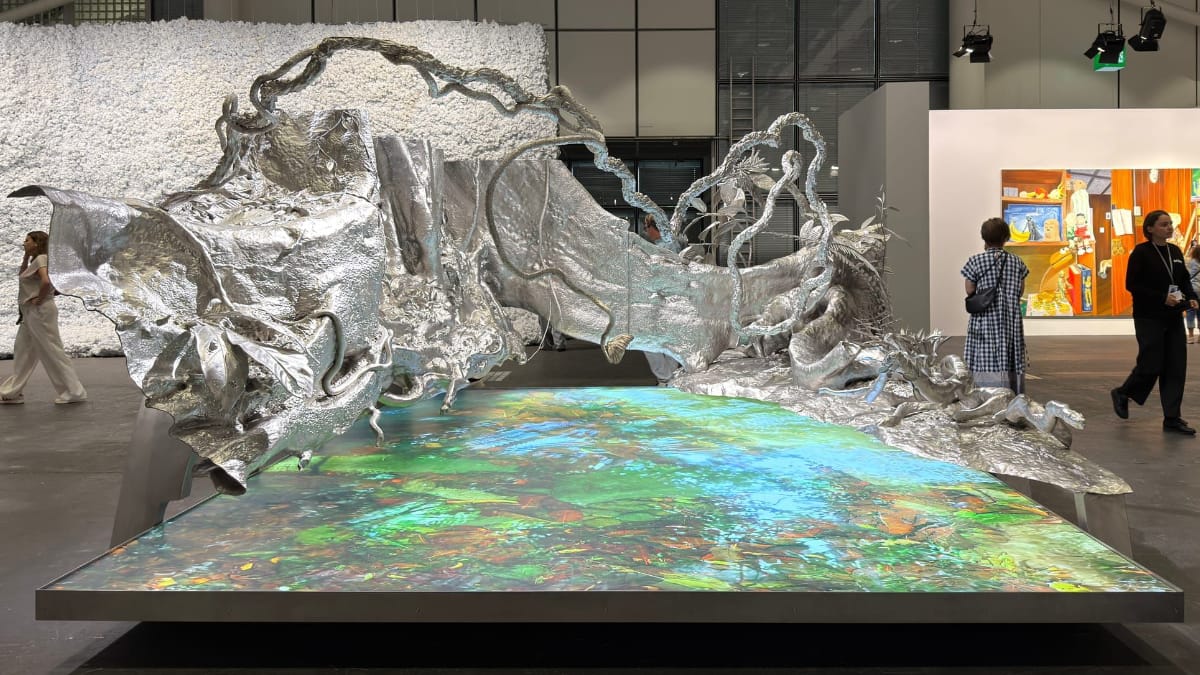
- Mid-June 2026: Art Basel impressions begin to circulate. Market analysts are currently debating whether the current volatility in the global art market is driving galleries toward more "safe", attention-grabbing displays, or if there is a genuine shift toward more experimental curation.
- June 22, 2026: The deadline for the Remuseum and Doris Duke Foundation’s Vanguard Award. This $100,000 grant represents a significant investment in the future of arts leadership, offering a year-long accelerator program in partnership with MIT.
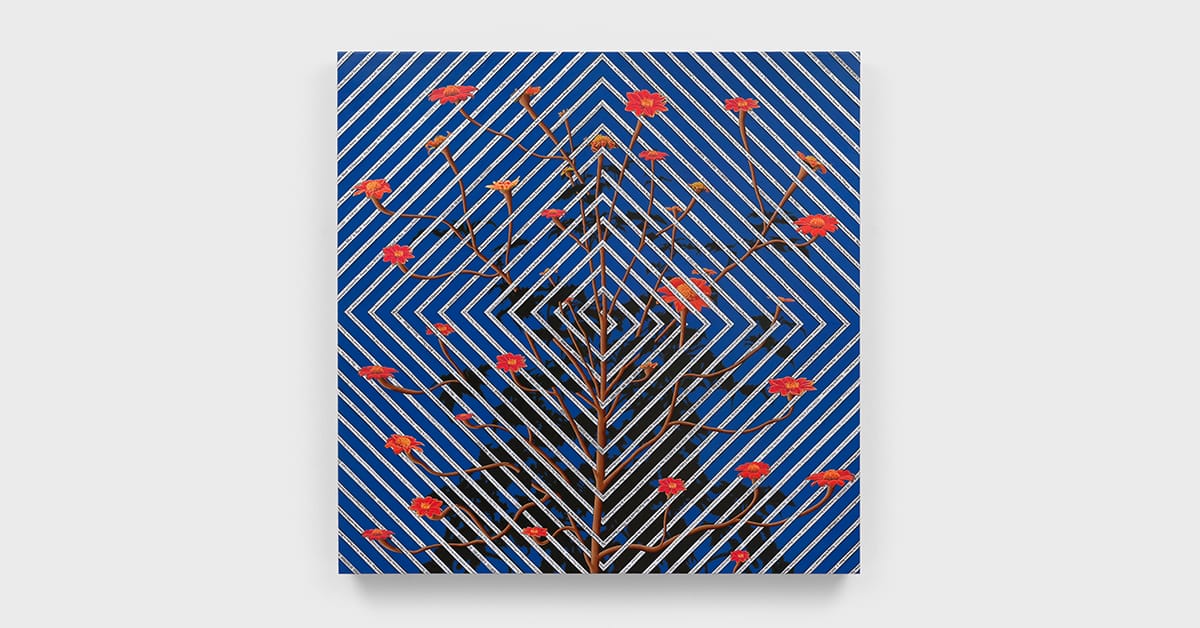
- Ongoing: Fred Tomaselli’s Blooms Disrupted at James Cohan’s 48 Walker Street Gallery remains on view. Tomaselli uses the garden as a subject to meditate on the intrusion of news media into our private realities, a theme that resonates deeply with the current digital age.
Supporting Data: The Changing Economics of Arts Leadership
The current trend in the non-profit and museum sector is moving away from traditional preservation and toward "innovative institutional strengthening." The Vanguard Award, which seeks to support up to 10 leaders, is indicative of a broader industry shift. Data from recent cultural funding reports suggest that the most successful institutions in 2026 are those that have diversified their revenue streams while simultaneously investing in digital literacy and public engagement.
The partnership between the Doris Duke Foundation and MIT is particularly telling. It signals that the art world is no longer looking inward for solutions. By integrating technological evaluation models with arts administration, the foundation is betting on a future where "culture" and "data-driven strategy" are not mutually exclusive.
Institutional Perspectives: The Role of the Gallery
Gallery directors have expressed a cautious optimism regarding the current market climate. As noted in the recent critiques of Art Basel, there is a palpable tension between the desire for spectacle and the need for substance.
Fred Tomaselli’s exhibition is perhaps the best example of this dichotomy. By focusing on the garden—a site of growth and slow, natural time—he provides an antidote to the high-speed, high-stress environment of the art market. His work suggests that art must function as a "counterweight" to the constant noise of modern life. This sentiment was echoed by Daniel Gottlieb, who recently praised the ability of artists to "dwell in the imagination that flourishes between disciplines."
Implications for the Future of Art
The implications of these developments are clear: the definition of an "art space" is expanding. Whether it is an artist like Kim Dacres finding inspiration in bicycle tires, a museum staffer building a ramp for a family of ducks, or a curator like those at SITE Santa Fe centering performance over objects, the industry is moving toward a more fluid, site-specific, and socially conscious model.
The Rise of the "Civic Artist"
We are entering an era where the artist is expected to act as both a creator and a civic participant. Dacres’s work in West Harlem is not just about the sculptures she produces; it is about the "Tire Tuesday" ritual—a form of community service, environmental cleanup, and artistic research rolled into one.
The Sustainability of Institutions
The focus on "Innovative Arts Leaders" indicates that we can no longer rely on the models of the 20th century. Institutions that fail to adapt—by ignoring the environmental impact of their practices or by failing to integrate themselves into the lived experience of their neighborhoods—will find themselves increasingly disconnected from the public.
As we look toward the remainder of the summer, the message is one of integration. The art world is not a sequestered bubble; it is a vital, messy, and constantly changing participant in the broader human experience. Whether through the meticulous braiding of rubber or the preservation of a duckling’s path to the park, the work of culture remains, fundamentally, the work of finding meaning in the discarded, the overlooked, and the unexpected.
In this spirit, we invite our readers to engage with the upcoming exhibitions in Washington, DC, and beyond, and to consider not just what the art says, but where it comes from and what it asks of us in return. The future of the arts depends on this dialogue—one that is as much about the materials in our hands as it is about the world we choose to build together.
 Muslim
 Evan Lee Salim
