

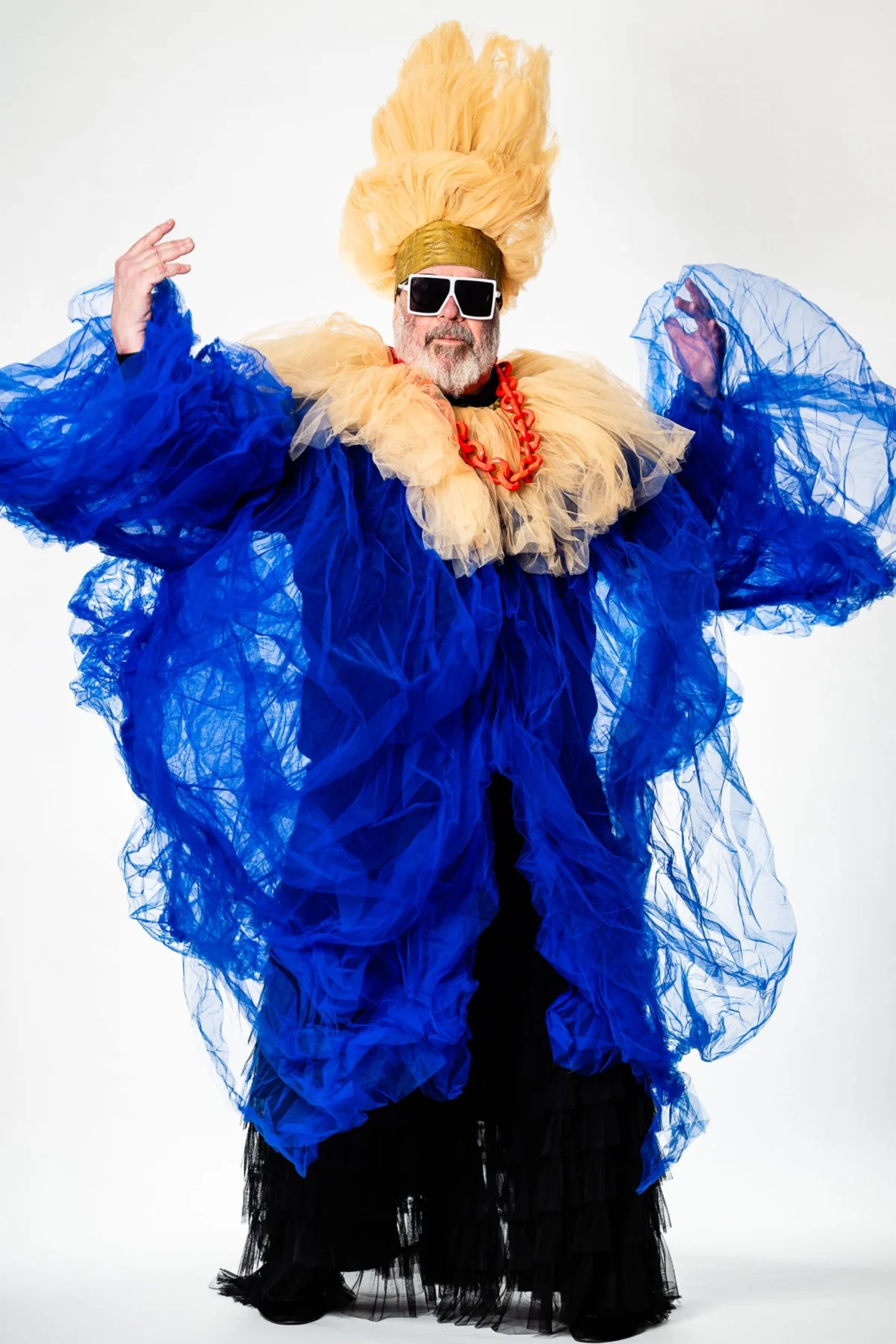
In an era where the contemporary art world is increasingly defined by market speculation, corporate sponsorship, and the commodification of social identity, the career of Ed Woodham stands as a deliberate, defiant antithesis. At 69, the Atlanta-born artist, curator, and educator has spent decades cultivating a practice that rejects the "artwashing" of public spaces in favor of community-rooted intervention. As a queer elder who came of age during the Bicentennial and matured through the trauma of the AIDS crisis, Woodham’s work is not merely aesthetic; it is a sustained, tactical campaign against the erosion of civil liberties and the sanitization of public life.
The Foundations of a Public Practice: From Olympics to Interventions
The trajectory of Woodham’s career is inseparable from the changing landscape of American public space. While his roots are in the South, his most visible contributions were forged in the crucible of New York City’s evolving urban environment.
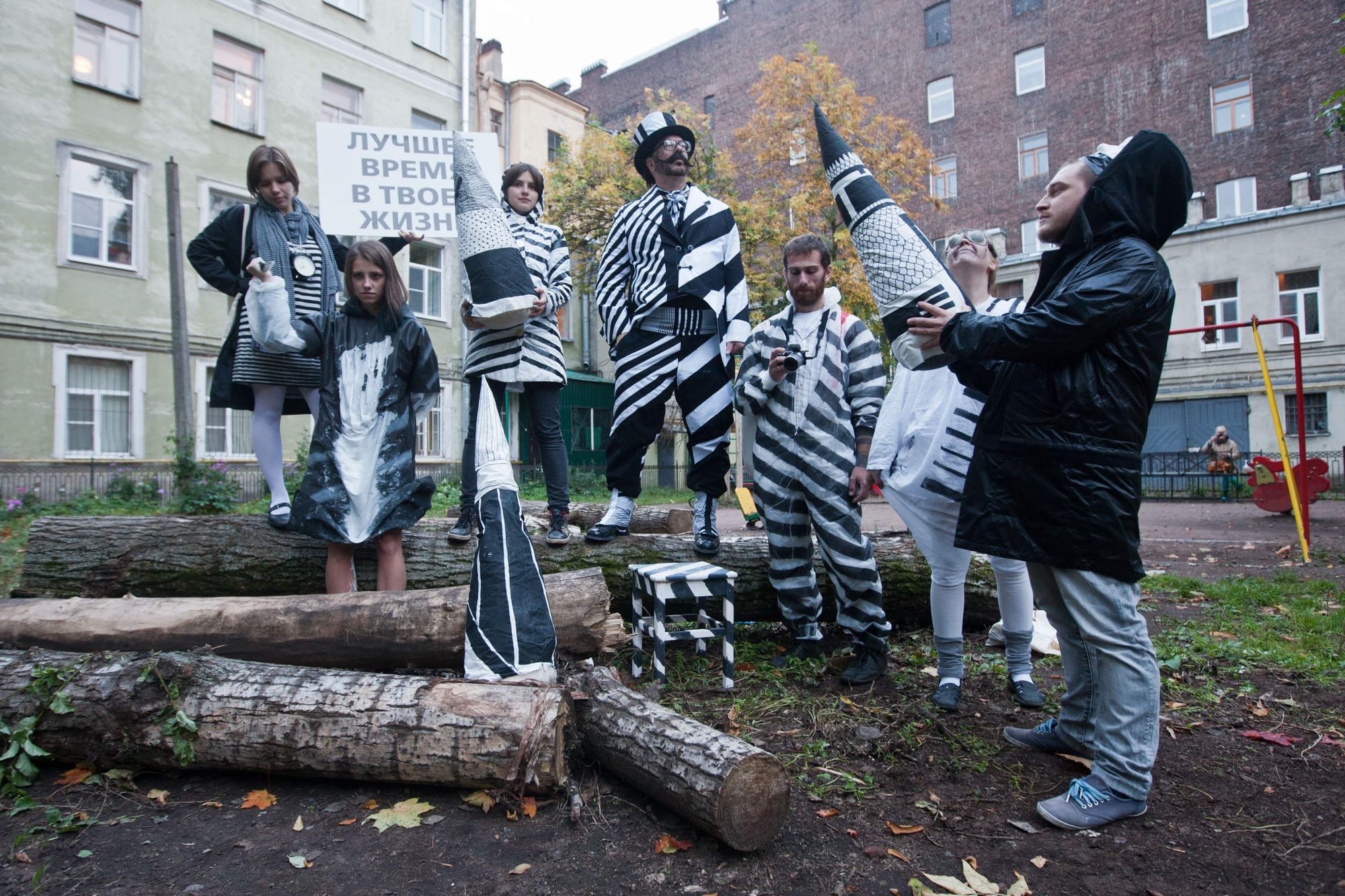
Woodham first gained prominence as a visionary leader for Art in Odd Places (AiOP), a project he co-founded in Atlanta as part of the cultural programming for the 1996 Summer Olympics. However, the project took on a more urgent, political dimension following the September 11, 2001, terrorist attacks. In the wake of the PATRIOT Act and the subsequent tightening of surveillance and restrictions on public assembly, Woodham pivoted. He relaunched AiOP as a mechanism to reclaim the streets, transforming the "carnavalesque" into a tool of political resistance.
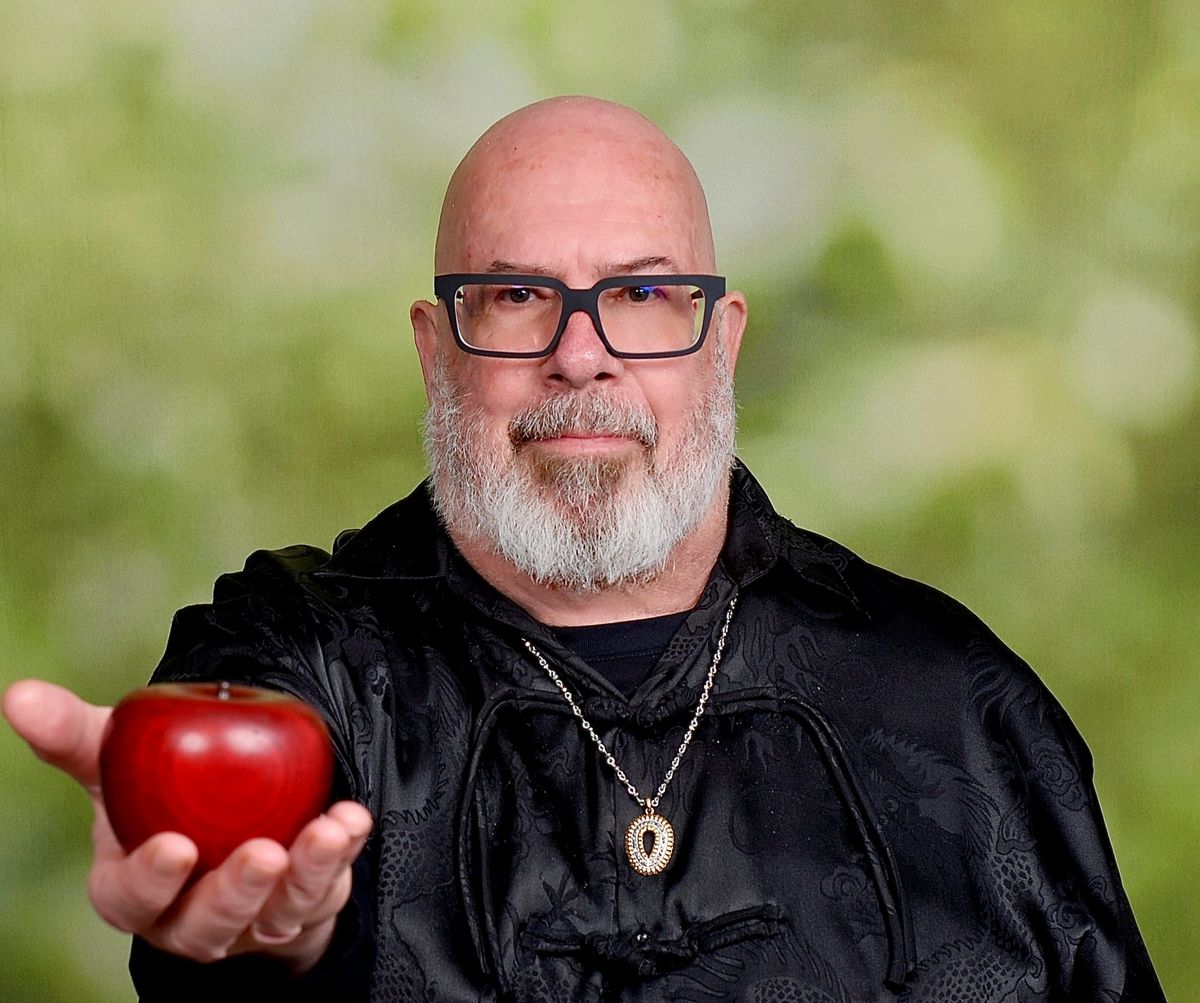
Since 2005, AiOP has served as an annual, DIY street festival—initially in the Lower East Side and East Village, and eventually anchoring itself along 14th Street in Manhattan. For its 20th anniversary last year, the festival invited participants to engage in the subversive act of "doing nothing," framing passive resistance as a foundational step toward systemic change. This focus on "doing nothing" is consistent with Woodham’s philosophy of "Social Malpractice," a curriculum he leads at the School of Visual Arts (SVA) in Manhattan. Through this course, he trains a new generation of artists to develop "secretly coded work" designed to challenge corporate hegemony and the unchecked privatization of common areas.
A Chronology of Queer Resilience
Woodham’s perspective is deeply informed by his experience as a gay man navigating the restrictive cultural geography of the 1970s. His coming-out story serves as a poignant microcosm of the era’s "don’t ask, don’t tell" reality.
- 1976: While a freshman at Middle Georgia College, Woodham entered his first relationship. During the Bicentennial year, he performed in the musical 1776, playing Thomas Jefferson, while his partner played the "dying drummer boy." The relationship was an open secret, shielded by the relative insularity of the theater department, yet perpetually shadowed by the looming threat of discovery in the Bible Belt.
- 1980: Seeking a sanctuary that was psychological, sexual, and creative, Woodham relocated to New York City. He arrived at the height of the East Village art scene, a period of immense creative liberation followed almost immediately by the catastrophic devastation of the AIDS epidemic.
- 1987–1990s: The AIDS crisis fundamentally reshaped Woodham’s understanding of art as an instrument of survival. Watching friends and peers be treated as disposable, he developed a firm rejection of institutional validation. This era cemented his belief that art must prioritize humanity over market branding.
- 1996–Present: From the inception of Art in Odd Places in Atlanta to its long-term residency in Manhattan, Woodham has continuously refined his methodology of "Social Malpractice," using public art to highlight the displacement of marginalized communities.
The Ethics of "Social Malpractice": Supporting Data and Critique
Woodham’s critique of the current art market is sharp and evidence-based. In an opinion piece for Hyperallergic earlier this year, he articulated the danger of "cultural compliance," noting that artists are frequently used as "cultural placeholders"—figures brought in to add a veneer of vitality to neighborhoods precisely as the mechanisms for gentrification and displacement are being finalized.
This "artwashing" cycle, where the language of social practice is co-opted by developers and institutions to serve the very systems it once sought to dismantle, is a central concern in Woodham’s pedagogy. By teaching "Social Malpractice," he asks students to analyze the "terms and conditions" of institutional support. He argues that once an artist or organization begins to protect a brand rather than interrogate a power structure, their work ceases to be transformative.
"I’ve watched both the art world and segments of the queer community capitulate to gatekeepers, branding, and market forces," Woodham observes. "In the process, too much of the radical imagination, risk, and transformative potential of both has been diminished."
Mentorship as Mutual Humanization
Woodham rejects the traditional, top-down model of mentorship. Instead, he draws heavily from the pedagogical theories of Paulo Freire, specifically Pedagogy of the Oppressed. He views teaching as a process of "shared inquiry," where the distinction between teacher and student dissolves.
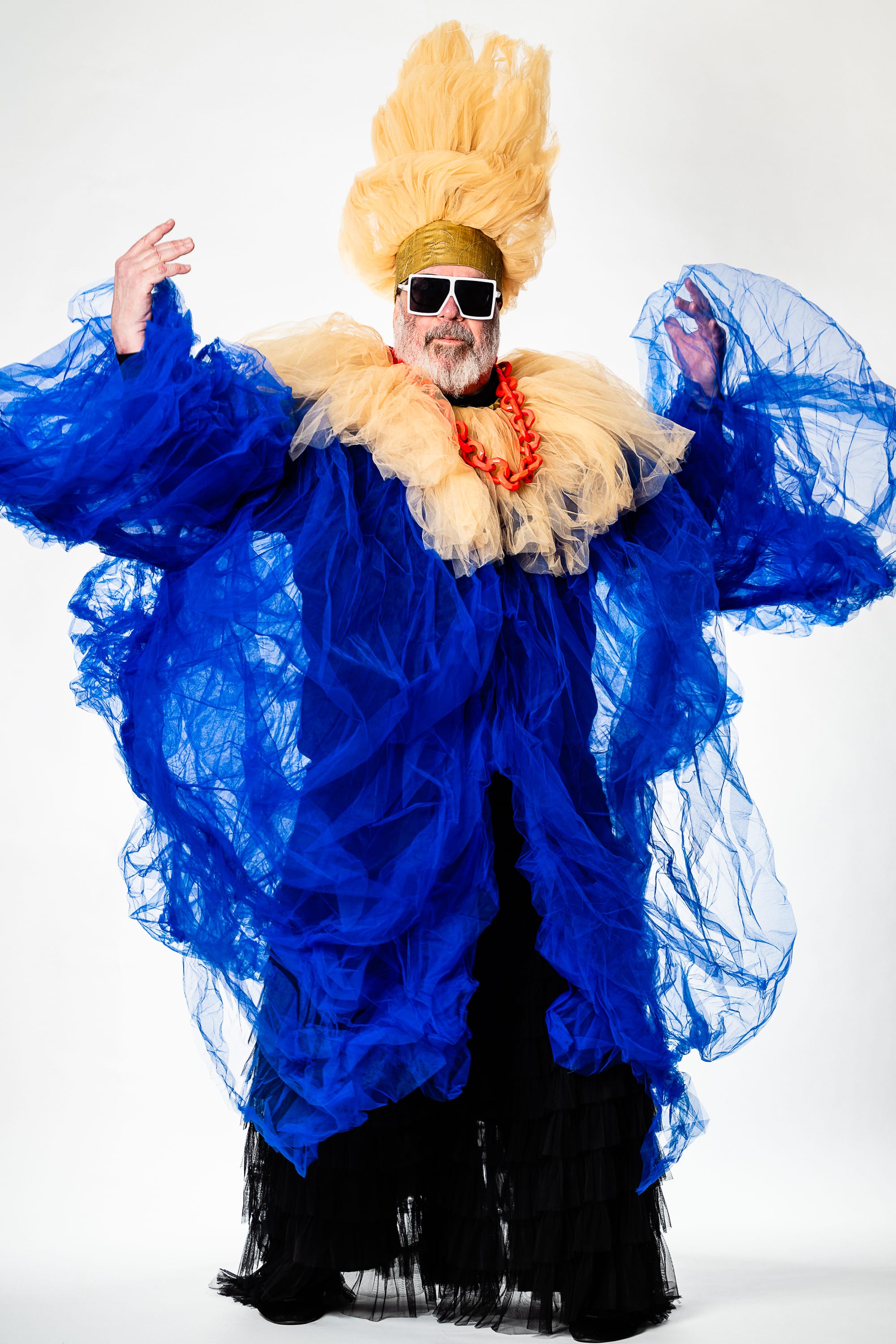
His own mentorship lineage is a testament to the importance of queer genealogy. He cites the collective TABOO in Atlanta—founded by Larry Jens Anderson, Michael Venezia, King Thackston, and David Fraley—as a vital influence. TABOO utilized humor, satire, and performance to confront the AIDS crisis and Southern identity at a time when such subjects were considered toxic by the mainstream art establishment. Today, Woodham pays this forward, listing figures such as Linda Mary Montano, William Pope L., and LuLu LoLo among his primary inspirations, all of whom share his commitment to challenging the status quo.
Implications: The Future of Radical Public Art
As Woodham looks toward the future, his work remains as busy and provocative as ever. His upcoming projects include the premiere of Love Saves the Day (2026), a documentary chronicling his 2025 sologamist wedding—an act that functions as a performance piece centered on self-love as an act of defiance.
Beyond the personal, his public-facing work continues to grow:
- Residency: An upcoming residency at the Cold Hollow Sculpture Park in Vermont, where he will engage with the landscape and local community.
- Festival Leadership: Art in Odd Places 2026: UTOPIAS, the 21st edition of the festival, is scheduled for September 26–27 in New York City.
- Academic Engagement: The next iteration of his "Social Malpractice" course at SVA, which will act as a "speculative think tank" for creative resistance strategies.
- International Collaboration: A planned exhibition, fisura, at Galería LANDS in Quetzaltenango, Guatemala, featuring silkscreen prints alongside the work of Angela Murel.
When asked about the current state of Pride Month, Woodham offers a cautionary reflection. He notes that Pride has increasingly become a "marketing season" divorced from the radical, life-or-death struggles that birthed it. He argues that for Pride to have genuine meaning, it must be an act of resistance that exists throughout the entire year, specifically for the trans community, which continues to face the brunt of state-sanctioned hostility.
"Our differences are not a problem to be solved," Woodham asserts. "They are a source of creativity, resistance, and collective power."
Ultimately, Ed Woodham’s career is a reminder that the art world does not have to be a closed loop of prestige and profit. By remaining on the margins, he has managed to maintain an integrity that is increasingly rare, proving that the most effective way to challenge unchecked power is to build communities that refuse to be erased, one public intervention at a time.
 Dwi Wanna
 Neng Nana
