

By Automotive Editorial Desk
Published: June 24, 2026
The automotive world is currently holding its breath for one of the most audacious pivots in the history of luxury transportation. Jaguar, a brand synonymous with the graceful curves of the E-Type and the refined growl of internal combustion, is preparing to finalize its radical metamorphosis. On October 2026, the storied British automaker will officially pull the curtain back on the production version of the Type 01—a vehicle that has served as both a beacon of innovation and a lightning rod for controversy since its inception.
Choosing New York City as the stage for this global debut is a calculated move. By bypassing the traditional European auto show circuit in favor of the American metropolis, Jaguar is signaling a clear intent: to reclaim its relevance in the world’s most demanding and competitive luxury market.
The Chronology of a Revolution: From Concept to Reality
The journey to the Type 01 has been nothing short of a whirlwind. The brand’s transition began in earnest in December 2024, when the initial concept model was unveiled. In less than 24 months—a lightning-fast turnaround by automotive industry standards—Jaguar has moved from a bold design sketch to a production-ready grand tourer.
- December 2024: Jaguar shocks the industry by unveiling the Type 01 concept in Miami, signaling an absolute break from its heritage design language.
- Early 2025: The brand initiates a comprehensive "reboot," systematically discontinuing its entire lineup of gas-powered vehicles, including the beloved F-Pace, to clear the path for an all-electric future.
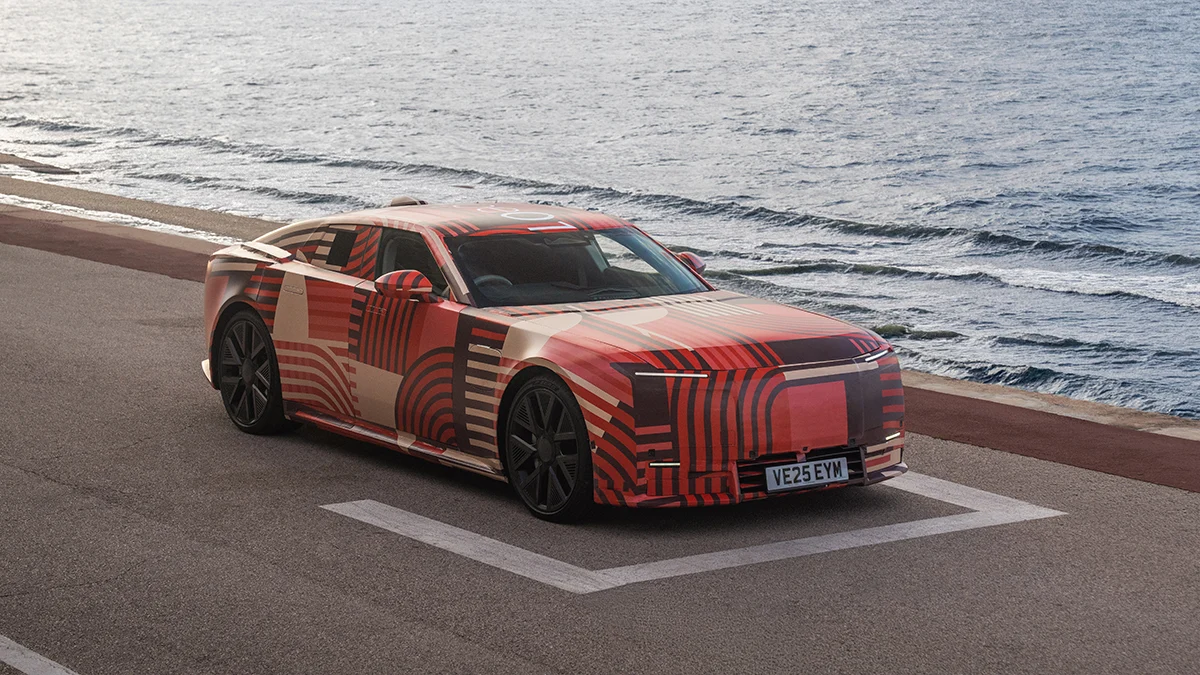
- Spring 2026: Select media outlets, including the Robb Report, are granted early access to prototype testing. Initial impressions highlight a surprising dynamic balance despite the vehicle’s massive footprint.
- October 2026: The official production-spec world premiere is scheduled for New York City, marking the beginning of a new era for the JLR (Jaguar Land Rover) portfolio.
- 2027: Anticipated start of customer deliveries, with a starting price tag of approximately $130,000.
Engineering the Future: Performance and Specifications
The Type 01 is not merely an aesthetic departure; it is an engineering statement. Beneath its polarizing, geometric silhouette lies a sophisticated tri-motor powertrain capable of outputting a staggering 986 horsepower. This immense power is designed to propel the luxury GT from 0 to 60 mph in a timeframe that rivals the world’s most exclusive hypercars.
However, the transition to electrification brings with it the persistent challenge of mass. To achieve a target range of approximately 400 miles, the Type 01 is equipped with a massive 120 kWh battery pack. This high-density energy storage, while necessary for long-distance grand touring, contributes to a curb weight approaching three tons.

Despite this significant mass, engineers have focused heavily on chassis dynamics and center-of-gravity management. During our early test drives in the spring of 2026, the vehicle demonstrated a level of poise that belied its proportions. The integration of advanced torque-vectoring systems allows the tri-motor setup to manipulate the weight, providing a "dynamic" ride that satisfies the enthusiast while maintaining the serene cabin experience expected of a Jaguar.
The Design Debate: A Brand Untethered
Perhaps the most significant aspect of the Type 01 is its visual identity. For decades, Jaguar’s design language was defined by fluidity—the "leaping cat" ethos. The Type 01 represents a total abandonment of these tropes, opting instead for a stark, brutalist, and highly geometric aesthetic.
This choice has invited scrutiny from all corners of the globe, including the highest levels of political discourse. The design has been the subject of intense debate, with observers questioning whether a legacy brand can survive by effectively deleting its own visual history. Yet, for Jaguar’s leadership, this was a necessary "creative destruction." By severing ties with the past, the brand aims to appeal to a younger, tech-forward demographic that prioritizes futuristic innovation over nostalgic callbacks.
Political and Economic Implications
Jaguar’s pivot comes at a fraught time for the global automotive industry. The decision to prioritize the U.S. market via a New York launch arrives amid a complex political climate. The current U.S. administration has maintained a posture of skepticism—and at times, outright hostility—toward the rapid forced transition to electric vehicles, particularly those manufactured abroad.
Tariffs and trade policies enacted over the past 18 months have placed immense pressure on foreign automakers. By positioning a $130,000 premium EV as its flagship product, Jaguar is testing the appetite of the American luxury consumer against the backdrop of protectionist trade rhetoric. If the Type 01 succeeds, it will prove that brand cachet and cutting-edge performance can overcome macro-economic friction. If it falters, it may serve as a cautionary tale for other legacy European manufacturers considering similar "clean slate" strategies.
Strategic Outlook: Can the Jaguar Change Its Spots?
The success of the Type 01 is inextricably linked to the survival of the Jaguar brand. By choosing to go "all-in" on EVs, the company has burned its bridges with the internal combustion engine. Unlike its sister brand, Land Rover, which has maintained a dual-path strategy involving both ICE and EV models, Jaguar has opted for a high-stakes, singular path.

This strategy is bold, perhaps reckless, but undeniably visionary. The company is effectively betting that the next decade of luxury car ownership will be defined by software, range, and architectural purity rather than the tactile experience of a traditional drivetrain.
As the October reveal approaches, the automotive community remains divided. Supporters argue that the Type 01 is the "shock to the system" that the brand desperately needed to remain relevant in a post-combustion world. Detractors argue that by discarding the heritage that built the brand, Jaguar may lose the very identity that made it special.
One thing is certain: when the wraps come off in New York, the Type 01 will be the most scrutinized vehicle on the planet. Whether it represents a stroke of genius or a strategic misstep, it is a testament to an iconic brand’s refusal to fade into the background. For a company that has defined luxury for nearly a century, the Type 01 is the final, definitive answer to the question of whether a legend can be successfully reinvented.
As we look toward 2027 and the start of customer deliveries, the industry will be watching not just the car, but the culture of the company itself. The Jaguar of old is gone; the Type 01 is the first look at the Jaguar of tomorrow. Whether that tomorrow is a utopia of electric performance or a struggle for identity remains to be seen.
 Asep Darmawan
 Laily UPN
