

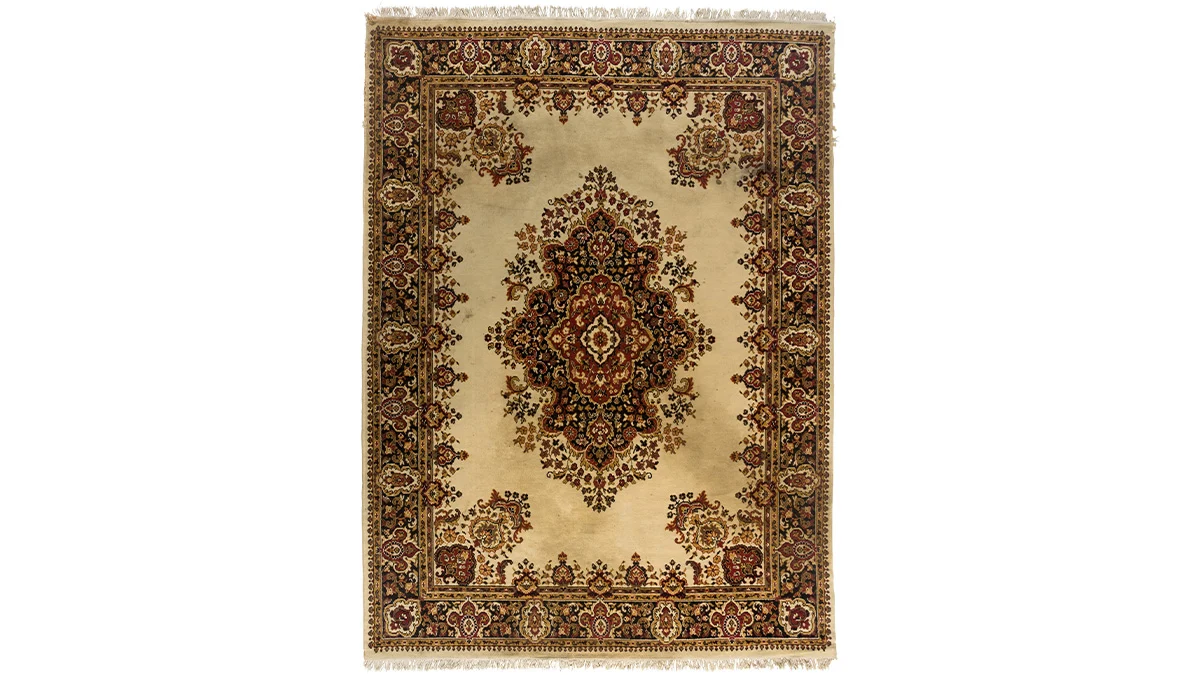
In the pantheon of cinema history, certain props transcend their status as mere production materials to become cultural icons. Sometimes, a prop is so integral to the narrative—and so emblematic of a character’s soul—that it becomes a secondary protagonist. This July, Heritage Auctions is offering collectors a rare opportunity to own some of the most significant pieces of Hollywood history, headlined by perhaps the most famous piece of home décor in the history of cult comedy: the screen-used Persian-style rug from Joel and Ethan Coen’s 1998 masterpiece, The Big Lebowski.
Main Facts: A Piece of Cinematic Legend
The upcoming Heritage Auctions "Hollywood & Entertainment Signature Sale," scheduled for July 13–17, features a staggering array of items that have defined the visual language of the 20th century. Among the marquee listings is the rug that defined Jeffrey "The Dude" Lebowski’s living room.
Measuring approximately 11 feet by 8 feet, the rug is instantly recognizable by its sun-faded palette of yellow, brown, and white. In the context of the film, this piece of fabric is far more than a floor covering; it is the catalyst for the entire plot. When two hired enforcers mistake the unemployed, White Russian-sipping slacker for a millionaire philanthropist of the same name, they break into his Venice, California, apartment and urinate on the rug. The Dude’s subsequent, futile quest for restitution sets off a chaotic chain reaction involving ransom schemes, nihilists, bowling leagues, and an intricate kidnapping mystery.
The item, which was originally sourced from a Salvation Army for the production, bears the marks of its cinematic life. It features visible staining, frayed fringe, and loose threads—imperfections that serious collectors often prioritize as "screen-accurate" evidence of the prop’s authenticity and usage. As of the latest reporting, bidding for this piece of history has already climbed to $27,000, far surpassing its initial $15,000 starting bid.
Chronology: From Thrift Store to Pop Culture Icon
To understand the significance of this auction, one must look at the trajectory of the rug within the timeline of the film and its subsequent afterlife.
- 1998: The Big Lebowski premieres. While it received mixed critical reviews upon release, it quickly garnered a devoted cult following. The rug is established as the emotional center of the Dude’s domestic sanctuary.
- 1998–2010: As the film’s status grew—spawning "Lebowski Fests" and even a parody religion known as Dudeism—the rug became a shorthand for the film’s relaxed, anti-establishment aesthetic.
- Post-Production: Following the film’s wrap, the prop entered the archives of PolyGram Filmed Entertainment. Its preservation over the last two-and-a-half decades has been meticulous, ensuring it remained in a condition that would satisfy high-end collectors.
- 2026: Heritage Auctions announces the inclusion of the rug in its summer signature sale, marking one of the most high-profile sales of "everyday" props in recent years.
Supporting Data: The Broader Landscape of the Auction
The rug is not the only piece of heavy-hitting memorabilia hitting the block this July. The auction catalog reads like a love letter to the last 50 years of pop culture, featuring items that are expected to draw record-breaking figures.

The Lightsaber of a Jedi
Perhaps the most anticipated item is Mark Hamill’s screen-used lightsaber from The Empire Strikes Back (1980). This is not merely a hilt; the lot includes the elaborate severed-hand effects rig utilized during the film’s climactic and devastating duel between Luke Skywalker and Darth Vader on Bespin. Given the astronomical appreciation for original Star Wars trilogy props, experts anticipate this lot will be the highlight of the event, potentially fetching a price well into the seven-figure range.
The Wicked Witch’s Millinery
Adding to the nostalgia, the auction features the iconic hat worn by Margaret Hamilton as the Wicked Witch of the West in the 1939 classic The Wizard of Oz. With the recent cultural resurgence of Wicked, interest in the original source material has reached a fever pitch. Heritage has set the opening bid for this hat at $100,000, reflecting its status as one of the most recognizable costume pieces in the history of the Golden Age of Hollywood.
Official Responses and Expert Commentary
The scale of this auction reflects a broader trend in the investment-grade collectibles market. Joe Maddalena, Executive Vice President of Heritage Auctions, provided insight into why these specific items are hitting the market now and what they represent to the industry.
"This auction represents the full spectrum of entertainment history," Maddalena stated in a recent press release. "We are looking at everything from the Golden Age of the studio system to the advent of the modern blockbuster and the most influential moments in music history. These are not just props; they are the artifacts that define generations of storytelling. They rarely become available to private collectors, and when they do, it provides a unique window into the craftsmanship and cultural impact of these films."
Maddalena emphasized that the provenance of these items—particularly the rug—is what drives their value. "The Dude’s rug isn’t valuable because it’s a high-quality Persian textile," he noted. "It’s valuable because of the story attached to it. It’s the ‘Rosebud’ of the 90s comedy genre. It anchors the entire narrative."
Implications: The Maturation of Prop Collecting
The sale of such items raises interesting questions about the nature of modern collecting. For decades, the market for movie props was niche, often restricted to studio employees or hobbyists. Today, however, these items are being treated with the same reverence as fine art or historical documents.

The "Screen-Used" Premium
The market has developed a clear hierarchy of value. "Screen-used" items—those that appear on camera and are essential to the action—command a significant premium over "production-made" items (props created for a film but never featured) or "hero" props (the high-detail versions used for close-ups). The fact that the rug is damaged, stained, and frayed is actually a positive for bidders. In the world of high-end memorabilia, condition is secondary to provenance. The stains serve as a "biography" of the prop, proving its authenticity in the scenes where it was mistreated by the nihilists.
Cultural Preservation
There is also a growing movement to treat these items as cultural heritage. As film studios consolidate and original physical assets are replaced by digital assets and CGI, the physical props from the 20th century are becoming finite resources. Once a prop enters a private collection, it may disappear from public view for decades. Heritage Auctions’ role, therefore, is not just one of commerce, but of stewardship. By cataloging these items, they ensure that the history of their use is recorded, providing a definitive record for future film historians.
Conclusion: The Final Bid
As the July 13 start date approaches, the excitement surrounding the Heritage Auctions event continues to build. For the successful bidder, owning the rug from The Big Lebowski is an act of ultimate fandom. It is an invitation to bring a piece of the Dude’s chaotic, relaxed, and deeply human world into their own.
Whether one views these items as financial investments, historical artifacts, or simply a way to feel closer to the magic of the movies, the auction serves as a reminder of the power of cinema. The Dude famously wanted a rug that "really tied the room together," and in the world of Hollywood collecting, these artifacts do exactly that—they connect us to the stories that have shaped our shared cultural identity.
Collectors interested in the sale can view the full catalog on the Heritage Auctions website. As for the rest of us? We can only watch and wonder which fan will walk away with a piece of history—and perhaps, in the process, find a way to take it easy.
 Evan Lee Salim
 Asep Darmawan
