

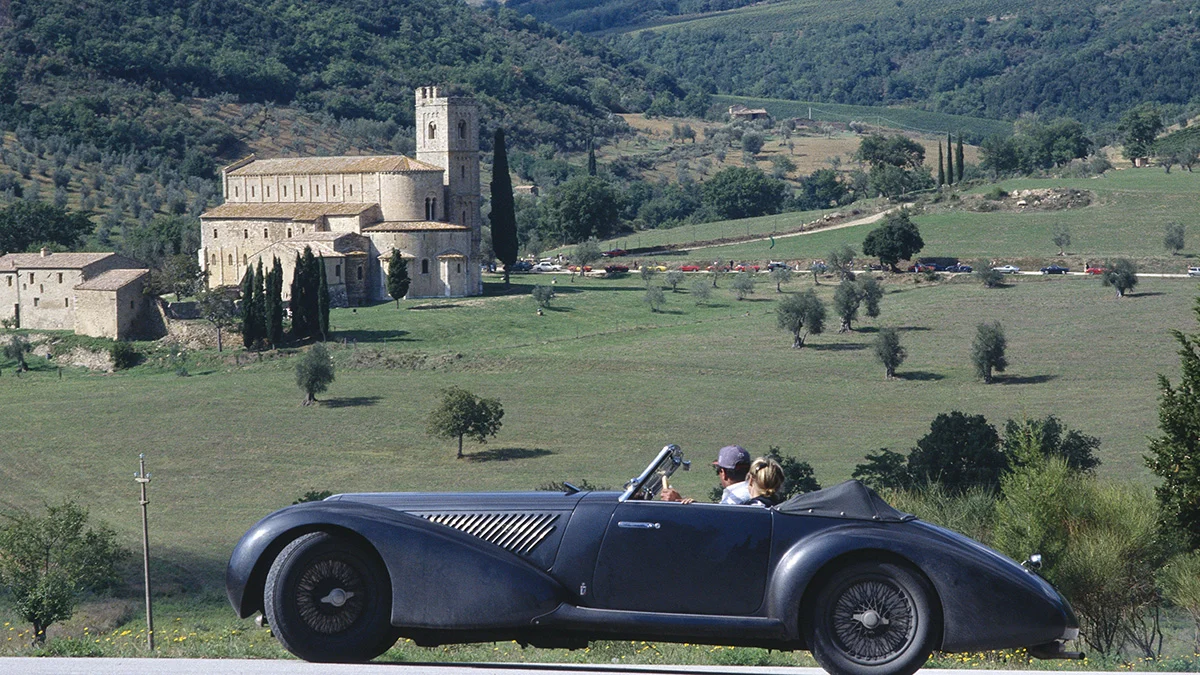
In the rarified world of luxury, few intersections are as compelling as the marriage of high-performance engineering and the art of travel. This September, Louis Vuitton, the French maison synonymous with the golden age of exploration, is set to rekindle a flame that has been dormant for over a decade. With the announcement of the "Dolomites Run," the brand is officially reviving its iconic Classic Car Run, an event that once defined the pinnacle of automotive social circuits.
By merging the heritage of vintage motoring with its newfound, high-octane partnership with Formula 1, Louis Vuitton is not merely hosting a rally; it is curating an experience that honors the mechanical soul of the past while looking firmly toward the future of the LVMH group’s sporting ambitions.
The Genesis of a Tradition
The story of the Louis Vuitton Classic Run begins in 1993, an era when the brand sought to push the boundaries of luxury beyond the boutique. The inaugural event was an audacious, challenging drive through the dense, unforgiving humidity of the Malaysian jungle—a stark departure from the typical, manicured automotive exhibitions of the time.
Following that successful debut, the maison expanded its footprint, organizing a series of prestigious rallies across China, France, Italy, and Central Europe. These were not merely races; they were rolling pageants of design and engineering. The tradition reached its last major crescendo in 2012 with the "Serenissima Run," a spectacular journey that traced a path from the glamour of Monaco through the jagged, snow-capped peaks of the Swiss Alps, ultimately culminating in the ethereal beauty of Venice. For years, the engine of this tradition remained silent, until the appointment of Pietro Beccari as Chairman and CEO of Louis Vuitton in 2023.
Beccari, a man with a deep-seated appreciation for the brand’s history, was no stranger to the allure of these rallies. Having participated in the 2006 "Boheme Run"—a marathon drive from Budapest to Prague via Vienna—he recognized that the spirit of the Classic Run was an essential component of the maison’s DNA. His decision to reinstate the event is a testament to his belief that luxury should be experienced, not just observed.

The Dolomites Run: A Masterclass in Precision
The upcoming Dolomites Run, scheduled for September 1 to 4, represents a deliberate, calculated return to form. The route is a 373-mile odyssey that demands as much from the driver as it does from the machine. Starting at the historic Villa Pisani, a palatial masterpiece near Venice, the rally will snake its way through the formidable passes of the Dolomites.
For the 25 hand-selected participants, the journey is less about raw speed and more about the "regularity rally" format—a discipline that tests precision, timing, and navigational acumen. Racers are expected to maintain an average speed of approximately 31 mph, navigating a course that includes time controls, passage checks, and rigorous average-speed trials. It is a grueling, tactical exercise that requires the driver to be in perfect sync with their vehicle, echoing the spirit of 20th-century grand touring.
The lineup of vehicles is expected to be a curator’s dream. While the exact registry remains a closely guarded secret, insiders suggest an exquisite collection of pre-1970 icons, with marques like Bugatti, Maserati, and Ferrari taking center stage. These are not museum pieces destined to sit behind velvet ropes; they are machines built to breathe, rev, and conquer the mountain passes of Northern Italy.
The Strategic Synergy: LVMH and the Formula 1 Connection
The timing of the Dolomites Run is far from coincidental. It serves as a high-octane prelude to the Formula 1 Italian Grand Prix at Monza. This alignment is the first major fruit of the 10-year, multi-million-dollar partnership between LVMH and Formula 1.
By positioning the vintage rally as a lead-in to the pinnacle of modern motorsport, Louis Vuitton is creating a narrative bridge between the analog soul of classic automobiles and the hyper-digital precision of modern F1. The transition from the winding, scenic roads of the Dolomites to the legendary "Temple of Speed" at Monza symbolizes the evolution of automotive performance.

For the participants, the culmination of the journey is the privilege of being integrated into the opening ceremonies of the Italian Grand Prix. Following the rally, these rolling works of art will be displayed at the Villa Reale in Monza on September 5 and 6, offering the public a rare, intimate look at the evolution of automotive design.
The Trophy: A Marriage of Art and Craft
In the world of Louis Vuitton, even the victory hardware must tell a story. The winner of the Dolomites Run will be presented with a bespoke trophy, a collaboration between the Dutch designer Sabine Marcelis and the venerable Murano glassmakers, Venini.
Marcelis, known for her work with light and materiality, has crafted a piece that reflects the fluid, transparent, and resilient nature of the mountains themselves. However, true to the brand’s heritage, the trophy will be housed in a custom-made Louis Vuitton trophy trunk—a nod to the maison’s 19th-century roots in trunk-making. This synthesis of modern art, ancient glass-blowing techniques, and the ultimate travel accessory encapsulates the essence of what Louis Vuitton brings to the automotive world: an uncompromising commitment to craft.
Implications for the Future of Luxury
The revival of the Classic Run is not merely a nostalgic exercise; it is a strategic maneuver that highlights how luxury houses are increasingly viewing "experience-based wealth" as the new frontier. By hosting the event free of charge for this inaugural return, Louis Vuitton is focusing on building a community of "brand ambassadors"—collectors who value heritage and the spirit of discovery.
However, as indicated by the brand’s note that future runs will incorporate participation fees, this event is poised to become a recurring, premium pillar in the LVMH lifestyle portfolio. It signals a shift away from static luxury—buying a bag or a watch—toward active, high-status participation.

Furthermore, the integration of these events into the F1 calendar ensures that the brand remains relevant to a younger, more global audience, even while it celebrates the history of the combustion engine. It is a masterstroke of positioning: capturing the attention of the traditional car collector while securing the cultural capital associated with the world’s most televised sport.
A Legacy in Motion
As September approaches, the atmosphere in Northern Italy is already beginning to hum with anticipation. The roads of the Dolomites, usually home to tourists and locals, will briefly transform into a stage for history to repeat itself.
The Louis Vuitton Dolomites Run serves as a reminder that travel, at its most elevated, is an art form. It is the pursuit of the horizon, the mastery of the machine, and the appreciation of the landscape. For the 25 drivers who will navigate the hairpins and straights of the route, the prize will not just be the Murano glass trophy, but the camaraderie of the road and the knowledge that they are part of a tradition that refuses to be left in the rearview mirror.
With the return of this rally, Louis Vuitton proves that while the world of technology moves at the speed of light, there is still an irreplaceable value in the slow, deliberate, and utterly stylish act of driving a beautiful car through a beautiful world. The engine is roaring once again, and the maison is leading the pack.
 Evan Lee Salim
 Asep Darmawan
 Laily UPN
