

The podcasting landscape remains a dynamic, fast-evolving ecosystem defined by the rapid integration of artificial intelligence, shifting audience preferences, and the persistent dominance of industry titans. As we analyze the latest developments across the sector, it is clear that the medium is moving beyond its infancy, maturing into a sophisticated platform for both niche storytelling and broad-scale cultural commentary.
Main Facts: The Pulse of Podcasting
The current industry climate is characterized by a "back to basics" approach combined with high-tech experimentation. Key players are increasingly focusing on discoverability and production efficiency.
Central to these developments is the ongoing discourse regarding AI’s role in production. Recent sessions on the New Media Show—featuring insights from Inception Point AI’s Jeanine Wright and industry veteran Robert Scoble—have highlighted that the barrier to entry for high-quality audio production is collapsing. However, this ease of entry brings a new challenge: how to stand out in a saturated market.
Furthermore, the relationship between independent creators and hosting platforms continues to evolve. Platforms such as RSS.com are playing a pivotal role in democratizing podcast analytics and distribution, providing creators with the tools necessary to treat their shows not just as hobby projects, but as sustainable media businesses.

Chronology of Recent Developments
The past week has seen a flurry of activity that reflects the broader trends within the podcasting space:
- Mid-Week AI Discourse: The New Media Show facilitated a critical dialogue on the intersection of artificial intelligence and content creation, emphasizing the ethical and practical applications of machine learning in audio editing and distribution.
- ALFsplaining’s Resurgence: The popular show ALFsplaining returned from a hiatus, underscoring the enduring power of cult-classic television nostalgia. The hosts, Ben Baker and John Matthews, announced a focused sprint to cover the final five episodes of the iconic 80s sitcom, signaling a shift toward more structured, project-based podcasting models.
- Expert Advice on Guesting: Alex Sanfilippo of PodMatch appeared on Buzzcast to dissect the "guesting economy." His insights into building perfect guest profiles and crafting high-conversion pitches reflect a wider industry shift toward professionalizing the guest-booking process.
- Documentary-Style Narrative Growth: Shows like The Box of Oddities continue to lead the charge in high-engagement narrative content, proving that there is a massive, underserved appetite for stories ranging from paranormal phenomena to historical medical curiosities.
Supporting Data: Charting the Landscape
Data remains the lifeblood of the industry. The current rankings provide a snapshot of the psychological state of the global audience.

US Market Dominance
In the United States, The Daily maintains its ironclad grip on the #1 spot in Apple Podcasts, reflecting the continued demand for high-production-value news analysis. Simultaneously, The Joe Rogan Experience remains the perennial leader on Spotify, reinforcing the platform’s focus on long-form, personality-driven content.
Emerging Growth and Niche Success
While the titans dominate the top of the charts, the data also reveals significant movement in specific verticals:

- Educational Trends: The surge of Art History: Modern and Contemporary to the top of the "Courses" category in Ireland suggests a growing global interest in high-quality, self-paced audio education.
- Travel and Lifestyle: Abroad in Japan continues to dominate the "Places & Travel" category in the United Kingdom, showcasing the ability of location-specific content to command massive, loyal audiences across borders.
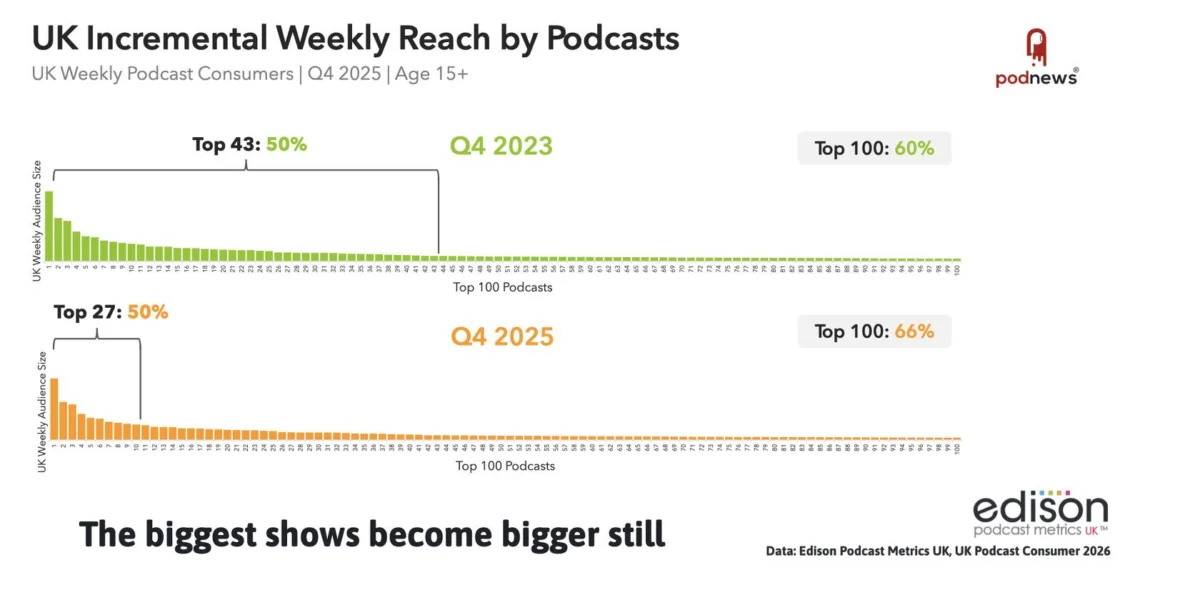
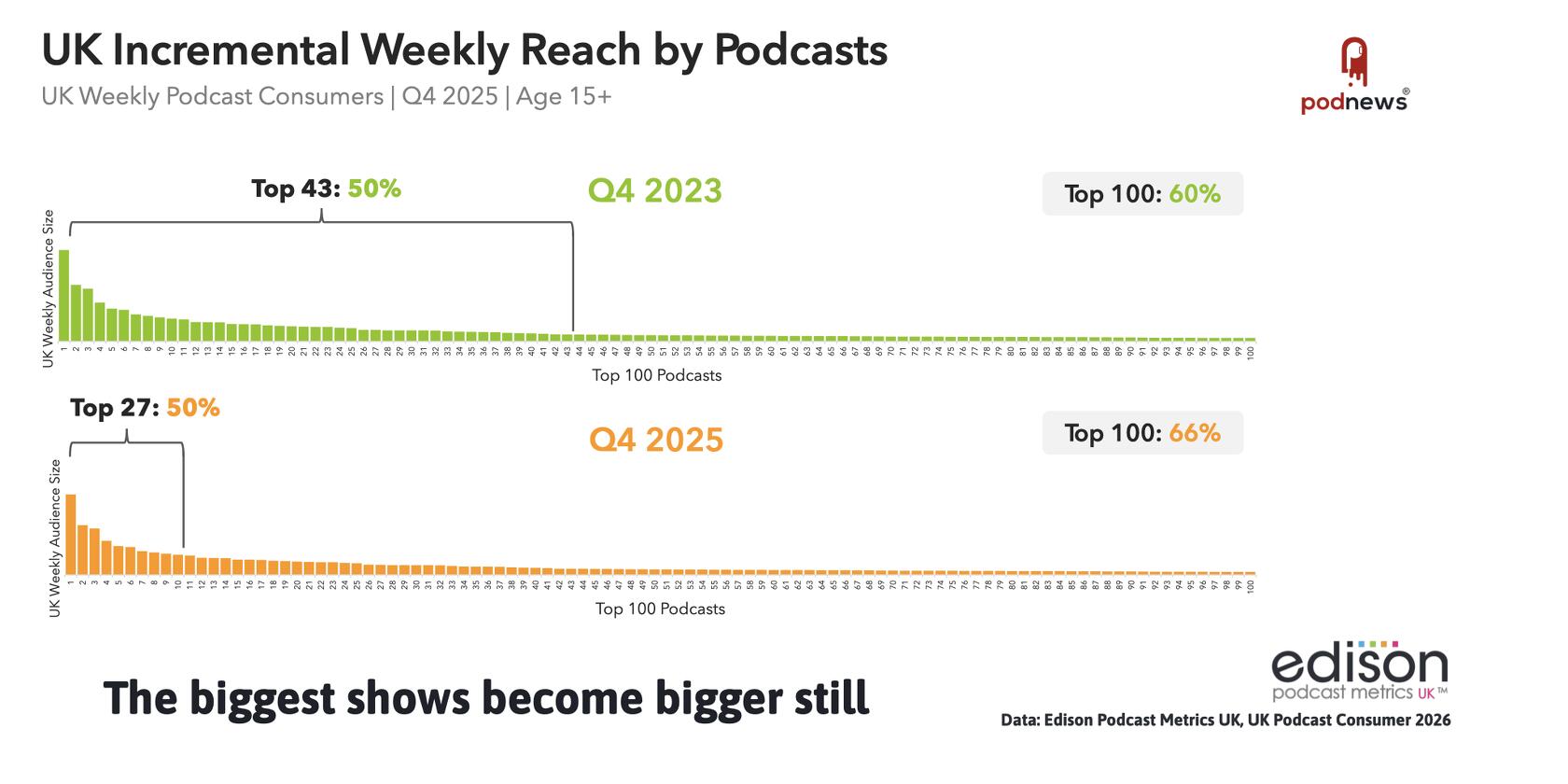
These data points indicate that while the "top of the funnel" is dominated by established names, the "middle of the funnel" is where the most significant audience growth is currently happening, driven by highly specific, interest-based content.
Official Responses and Industry Perspectives
Industry leaders are increasingly vocal about the need for standardized metrics and ethical AI guidelines.

Regarding the role of AI, experts like Jeanine Wright emphasize that "the tool is only as good as the intent behind it." The consensus among industry advisors—including those working closely with platforms like RSS.com—is that technology should serve to reduce the "friction of creation" rather than replace the "soul of the storytelling."
When it comes to the "Podcast in the Wild" phenomenon—seen recently through the visibility of campaigns like the Acast cup—marketers are reporting a renewed interest in physical branding. Despite the digital nature of the medium, the importance of real-world visibility in cementing a podcast’s brand identity cannot be overstated. By placing branding in physical spaces, creators are successfully transitioning from digital files to cultural touchstones.

Implications for the Future
The current trajectory of the podcasting industry suggests three major implications for creators, advertisers, and listeners alike:
1. The Professionalization of the "Guest"
As indicated by the advice shared on Buzzcast, the days of casual, unorganized podcast guesting are waning. The future of cross-promotion lies in data-backed pitching. Creators who treat their appearance on other shows as a professional marketing exercise—with a polished media kit and a specific "call to action"—will see significantly higher conversion rates for their own listener growth.

2. Nostalgia as a Content Strategy
The success of ALFsplaining serves as a case study for "re-watch" or "re-examine" podcasts. By focusing on specific, finite runs of popular media, creators can build an intensely loyal audience that is invested in the journey of the podcast itself. This model is far more sustainable for independent creators than the "infinite treadmill" of weekly news or open-ended commentary.
3. Data-Driven Global Expansion
The success of shows like Abroad in Japan and the Irish surge in art history education highlights that podcasts are inherently borderless. Creators who focus on high-quality, evergreen content can find audiences in markets they might never have considered. The implication for production teams is clear: ensure your content is accessible and culturally relevant beyond your immediate geography.

4. The Ethical AI Frontier
As we move forward, the divide between "authentic" human-led content and "AI-generated" filler will become a key discriminator for listeners. Transparency will become a brand asset. Shows that disclose their use of AI—whether for sound engineering, script outlining, or transcription—will likely build more trust with their audience than those that attempt to obfuscate their production methods.
Conclusion
The state of the podcasting industry is robust, vibrant, and increasingly data-aware. While the barriers to entry have never been lower, the bar for excellence has never been higher. Whether through the meticulous breakdown of 80s television, the professionalization of guest spots, or the strategic use of global education trends, the most successful creators are those who leverage the right tools to serve a clear, defined audience.

As the sector continues to integrate new technologies and explore fresh revenue models, the focus must remain on the core value proposition of the medium: the intimate, deep connection between the voice in the ear and the listener on the other end. As we look to the coming months, the industry is poised for a period of consolidation, where those who balance technological efficiency with genuine human creativity will rise to the top of the charts.
Disclosures: Our Editor serves as an advisor to RSS.com. For more information regarding our editorial policies and industry affiliations, please consult our official disclosure page.
 Asep Darmawan
 Jia Lissa
 Neng Nana
