

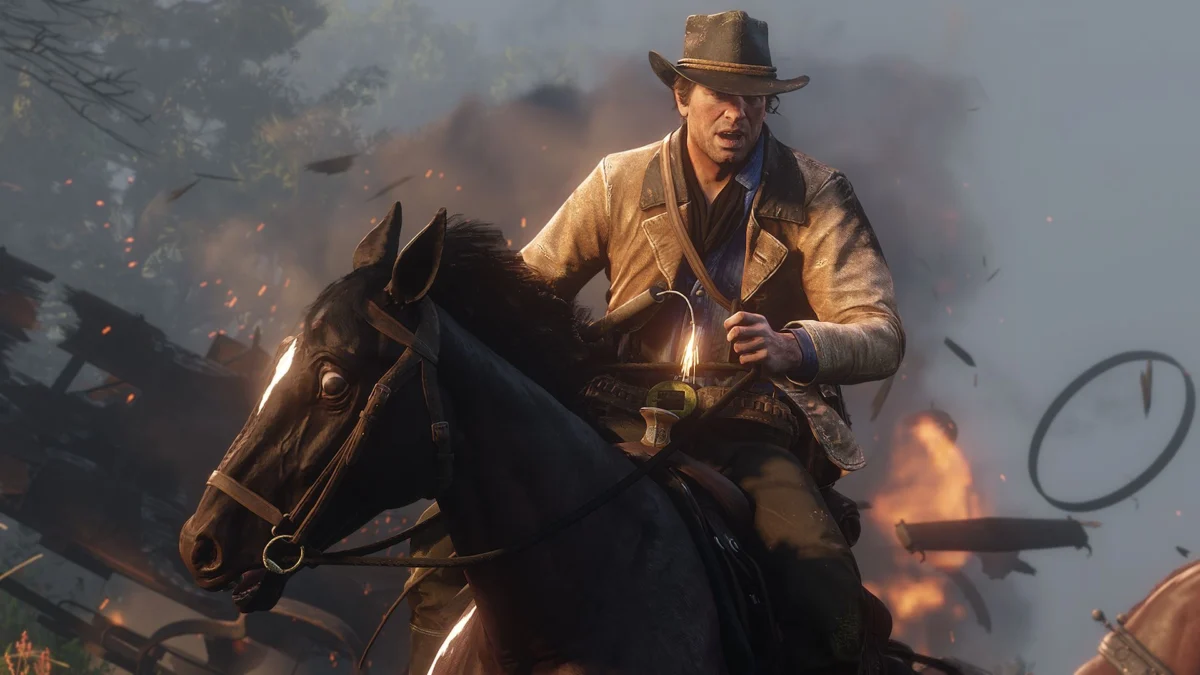
Eight years have passed since Rockstar Games invited players into the meticulously rendered twilight of the American frontier. Red Dead Redemption 2 (RDR2) arrived in 2018 not merely as a sequel, but as a cultural event—a sprawling, hyper-realistic epic that promised to redefine the boundaries of open-world storytelling. Yet, nearly a decade later, the discourse surrounding the title remains deeply fractured. While critics laud its technical brilliance, a growing chorus of players is finally voicing a long-held sentiment: the game’s obsession with simulation has arguably come at the expense of the medium’s primary objective—engagement.
The Architecture of Ambition: Main Facts
At its core, Red Dead Redemption 2 is a study in friction. Rockstar Games sought to create a world where every action—from skinning a carcass to holstering a firearm—carried the tactile weight of reality.
- The Technical Benchmark: The game features an unprecedented level of detail, including 178 distinct animal species, dynamic weather systems that affect plant growth, and a narrative scope that spans over 60 hours of primary gameplay.
- The Realism Philosophy: Rockstar implemented systems designed to slow the player down. Players must manage Arthur Morgan’s hunger, stamina, and core temperatures. Weapon degradation requires regular maintenance, and even the simple act of looting a room involves individual animations for opening every drawer and cabinet.
- The Narrative Hook: The story of the Van der Linde gang serves as a tragic, Shakespearean prequel to the original 2010 Red Dead Redemption, offering a character-driven drama that is widely considered one of the finest scripts in the history of interactive media.
Despite these accolades, the game’s core mechanics—specifically its movement and UI design—have become the primary points of contention for those who find the experience more akin to "watching paint dry" than participating in a high-octane western fantasy.
A Chronological Descent: From Anticipation to Exhaustion
The trajectory of Red Dead Redemption 2 in the public consciousness is a fascinating case study in the evolution of player expectations.
2018: The Launch Honeymoon
Upon release, the gaming industry was collectively stunned. The graphical fidelity, the voice acting of Roger Clark, and the sheer density of the world were unrivaled. During the launch window, many publications and players were so enamored with the "next-gen" visuals and the depth of the world-building that the slower, more deliberate pacing was framed as a bold, mature design choice.
2020–2023: The Settling of Dust
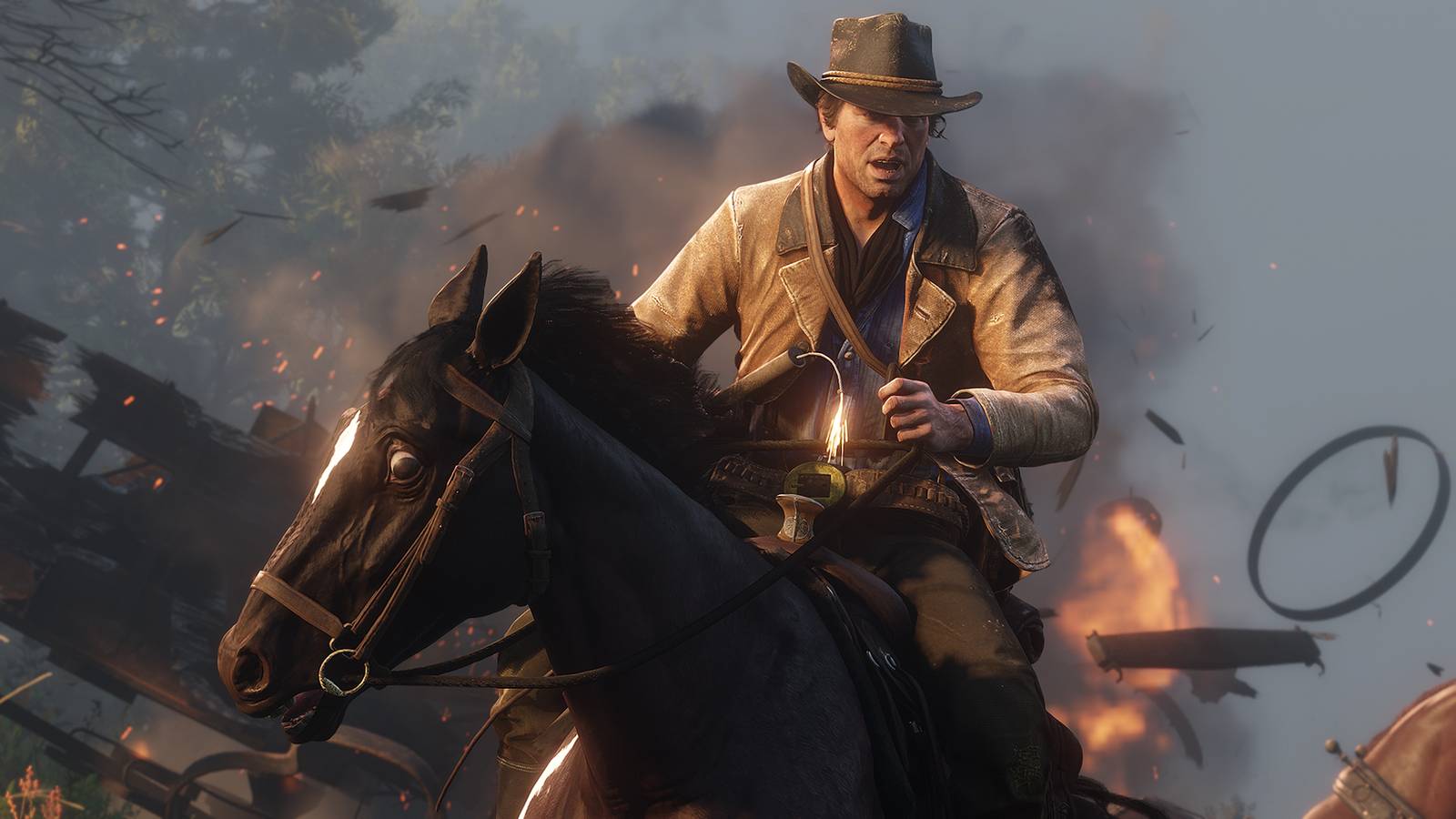
As the initial excitement faded, the day-to-day experience of playing RDR2 began to grate on a segment of the audience. The "clunkiness" of the horse-riding mechanics, the tedious nature of the survival elements, and the lengthy, forced walking animations became the focal points of community critiques.
2026: The Modern Reckoning
Now, in 2026, with Grand Theft Auto 6 on the horizon, the conversation has shifted toward a broader critique of Rockstar’s "realism-first" philosophy. The industry has moved toward more streamlined, player-friendly interfaces, making the rigid, simulation-heavy design of RDR2 feel like a relic of a design philosophy that prioritized developer intent over user comfort.
Supporting Data: The Cost of Immersion
To understand why Red Dead Redemption 2 is so divisive, one must analyze the "Friction Ratio"—the amount of time a player spends performing menial tasks versus the amount of time spent engaged in active, rewarding gameplay.
- The Animation Tax: In many modern titles, looting is a one-button affair. In RDR2, the game forces the player to watch a full physical animation for nearly every item retrieved. While "cinematic," a single house-clearing mission can take ten minutes of animation-heavy work, a design choice that often interrupts the flow of the game’s dramatic beats.
- Movement Precision: Horseback travel is the primary mode of transportation. While visually stunning, the physics of the horse often conflict with the game’s narrow terrain paths and combat encounters. Statistical analysis of player drop-off rates in specific "slow" chapters—such as the Guarma segment—suggests that players frequently abandon the game when the narrative momentum is throttled by overly complex survival mechanics.
- The ADHD Perspective: Modern gaming demographics increasingly struggle with the "slow-burn" design of 2018. The rise of short-form media and the ubiquity of high-octane, fast-paced live-service games have altered the average player’s patience threshold. When a game demands that a player sit in a bush for five minutes to hunt a deer, it ignores the reality of the contemporary gaming landscape.
Industry and Community Responses
Rockstar Games has historically remained silent on individual player complaints, preferring to let their sales figures speak for them. However, the industry at large has taken note.
- The "GTA 6" Pivot: Industry analysts are closely watching how Rockstar balances the lessons learned from RDR2 with the chaotic, fast-paced nature of Grand Theft Auto. There is a widespread expectation that GTA 6 will feature a more refined, responsive movement system that bridges the gap between cinematic realism and the need for immediate, visceral gratification.
- The Modding Community: On PC, the response to RDR2’s perceived flaws has been aggressive modification. "Quality of Life" mods that increase movement speed, skip looting animations, and remove survival requirements are among the most downloaded files for the game. This serves as empirical evidence that a significant portion of the user base finds the "vanilla" experience too cumbersome.
Implications for the Future of Open-World Design
The legacy of Red Dead Redemption 2 is not just in its success, but in its warning. It represents the absolute ceiling of what a "simulation-heavy" open-world game can achieve.

1. The End of the "Simulation" Era?
Developers are now realizing that "realistic" does not always equate to "fun." The industry is moving toward a middle ground where detail exists in the environment, but does not hamper the player’s ability to interact with that world.
2. The Accessibility Gap
Games like RDR2 are inherently exclusionary to those with less time or shorter attention spans. As the industry grows, the pressure to make games that respect the player’s time—rather than demanding hours of "chore-play"—will only intensify.
3. The Verdict
Red Dead Redemption 2 is an incredible technical achievement. It is a masterpiece of art direction, writing, and performance. Yet, it serves as a reminder that a game can be technically perfect and fundamentally flawed as an entertainment product.
As we look toward the future, the industry must ask itself: are we building worlds for the player to live in, or are we building worlds for the player to play in? If the answer leans too far toward the former, the player becomes a spectator in their own game. For many, Red Dead Redemption 2 crossed that line. It remains a game that everyone respects, but fewer and fewer people actually enjoy playing. With GTA 6 looming, the hope is that Rockstar finds the balance between the spectacle of the frontier and the joy of the game.
 Nana Muazin
 Layla Zulfa
 Basiran
