

By Staff Reporters
Published: September 2026
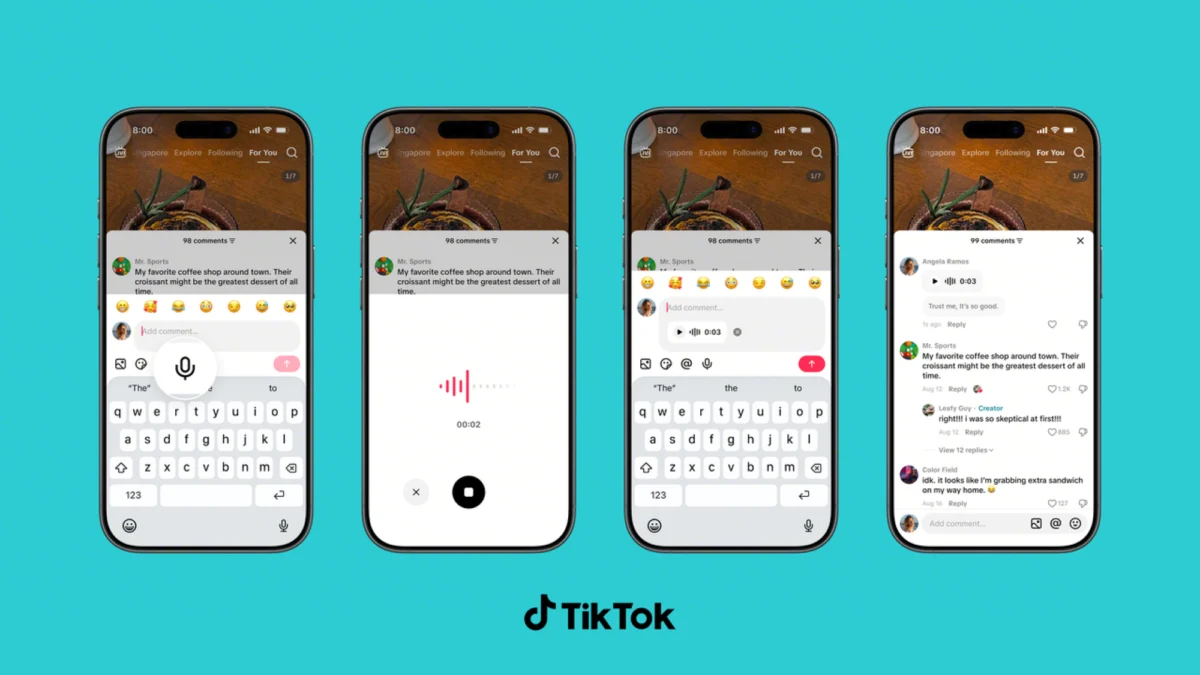
TikTok has officially transformed the way its over one billion active users interact below the line. In an ambitious platform-wide update, the short-form video giant is rolling out a comprehensive suite of new engagement tools designed to inject an unprecedented level of interactivity—and undeniably, chaos—into its comment sections. With the integration of voice notes, interactive comment polls, multi-image carousels, and Live Photos, TikTok is bridging the gap between passive viewing and active, multimedia-driven community participation.
According to platform data, users post more than 1.7 billion comments every single day. By expanding what can be posted beneath a video far beyond traditional text and single-image replies, TikTok is signaling a definitive shift in digital culture: the comment section is no longer just an afterthought; it is becoming the main event.

Main Facts: A Multimedia Overhaul for the Comments
The newly introduced features fundamentally expand the capabilities of TikTok’s interface, shifting the platform from a text-and-emoji environment into a rich multimedia ecosystem. The updates include:
- Voice Comments: Users can now record and post spoken-word audio messages lasting up to 60 seconds directly beneath any video.
- Comment Polls: Creators can deploy interactive voting modules directly inside their comment threads, allowing followers to weigh in on specific questions, debates, or content directions.
- Photo Carousel Comments: Commenters are no longer limited to a single reaction image. Users can now attach up to nine images in a single comment, effectively bringing "photo dumps" to the discussion thread.
- Live Photo Comments: Expanding on visual interactivity, users can upload Live Photos directly from their device’s camera roll, adding dynamic movement rather than static snapshots to the conversation.
While features like Comment Polls and Live Photo Comments began rolling out globally immediately, Voice Comments and Photo Carousel Comments are slated for a phased global rollout targeting users aged 18 and older over the coming weeks.
Chronology: The Evolution of the TikTok Comment Section
To understand the magnitude of this update, it helps to examine how TikTok’s community engagement tools have evolved alongside its explosive rise in mainstream popularity:

- The Early Days (Pre-2020): Initially, TikTok’s comment system mirrored traditional social media frameworks. Users were restricted to text-based commentary, simple emoji strings, and text-only replies to specific comments. The primary way to elevate a comment was through upvotes and developer-supported pinning.
- The Introduction of Video Replies (2020–2021): TikTok made a monumental leap by allowing creators to answer comments using a brand-new video. This feature blurred the line between the original content and the audience’s reaction, giving birth to viral sub-narratives where commentors essentially co-authored subsequent videos.
- The Introduction of Single Image Comments (2024–2025): As internet meme culture heavily relied on reaction images and reaction GIFs, TikTok introduced basic image-posting capabilities in the comment section, allowing for rapid visual communication.
- The Multimedia Revolution (September 2026): TikTok unleashes its most comprehensive engagement update to date. By introducing 60-second voice notes, full photo dumps, dynamic Live Photos, and creator-led polls, the platform officially re-engineers the comment section into a decentralized, multimedia group chat.
Supporting Data: The Scale of Engagement
TikTok’s decision to heavily invest in comment-section infrastructure is backed by staggering internal metrics. Engagement on the app has long outperformed traditional social networks, driven by algorithmic content delivery and hyper-active fandoms.
- 1.7 Billion Daily Comments: Internal metrics reveal that users generate more than 1.7 billion comments daily across the global platform.
- The Creator Loop: Studies on creator retention indicate that over 60% of top-tier creators utilize comment sections as the primary idea generator for subsequent videos.
- Demographic Targeting: To balance creative freedom with online safety, high-impact features like voice notes are initially restricted to users aged 18 and older during the rollout phase, reflecting the company’s cautious approach to managing unmoderated audio spaces.
Official Responses and Moderation Measures
Anytime a major social media platform introduces untexted, user-generated media—especially audio—concerns regarding moderation, harassment, and digital safety immediately arise. Granting millions of users the ability to broadcast 60 seconds of unedited audio creates significant challenges for content policing.
In official statements accompanying the rollout, TikTok representatives emphasized that all new comment features will be strictly governed by the platform’s overarching Community Guidelines.

To mitigate the risk of audio-based harassment, hate speech, and spam, TikTok has deployed a multi-layered moderation system:
- Automated Speech-to-Text Transcription: The platform’s automated systems will ingest and transcribe voice comments in real-time, scanning the text data for policy violations, harassment keywords, and prohibited content.
- Human Moderation Teams: Automated flags will be cross-referenced with human moderators to ensure contextual understanding of satire, slang, and community-specific humor.
- Reporting and Blocking Tools: Existing user-level blocking, filtering, and comment-deletion controls will automatically extend to voice notes, polls, and photo carousels, giving creators absolute sovereignty over their comment sections.
Implications: When the Comments Become the Content
The long-term cultural and economic implications of TikTok’s comment update stretch far beyond simple app usability. For years, digital culture analysts have noted that on TikTok, the comments are frequently funnier, more insightful, or more shocking than the videos themselves.
1. The Death of the Passive Viewer
Historically, social media consumption followed a top-down broadcasting model: the creator produced, and the audience consumed. TikTok inverted this model by making video replies mainstream. Now, with voice notes and multi-photo carousels, the audience is fully integrated into the production value of the post. A viral video is no longer just a standalone piece of media; it is a digital town square hosting thousands of micro-conversations, mini-podcasts (via voice notes), and collaborative art exhibits (via photo dumps).

2. New Frontiers for Influencers and Brands
For content creators and digital marketers, these features open up entirely new avenues for audience retention and market research. Comment polls allow creators to crowdsource content pipelines in real time without forcing users to leave the app or visit external polling sites. Furthermore, brands can use photo carousel comments and voice notes to run interactive contests, gather direct consumer feedback, and foster deeper, more authentic two-way dialogues with target demographics.
3. Increased Platform Noise and Moderation Challenges
Conversely, the update risks overwhelming users with sensory overload. Comment sections that were once easy to skim through text could quickly become chaotic landscapes filled with competing voice clips, looping Live Photos, and sprawling image carousels. Furthermore, internet trolls have historically exploited new platform features before moderation algorithms can fully adapt. How quickly and effectively TikTok can police 60-second voice notes will dictate whether this update becomes a celebrated evolution or a moderated headache.
Conclusion
TikTok’s latest comment section update is a definitive statement on the future of social entertainment. By treating the audience not as spectators, but as co-creators equipped with an expansive toolkit of voice, image, and data utilities, TikTok is cementing its status as the most culturally dynamic app on the internet. Whether the result is a harmonious symphony of community engagement or a cacophony of digital chaos, one thing is certain: scrolling past the comments is no longer an option.
 Nana Wu
 Reynand Wu
