

For decades, television has been haunted by aristocratic vampires, misty coastal manors, and governesses burdened with terrifying secrets. Long before streaming platforms flooded queues with prestige horror miniseries, one franchise laid the groundwork for daytime macabre, setting a high-water mark for gothic melodrama. Yet, for modern viewers wanting to dive into the iconic universe of Dark Shadows, wading through the original 1960s ABC daytime soap opera—which spanned over 1,200 episodes—can feel like an insurmountable task.
Fortunately, a forgotten television artifact offers a streamlined, star-studded, and brilliantly paced solution. Dark Shadows: The Revival, a 12-episode primetime adaptation that aired on NBC in 1991, successfully distilled years of convoluted soap-opera lore into a tight, cinematic masterpiece. Best of all? The entire series is currently available to stream for free on YouTube.
Main Facts: A Condensed Masterclass in Gothic Horror
Created by horror legend Dan Curtis, Dark Shadows: The Revival retains the eerie atmosphere, high-stakes melodrama, and supernatural elements of the original series while shedding its notorious pacing issues.
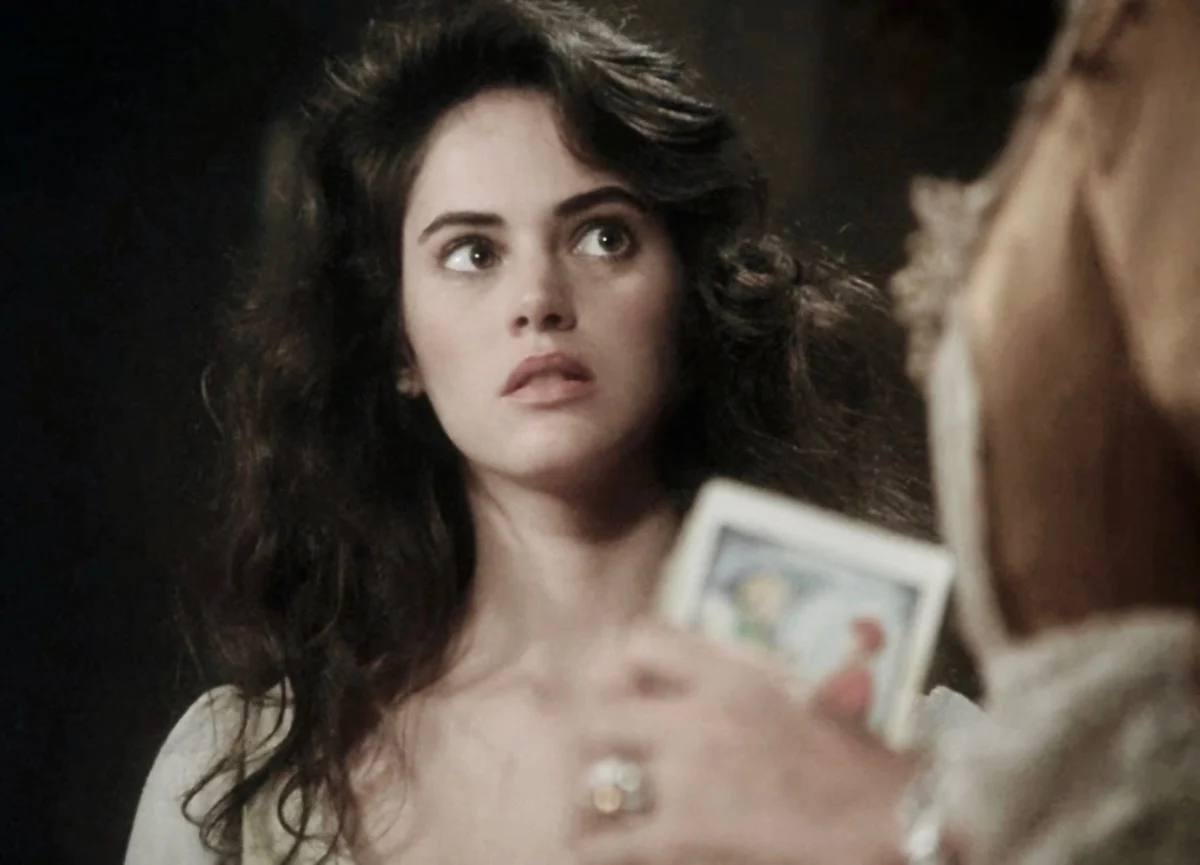
The narrative follows Victoria Winters (played by Joanna Going), a young, apprehensive governess who takes a train to the remote, fog-shrouded fishing village of Collinsport, Maine. Her destination is Collinwood, a brooding cliffside manor owned by the wealthy, generations-old Collins dynasty. Hired to care for and educate a troubled young boy named David (portrayed by a very young Joseph Gordon-Levitt), Victoria quickly realizes that her new home is steeped in a dark, bloody history.

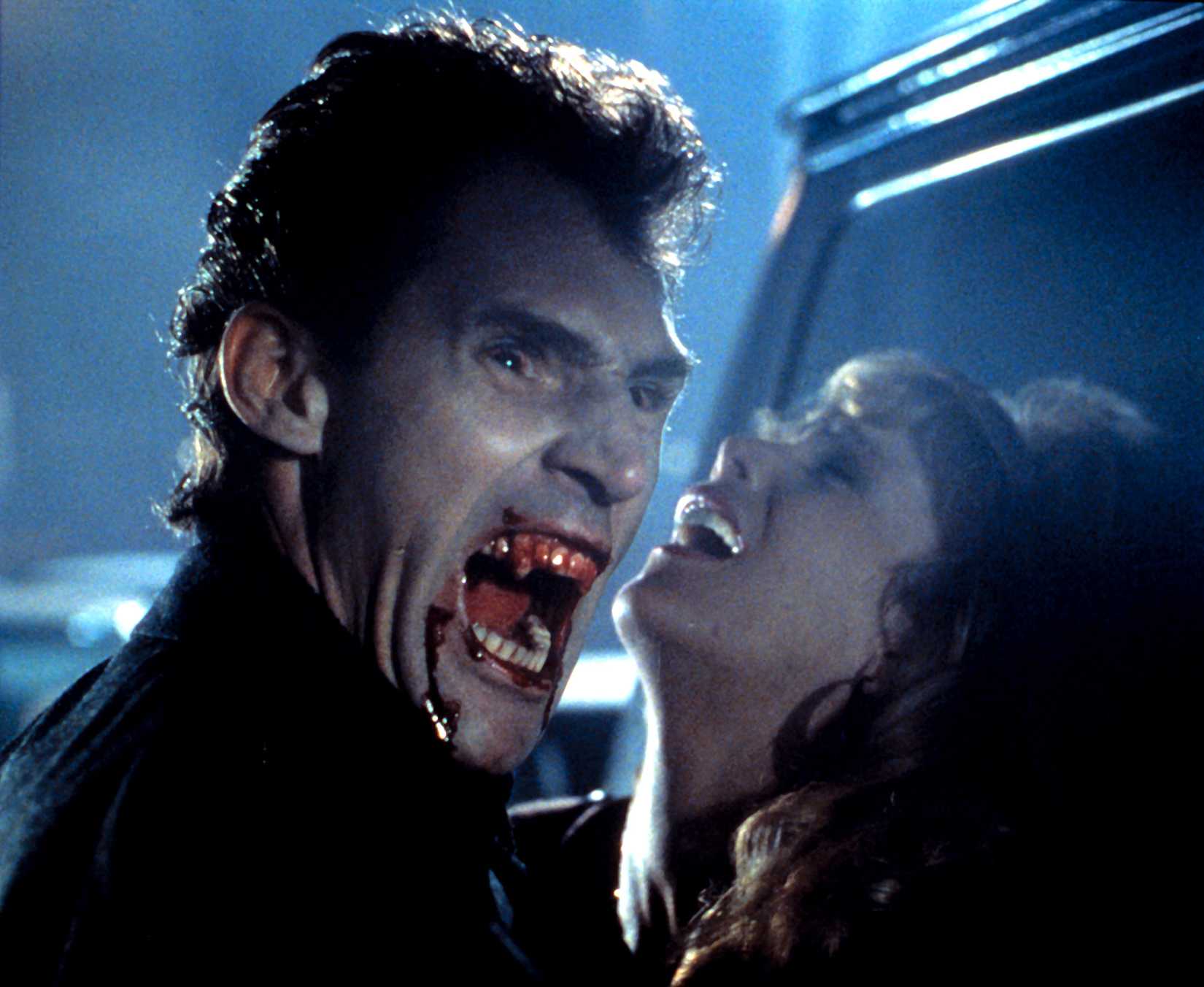
Soon after her arrival, the supernatural forces of the estate awaken. A mysterious, charismatic Englishman named Barnabas Collins (Ben Cross) arrives in town, introducing himself as a distant relative. In reality, Barnabas is a 200-year-old vampire. While he ingratiates himself with the Collins family by day, he stalks the shadows of Collinsport by night, quickly developing a dark, magnetic fixation on Victoria.
Unlike the original daytime series—which required hundreds of episodes to hit its stride—the 1991 revival wastes zero time. Barnabas is biting locals and establishing his terrifying presence before the first commercial break, giving contemporary audiences an instant, high-octane taste of classic television horror.
Chronology and Production: From Daytime Cult Classic to Primetime Reimagining
The 1960s Phenomenon
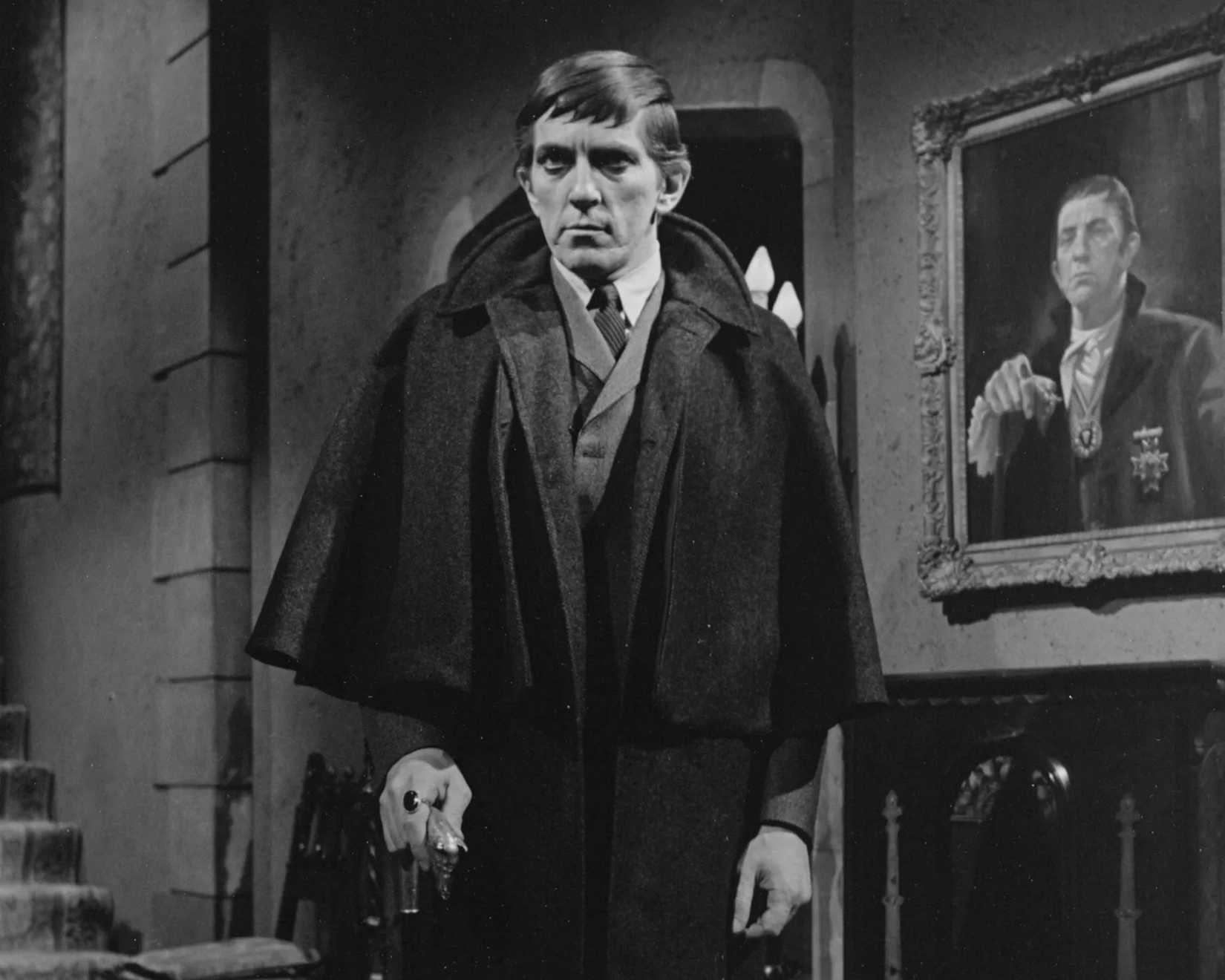
To understand the brilliance of the 1991 miniseries, one must look back at its trailblazing predecessor. ABC’s original Dark Shadows premiered in 1966 as a traditional gothic soap opera. Initially struggling with ratings, creator Dan Curtis took a massive gamble a year into its run: he introduced a vampire named Barnabas Collins, played with tragic vulnerability by Jonathan Frid.
The gamble paid off spectacularly. Barnabas transformed the show into a pop-culture phenomenon, introducing witchcraft, ghosts, parallel universes, and time travel to daytime television. However, because it was a daily soap opera running half-hour episodes across six seasons, it was frequently bogged down by narrative filler, repetitive plotlines, and rushed production schedules.

The 1991 NBC Revival
By the early 1990s, Dan Curtis saw an opportunity to revisit his crown jewel with the benefits of a primetime budget, a compressed episode order, and an elite cast. NBC picked up the revival as a high-profile television event.
However, translating years of sprawling lore into a 12-episode arc required a massive editorial overhaul. As Curtis explained in a 1991 interview with The New York Times, he quickly realized that the original scripts were unusable for a modern primetime audience.
"I thought I could rely on those old scripts, but I found that they were full of crazy plots that couldn’t use," Curtis noted. "So all the incidents are different; we arrive at similar points through a much different route."
The revival efficiently compressed monumental storylines—most notably the famous 1790s time-travel arc—into a cohesive, breathless narrative. Through a fateful séance, Victoria is unwillingly cast back through time, discovering Barnabas’s tragic human past, his star-crossed love for Josette, and the vengeful witch’s curse that doomed him to eternal damnation.
Supporting Data and Cast: A Star-Studded Masterpiece
One of the greatest triumphs of Dark Shadows: The Revival is its extraordinary ensemble cast. While the original daytime soap relied heavily on theater actors who grew into their roles over time, the 1991 adaptation boasted silver-screen legends and rising stars.
- Ben Cross as Barnabas Collins: Fresh off his breakout role in the Oscar-winning film Chariots of Fire, Cross brought a commanding, intensely romantic, and deeply menacing presence to the iconic vampire. His portrayal struck a chilling balance between aristocratic charm and predatory hunger.
- Barbara Steele as Dr. Julia Hoffman: Horror royalty Steele—renowned for her work in Italian gothic classics like Black Sunday and Castle of Blood—slotted effortlessly into the role of the scheming, fiercely intelligent doctor who falls under Barnabas’s spell while attempting to engineer a cure for his condition.
- Jean Simmons as Elizabeth Collins Stoddard: Hollywood icon Simmons (Spartacus, Guys and Dolls) anchored the family dynamic as the strong-willed, fiercely protective matriarch of the Collins household.
- Joanna Going as Victoria Winters: Going captured the quintessential gothic heroine arc, transforming from a wide-eyed, fearful outsider into the only person brave enough to unlock the manor’s deepest terrors.
- Joseph Gordon-Levitt as David Collins: Years before becoming a Hollywood leading man, a young Gordon-Levitt delivered a compelling performance as the troubled, emotionally guarded child at the center of the household’s strange occurrences.
Official Responses and Industry Reception
Upon its debut in January 1991, Dark Shadows: The Revival generated considerable buzz among critics and fans of classic horror. Reviewers praised the high production values, atmospheric cinematography, and the palpable chemistry between the cast members.
Despite positive critical reception and a dedicated fanbase, the series faced an insurmountable real-world hurdle: the outbreak of the Gulf War. As round-the-clock news coverage dominated network television schedules, the broadcast dates for Dark Shadows were frequently bumped, shifted, and preempted. This erratic scheduling severely fractured the show’s audience momentum, ultimately leading NBC to cancel the series after its initial 12-episode run.
Though the show ended on a cliffhanger, it successfully resolved its central character arc. Victoria Winters completed her harrowing metamorphosis, returning to Collinwood forever changed by the darkness she endured and conquered.
Implications: Why the 1991 Revival Matters Today
In the current era of Peak TV—where audiences are routinely asked to invest in sprawling, multi-season fantasy and horror epics that can take years to conclude—Dark Shadows: The Revival serves as a refreshing reminder of the power of concise storytelling.
It takes the complex, winding mythology of a 1960s pop-culture titan and distills it into a tight, bingeable weekend watch. For horror fans who find the sheer volume of the original soap opera intimidating, the 1991 series provides an ideal gateway. It encapsulates the moody romance, supernatural danger, and gothic majesty of Dan Curtis’s vision without the bloat.
With the entire series now freely accessible on YouTube, a new generation of viewers has the opportunity to board the foggy train to Collinsport, step inside the foreboding gates of Collinwood, and witness television history come alive once more.
 Layla Zulfa
 Basiran
 Dwi Wanna
