

By Austin Manchester
Published September 14, 2026, 1:50 PM EDT
Main Facts
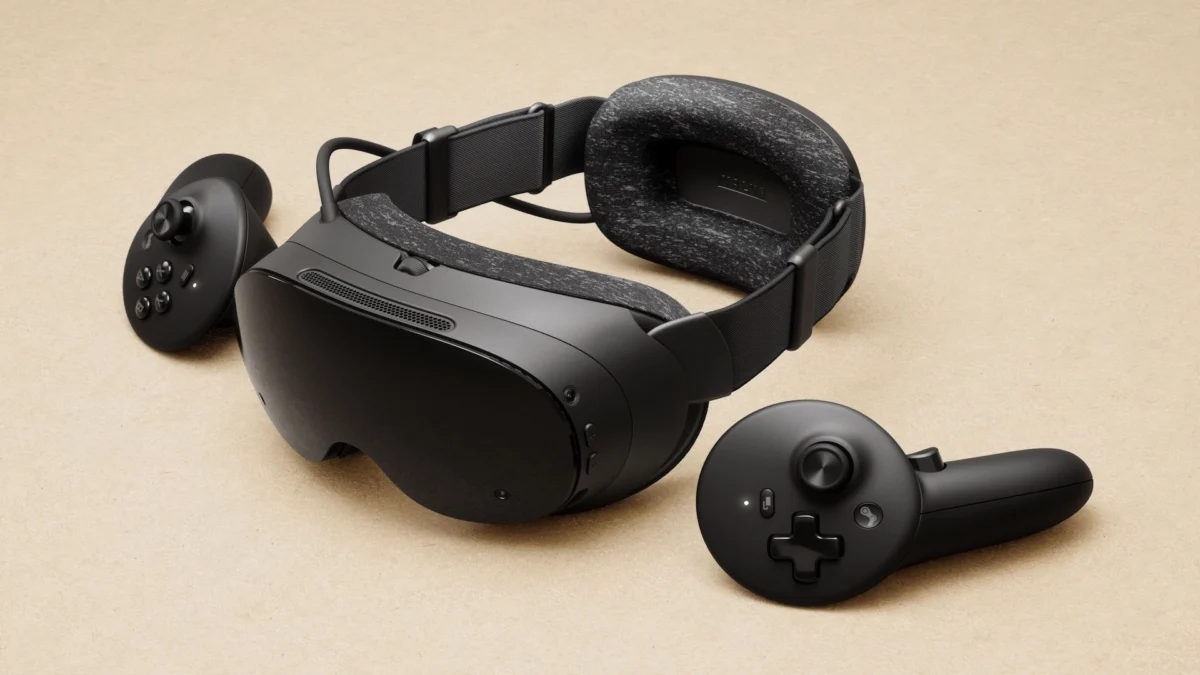
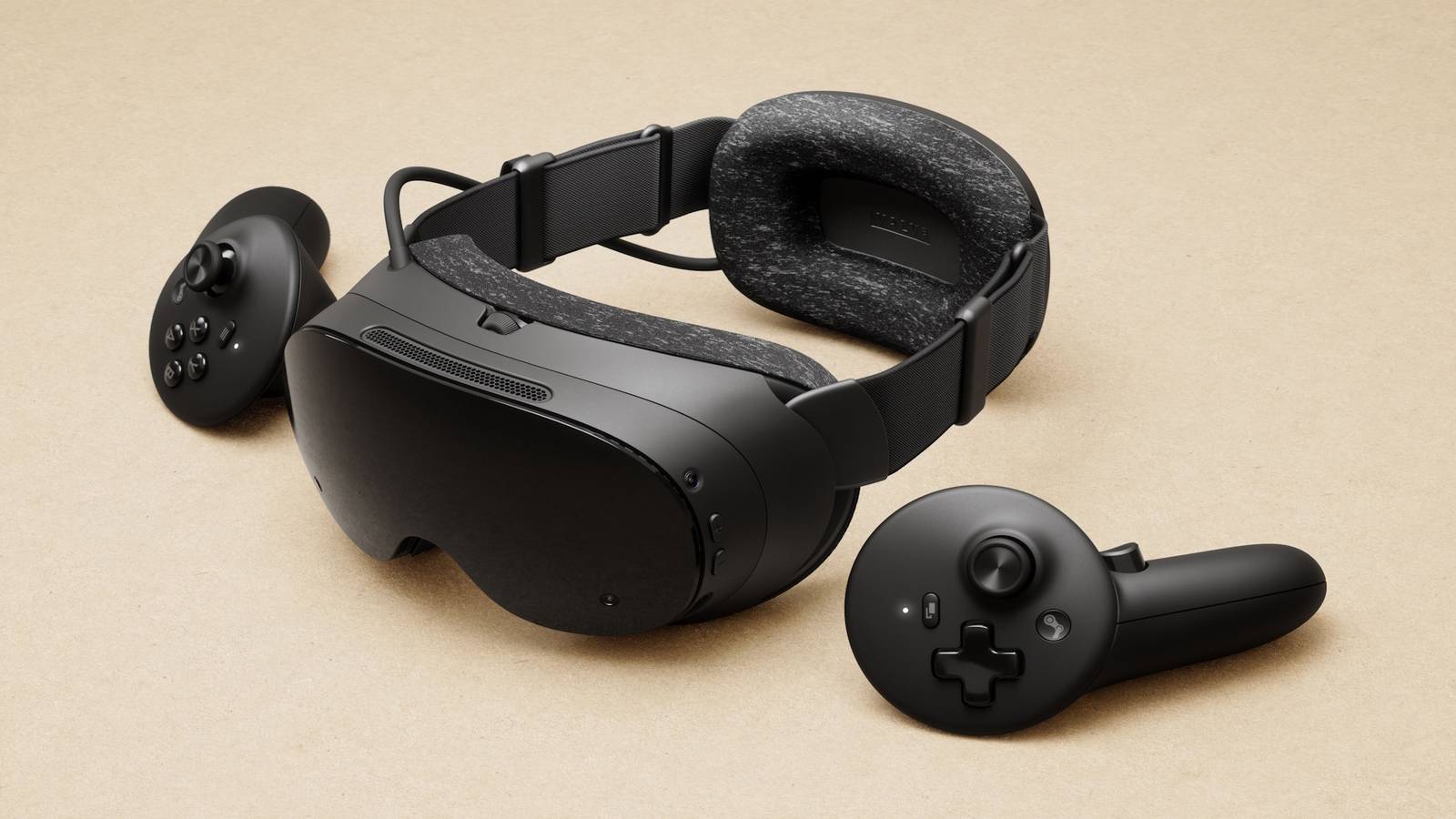
Nearly a year after Valve first teased its ambitious hardware expansion—which introduced the world to a compact, GameCube-shaped gaming PC known as the Steam Machine, alongside a redesigned controller—the company has finally lifted the curtain on its highly anticipated virtual reality headset. Christened the Steam Frame, Valve’s new standalone VR entry has finally received concrete pricing, hardware specifications, and release details.
As it turns out, VR enthusiasts will need deep pockets to dive into Valve’s next-generation immersive ecosystem. The entry-level Steam Frame, outfitted with 256GB of onboard storage, is priced at $1,059—making it a mere $10 cheaper than the base-model Steam Machine. Meanwhile, gamers looking for expanded storage capacity can opt for the 1TB model, which retails for $1,299.
Both storage tiers come packaged with a pair of newly designed Steam Frame Controllers, 16GB of Unified LPDDR5X RAM, and a powerful 4nm Snapdragon 8 Gen 3 ARM64 processor. To sweeten the initial investment, every Steam Frame purchase will automatically include a digital copy of Valve’s landmark VR masterwork, Half-Life: Alyx, directly added to the buyer’s Steam library.
However, the hardware launch has also sparked immediate discussion regarding accessory costs. Neither the 256GB nor the 1TB model includes a dedicated power supply in the box. Valve notes that while existing Steam Deck chargers or equivalent power bricks will suffice, a standalone 45W first-party power supply can be purchased separately for $29. Additional first-party ecosystem add-ons include an Ergonomic Accessories Kit—featuring two controller hand straps, battery doors, a headset top strap, and an extended light blocker—priced at $59, alongside an Accessory Replacement Kit containing a replacement face gasket, head cushion, and standard light blocker for $49.
Chronology: The Road to the Steam Frame
The trajectory of Valve’s latest hardware ecosystem has been a carefully orchestrated rollout, unfolding across multiple phases over the past year:
- Fall 2025: Valve shocks the PC gaming community by revealing a comprehensive new hardware lineup, showcasing the Steam Machine, a refreshed Steam Controller, and the first official glimpses of the Steam Frame VR headset.
- Late June 2026: Valve releases initial pricing and pre-order registration structures for the Steam Machine, leaving VR consumers waiting anxiously for pricing details regarding the companion Steam Frame.
- Monday, September 14, 2026: Valve officially establishes the market price for the Steam Frame, detailing the $1,059 and $1,299 tiers, opening up its regional reservation system, and clarifying standalone verification guidelines.
- Thursday, September 17, 2026 (1:00 PM EDT): The strict deadline for prospective buyers to register for a single model of the Steam Frame in their respective regions.
- Friday, September 18, 2026: Valve begins randomized queue distribution, dispatching the first wave of purchase invitation emails to successful registrants as hardware units become ready for immediate fulfillment.
Supporting Data & Hardware Specifications
Under the hood, the Steam Frame represents a significant leap forward in standalone mobile VR computing, merging cutting-edge mobile architecture with the flexibility of Valve’s proprietary SteamOS.
Core Specifications Overview
- Processor: 4 nm Snapdragon 8 Gen 3 (ARM64)
- Memory: 16GB Unified LPDDR5X RAM
- Storage Options: 256GB or 1TB variants
- Included Hardware: Steam Frame headset, two Steam Frame Controllers, and a digital copy of Half-Life: Alyx
- Operating System: SteamOS (fully customizable, supporting third-party application sideloading)
Purchasing, Regional Shipping, and Verification Systems
Much like the rollout strategy utilized for the Steam Machine, Valve is bypassing traditional open-market retail rushes in favor of a controlled, lottery-style reservation queue to manage initial high demand and deter scalpers.
To participate in the initial hardware drop, prospective buyers must navigate a specific set of rules:
- Account Eligibility: Participants must possess a Steam account in good standing.
- Purchase History: The account must have recorded at least one prior purchase on the Steam store prior to April 27, 2026.
- Household Limit: Only one Steam Frame registration is permitted per household.
- Deadline: Registrations close sharply on Thursday, September 17, at 1:00 p.m. EDT.
Once the registration window closes, Valve will randomize the sign-up pool into two primary categories: guaranteed reservations and a secondary waitlist. Individuals placed in the reservation bucket will receive email notifications starting September 18 as shipping batches become available. Those assigned to the waitlist will be notified progressively if inventory opens up.
Logistically, the Steam Frame will ship directly through Steam’s native infrastructure in North America and Europe, covering the United States, Canada, the United Kingdom, the European Union, and Australia. For Asian markets—specifically Hong Kong, Japan, and Taiwan—fulfillment will be managed via regional partner Komodo. Regional signup lists remain strictly segregated, meaning users must queue within their specific geographic marketplace.
Official Responses and Ecosystem Integration
Valve’s vision for the Steam Frame extends far beyond traditional virtual reality applications. True to the company’s hardware philosophy established by the Steam Deck, the Steam Frame is designed to function as an open PC running SteamOS. Users are explicitly encouraged to tinker with the system, sideload alternative applications, and explore non-Valve software ecosystems to their liking.
Furthermore, the headset doubles as a massive virtual display for standard flat-screen titles. Users can stream their entire existing Steam library directly into the headset environment. To help consumers navigate which titles function smoothly without external PC tethering, Valve has introduced a dedicated curation metric. Similar to the "Verified" badges found on the Steam Deck, titles optimized for untethered headset play will carry explicit ratings, supported by a newly launched "Great on Frame" curated storefront hub.
Valve has also reiterated that the broader ecosystem remains tightly constrained by these controlled reservation systems. Consumers wishing to assemble a complete ecosystem bundle—pairing the Steam Frame with a Steam Machine or individual Steam Controllers—must navigate parallel registration queues while supplies remain regulated.
Implications for the VR and PC Gaming Markets
The arrival of the Steam Frame at a price point exceeding $1,000 marks a fascinating turning point for the high-end standalone virtual reality landscape. By pricing the headset nearly identical to a dedicated living room gaming PC (the Steam Machine), Valve is positioning the Frame not merely as an accessory, but as a primary, high-performance computing platform in its own right.
1. Blurring the Lines Between Standalone and PC VR
For years, the standalone VR market has been dominated by mobile-focused ecosystems prioritizing accessible price points over raw graphical fidelity. With a 4nm Snapdragon 8 Gen 3 processor, 16GB of LPDDR5X RAM, and native SteamOS integration, the Steam Frame bridges the gap between untethered convenience and uncompromised PC-class processing power. By allowing users to stream their flat-screen libraries while simultaneously executing demanding standalone VR tasks, Valve is offering a versatile hybrid device that challenges traditional hardware classifications.
2. The Controlled Supply Model and Market Stability
Valve’s choice to utilize randomized reservation queues—restricted by account standing and purchase history—demonstrates a continued commitment to mitigating scalper botting and artificial supply shortages. While this gated approach can frustrate eager consumers who miss registration windows, it ensures that hardware lands directly in the hands of active ecosystem users, fostering a stable community of early adopters and developers.
3. Expansion of the SteamOS Hegemony
With the Steam Deck dominating the handheld PC market, and the Steam Machine and Steam Frame rounding out living room and virtual reality spaces, Valve is methodically constructing a unified, Linux-based hardware fortress. Because the Steam Frame runs an open version of SteamOS rather than a locked-down proprietary mobile operating system, it reinforces Valve’s long-term corporate ethos: hardware that empowers the user with choice, customizability, and platform freedom.
As the first wave of reservation emails begins trickling out to lucky registrants following the September 17 deadline, the tech world will be watching closely to see how the Steam Frame performs in the wild—and whether its premium price tag matches its ambitious hardware promises.
 Basiran
 Suro Senen
