

Executive Summary: A Nation Under Siege
Yemen, a country already synonymous with prolonged humanitarian suffering, is spiraling into a new and terrifying chapter of instability. The resumption of intense clashes between Houthi opposition forces and the internationally recognized government—ending a four-year period of relative calm—has shattered the fragile equilibrium of the nation.
As the conflict intensifies, particularly in the southwest, the humanitarian fallout is becoming catastrophic. The World Health Organization (WHO) and the UN Office for the Coordination of Humanitarian Affairs (OCHA) have issued urgent warnings that the surge in violence is not only claiming lives on the front lines but is effectively dismantling an already decimated public health infrastructure. With hospitals redirected toward trauma care, the fight against preventable diseases like cholera, measles, and dengue is failing, while critical medical supply lines have reached a state of total depletion.
Chronology of the Renewed Crisis
To understand the current collapse, one must look at the timeline of the recent escalation:
- Pre-August Stability: For four years, Yemen experienced a period of relative, albeit fragile, de-escalation. While humanitarian needs remained high, the intensity of kinetic warfare had subsided, allowing for some stabilization in health services.
- August 6th – The Turning Point: Fighting reignited in the southwest, marking the end of the ceasefire. Since this date, the toll has been severe, with health authorities in Aden reporting over 4,481 casualties, including 830 confirmed deaths.
- Late August – Strategic Shifts: Houthi forces launched a major offensive, securing positions along the Red Sea coast. This maneuver included a reported blockade on shipping from Saudi Arabia, further complicating the flow of humanitarian aid and essential goods.
- September 10th – The Migration Wave: Facing imminent danger, civilians began fleeing the coastline in record numbers. By mid-September, a mass exodus via the Red Sea toward Djibouti began, with thousands undertaking the perilous maritime journey to escape the crossfire.
- Current Status: As of this week, the conflict remains locked in a high-intensity phase, with the UN reporting that at least 180,000 people have been newly displaced, exacerbating the pressure on regional borders and internal shelters.
Supporting Data: A System in Collapse
The statistics provided by the WHO paint a grim picture of a healthcare system unable to withstand the current pressure.
The Erosion of Clinical Capacity
Even before the current escalation, the Yemeni health sector was in a state of chronic decay. WHO data indicates that only 60 percent of health facilities were fully operational prior to the August resurgence. Today, that number is plummeting.
- Trauma Prioritization: Hospitals in key hubs like Marib and Ras Al-Arah have been forced to suspend comprehensive emergency obstetric and newborn care. The entirety of their operational capacity has been diverted to treat the influx of wounded combatants and civilians.
- Infrastructure Damage: Nine major health facilities have been directly damaged or hit by deliberate attacks, predominantly in the vicinity of Taiz, Lahj, and Hudaydah.
- The Supply Chain Crisis: Despite the dispatch of 60 tonnes of medical supplies—valued at approximately $656,000—to 40 facilities, the demand far outstrips the supply. WHO warehouses in Aden report that they are currently at "zero stock" for essential trauma kits and basic life-saving medicines.
The Disease Burden
With sanitation systems compromised and displacement camps overcrowded, the risk of communicable diseases has reached a fever pitch:
- Cholera: 7,800 suspected cases and 22 deaths have already been recorded this year. The lack of clean water in makeshift shelters makes a massive, uncontrolled outbreak increasingly likely.
- Measles and Dengue: The health landscape is further plagued by over 22,000 cases of measles, while dengue fever has been directly linked to 37 fatalities.
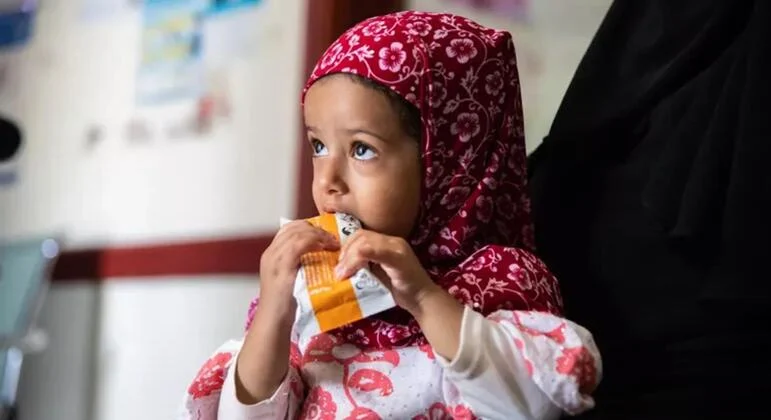
- Malnutrition: The OCHA reports that among 2,900 children screened, more than 25 percent suffer from acute malnutrition, with 200 cases of severe acute malnutrition (SAM) requiring immediate, specialized intervention that is currently unavailable.
Official Responses and Strategic Challenges
The WHO Perspective
Dr. Annette Heinzelmann, WHO Regional Emergency Director for the Eastern Mediterranean, has been vocal regarding the "impossible choices" doctors are being forced to make. Speaking from Cairo, she noted that while 20 mobile medical teams have been deployed to priority governorates, they are essentially "putting out fires with thimbles."
"We know that comprehensive emergency obstetric and newborn care has been suspended… because staff and operating capacities have been redirected to trauma care," Dr. Heinzelmann stated. She emphasized that the current international response is struggling to keep pace with the sheer velocity of the displacement.
The Regional Spillover: The Djibouti Factor
The crisis is no longer confined to Yemeni borders. Djibouti has emerged as the primary safe haven, receiving over 3,600 refugees since mid-September. The demographics of these arrivals are particularly concerning; nearly half are children.
WHO partners are currently bracing for an influx of between 5,000 and 10,000 additional refugees in the coming weeks. This creates a secondary humanitarian crisis in Djibouti, a nation already struggling with its own health and nutritional challenges. "This influx is placing additional pressure in a country already facing severe health and humanitarian needs," Dr. Heinzelmann warned.
Implications: A Generation at Risk
The implications of this escalation extend far beyond the immediate casualty counts.
1. The Maternal and Child Health Void
By suspending obstetric care to make room for trauma wards, the health system is effectively abandoning a generation of mothers and newborns. Without access to safe deliveries, maternal and infant mortality rates are projected to rise sharply in the coming months, reversing years of hard-won progress in neonatal health.
2. The Sanitation and Water Paradox
The confluence of conflict and disease is not accidental. The destruction of civilian infrastructure—specifically water treatment plants and electrical grids—prevents the basic hygiene required to stop cholera. As displaced families pack into temporary shelters, the lack of proper sewage management turns these sites into petri dishes for infectious disease.
3. The "Silent" Conflict
While the world focuses on the frontline clashes and the geopolitical maneuvering of the Houthis and the Saudi-backed government, a "silent" conflict is occurring in the form of malnutrition. With the collapse of local markets and the obstruction of aid routes, the nutritional status of Yemeni children is deteriorating. The OCHA’s alert regarding acute malnutrition is a precursor to a potential famine event if supply chains are not immediately secured and humanitarian corridors opened.
4. Long-term Psychological Trauma
Beyond the physical wounds, the mental health of the population is in freefall. Thousands of children have been uprooted, witnessed the destruction of their homes, and lost family members. The total lack of mental health support, now completely sidelined by the focus on trauma surgery, will leave deep psychological scars on the Yemeni population that may last for decades.
Conclusion: A Call for Urgent Intervention
The situation in Yemen has moved beyond a local conflict; it is a regional humanitarian catastrophe. The combination of active warfare, a collapsing health sector, and the rapid spread of preventable diseases requires an immediate, coordinated international response.
The depletion of WHO’s stocks is a clarion call that current levels of assistance are insufficient. Unless there is an immediate cessation of attacks on healthcare facilities, a restoration of supply lines, and a massive increase in funding to address the nutritional and sanitary needs of the displaced, the death toll from the "silent" killers—cholera, measles, and malnutrition—is poised to dwarf the casualties caused by the fighting itself. The window to prevent a total societal collapse is closing, and the humanitarian community remains, for now, stretched to its absolute breaking point.
 Siti Muinah
 Lina Hope
 Asro
Asro
