

By Rhea Nayyar
The intersection of professional sports and municipal cultural policy is rarely a collision of worlds, but as the New York Knicks and the San Antonio Spurs prepare for a pivotal Game 5 this Saturday, June 13, the cities’ respective arts departments have turned the hardwood rivalry into a high-brow exhibition of civic pride.
What began as a standard playoff matchup has evolved into an inter-city diplomatic exchange. The San Antonio Department of Arts and Culture has issued a formal—albeit playful—challenge to the New York City Department of Cultural Affairs (DCLA): a high-stakes wager that transcends the final score on the scoreboard. Should the Knicks secure the win, the San Antonio agency has pledged to dedicate their social media presence to celebrating the finest public art treasures of New York City. Conversely, should the Spurs force a shift in momentum and emerge victorious, the DCLA will be tasked with highlighting the rich, diverse public art landscape of the Alamo City.
The Genesis of the Challenge
The stakes of the NBA playoffs are typically measured in wins, losses, and championship rings. However, for the administrators tasked with curating the cultural fabric of these two iconic American metropolises, the game represents an opportunity to engage their constituents in a broader conversation about public art.
The challenge was initiated via a spirited social media campaign, where the San Antonio Department of Arts and Culture posted a video highlighting their deep-seated love for both their basketball team and their city’s creative output. "We love supporting art, film, and music in our city," the representatives stated in the video. "We also love our Spurs."
The offer was clear: the losing city’s arts department must publicly curate and promote a selection of their favorite public artworks from the winning city. This move serves as more than just a bet; it acts as a digital bridge between the Hudson River and the San Antonio River Walk, forcing two distinct artistic communities to recognize and promote the aesthetic contributions of their counterparts.
The DCLA, never one to back down from a competitive match, responded with enthusiasm: "Oh, it’s on, Go Knicks!!!" The exchange, characterized by mutual respect and a lack of the usual vitriol found in sports fanbases, underscores the professional admiration the two agencies hold for one another.
Chronology of a Playoff Rivalry
The atmosphere in New York City is currently charged with the intensity of a late-spring humidity, matching the pressure of the playoff series. The Knicks currently hold a commanding 3-1 lead, putting them in the driver’s seat as they approach Game 5.
- Early June 2026: As the series progressed, the Knicks established a dominant lead, outplaying the Spurs in key defensive rotations and high-scoring offensive drives.
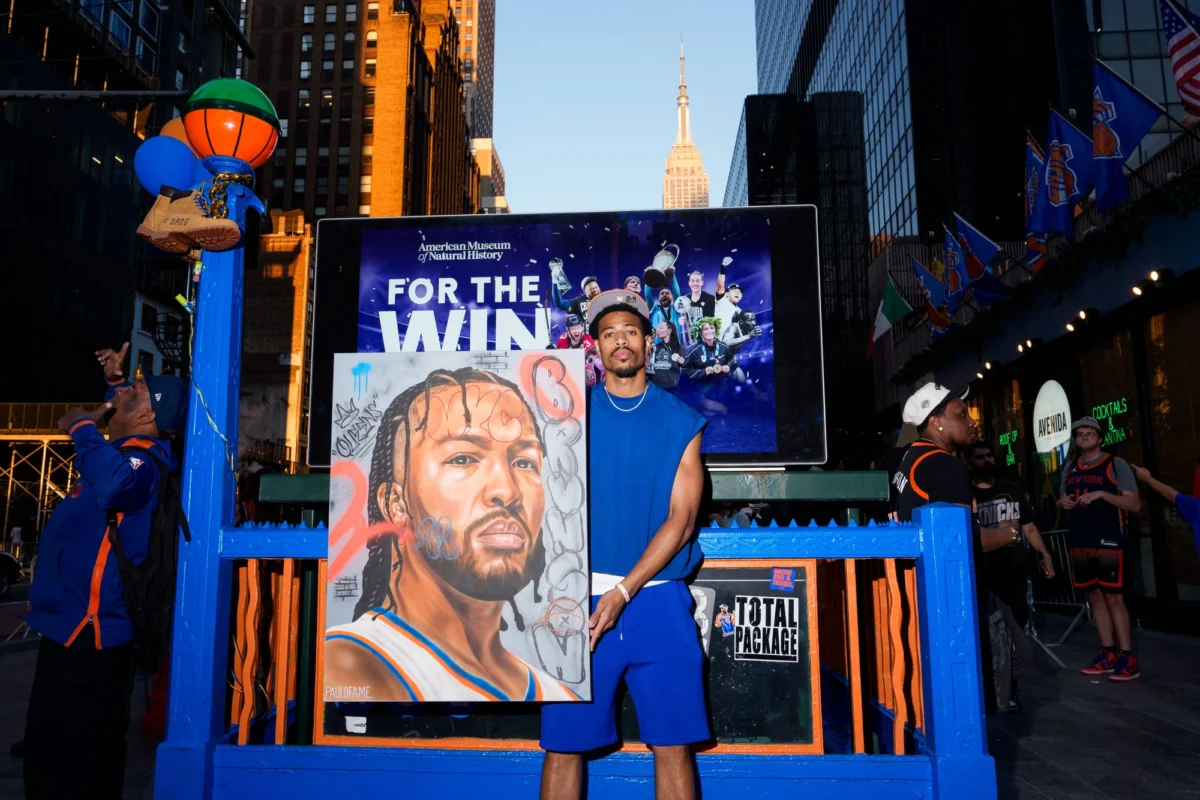
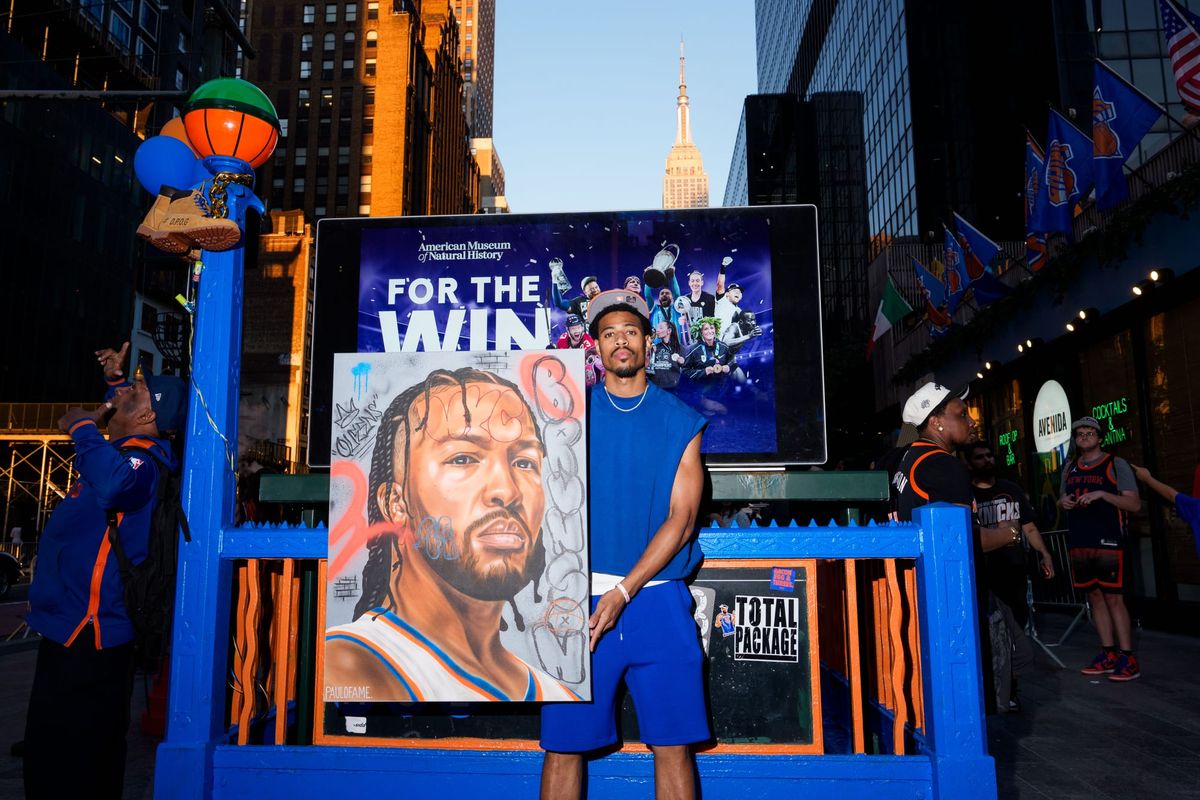
- June 3, 2026: Artist Paul Johnson unveiled a commemorative painting of Knicks point guard Jalen Brunson in New York City, capturing the fervor surrounding the team’s resurgence. This moment served as a microcosm of the city’s artistic response to the basketball phenomenon.
- Mid-June 2026: The San Antonio Department of Arts and Culture formally proposed the "Artistic Wager," shifting the focus from the court to the canvas.
- Saturday, June 13, 2026: The scheduled date for Game 5. The outcome will dictate which agency begins the process of drafting a public, digital appreciation of the opposing city’s cultural landmarks.
Supporting Data: The Canvas of Two Cities
The wager brings to light the vast differences and similarities between the public art collections of New York and San Antonio. While New York boasts a massive, dense network of subway art, park installations, and historical monuments, San Antonio offers a more intimate, narrative-driven collection that reflects its unique Texan identity.
The San Antonio Collection
Should the Knicks falter and the DCLA be forced to showcase San Antonio’s work, the New York agency will have an impressive catalog to draw from. The city’s public art collection is highly curated, often integrating historical context with contemporary visual language:
- Donald Lipski’s F.I.S.H. (2009): Perhaps the most iconic of the city’s installations, these oversized, illuminated fish sculptures appear to be swimming through the air, suspended in a public space. They offer a whimsical, surrealist quality that challenges the traditional stoicism of public monuments.
- Anne Wallace’s Golden Age (2013): A piece that taps into the nostalgia and narrative depth of the region, Golden Age is frequently cited for its technical proficiency and emotional resonance.
- Joey Fauerso’s Canopy (2018): Representing a more modern approach, this work reflects the city’s commitment to abstract and organic forms, providing a visual counterpoint to the more traditional statuary found in many U.S. cities.
The San Antonio Department of Arts and Culture maintains a comprehensive, searchable database of these works, making it exceptionally easy for a visiting (or losing) agency to curate an exhibit.
The New York City Landscape
New York City’s public art collection is a labyrinth of global influence. From the kinetic sculptures in Battery Park to the intricate mosaics in the MTA subway system, the scale of the city’s portfolio is unparalleled. Should the Spurs lose, their department will be tasked with navigating the sheer volume of New York’s creative output, selecting pieces that best represent the city’s chaotic, vibrant, and multifaceted soul.
Official Responses and Civic Diplomacy
The interaction between the two agencies represents a sophisticated form of civic diplomacy. By engaging in this wager, the departments are effectively humanizing their bureaucratic structures.
"There’s no trash talk to be heard here," a representative from the San Antonio agency noted, highlighting that the challenge is rooted in a shared appreciation for the role of art in public life. This sentiment was echoed by the DCLA, which signaled that while the rivalry on the court is fierce, the professional fraternity between those who manage city-funded arts programs remains strong.
These agencies play a critical role in the maintenance of public identity. By placing their respective cities’ arts reputations on the line, they are signaling to the public that civic identity is not solely defined by athletic success, but by the physical legacy left behind in the streets, parks, and plazas.
Implications for Public Engagement
The implications of this wager extend beyond a simple social media post. By forcing a city’s department to "become an expert" in the art of another, the wager facilitates a cross-pollination of cultural ideas.
Promoting the Arts through Pop Culture
By piggybacking on the massive viewership of the NBA playoffs, the arts departments are successfully reaching an audience that might not otherwise engage with municipal arts programming. Millions of viewers who tune in for the game will, in the coming days, be exposed to a curated list of public art. This is a brilliant, albeit accidental, marketing strategy for the arts.
The Future of Civic Challenges
Could this be the start of a trend? The success of this interaction suggests that inter-city cooperation, even when framed as a competition, can be a powerful tool for cultural advocacy. If the San Antonio-New York wager generates significant engagement, other cities may look to replicate this model for future sporting events, creating a "cultural scoreboard" that parallels the athletic one.
A Legacy of Good Sportsmanship
Regardless of the outcome of Game 5, both cities have already won in terms of positive PR. The focus on art, rather than just the intensity of the game, provides a refreshing alternative to the often-toxic atmosphere of modern sports fandom.
As the buzzer sounds on Saturday night, the eyes of the nation will be on the final score. But for those watching in the offices of the Department of Cultural Affairs and the San Antonio Department of Arts and Culture, the game is only the beginning. One city will celebrate a basketball victory, but the other will have the unique privilege of introducing their audience to the hidden, beautiful, and profound artistic treasures of their opponent. In this arena, everyone is a stakeholder in the elevation of public discourse, proving that while the ball may bounce in the favor of one city, the culture of both is strengthened by the exchange.
 Muslim
 Evan Lee Salim
 Jia Lissa
