

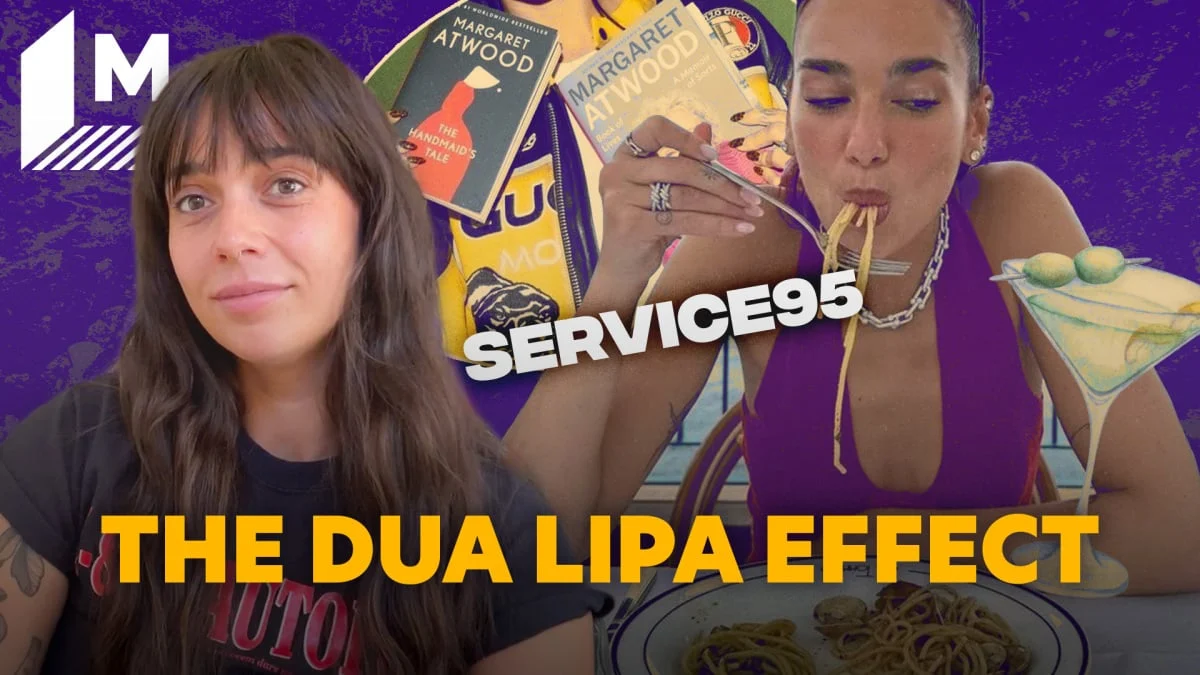
In the landscape of 21st-century celebrity, where the line between private existence and public brand is increasingly blurred, Dua Lipa has carved out a niche that transcends traditional pop stardom. She is not merely a chart-topping vocalist; she has become the internet’s preeminent "mood board" for an aspirational, curated version of adulthood. In an era defined by economic anxiety and the slow decay of "hustle culture," Lipa’s digital footprint offers a compelling, albeit complex, vision of what a life well-lived looks like in the modern age.
The Aesthetic of Abundance: Understanding the "Dua Effect"
Dua Lipa’s public persona is a masterclass in balanced curation. Her Instagram feed—a tapestry of sun-drenched European coastlines, minimalist bookstore interiors, high-fashion street style, and candid moments with friends—does not feel like the standard, hollow luxury often peddled by influencers. Instead, it resonates as a deeply human, if highly polished, ideal.
The "Dua Effect," a term coined by cultural critic Madison Huizinga, refers to this specific brand of abundance. It is a life built on the premise of being a "student of life." While she is indisputably wealthy and globally recognized, her brand is not centered on the accumulation of physical objects. Instead, it is centered on the accumulation of experiences. This distinction is critical. In a digital environment where many celebrities appear disconnected from reality, Lipa’s content feels aspirational because it centers on intellectual curiosity, cultural literacy, and the pursuit of leisure as a fundamental human right.
Chronology of a Cultural Shift: From Pop Star to Lifestyle Concierge
To understand how Lipa became the accidental architect of a lifestyle movement, one must look at the evolution of her brand:

- 2017–2019: The Ascent. As Lipa gained mainstream recognition, her social media was primarily focused on her music career. She was a pop star in the traditional sense, using platforms to promote tours and singles.
- 2020–2021: The Pivot to Curated Content. During the global lockdowns, Lipa began expanding her digital footprint beyond music. She leaned into her identity as a reader and a culture enthusiast. This period laid the groundwork for a more intimate, personality-driven brand.
- 2022: The Launch of Service95. The introduction of Service95 marked a formal transition from pop star to cultural tastemaker. By launching an editorial platform—complete with a newsletter, a podcast, and a globally recognized book club—Lipa signaled that her interest was not just in performing, but in synthesizing culture for her audience.
- 2023–Present: The "Euro Summer" Ideal. As travel rebounded, Lipa became the face of a specific aesthetic—the "Euro Summer." Her trips to Albania, Greece, and Italy became shorthand for a lifestyle that prioritizes leisure, local exploration, and intellectual engagement, effectively turning her own life into a blueprint for her followers.
Supporting Data: The Decline of the "Grind"
The resonance of the Dua Lipa lifestyle is not accidental; it is a direct reaction to the shifting values of Gen Z and younger Millennials. According to recent labor and sociological data, the "hustle culture" that defined the 2010s is experiencing a significant decline.
The Rejection of Productivity Fetishism
Recent reports from the BBC and various workplace studies indicate that "the grind"—the glorification of overwork—is losing its appeal. Following the economic instability of the mid-2020s, young adults are increasingly prioritizing "work-life balance" not as a perk, but as a survival mechanism. Lipa’s feed, which highlights museum visits, long dinners, and reading, acts as a visual antidote to the "rise and grind" mentality.
The Rise of "Slow Living"
Digital trends like #EuroSummer and #BookTok suggest a collective pivot toward "slow living." Data from social media engagement metrics show that content depicting "soft life" or "intellectual leisure" consistently outperforms traditional displays of wealth (like private jets or excessive retail shopping). Lipa’s partnership with tech giants—such as her curated restaurant guides with Google Maps—demonstrates that she is not selling the cost of her life, but the accessibility of the experiences within it.
Official Responses and Cultural Critique
While fans and followers have largely embraced the "Dua Effect," cultural critics are divided on the implications of a pop star serving as a surrogate for a meaningful life.

Some argue that Lipa is democratizing taste. By recommending obscure books or under-the-radar restaurants through Service95, she is actively pushing her millions of followers toward cultural engagement. As she stated in various interviews, her goal with the platform is to "share the things I love" and create a space for curiosity.
However, others point to the inherent tension in this branding. Critics note that while the lifestyle is presented as "accessible," it remains fundamentally unattainable for the average person. The ability to "casually" travel the world, frequent high-end museums, and maintain a social life of such high aesthetic caliber requires a level of financial stability and time freedom that is largely impossible for the working class.
The Implications of "Lifestyle as Art"
The rise of the "Dua Effect" has profound implications for how we view the relationship between work, identity, and leisure in the digital age.
The Commercialization of Leisure
We are witnessing a shift where leisure itself has become a product. When a celebrity frames their downtime as a form of cultural enrichment, they are monetizing the "dream" of not working. This creates a paradox: to live the "Dua life," one must be productive enough to afford it, yet the aesthetic demands that the labor behind that productivity remains hidden.

The "Creator Economy" Fantasy
The obsession with Lipa’s lifestyle also reflects a broader fantasy within the creator economy: the dream that one’s life is their work. For a generation that grew up watching influencers turn their daily routines into content, Lipa represents the pinnacle of this model. She has successfully convinced her audience that her personal taste is a viable commodity.
The Fragility of Trends
It is essential to acknowledge that, as with all internet phenomena, the "Dua Effect" is subject to the rapid churn of digital trends. The obsession with her specific brand of "intellectual leisure" is likely a temporal response to the current economic climate. As societal pressures shift, so too will the icons we look to for guidance on how to exist in the world.
Conclusion: A Mirror, Not a Map
Ultimately, Dua Lipa is not suggesting that everyone should, or can, live her life. Rather, she provides a mirror for the collective desires of a generation tired of being defined by their output. Her influence lies in her ability to project a version of adulthood that is intellectually engaged, aesthetically pleasing, and—most importantly—centered on the joy of discovery.
While we may not be able to replicate her international existence, the "Dua Effect" serves as a reminder that even within the constraints of modern capitalism, there remains a persistent, human hunger for beauty, knowledge, and the quiet, revolutionary act of prioritizing one’s own curiosity. Whether or not this obsession lasts, the fact remains that for a brief, shining moment, the internet has decided that the most "successful" way to be a pop star is to be a person who is, above all else, fully and vibrantly alive.
 Nana Wu
 Neng Nana
 Reynand Wu
