

As the United States approaches its 250th anniversary, the cultural landscape of Washington, DC, has become a high-stakes arena of interpretation. While the nation prepares for widespread celebrations of its semiquincentennial, the capital is simultaneously navigating a period of intense political and cultural flux. Amidst debates over public monuments and the state’s role in shaping historical memory, artists and curators are seizing the moment to challenge the traditional, often monolithic, narrative of American aesthetics.
This summer, the city’s museums are not merely hosting exhibits; they are staging an intervention. From the National Gallery of Art to the American University Museum, the current programming suggests that the most effective way to celebrate the nation’s birthday is to interrogate its foundational myths, its exclusionary practices, and its evolving identity.
The Context: A City in Flux
Washington, DC, in the summer of 2026, is a site of profound contradiction. The city is preparing for a series of massive, government-led commemorations marking 250 years since the signing of the Declaration of Independence. Simultaneously, however, there is a palpable sense of unease. With ongoing political efforts to reshape the capital’s visual identity—including the controversial push to re-erect monuments to enslavers in public spaces like Freedom Plaza—the artistic community is responding with an urgent, visceral energy.
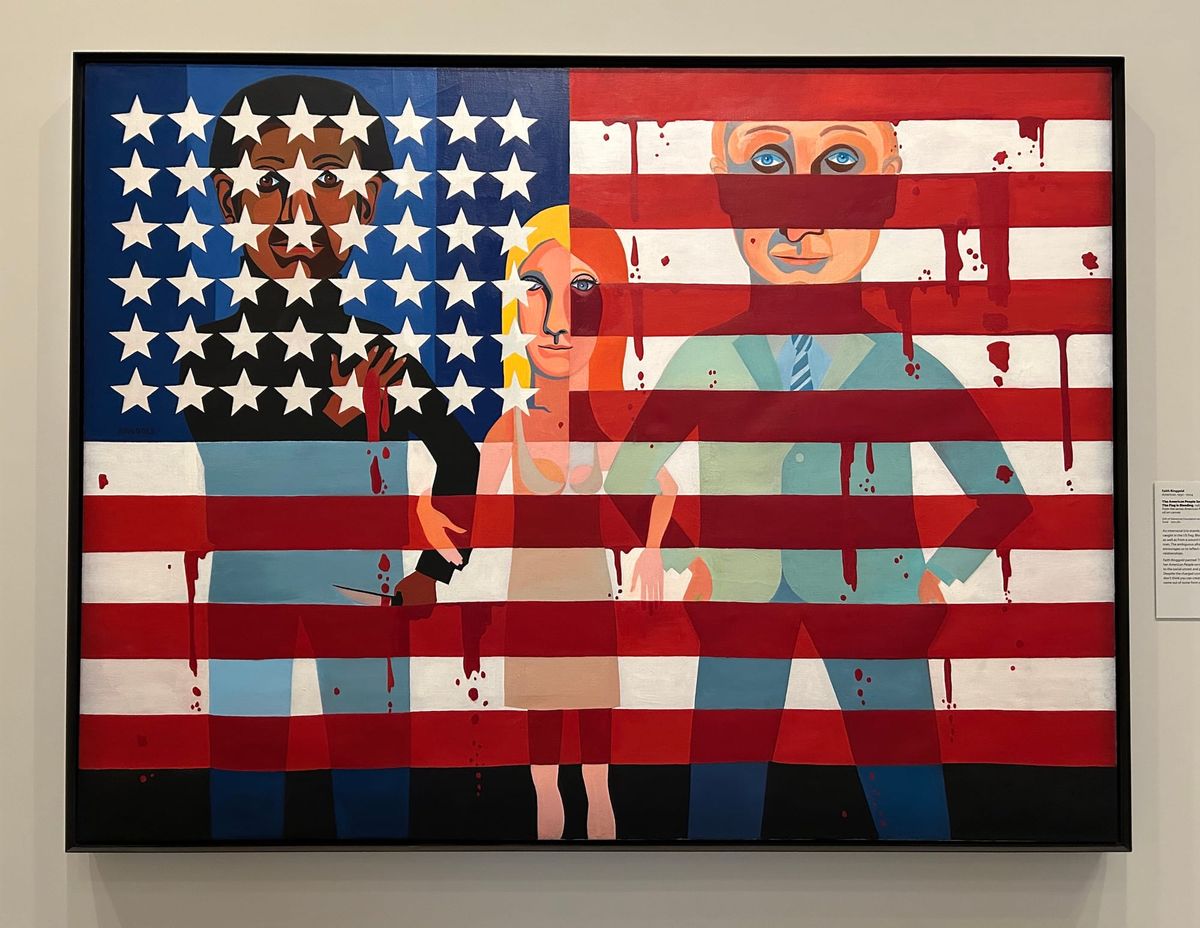
The art on display this season does not shy away from the blood and struggle embedded in the American project. Faith Ringgold’s seminal The American People Series #18: The Flag is Bleeding (1967) serves as a potent focal point for this reckoning. By placing such work at the center of the dialogue, institutions are acknowledging that the "American experience" is not a singular, triumphant arc, but a fragmented, difficult, and beautiful patchwork.
Chronology of Cultural Critique
The exhibitions currently dotting the capital offer a timeline of sorts—not of political events, but of the evolution of the American conscience.
- Mid-20th Century to Present: The National Museum of African American History and Culture (NMAAHC) anchors the conversation with its focus on Black abstraction and design. By highlighting works from the mid-1900s, the museum illustrates how Black artists have historically used form and color to carve out spaces of autonomy in a nation that often denied them basic human rights.
- The Contemporary Moment: Exhibitions like Rip! Tear! Collage as Critique at the Eye Street Gallery tackle the immediate threats of the digital age. In an era where generative AI threatens to commodify and "scrape" the labor of human artists, this show serves as a timely reminder of the value of tactile, manual assembly.
- The Future-Facing Reflection: At the American University Museum, Gail Rebhan’s work uses the mechanical, bureaucratic language of the US Census to map the future of American identity. By analyzing how we categorize ourselves, Rebhan invites viewers to consider what categories we might need to discard or redefine as we head into the next 250 years.
Supporting Data: The Power of Material Culture
The strength of these exhibitions lies in their insistence that art is not just "high culture" but a reflection of material reality.
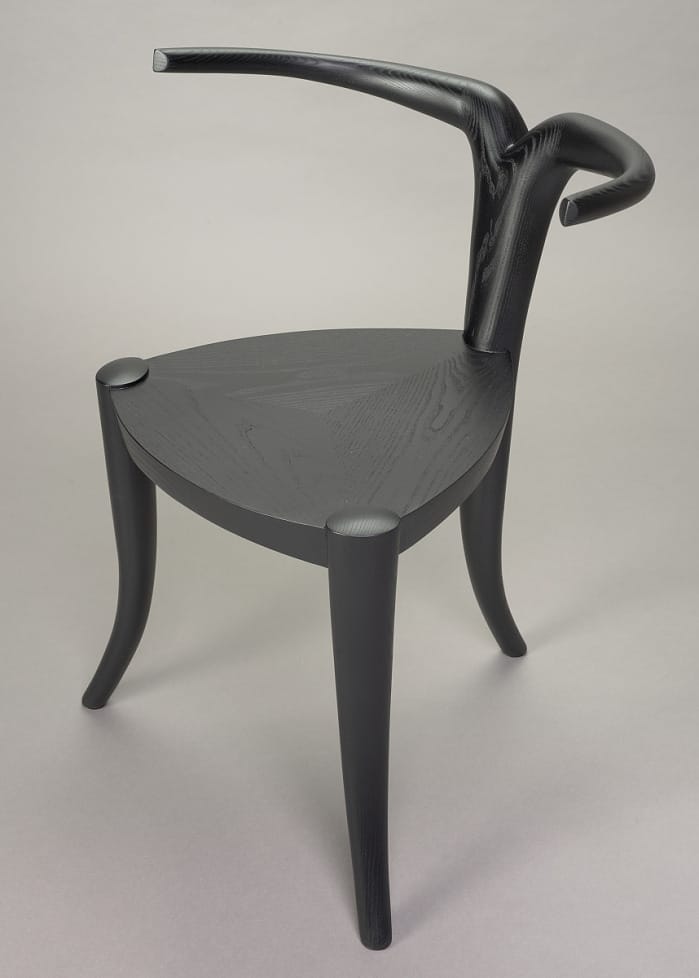
In Reset: Abstraction Embodied in Design, the NMAAHC showcases the work of Hadiya Williams, Jomo Tariku, and Simone Brewster. These designers treat furniture—chairs, rugs, lamps—as sculptural objects that hold the weight of identity. By focusing on the objects we touch every day, the exhibition posits that "American art" is not something to be observed from a distance in a gilded frame; it is something that shapes our physical environment.
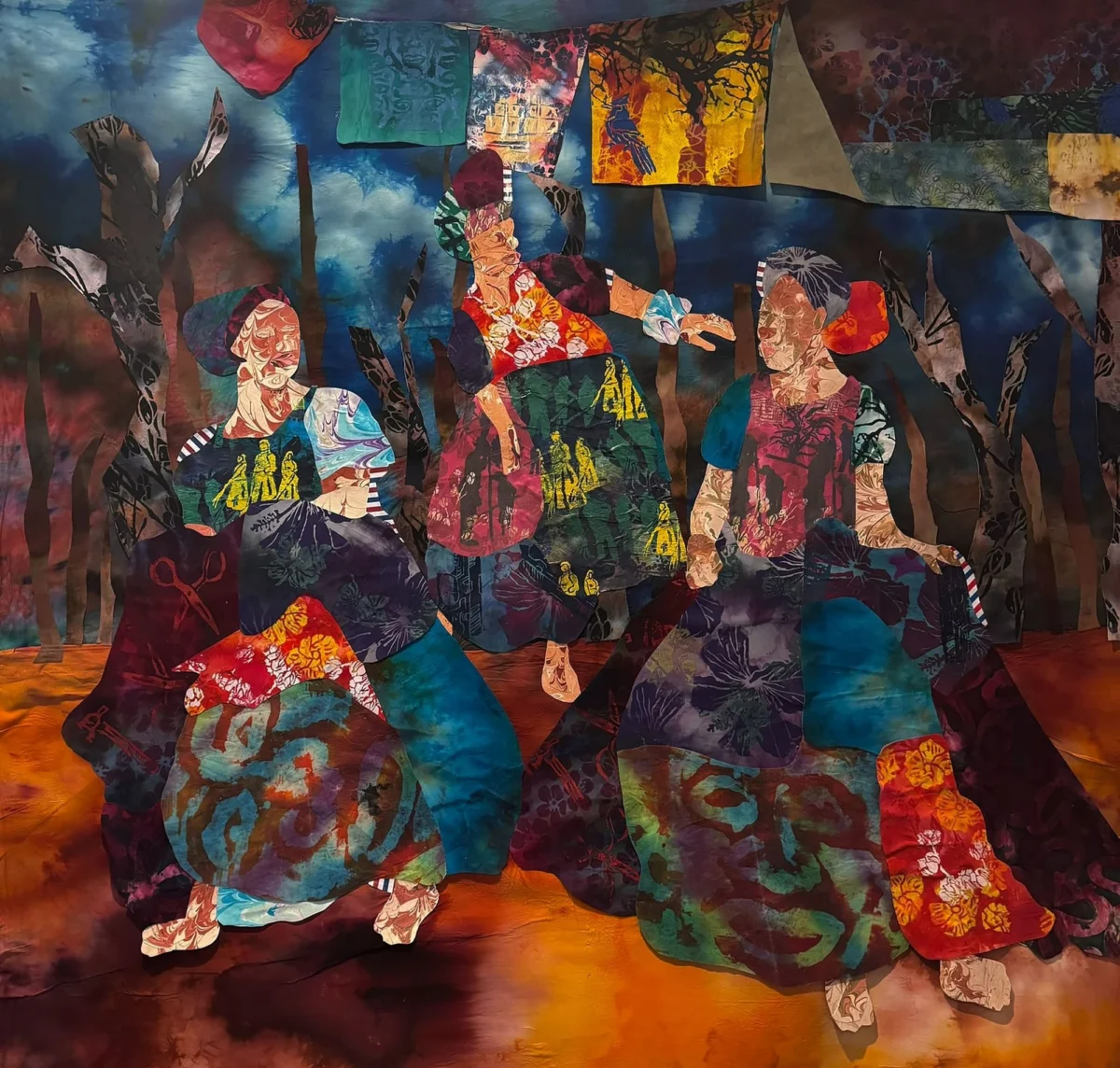
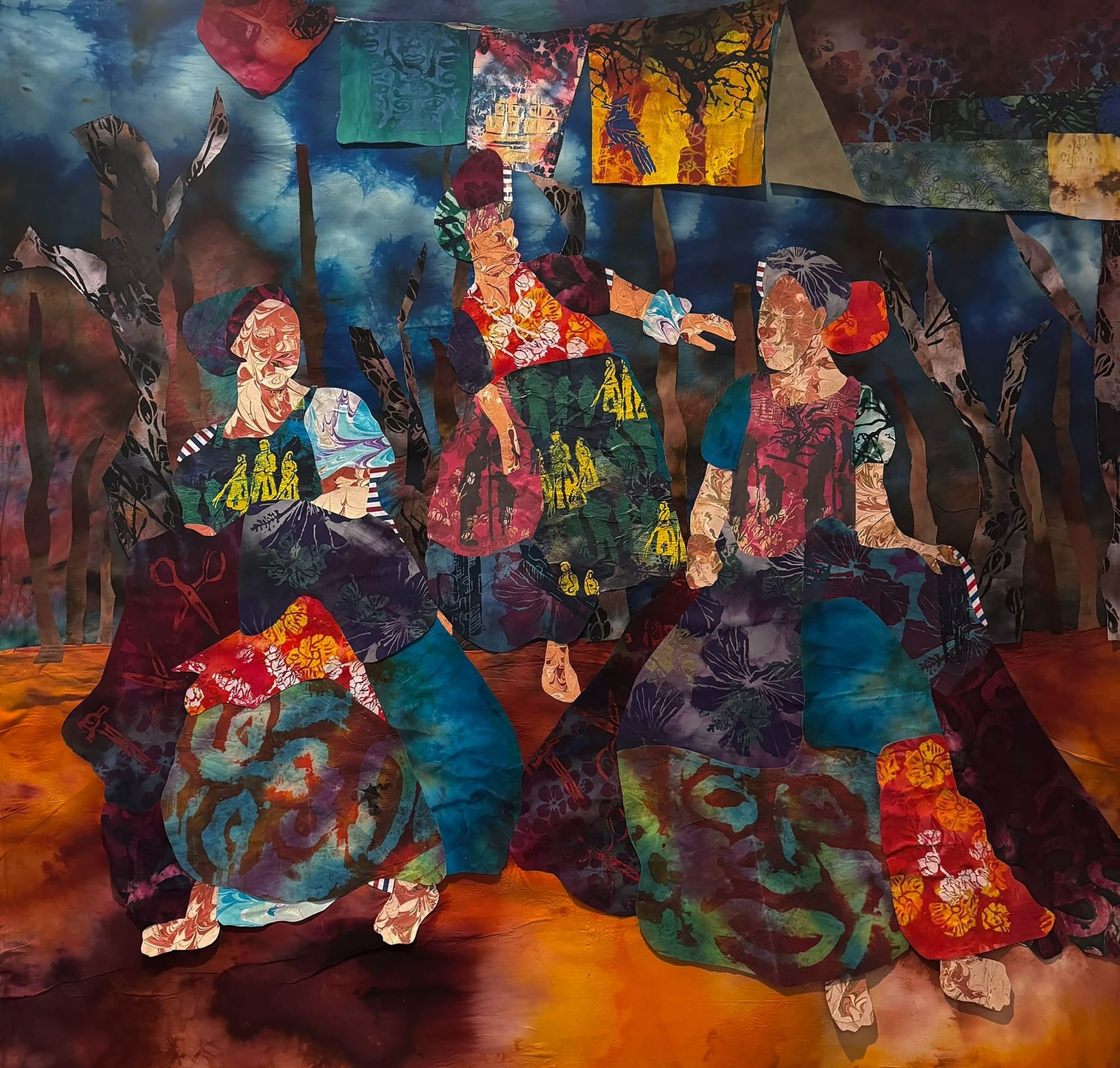
This focus on the material extends to Rip! Tear!, which features works by Zsudayka Nzinga. Her use of hand-dyed fabrics and marbled canvas serves as a direct critique of the "automated" nature of modern consumption. The exhibition, funded by the DC Commission on the Arts and the Humanities, argues that the act of "tearing" and "repurposing" is an inherently American metaphor for the immigrant and diaspora experience: taking the fragments of different cultures and assembling them into a new, cohesive whole.

Official Responses and Institutional Roles
The role of these museums in the 250th-anniversary year is fraught with complexity. While government agencies coordinate logistics—including extensive street closures on the National Mall that threaten to limit public access to these very institutions—museum directors are balancing the mandate for celebration with the duty of critique.
When asked about the balance between commemoration and critical inquiry, curators have largely emphasized the necessity of "multi-vocal" narratives. The American University Museum, for instance, is running seven concurrent shows, an ambitious slate that suggests an institutional effort to provide as many entry points into the "American question" as possible. By pairing the abstract art of the 1950s and 60s with the cultural milestones of Hollywood in Bonnie Lautenberg’s ARTISTICA!, the museum creates a dialogue between "high art" and "pop culture," forcing a realization that both realms have been central to defining what we consider "American."
Implications: What Comes Next?
The implications of these exhibitions are significant. As the nation hits this 250-year milestone, the conversation is shifting away from the celebratory patriotism of previous jubilees toward a more mature, if uncomfortable, reflection.
The Rejection of Appropriation
A major theme across these shows is the rejection of cultural extraction. The Rip! Tear! exhibition is particularly vocal about the dangers of generative AI. By framing collage as a "fundamental rejection of appropriation," the exhibition posits that the future of American art depends on our ability to distinguish between genuine human creation and algorithmic simulation. This is a profound statement for an era dominated by rapid technological change.
The Bureaucracy of Identity
Gail Rebhan’s work at the American University Museum serves as a crucial reminder that art can be an audit. By utilizing official US census verbiage, she highlights how the state’s attempts to classify its citizens have historically been used to enforce hierarchies of race and ability. The implication here is clear: to understand America, one must understand how it labels its people.
Accessibility as a Political Act
Finally, the logistical reality of this summer cannot be ignored. The street closures and the heavy security presence required for the 250th celebrations highlight the friction between the state and its citizens. Museums that remain open and accessible during these times are acting as vital sanctuaries. They provide a space for quiet contemplation in a city that is increasingly loud, crowded, and politically polarized.
Conclusion: A New Aesthetic Charter
As Washington looks toward the next century, these exhibitions suggest that the "American aesthetic" is no longer a fixed point. It is a process of constant re-evaluation. Whether through the lens of Black design at the NMAAHC, the critical collage work at the Eye Street Gallery, or the census-based inquiries at the American University Museum, the message is consistent: America is a work in progress.
To see these shows is to engage with the reality that the nation’s 250th year is not a finish line, but a pivot point. The artists featured this summer are not interested in the polished, mythologized version of the American flag. They are interested in the flag that bleeds, the flag that is torn, and the flag that is being stitched back together by a new generation of creators. In the face of political attempts to control the narrative, these institutions are ensuring that the story of America remains as complex, diverse, and defiant as the people who call it home.
Visitor Information
- Reset: Abstraction Embodied in Design
- National Museum of African American History and Culture
- 1400 Constitution Avenue NW, Washington, DC
- Ongoing
- Rip! Tear! Collage as Critique
- Eye Street Gallery
- 200 I Street SE, Washington, DC
- Through August 7
- Gail Rebhan: What Questions Do We Ask? & Bonnie Lautenberg: ARTISTICA!
- American University Museum
- 440 Massachusetts Avenue NW, Washington, DC
- Through August 9
Visitors are advised to monitor DC government announcements regarding traffic and road closures on the National Mall, as major 250th anniversary events will impact accessibility throughout the summer.
 Basiran
 Muslim
 Evan Lee Salim
